The first few weeks of an employee’s journey can shape how they understand a company, adapt to their role, and connect with the workplace culture. Traditionally, onboarding has relied on documents, presentations, meetings, and instructor-led sessions to introduce new employees to company policies, tools, and processes.
While these methods are still useful, modern workplaces are becoming more distributed and fast-moving. Remote teams, global hiring, and changing job requirements have created a need for onboarding experiences that are more flexible, engaging, and easier to scale.
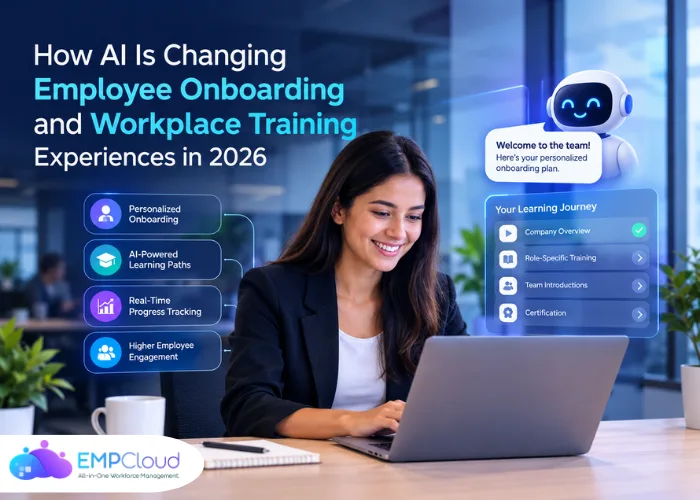
Artificial intelligence is helping organizations rethink how they train and onboard employees. From personalized learning paths to AI-assisted content creation, businesses are using technology to make workplace training more efficient while creating better experiences for new employees.
Why Is AI Becoming Important for Employee Onboarding?
Employee onboarding involves much more than sharing basic company information. New employees need to understand their responsibilities, company culture, workflows, communication methods, and the tools they will use every day.
For growing organizations, delivering consistent onboarding experiences can become challenging. Different teams may create different training materials, and updating resources whenever processes change can require significant effort.
AI helps businesses manage these challenges by supporting the creation, organization, and delivery of training content. Instead of relying only on static resources, companies can create more interactive learning experiences that adapt to employee needs.
This allows HR teams to spend less time managing repetitive tasks and more time improving employee engagement and development.
How AI Creates More Personalized Training Experiences
Every employee joins an organization with different levels of experience, skills, and responsibilities. A new graduate and an experienced professional may require completely different onboarding journeys.
AI can help organizations personalize training by analyzing employee roles, suggesting relevant resources, and helping create learning paths that match specific needs.
For example, a new sales employee may need product training and customer communication resources, while a new developer may require technical documentation and software training.
Personalized onboarding helps employees access the right information at the right time instead of going through unnecessary content.
The Role of Video in Modern Employee Training
Video has become an important part of workplace learning because it allows companies to explain complex information more engagingly.
Organizations commonly use training videos for:
- Employee onboarding introductions
- Product demonstrations
- Software tutorials
- Workplace guidelines
- Team introductions
- Process explanations
Compared with long documents, videos can make information easier to understand by combining visuals, narration, and demonstrations.
However, creating training videos regularly can require planning, recording, editing, and updating. AI is helping businesses simplify parts of this process, making it easier to create professional learning content without extensive production resources.
How AI Helps Companies Create Better Onboarding Videos
As companies expand, onboarding content often needs to be created for different departments, locations, and employee groups.
AI-assisted video creation can help HR teams organize content, refine recordings, add captions, and prepare training materials faster. Instead of rebuilding videos from scratch every time information changes, teams can update specific sections and create revised versions more efficiently.
For example, HR teams creating employee onboarding videos can use tools like invideo editor to refine training content, organize footage, adjust pacing, add subtitles, and make visual improvements while keeping the editing process flexible. Its timeline-based editing environment allows teams to review every change and continue refining the final video based on their requirements.
This helps organizations create more polished training materials while reducing the time spent on repetitive editing tasks.
Why Visual Consistency Matters in Workplace Training Content
Employee training content often represents the company’s identity and communication style. When organizations create multiple videos over time, maintaining a consistent visual appearance can become challenging.
Different recording conditions, cameras, lighting setups, and editing styles can make training materials feel inconsistent. A unified visual style helps create a more professional and recognizable learning experience.
Color grading can support this process by adjusting brightness, contrast, tones, and overall visual balance across different videos. For example, companies creating onboarding libraries can use consistent color treatment to ensure employee introduction videos, training modules, and internal resources maintain a similar look and feel.
This attention to visual consistency can make training content feel more organized and aligned with the company brand.
How AI Makes Workplace Training More Scalable
For organisations with employees across different regions, scaling training programs can be difficult. A company may need to update materials frequently, create content for different departments, and ensure every employee receives accurate information.
AI can help make this process more manageable by supporting:
- Faster content creation
- Automated organization of learning materials
- Easier updates to existing resources
- More engaging training formats
- Better access to information
Instead of creating every resource manually, HR and learning teams can use AI assistance to speed up production while maintaining quality.
AI and Remote Employee Onboarding
Remote and hybrid work have changed how companies introduce employees to their teams.
Without a physical office environment, organizations need digital experiences that help employees understand company culture and feel connected from the beginning.
AI-powered onboarding content can support remote teams through:
- Virtual workplace introductions
- Digital training sessions
- Recorded team introductions
- Interactive learning materials
- Self-paced onboarding resources
Video plays an especially important role because it creates a more personal connection compared with text-based communication.
How AI Improves Continuous Employee Learning
Onboarding is only the beginning of employee development. Companies also need ongoing training to help employees learn new skills and adapt to changes.
AI can support continuous learning by helping organisations update educational content, create new resources, and recommend relevant training materials.
For example, when a company introduces a new internal tool or process, AI-assisted content creation can help teams quickly prepare updated tutorials or explanation videos.
This allows businesses to keep employees informed without creating long delays between changes and training updates.
The Future of AI-Powered Workplace Training
AI is changing employee onboarding by helping organizations create learning experiences that are faster to produce, easier to personalize, and more engaging for employees.
However, successful onboarding still depends on human understanding. AI can help organize information, create content, and improve efficiency, but companies still need thoughtful training strategies that reflect their culture and employee needs.
The future of workplace training will likely combine AI assistance with human-driven learning design. Organizations that use this balance can create onboarding experiences that help employees feel prepared, connected, and confident from their first day.
Also Read!
How To Build An Effective New Employee Onboarding Process?
How to Build an Effective Remote Onboarding Process for Employees
Final Thoughts
Employee onboarding is becoming more digital, personalized, and experience-driven. AI is helping businesses move beyond traditional training methods by making it easier to create engaging content, support remote teams, and deliver consistent learning experiences.
From creating onboarding videos to improving visual quality and organizing training resources, AI is helping HR teams build stronger employee experiences while reducing repetitive work.
As workplaces continue to evolve, AI-powered onboarding will become an important part of helping employees adapt, learn, and grow within organizations.
Quick Search Our Blogs
Type in keywords and get instant access to related blog posts.