A well-defined workforce strategy is no longer optional; it’s a competitive necessity. Organizations that invest in strategic workforce planning are better equipped to adapt to disruption, attract top talent, and build future-ready teams. Whether you’re a startup scaling fast or an enterprise navigating transformation, this 10-step guide provides a clear roadmap for developing a workforce planning strategy that drives real business results.
Tap to Listen
What Is Workforce Strategy? (Definition + Importance)
A workforce strategy is a long-term plan that aligns an organization’s talent needs with its broader business objectives. It defines how a company will attract, develop, deploy, and retain the people it needs, now and in the future.
Unlike reactive hiring, workforce strategy takes a proactive, data-driven approach to people management. It answers critical questions like: What skills will we need in three years? Are we at risk of a talent shortage? How do we close skill gaps before they become bottlenecks?
Why does it matter in 2026?
The world of work has changed dramatically. AI and automation are reshaping job functions. Hybrid and remote work have become the norm. Employee expectations around flexibility, purpose, and growth have risen sharply. In this environment, businesses that rely on ad hoc hiring and traditional HR approaches are falling behind.
Workforce strategy vs. workforce planning strategy: While the terms are often used interchangeably, workforce strategy is the overarching vision, the what and why, while workforce planning strategy is the operational blueprint, the how and when. Together, they form a powerful framework for talent management.
Why Businesses Need a Strategic Workforce Planning Approach
The shift from traditional hiring to strategic workforce planning reflects a fundamental change in how successful organizations think about people.
In the past, HR was largely reactive: post a job, fill a seat, repeat. Today, leading companies treat workforce planning as a boardroom priority, one that sits alongside financial planning and product strategy.
What’s driving this shift?
- AI and automation are eliminating some roles while creating entirely new ones, often faster than traditional hiring cycles can keep up.
- Hybrid work has expanded the talent pool globally but also introduced new complexity around culture, collaboration, and performance management.
- Talent scarcity in high-demand fields like data science, cybersecurity, and AI engineering has made proactive pipeline-building essential.
- Employee turnover costs, typically 50–200% of an employee’s annual salary, make retention strategy a financial imperative, not just an HR concern.
Businesses that fail to adopt strategic workforce planning often find themselves in constant firefighting mode: scrambling to fill roles, paying premium rates for scarce skills, and struggling to execute on strategy because they simply don’t have the right people in place.
Keep Reading
Silent Quitting Is Rising in 2026: How to Spot It and Stop It
Master Your Timeline with a Project Schedule Example (Step-by-Step + Real Templates)
Key Components of an Effective Workforce Planning Strategy
Before diving into the 10 steps, it’s worth understanding the foundational pillars that every strong workforce planning strategy is built on:
Workforce analytics and data form the backbone of any effective strategy. You need accurate, real-time data on headcount, performance, turnover, productivity, and compensation to make informed decisions.
Skills mapping and gap analysis help you understand what capabilities your organization currently has and what it will need. This is particularly critical as AI reshapes skill requirements across virtually every function.
Talent forecasting uses historical data and business projections to anticipate hiring needs before they become urgent. It moves workforce planning from reactive to predictive.
Flexibility is increasingly non-negotiable. Modern workforce strategies must account for remote workers, contractors, gig workers, and hybrid arrangements, not just full-time employees.
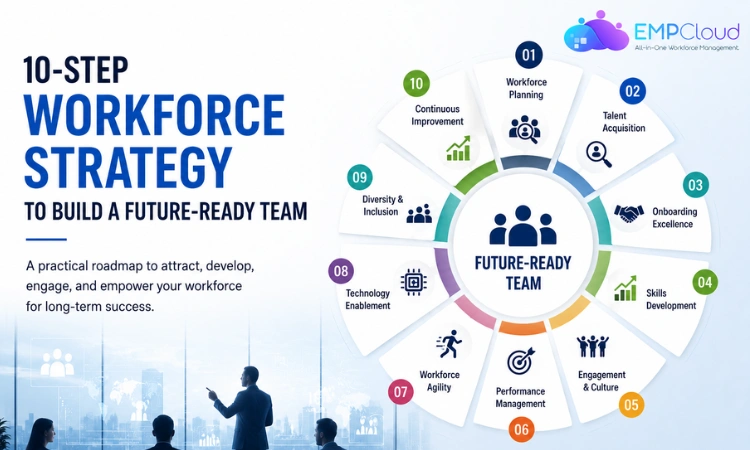
10-Step Workforce Strategy Framework
Step 1 – Align Workforce Strategy with Business Goals
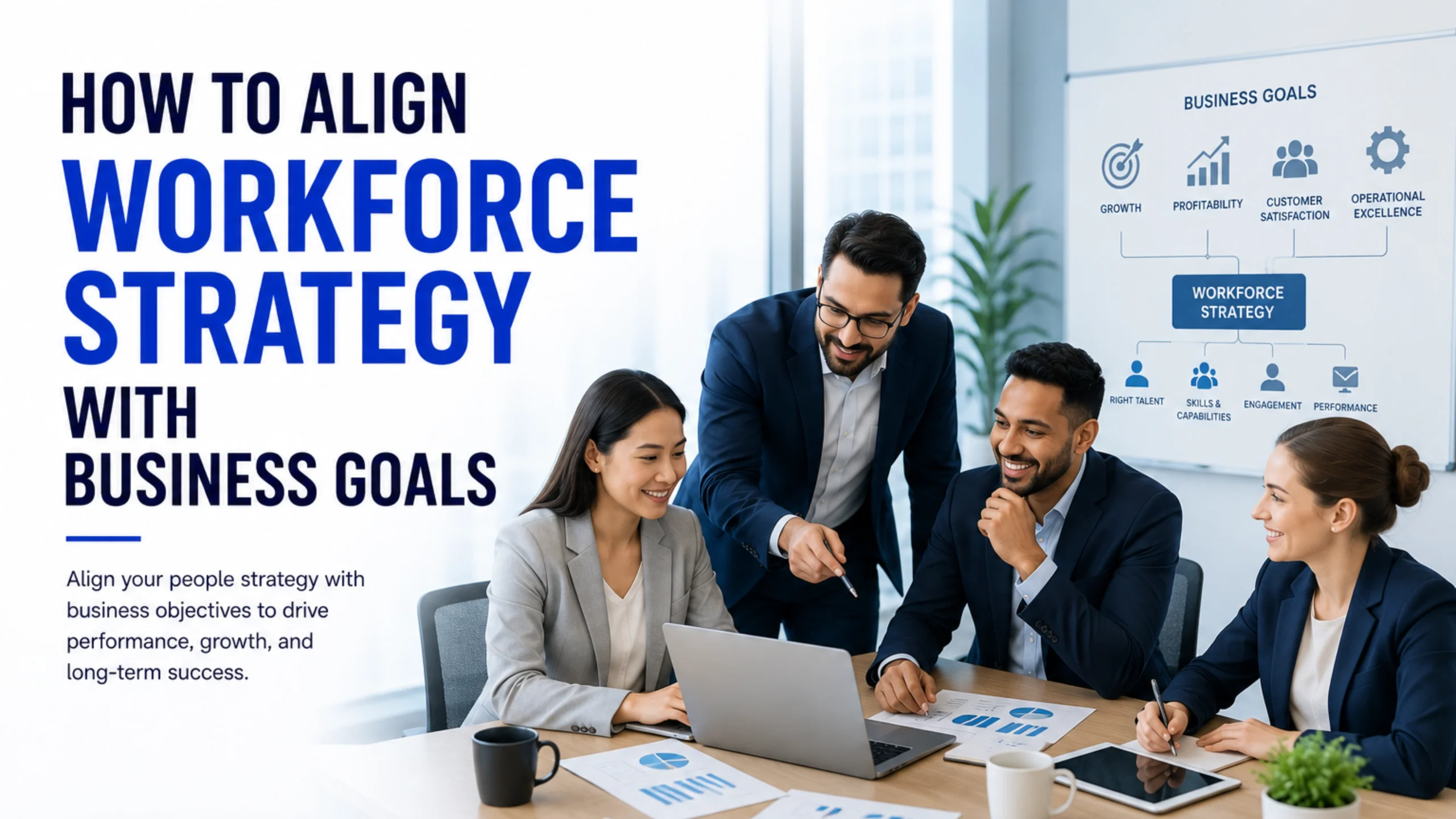
Every effective workforce strategy starts with a simple question: Where is the business going?
Your people strategy must be a direct expression of your business strategy. If your company plans to expand into new markets, you need to ask: Do we have the language skills, cultural knowledge, and regional expertise required? If you’re investing heavily in AI-powered products, do you have the data engineers and ML specialists to build them?
How to do it:
Bring HR leaders into strategic planning sessions. Map each major business objective to a talent requirement. Define what “workforce success” looks like for the next 12, 24, and 36 months. When talent decisions are grounded in business outcomes, they carry far greater weight and budget.
Step 2 – Analyze Your Current Workforce (Data-Driven Insights)
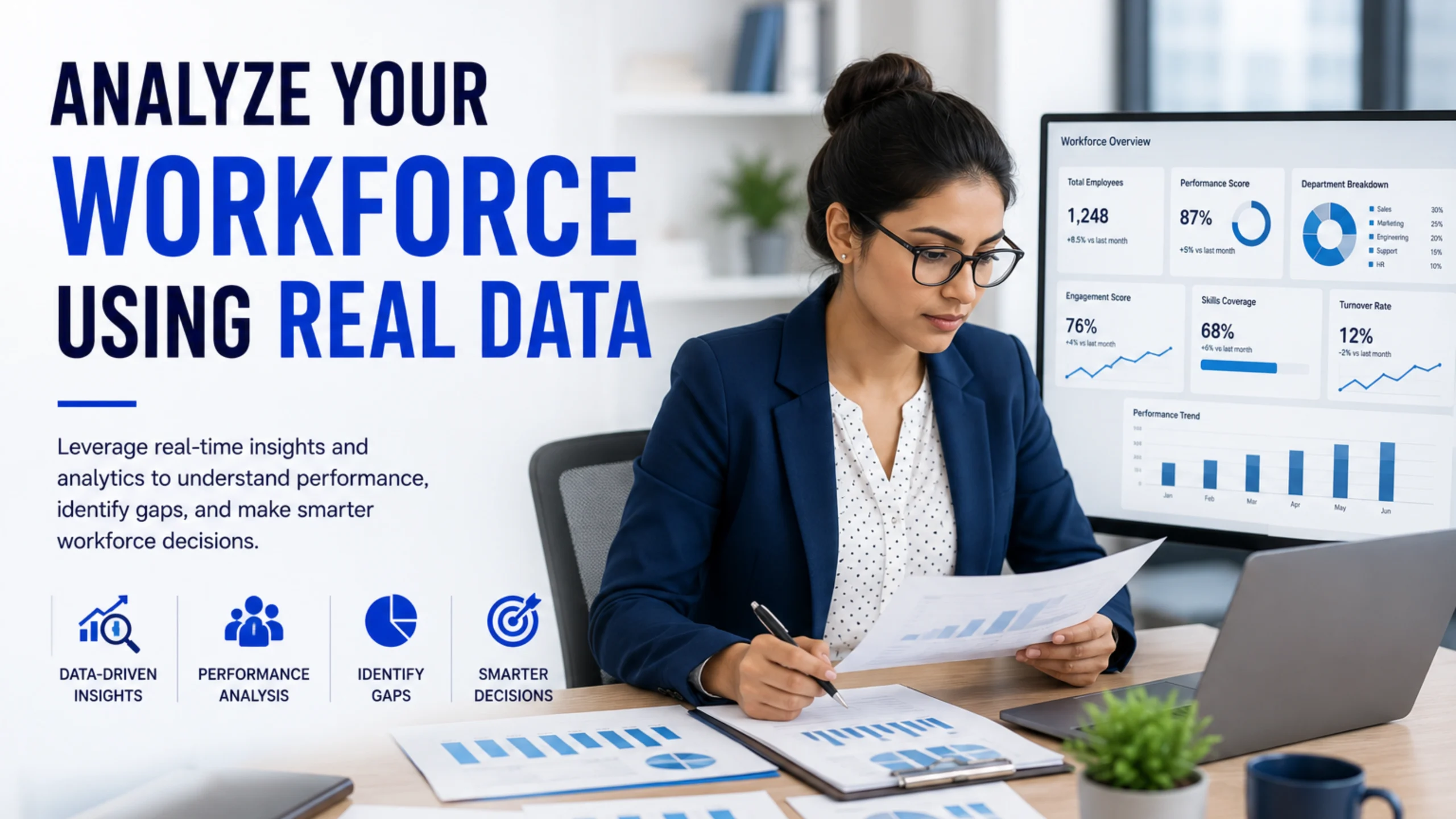
You can’t plan for the future without a clear picture of the present. A thorough current-state analysis gives you the baseline from which all strategy flows.
This means going beyond headcount. Examine performance distribution. Where are your high performers concentrated? Where are the gaps? Look at tenure, age distribution, turnover rates by department, and how current roles map to the work that actually needs to get done.
Workforce analytics tools like Workday, Visier, or even well-structured HRIS dashboards can surface insights that traditional spreadsheets miss. Look for patterns: high attrition in specific teams, skills concentrated in a small group of people (a key-person risk), or roles that consistently take longer to fill.
This data becomes the foundation for every strategic decision that follows.
Step 3 – Conduct a Skills Gap Analysis
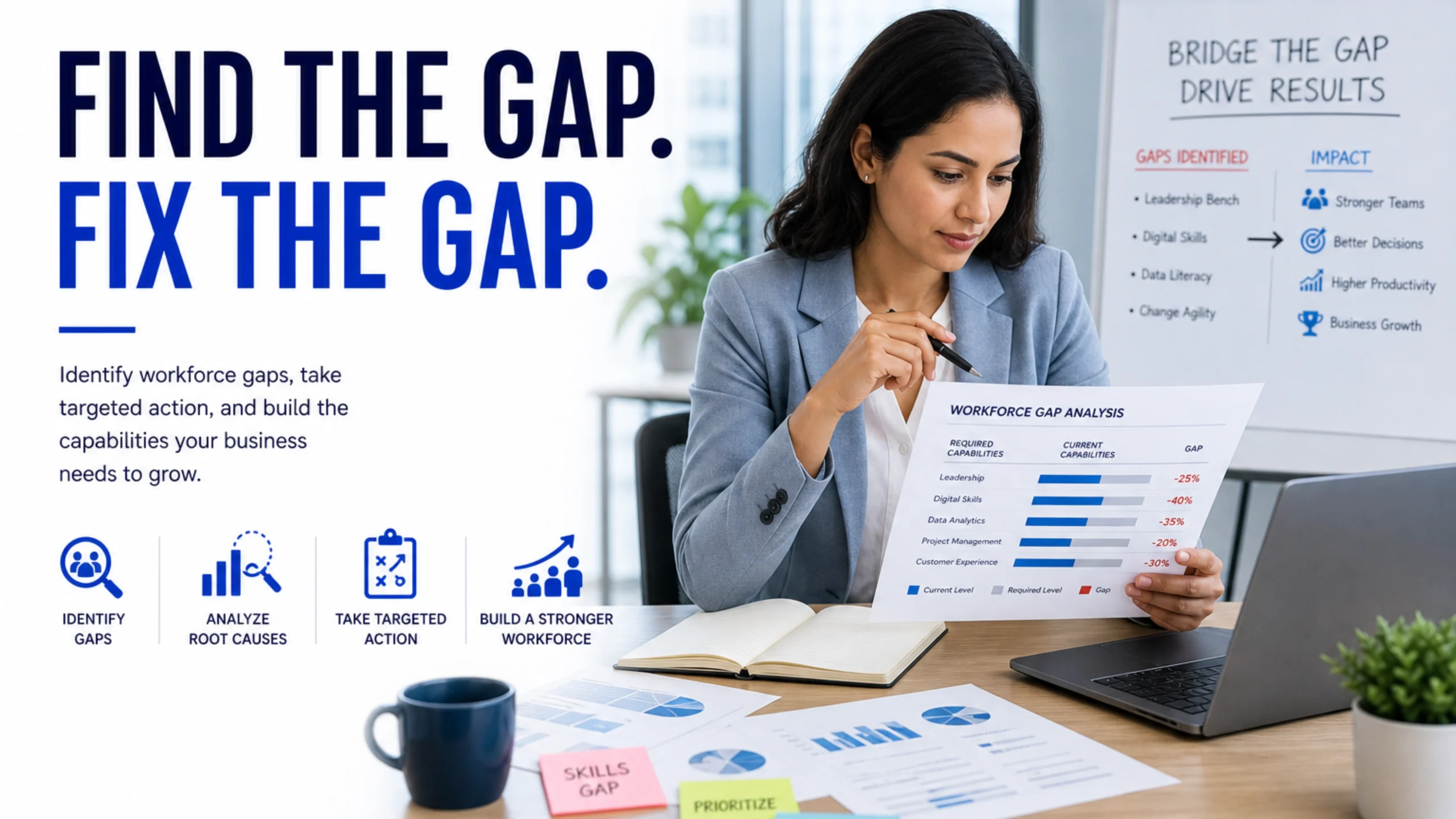
A skills gap analysis identifies the difference between the skills your workforce currently possesses and the skills your business will require in the future. It’s one of the most valuable and most underused tools in strategic workforce planning.
How to approach it:
Start by defining the skills required for each role in your future-state organization. Use input from department heads, industry benchmarks, and trend data. Then assess your current workforce against those requirements, through performance reviews, self-assessments, manager evaluations, or skills-testing platforms.
In 2026, pay particular attention to AI literacy, data fluency, and digital collaboration skills. These are emerging as baseline requirements across industries, not just in tech. At the same time, uniquely human skills, critical thinking, emotional intelligence, and complex problem-solving are becoming more valuable precisely because AI can’t replicate them.
The output of your gap analysis should be a clear map of where you’re strong, where you’re vulnerable, and where you need to invest.
Step 4 – Implement Strategic Workforce Planning
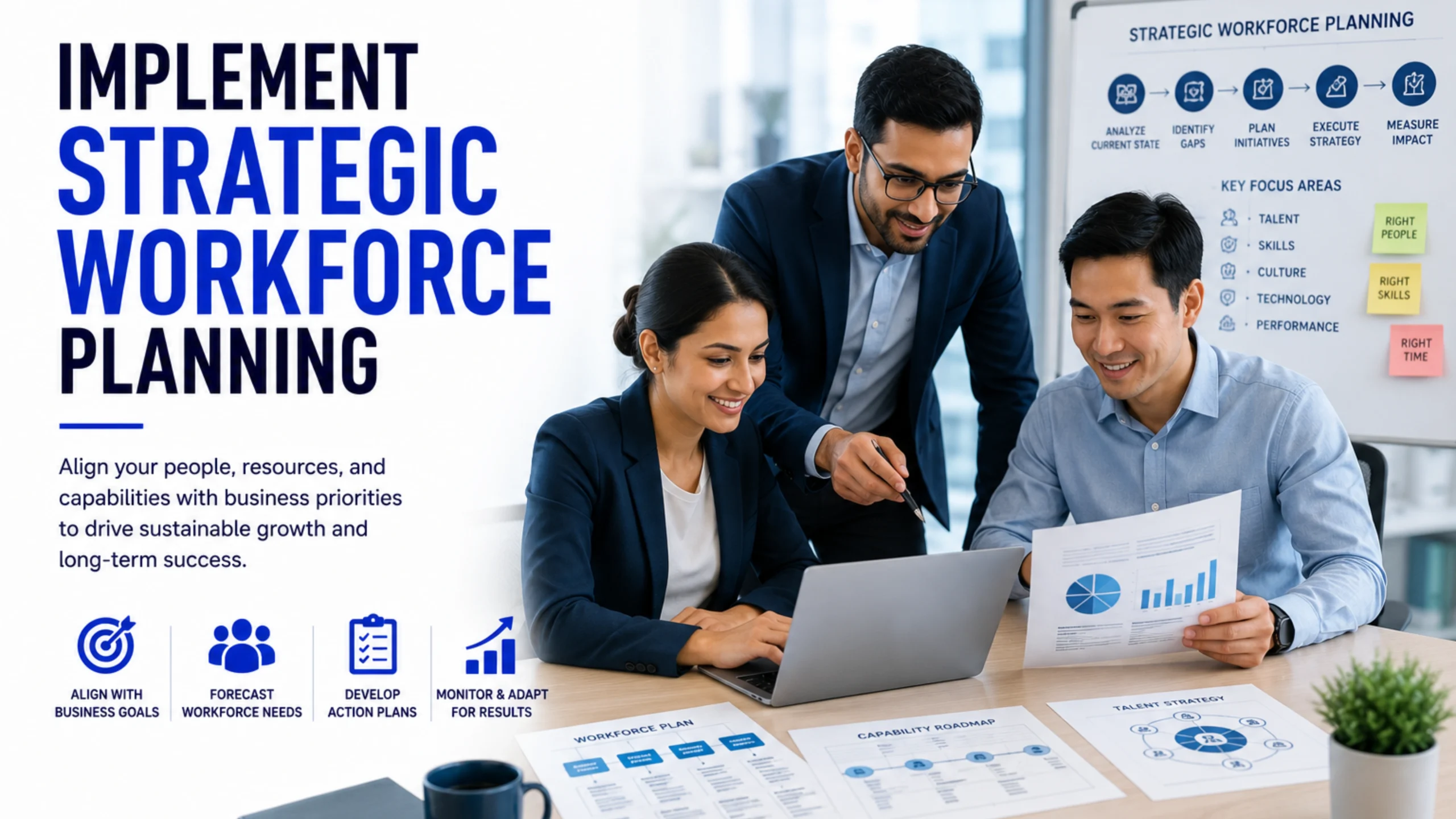
With your gap analysis complete, you can move into active strategic workforce planning, the process of determining how, when, and where to address talent needs.
Workforce demand forecasting uses business growth projections, operational plans, and market trends to estimate how many people you’ll need, and with what skills, over a defined planning horizon.
Scenario planning takes this a step further by modeling multiple futures. What happens to your talent needs if revenue grows 20%? What if you acquire a competitor? What if a major market shifts? Building three or four plausible scenarios gives decision-makers the flexibility to respond quickly rather than react slowly.
Effective workforce planning also considers the sources of talent: Will you hire externally? Develop internally? Automate? Outsource? The best answers depend on cost, timeline, and strategic importance.
Step 5 – Build a Strong Talent Pipeline Strategy
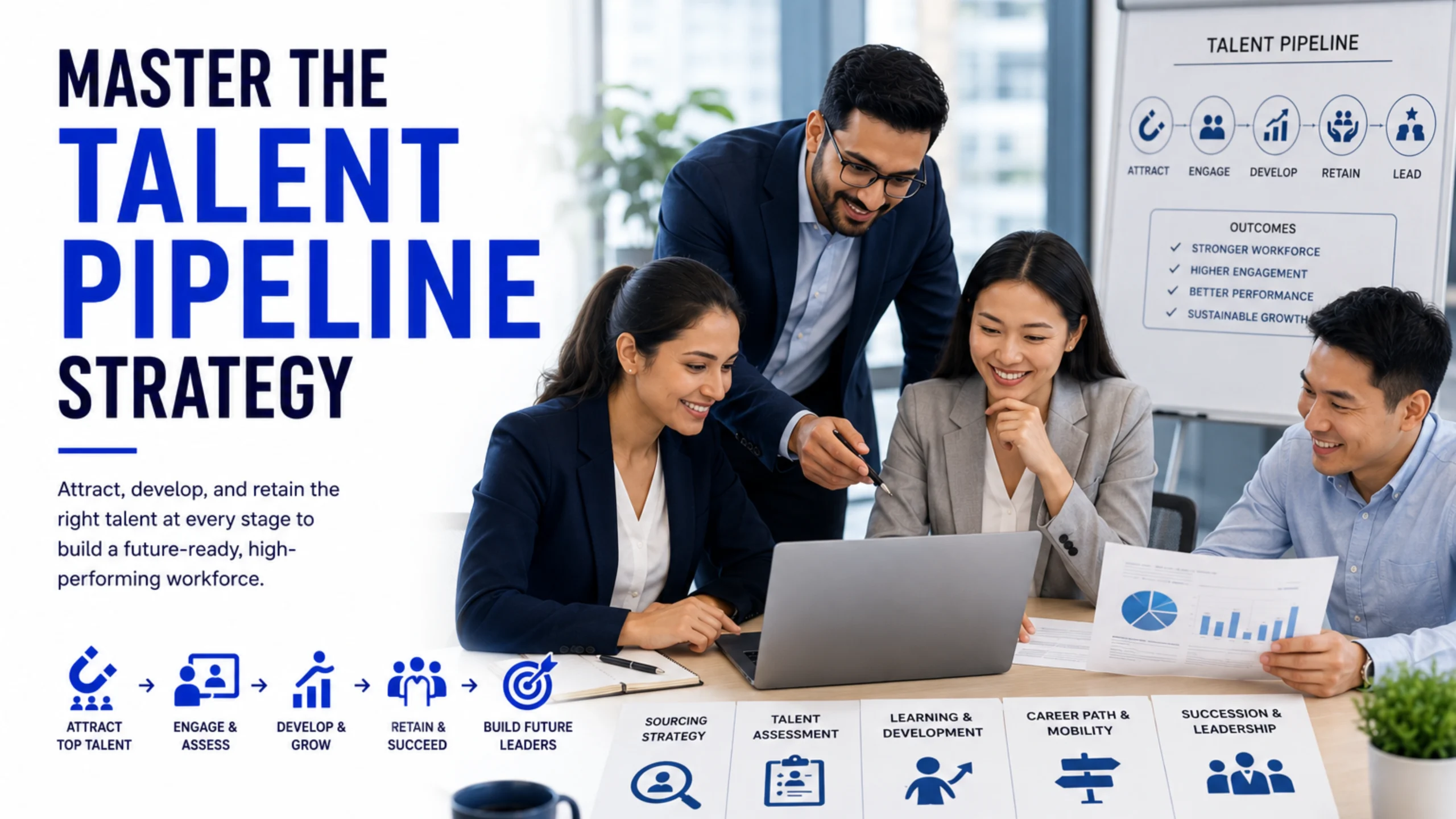
The best organizations don’t hire when they’re desperate; they hire from a pipeline they’ve been building continuously.
Internal vs. external hiring: Internal mobility is often overlooked but is one of the most cost-effective talent strategies available. Employees who see clear paths for growth are significantly more likely to stay. Building a culture of internal hiring also preserves institutional knowledge and accelerates time-to-productivity.
Succession planning ensures that critical roles, especially leadership positions, always have ready successors in development. This reduces disruption and protects business continuity during transitions.
For external talent, build relationships with universities, bootcamps, professional communities, and alumni networks before you have a vacancy to fill. A warm pipeline moves far faster than cold outreach.
Step 6 – Adopt a Flexible Workforce Management Strategy
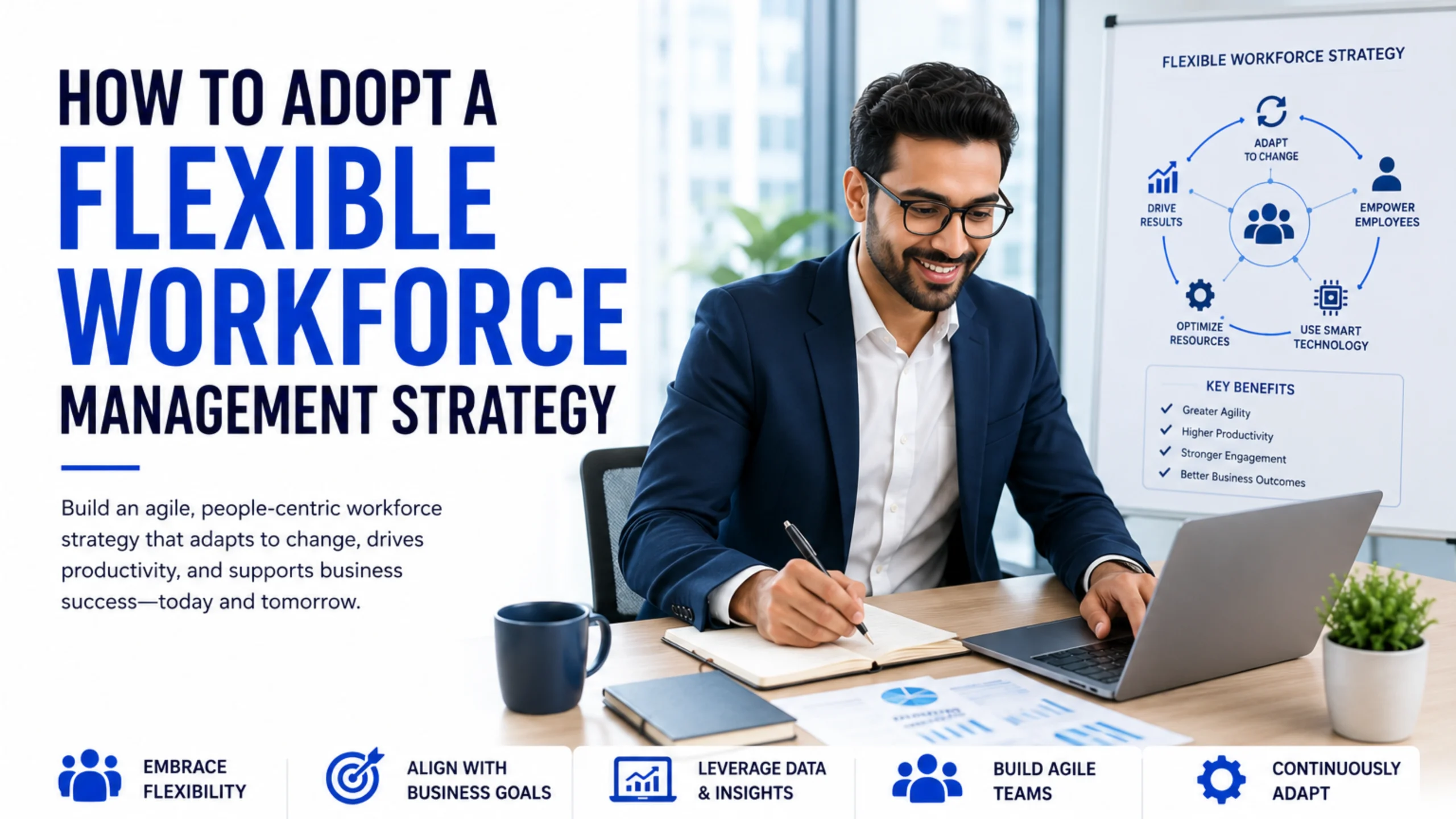
The rigid 9-to-5, office-bound, full-time-only workforce model is a relic. A modern workforce management strategy embraces flexibility as a feature, not a concession.
Remote and hybrid work models have proven that location is often not a constraint on productivity, and that restricting flexibility can significantly limit your talent pool. Many of the most highly skilled professionals today will simply not consider roles that don’t offer meaningful flexibility.
Gig economy integration is another lever. For specialized, project-based, or seasonal needs, contract and freelance workers can provide exactly the skills you need, exactly when you need them, without the long-term overhead of permanent headcount. Platforms like Toptal, Upwork, and industry-specific marketplaces have made this kind of workforce composability more accessible than ever.
The key is building the management infrastructure, clear communication norms, outcome-based performance metrics, and digital collaboration tools to make flexible models work effectively.
Step 7 – Integrate Diversity, Equity & Inclusion (DEI)
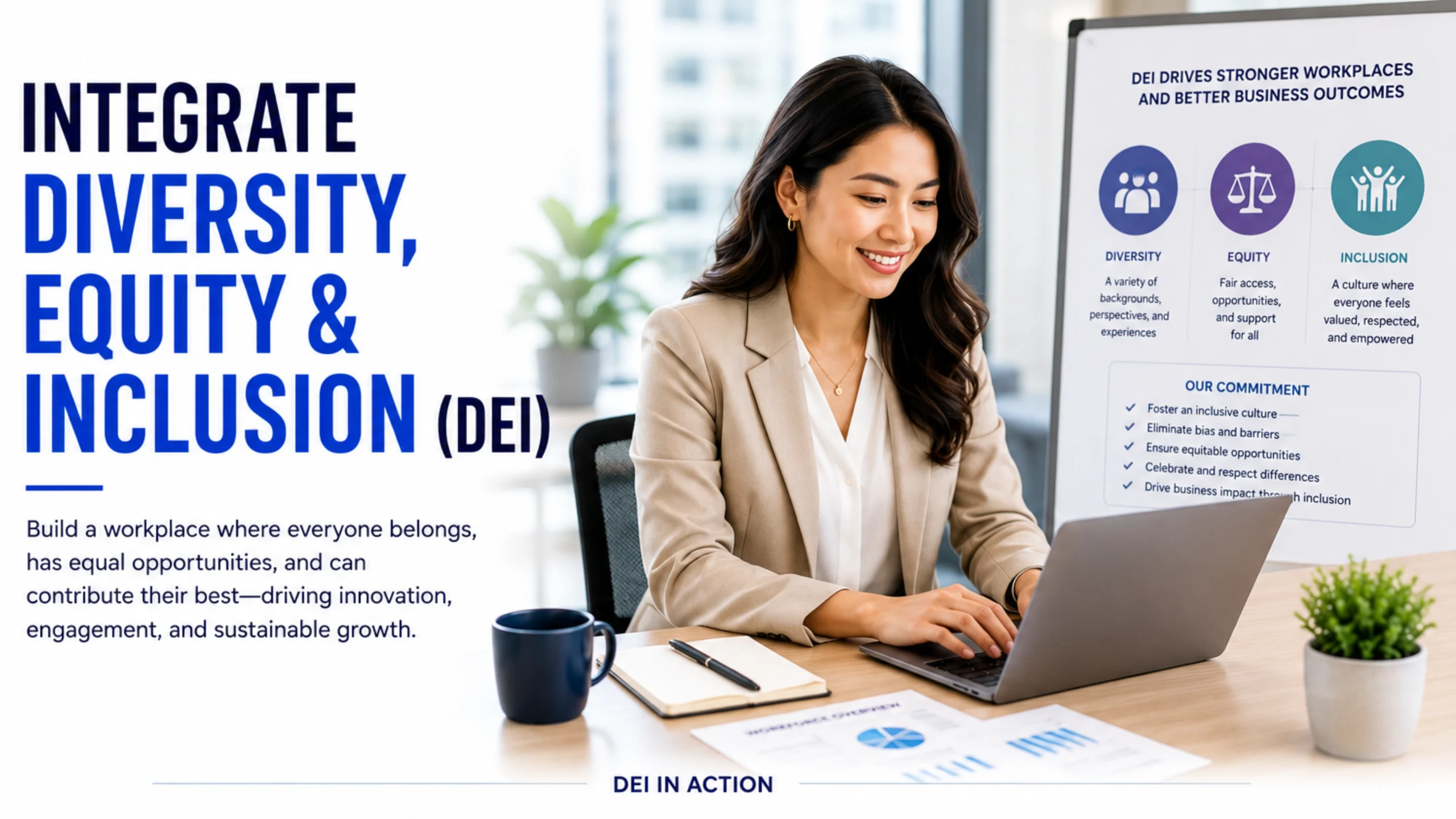
DEI is not a checkbox or a PR exercise. It is a strategic advantage.
Research consistently shows that diverse teams make better decisions, solve problems more creatively, and serve diverse customer bases more effectively. Companies in the top quartile for ethnic and cultural diversity are measurably more likely to achieve above-average profitability than their peers.
Building inclusion into your workforce strategy means:
Examining your hiring funnel for bias in job descriptions, screening criteria, interview processes, and offer decisions. Setting measurable representation goals and tracking progress over time. Creating equitable pathways for advancement that don’t disadvantage any group. Building psychological safety so that diverse voices are actually heard, not just present.
DEI also extends to the inclusion of different working styles, neurodiversity, and life circumstances, recognizing that a truly inclusive workplace benefits everyone.
Step 8 – Invest in Upskilling and Reskilling Programs
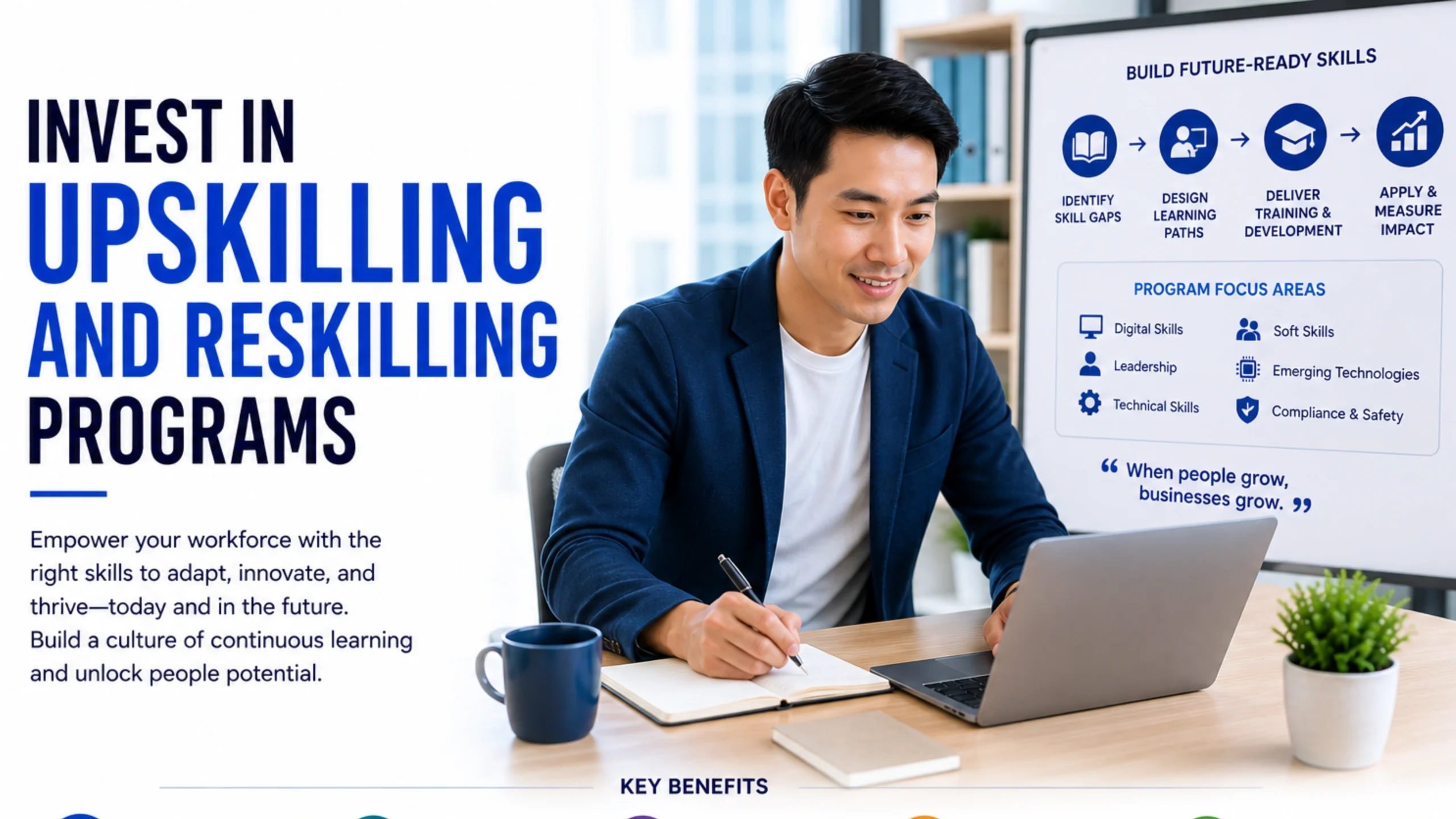
The half-life of skills is shrinking. Capabilities that were cutting-edge three years ago are becoming commoditized or automated. Organizations that rely solely on external hiring to acquire new skills will always be playing catch-up.
Upskilling, deepening expertise in existing domains, and reskilling, preparing employees for entirely different roles, are both essential tools.
Building a continuous learning culture means making development a core part of the employee experience, not an annual event. This looks like learning paths embedded in career progression, manager-led coaching conversations, access to online learning platforms (LinkedIn Learning, Coursera, internal LMS), and dedicated time for professional development.
AI is also changing the nature of learning delivery itself. Personalized, adaptive learning tools can now identify individual skill gaps and serve targeted content, dramatically improving the efficiency and impact of development programs.
The business case is compelling: it’s almost always cheaper to develop an existing employee than to source, hire, and onboard a new one.
Step 9 – Improve Employee Engagement and Culture
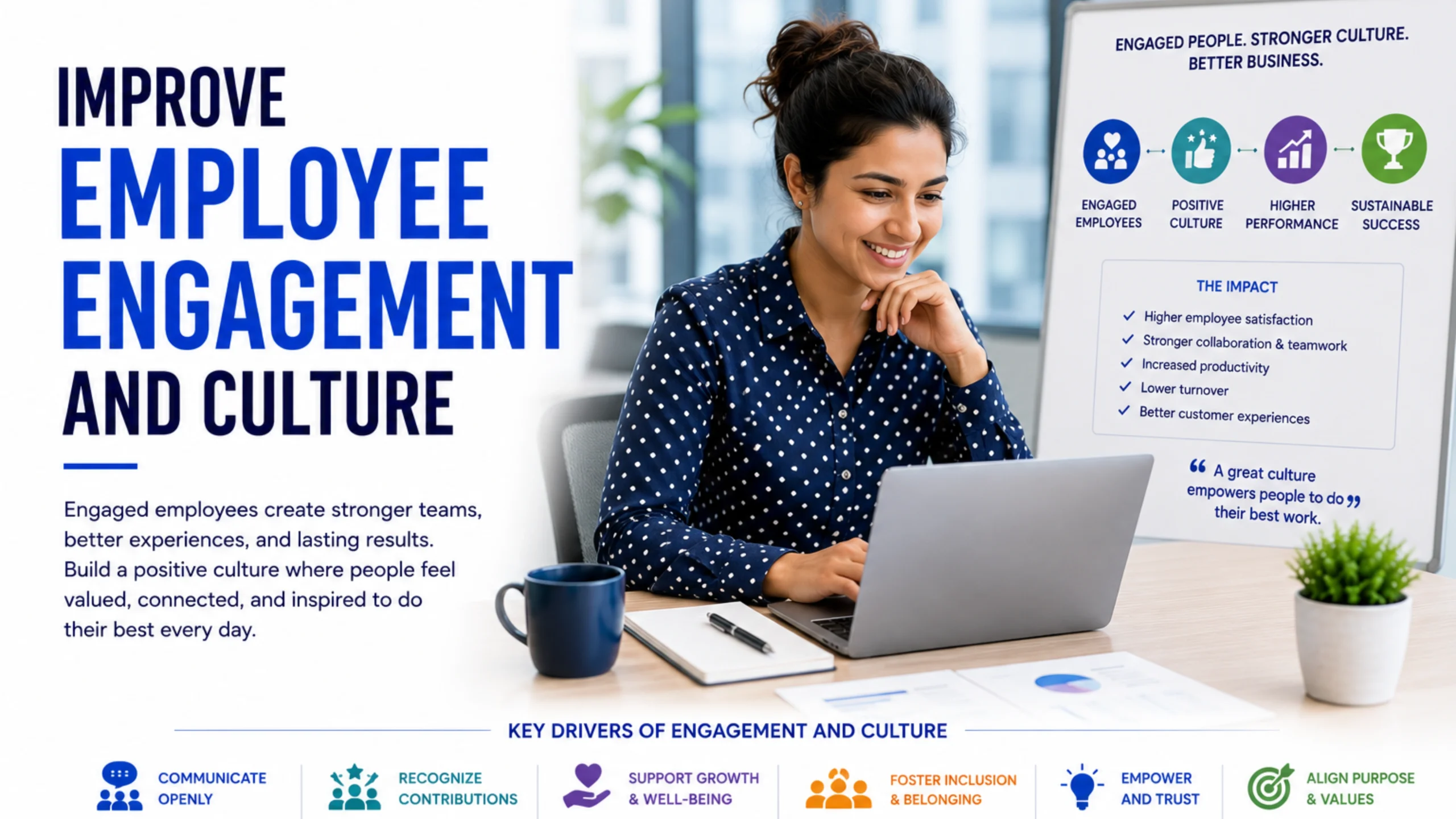
Talent strategy isn’t just about finding people, it’s about keeping them. And retention is fundamentally a function of engagement, culture, and leadership.
Engaged employees are more productive, more innovative, and significantly less likely to leave. Disengaged employees, on the other hand, actively drain performance and can erode team culture over time.
Key drivers of engagement include: meaningful work that connects to organizational purpose, managers who communicate clearly and invest in their team’s development, recognition that feels genuine and timely, and a culture where feedback flows in both directions.
Retention strategies that move the needle include structured career conversations (not just annual reviews), competitive but transparent compensation, flexible working arrangements, and a genuine commitment to employee wellbeing. Psychological safety, the belief that you can speak up, take risks, and make mistakes without fear, is increasingly recognized as a core driver of both engagement and performance.
Step 10 – Track Workforce Strategy KPIs and Optimize Continuously
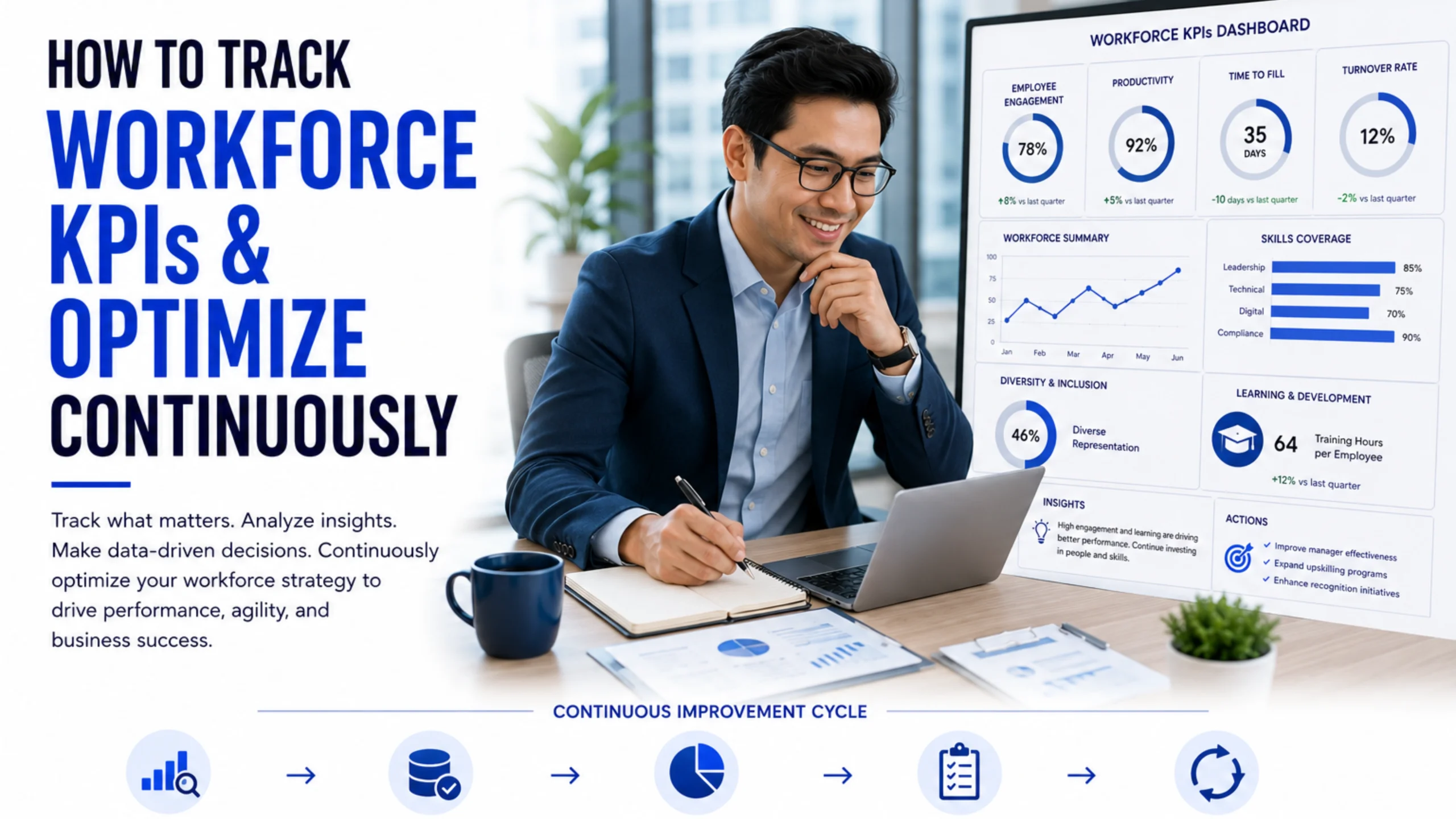
A workforce strategy without measurement is just a plan. The final step is building the feedback loop that turns your strategy into a living, improving system.
Key workforce metrics to track:
- Time to fill, how long it takes to fill open roles
- Quality of hire, performance, and retention rates of new hires
- Internal mobility rate: how frequently employees move into new roles internally
- Turnover rate (voluntary and involuntary)
- Skills coverage ratio, the degree to which required skills are present in your workforce
- Training completion and impact, learning program engagement, and post-training performance change
- Employee engagement scores, from pulse surveys or annual engagement studies
- DEI metrics, representation at all levels, pay equity, promotion rates by demographic
Review these metrics on a regular cadence, quarterly at minimum. Use them to identify what’s working, where gaps are widening, and where course corrections are needed. The organizations that treat workforce strategy as an ongoing process, not a one-time project schedule, are the ones that stay consistently ahead.
Top Workforce Strategy Trends Shaping the Future of Work (2026)
AI and automation are fundamentally restructuring work. Routine cognitive tasks are increasingly handled by machines, while human roles evolve toward oversight, judgment, creativity, and relationship-building. Smart workforce strategies anticipate this shift and prepare employees to work with AI, not be replaced by it.
Skills-first hiring is displacing credential-based hiring across sectors. More organizations are dropping degree requirements in favor of demonstrated competencies, opening talent pools that were previously overlooked and improving diversity of thought.
Hybrid workforce models have stabilized into a permanent feature of work. The most effective organizations have moved past debating whether hybrid work and are now focused on mastering it, designing for both presence and distributed collaboration.
Workforce wellbeing has moved from a benefits discussion to a strategic priority. Companies that invest in mental health support, flexible scheduling, and sustainable workload management are seeing measurable returns in employee engagement and retention.
Best Tools for Workforce Management and Planning
To successfully execute a workforce strategy, businesses need the right tools. EmpCloud is a modern workforce management platform that helps companies track employee activity, manage teams, and improve productivity in real time. It simplifies workforce planning strategy by giving complete visibility and control over your workforce.
Key Features of EmpCloud
Time Tracking: Track employee work hours and activities to improve productivity and accountability.
Geo-Location Tracking: Monitor field employees in real-time and manage remote or on-site teams efficiently.
Task Management: Assign tasks, track progress, and ensure work is completed on time.
Client Management: Manage client data and interactions from a centralized dashboard.
Productivity Tracking: Get real-time insights into employee performance and identify top performers.
Project Management: Plan and manage projects with better visibility and resource allocation.
Data Loss Prevention: Protect sensitive business data with advanced security and monitoring.
Report Generation: Generate detailed reports to make better workforce and business decisions.
Real-World Workforce Strategy Examples
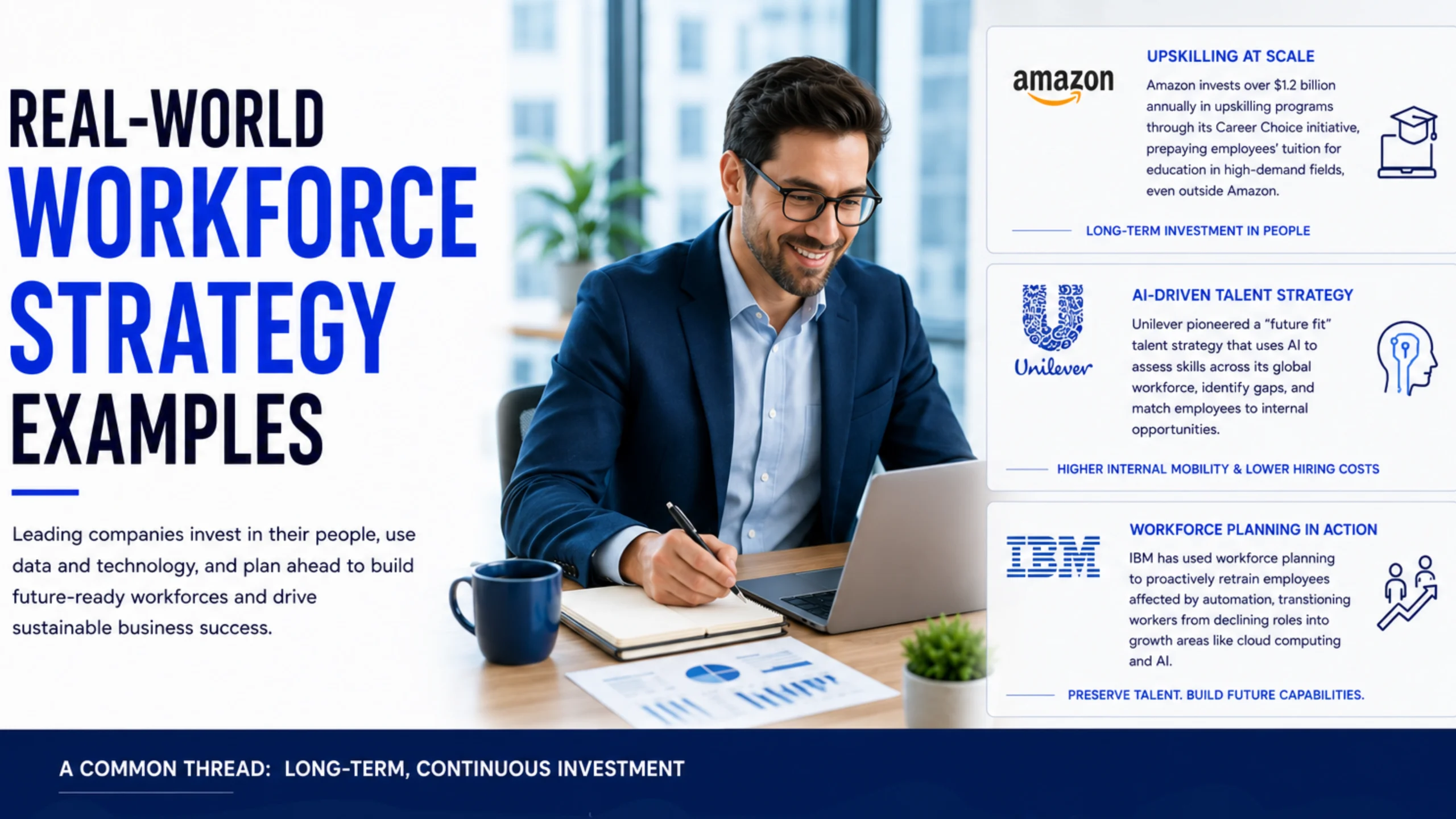
Amazon invests over $1.2 billion annually in upskilling programs through its Career Choice initiative, prepaying employees’ tuition for education in high-demand fields, even outside Amazon. This reflects a long-term view of workforce development as a strategic investment.
Unilever pioneered a “future fit” talent strategy that uses AI to assess skills across its global workforce, identify gaps, and match employees to internal opportunities. The result has been significantly higher internal mobility and reduced external hiring costs.
IBM has used workforce planning to proactively retrain employees affected by automation, transitioning workers from declining roles into growth areas like cloud computing and AI, preserving institutional knowledge while staying ahead of skill-demand shifts.
These examples share a common thread: treating workforce strategy as a long-term, continuous investment rather than a tactical response to immediate needs.
Common Workforce Strategy Mistakes to Avoid
Relying on gut feel over data. Workforce decisions made without solid analytics are often expensive and slow to correct. Invest in the data infrastructure that enables evidence-based decisions.
Planning in isolation. HR strategies developed without input from business leaders rarely align with actual operational needs. Workforce planning must be a cross-functional exercise.
Neglecting the employee experience. A strategy that focuses only on acquiring talent without investing in retention will always face a leaky bucket problem. Engagement and culture are not soft; they’re strategic.
Short-termism. Workforce strategy requires a multi-year horizon. Organizations that plan only for immediate vacancies consistently find themselves behind the curve on capability and capacity.
Treating DEI as an afterthought. Diversity and inclusion aren’t boxes to check; they’re embedded in every element of effective workforce strategy, from sourcing to promotion to culture.
How to Build a Future-Ready Workforce Strategy (Quick Checklist)
- Align talent priorities with your 3-year business strategy
- Conduct a current-state workforce analysis using real data
- Map skills gaps across all critical functions
- Build a rolling workforce demand forecast
- Develop internal talent pipelines and succession plans
- Establish flexible workforce policies for remote, hybrid, and contract talent
- Embed DEI into hiring, promotion, and culture practices
- Launch structured upskilling and reskilling programs
- Measure employee engagement and act on the data
- Track workforce KPIs quarterly and iterate continuously
FAQs on Workforce Strategy
1. What is the difference between workforce strategy and workforce planning?
While often used interchangeably, workforce strategy is the long-term vision (the “what” and “why”) that aligns talent with business goals. Workforce planning is the operational blueprint (the “how” and “when”) that handles the tactical details like headcount, scheduling, and immediate hiring needs.
2. Why is strategic workforce planning critical in 2026?
In 2026, the rapid integration of AI and automation has made traditional hiring obsolete. Organizations need a strategic approach to navigate talent scarcities in tech, manage the complexities of permanent hybrid work models, and proactively reskill employees before their current roles are automated.
3. How do you conduct a skills gap analysis for a hybrid team?
A skills gap analysis involves comparing your team’s current competencies against the skills required to meet future business objectives. For hybrid teams, this includes assessing “soft” digital skills like asynchronous communication, virtual collaboration, and AI literacy, alongside core technical requirements.
4. What are the best KPIs to measure workforce strategy success?
To track the effectiveness of your people strategy, focus on these key metrics:
-
Quality of Hire: Performance and retention rates of new employees.
-
Internal Mobility Rate: How often roles are filled by existing staff.
-
Skills Coverage Ratio: The percentage of required future-state skills currently present in your workforce.
-
Employee Engagement Score: Overall sentiment and productivity levels.
Building a future-ready workforce isn’t a one-time initiative; it’s an ongoing strategic commitment. Organizations that make this investment consistently outperform those that don’t, in productivity, innovation, and long-term resilience.
Quick Search Our Blogs
Type in keywords and get instant access to related blog posts.