Hit ‘Play’ Button & Tune Into The Blog!
What Is Staffing And Scheduling?
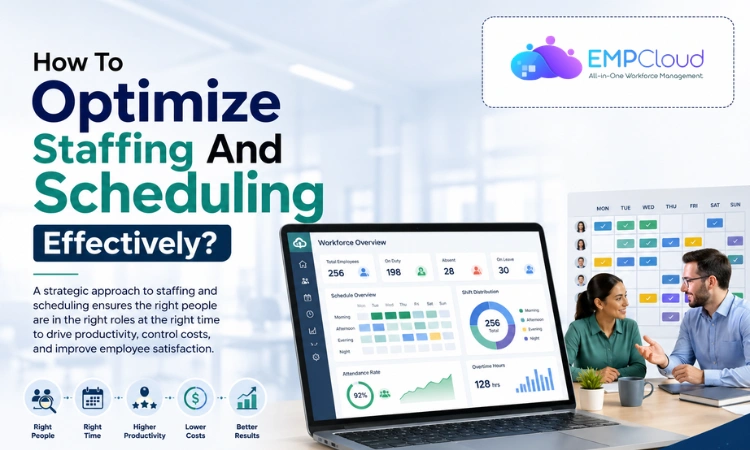
Staffing refers to identifying workforce needs, recruiting qualified employees, and allocating qualified employees to appropriate roles. Scheduling focuses on organizing shifts, managing work hours, and ensuring consistent operational coverage.
Together, these processes create a structured workforce management framework that aligns human resources with business objectives. Organizations that treat this process strategically build stronger teams and more predictable outcomes.
Why Staffing And Scheduling Matters More Than Ever
In a competitive business environment, workforce optimization directly affects profitability and service quality. Poor staffing and scheduling results in missed deadlines, overtime costs, and employee burnout.
Effective staffing and scheduling helps organizations:
- Maintain optimal coverage
- Control labor costs
- Improve customer satisfaction
- Reduce absenteeism
- Increase employee engagement
When companies implement a structured workforce strategy, they create operational clarity and eliminate unnecessary chaos.
What Are The Core Components Of Staffing And Scheduling?
To build an efficient workforce structure, organizations must understand the key elements of effective workforce management.
Workforce Planning:
Workforce planning involves forecasting demand and determining the number of employees required at specific times. Historical data, seasonal patterns, and an accurate attendance sheet guide better staffing and scheduling decisions.
Recruitment and Role Allocation:
Hiring the right talent ensures smooth workforce operations. Skill-based allocation improves performance and reduces role mismatches.
Shift Management:
Shift assignment forms the backbone of workforce planning. Managers must consider availability, skills, compliance regulations, and workload balance.
Attendance and Performance Monitoring:
Monitoring work hours and productivity ensures workforce accountability. Integration with time and attendance systems enhances transparency.
Continuous Optimization:
Markets change rapidly. Organizations must regularly review workforce planning strategies to adapt to evolving demands.
The Direct Impact Of Staffing And Scheduling On Productivity

Productivity depends heavily on how managers distribute tasks and shifts. Efficient staffing and scheduling eliminates workflow gaps, supports talent acquisition, and prevents overburdening employees.
When staffing and scheduling aligns with demand:
- Employees stay focused
- Overtime reduces
- Teams collaborate better
- Service delivery improves
Businesses that refine workforce planning gain a measurable performance advantage.
What Are The Common Challenges In Staffing And Scheduling?
Even experienced managers encounter obstacles when managing shift planning.
Demand Fluctuations:
Unexpected demand spikes create workforce pressure. Flexible staffing and scheduling strategies solve this issue.
Employee Availability Conflicts:
Balancing shift preferences and business needs complicates shift planning.
Compliance Requirements:
Labor laws mandate proper shift distribution, overtime limits, and documentation. Organizations must ensure workforce planning complies with regulations.
High Turnover:
Frequent hiring disrupts workforce balance and impacts staffing and scheduling stability.
Addressing these challenges requires strategic planning and the right technology.
Also Read:
How To Build A Winning Talent Acquisition Strategy?
What Makes an Attendance Sheet the Ultimate Productivity Tool?
The Role Of Technology In Staffing And Scheduling
Digital tools have transformed workforce operations. Businesses no longer rely solely on spreadsheets or manual tracking. Automation improves accuracy and efficiency.
Modern employee scheduling software simplifies shift creation, availability tracking, and workforce communication.
Integrated workforce platforms further enhance operations by combining time tracking, attendance management, productivity monitoring, and reporting within a single system.
For example, EmpCloud provides a unified workforce management solution that strengthens staffing and scheduling through intelligent time tracking, automated timesheets, live location tracking, and centralized reporting. Instead of managing separate tools for HR, attendance, and task allocation, managers gain a single dashboard that delivers complete workforce visibility. This integration allows faster decisions and reduces administrative workload.
Technology-driven workforce management eliminates guesswork and supports proactive planning.
How Does Integrating Time Tracking With Staffing And Scheduling Improve Operations?
Accurate work-hour monitoring plays a critical role in improving workforce efficiency and operational control. When businesses integrate attendance tracking with workforce planning systems, they reduce payroll errors, improve transparency, and ensure employees are scheduled fairly based on actual availability and hours worked.
A structured time and attendance system, combined with software for staffing teams, helps organizations make smarter decisions while saving administrative time.
Key Benefits Of Integration
Work-Hour Accuracy:
Automated time tracking records clock-ins, clock-outs, and break times precisely. This reduces manual entry mistakes and ensures employees are paid correctly for the hours they actually work.
Overtime Control:
Integrated systems help managers monitor overtime in real time. Businesses can identify when employees are approaching overtime limits and adjust schedules early to control labor costs.
Compliance Adherence:
Labor laws often require accurate records of working hours, breaks, and overtime. Combining time tracking with staffing and scheduling helps maintain proper documentation and reduces compliance risks.
Performance Evaluation:
Attendance trends, punctuality, and productivity data provide managers with useful insights during employee performance reviews. This creates a fairer and more objective evaluation process.
Better Workforce Planning:
Historical attendance and scheduling data help predict future staffing needs. Managers can schedule the right number of employees during busy and slow periods.
Reduced Administrative Work:
Automation eliminates repetitive manual tasks such as updating spreadsheets, correcting timesheets, or reconciling schedules, allowing HR and managers to focus on strategic priorities.
Overall, integrating time tracking with staffing and scheduling creates a more accurate, efficient, and trustworthy workplace for both management and employees.
How EmpCloud Elevates Staffing And Scheduling?
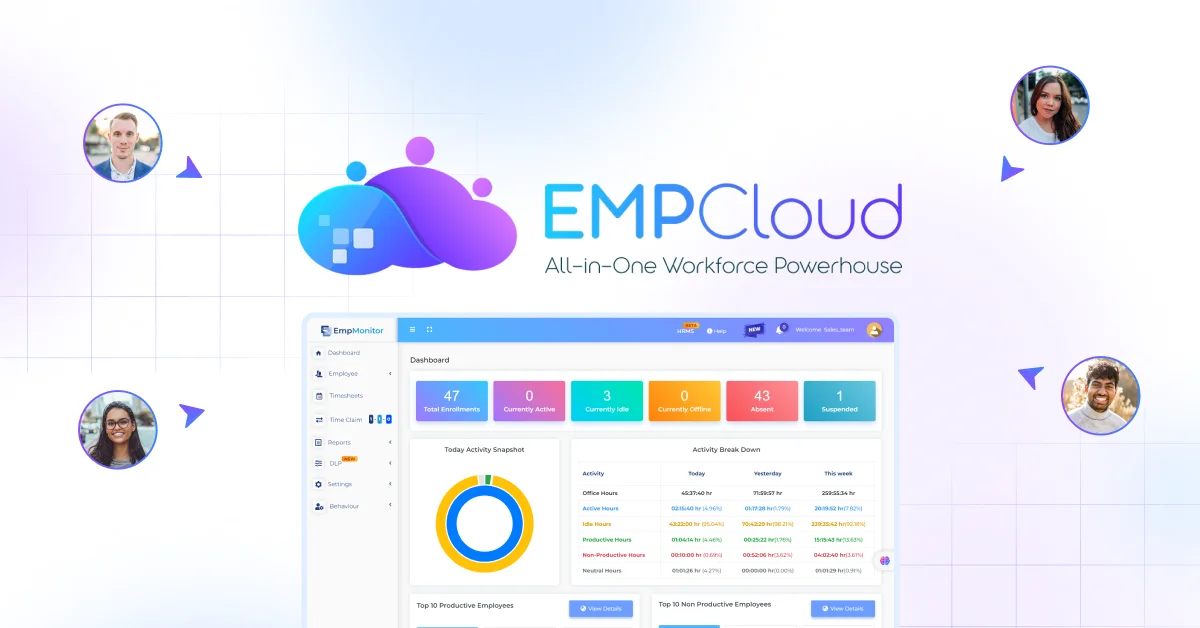
Organizations seeking advanced workforce control require more than basic tools. EmpCloud offers a comprehensive platform that enhances staffing and scheduling through unified management, real-time monitoring, and HR-centric automation.
Unified Workforce Dashboard:
EmpCloud centralizes workforce data into one intelligent dashboard. Managers can view attendance, time sheets, live location tracking, and task allocation in real time.
This unified visibility strengthens staffing and scheduling decisions by providing actionable insights into employee availability and performance.
Advanced Time Tracking and Automated Timesheets:
Precise time tracking supports accurate staffing and scheduling. EmpCloud monitors work hours and activities with automated timesheets that reduce administrative burden.
Managers can:
- Track daily work hours
- Monitor attendance trends
- Identify overtime patterns
- Improve payroll accuracy
This capability ensures efficient workforce allocation while maintaining transparency.
Geo-Location Tracking for Field Teams:
For organizations managing remote or field employees, staffing and scheduling becomes complex. EmpCloud’s geo-location tracking enables managers to monitor team locations in real time.
This feature enhances:
- Field team accountability
- Task optimization
- Service efficiency
- Route planning
Real-time tracking improves operational coordination and supports dynamic staffing and scheduling adjustments.
Task and Project Management Integration:
Workforce allocation must align with project goals. EmpCloud allows managers to assign tasks, track progress, and oversee projects strategically.
By connecting task management with staffing and scheduling, organizations ensure resources align with deadlines and priorities.
HR-Centric Automation:
Efficient staffing and scheduling relies on structured HR processes. EmpCloud delivers powerful HR features that support recruitment, compliance, and workforce stability.
Key capabilities include:
- Face recognition attendance for secure contactless entry
- Leave and attendance tracking for accurate shift planning
- Policy and document management for compliance
- Employee request management for corrections and remote work
- Exit management for organized offboarding
- Automated payroll management for accurate salary processing
These features create a seamless employee lifecycle experience.
Productivity Tracking and Report Generation:
Data-driven decisions strengthen staffing and scheduling. EmpCloud generates detailed reports that provide insights into productivity, attendance patterns, and project performance.
Managers can evaluate workforce trends and adjust staffing and scheduling strategies proactively.
Data Security and Protection:
Workforce systems manage sensitive information. EmpCloud includes advanced data loss prevention measures that safeguard business data and ensure compliance.
By combining security with operational efficiency, the platform strengthens overall workforce management.
How Does Staffing And Scheduling Influence Employee Satisfaction?
Employees value fairness, stability, and predictability in the workplace. Poor staffing and scheduling often leads to inconsistent shifts, last-minute changes, excessive workloads, and employee burnout. When schedules feel unfair or chaotic, morale and engagement quickly decline.
On the other hand, a structured staffing and scheduling process creates a more supportive and organized work environment that improves overall job satisfaction.
Balanced Workloads:
Proper staffing levels ensure work is distributed fairly across the team. Employees are less likely to feel overworked when responsibilities are shared evenly.
Clear Communication:
Well-planned schedules give employees advance notice of their shifts, making it easier to manage personal commitments and maintain work-life balance.
Reduced Stress:
Predictable schedules and adequate staffing reduce pressure during busy periods. Employees can focus on performing well instead of dealing with confusion or understaffing.
Higher Retention:
Satisfied employees are more likely to stay with organizations that respect their time and provide fair scheduling practices. Lower turnover also improves team stability.
Stronger Trust Between Managers And Teams:
Managers who prioritize transparency in staffing and scheduling build stronger employee relationships. Open communication and fair decision-making help create trust and long-term loyalty.
What Are The Financial Benefits Of Effective Staffing And Scheduling?
Labor expenses represent a major portion of operating costs for most businesses. Poor staffing and scheduling can lead to unnecessary overtime payments, idle labor, low productivity, and higher employee turnover. These inefficiencies directly impact profitability and long-term growth.
In contrast, optimized staffing and scheduling allows businesses to control labor costs while improving workforce performance.
Reduce Unnecessary Overtime:
Proper shift planning ensures enough employees are available during busy periods without overloading existing staff. This helps reduce costly overtime expenses.
Improve Workforce Productivity:
Scheduling the right employees at the right time increases efficiency. Teams can handle workloads smoothly without delays or underutilization.
Minimize Turnover Costs:
Fair and predictable schedules improve employee satisfaction, which lowers turnover. Reduced hiring, onboarding, and training costs create significant savings.
Increase Profitability:
Better labor allocation means businesses spend less while achieving stronger output and customer service results, leading to improved profit margins.
Support Smarter Budget Planning:
Accurate staffing forecasts help managers predict labor costs more effectively and make informed financial decisions.
Strategic workforce planning through effective staffing and scheduling creates measurable financial gains and stronger operational stability.
Best Practices For Successful Staffing And Scheduling
Organizations that excel in staffing and scheduling follow clear best practices.
Forecast Accurately:
Analyze historical data to predict demand and refine staffing and scheduling decisions.
Cross-Train Employees:
Multi-skilled employees improve flexibility in staffing and scheduling adjustments.
Use Data Analytics:
Performance insights guide smarter staffing and scheduling choices.
Encourage Communication:
Open dialogue reduces scheduling conflicts and improves trust.
Review and Improve:
Continuous evaluation strengthens staffing and scheduling efficiency.
The Future Of Staffing And Scheduling
The future of staffing and scheduling revolves around predictive analytics and AI-driven automation. Businesses increasingly rely on real-time data to refine workforce strategies.
Cloud-based systems provide remote access, mobile updates, and integrated dashboards. Companies that adopt intelligent tools will transform staffing and scheduling into a strategic advantage rather than an administrative task.
How Can You Measure The Success Of Staffing And Scheduling?
Tracking performance metrics ensures workforce alignment.
Organizations should monitor:
- Overtime hours
- Attendance rates
- Employee turnover
- Labor cost percentages
- Productivity levels
Regular analysis helps refine staffing and scheduling strategies and maintain continuous improvement.
Conclusion
Staffing and scheduling stands at the center of modern workforce management. Organizations that master staffing and scheduling build efficient operations, satisfied employees, and sustainable growth.
From recruitment and shift management to technology integration and analytics, every element contributes to effective staffing and scheduling. Platforms like EmpCloud further strengthen this process by unifying attendance tracking, productivity monitoring, task allocation, payroll management, and reporting into one powerful ecosystem.
Businesses that invest in structured staffing and scheduling gain clarity, control, and competitive advantage. By combining strategic planning with intelligent tools, organizations can create a workforce model that supports both operational excellence and employee well-being.
Effective staffing and scheduling does not happen by chance. It requires commitment, technology, and continuous optimization. Companies that prioritize it today will lead tomorrow’s workforce landscape.
FAQs
What tools can help improve staffing and scheduling?
Modern tools like workforce management software, employee scheduling apps, and time-tracking platforms simplify shift planning and increase efficiency.
How often should I review my workforce schedule?
It’s best to review schedules weekly or biweekly to adjust for absences, demand fluctuations, and project priorities.
Can part-time and remote employees be integrated into staffing schedules?
Yes, flexible scheduling systems allow managers to include part-time and remote staff seamlessly, ensuring coverage and workload balance.
What are the signs of poor staffing and scheduling?
Indicators include frequent overtime, missed deadlines, high absenteeism, employee burnout, and reduced customer satisfaction.
How can data analytics support staffing decisions?
Data analytics helps forecast demand, track productivity, and optimize shift allocation to reduce costs and improve operational efficiency.
Quick Search Our Blogs
Type in keywords and get instant access to related blog posts.