
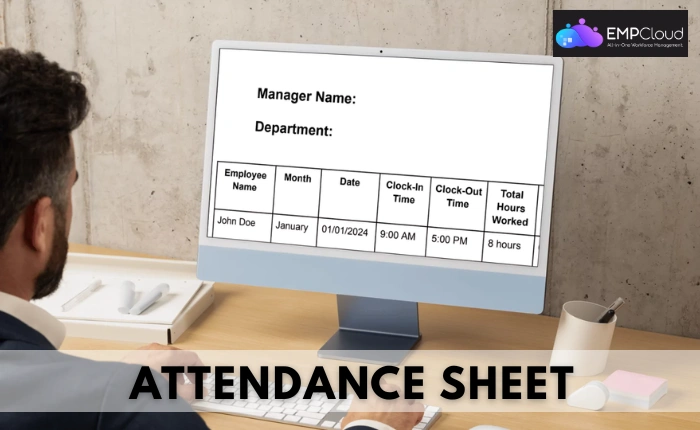
Workplace productivity depends on structure, accountability, and proper management of human resources. An attendance sheet forms the foundation of workforce oversight. It allows organizations to track employee presence, calculate payroll accurately, and manage scheduling effectively. Managers gain insights into absenteeism trends, punctuality, and overall workforce efficiency.
A well-maintained employee attendance sheet enhances transparency and builds trust between management and staff. Combined with attendance monitoring software, organizations can save time, reduce errors, and streamline HR processes. This blog explores the significance of attendance sheets, the types available, templates, best practices, and how platforms like EmpCloud simplify attendance management.
In a hurry? Listen to the blog instead!
Why Attendance Tracking Matters for Workplace Productivity?

Attendance tracking remains a core factor in workforce efficiency. Organizations that track attendance consistently enjoy smoother operations and improved employee accountability.
Role in Efficiency and Accountability
Tracking attendance ensures employees adhere to schedules, meet deadlines, and remain accountable for their work hours. An employee attendance sheet provides managers with data to monitor trends, reward punctuality, and address repeated absences.
Impact on Payroll, HR Compliance, and Team Coordination
Accurate records support payroll calculation, ensuring employees receive correct salaries and overtime. Attendance tracking also aligns with labor law compliance, making audits simpler. Managers benefit from consolidated attendance data when coordinating project tracking, allocating resources, or planning shifts.
Types of Attendance Sheets and Their Uses
Organizations use various attendance sheets tailored to their specific tracking needs and timeframes. Daily sheets monitor punctuality, weekly sheets reveal short-term patterns, and monthly sheets provide long-term insights. Choosing the right type ensures accurate records, accountability, and an efficient workforce for HR management.
Daily Attendance Sheet for Day-to-Day Tracking
Daily records capture check-in and check-out times, breaks, and short-term leave. This format helps monitor punctuality and immediate workforce availability.
Weekly Attendance Sheet Template for Short-Term Scheduling
Weekly sheets summarize attendance over seven days. They identify patterns such as recurring absences or tardiness. Weekly records allow managers to address issues promptly and plan team workloads efficiently.
Monthly Attendance Sheet for Long-Term Insights
Monthly sheets consolidate attendance across the entire payroll cycle. They help evaluate employee reliability, provide data for reports, and support performance assessments over time.
How To Create An Effective Employee Attendance Sheet?

Creating an effective employee attendance sheet requires clarity, consistent structure, and simple formatting. Include essential columns like name, date, check-in/out, and leave type. Clear, organized sheets reduce errors, improve accessibility, and ensure reliable attendance tracking for HR and management.
Best Practices for Accuracy and Simplicity
Keep the layout simple and consistent. Avoid clutter and include only essential columns. Clear formatting reduces errors and facilitates quick reviews.
Key Columns: Name, Date, Check-In/Out, Leave Type
Include employee name, date, check-in and check-out times, and leave category. Standardized columns ensure uniformity and make it easier for HR to consolidate data.
Tips for Readability and Accessibility
Use readable fonts, highlight weekends, and make the sheet available digitally and physically. Regular updates maintain accuracy and prevent gaps in data.
Also Read!
30 Employee Incentives Programs: Boost Retention & Engagement
Attendance Sheet Template That Works for Every Team
A well-structured attendance sheet template helps organizations maintain uniform tracking across departments. It ensures accurate records, reduces errors, and allows HR and managers to monitor attendance efficiently, promoting accountability, transparency, and smooth workforce management throughout the organization.
Ready-to-Use Formats for Daily, Weekly, and Monthly Tracking
Pre-designed templates for daily, weekly, and monthly attendance streamline record-keeping. Daily sheets track punctuality, weekly sheets identify short-term patterns, and monthly sheets consolidate long-term data. These formats save HR time, simplify reporting, and support efficient planning across teams.
Customizable Templates for Small to Large Organizations
Templates can be adapted to suit teams of any size, departments, or remote work arrangements. Customization allows organizations to track check-ins, leaves, overtime, and absences precisely, ensuring accurate data collection while supporting scalable, flexible attendance management for all employees.
Daily Attendance Sheet: Benefits and Best Practices
A daily attendance sheet offers real-time insights into who is present, absent, or late each day. This visibility helps managers track workforce availability, respond promptly to issues, and maintain smooth operations while ensuring accountability across teams.
Quick Insights into Punctuality
Daily records highlight late arrivals, early departures, and irregular schedules. Managers can address punctuality issues immediately, reinforce accountability, and reward employees with excellent attendance, fostering a culture of discipline and reliability that boosts overall team performance.
Reducing Absenteeism and Improving Discipline
Knowing attendance is monitored daily encourages employees to follow schedules and maintain discipline. This practice reduces unplanned absences, ensures better workforce reliability, and promotes a structured work environment where both productivity and employee responsibility consistently improve.
Weekly Attendance Sheet Template: Streamline Team Management
Weekly attendance sheets provide a short-term view of workforce patterns, bridging daily tracking and monthly analysis. They help managers monitor trends, identify potential issues, and make informed decisions for scheduling, workload distribution, and team performance.
Track Trends and Team Performance Over a Week
A weekly attendance sheet template summarizes employee attendance over seven days. It reveals recurring late arrivals, early departures, or short-term absences, allowing managers to adjust schedules, improve productivity, and ensure teams meet deadlines efficiently.
Identify Recurring Absenteeism Patterns
Regular review of weekly attendance data highlights patterns of absenteeism. Early intervention prevents prolonged disruptions, supports workforce reliability, and enables managers to address attendance issues promptly, maintaining team efficiency and overall operational productivity.
Monthly Attendance Sheet: Analyze Long-Term Performance
Monthly attendance sheets consolidate data over an extended period, offering deeper insights into employee reliability and workforce trends. They help HR and management make strategic decisions, plan resources, and ensure accurate payroll and performance evaluations.
Use for Payroll Calculations and Productivity Reports
A monthly attendance sheet ensures accurate payroll, including overtime, leave adjustments, and bonus calculations. It also serves as the foundation for productivity reports, helping management assess performance, identify high-performing employees, and plan resource allocation effectively.
Compare Employee Attendance Trends Month by Month
Analyzing monthly attendance trends reveals long-term patterns in punctuality, absenteeism, and reliability. Managers can forecast staffing needs, plan projects efficiently, and implement policies to improve overall workforce discipline and operational efficiency.
How Employee Attendance Sheets Boost Accountability?
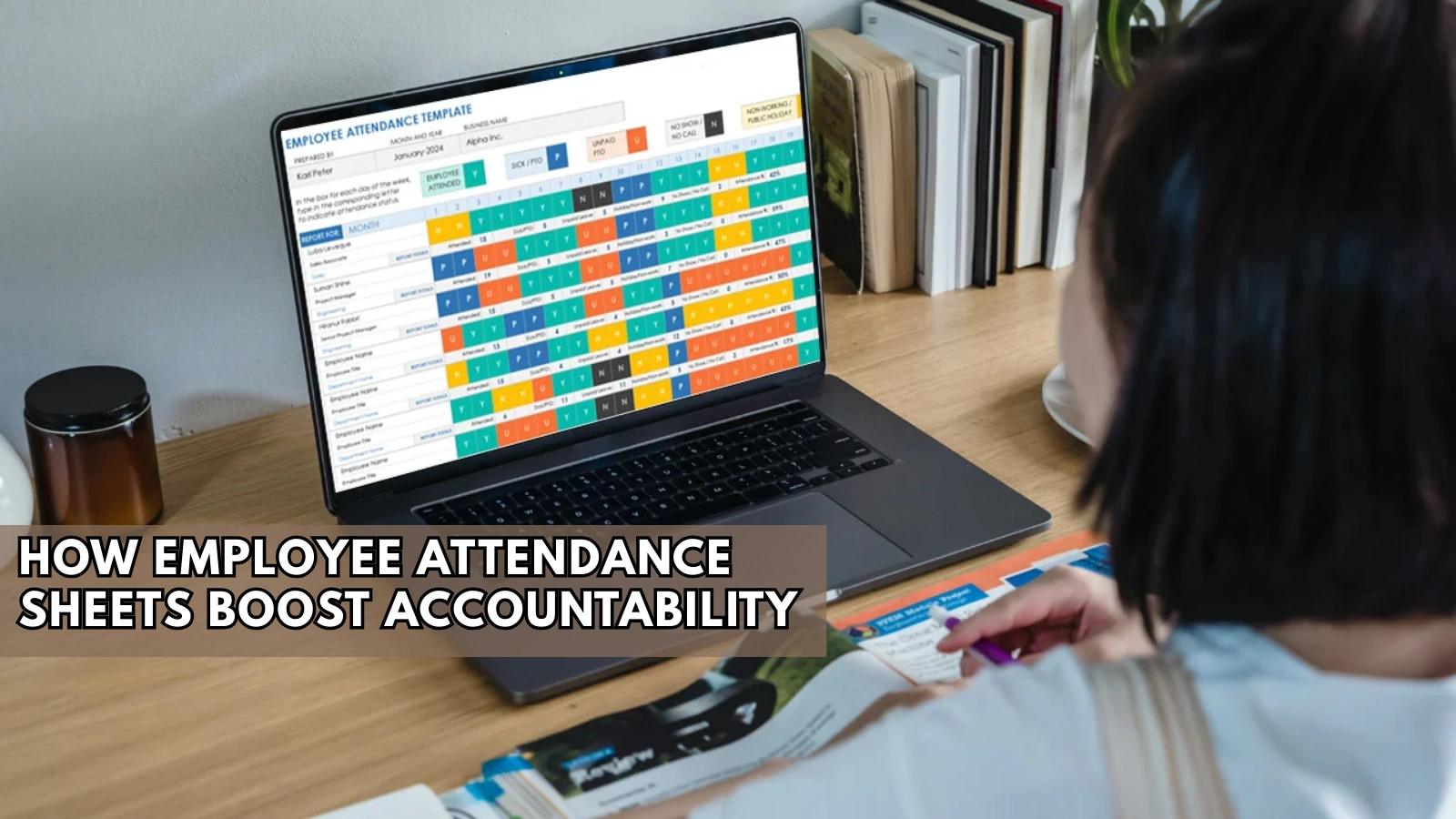
A well-maintained employee attendance sheet promotes accountability by tracking check-in/out, leave, and work hours. Transparency fosters punctuality, responsibility, and discipline, while managers utilize data to effectively monitor performance and address absenteeism.
Transparent Records for HR and Management
Transparent records allow managers and HR teams to verify attendance, maintain compliance, and build trust in organizational processes.
Encourages Self-Responsibility and Punctuality
Employees become accountable for their schedules when aware of regular tracking, fostering discipline and a culture of reliability.
Attendance Monitoring Software: Modern Approach to Tracking
Attendance monitoring software offers a modern, efficient alternative to manual tracking. It enhances accuracy, reduces administrative workload, and provides real-time insights into employee presence, helping organizations streamline attendance management and maintain reliable workforce records.
Benefits Of Over-Manual Attendance Sheets
Unlike paper or spreadsheet-based attendance sheets, software automates record-keeping, eliminates human errors, and provides instant access to data. HR teams save time, reporting becomes faster, and managers can monitor attendance patterns, absenteeism, and punctuality efficiently across all teams.
Features: Automated Logs, Alerts, and Reporting
Modern software creates automatic attendance logs for check-ins and check-outs, sends alerts for missed or late entries, and generates detailed reports. These features allow managers to act promptly, maintain accountability, and ensure workforce discipline without micromanagement.
Integration with Payroll and HRMS
Attendance monitoring software links directly with payroll, leave management, and HRMS systems. This integration ensures accurate salary calculations, leave adjustments, and compliance with HR policies, reducing discrepancies and simplifying overall workforce administration.
How EmpCloud Helps in Attendance Tracking
EmpCloud offers a comprehensive solution to manage attendance efficiently, combining automation, monitoring, and integration to ensure accurate records, compliance, and improved workforce accountability. Key features include:
Automates Daily, Weekly, and Monthly Attendance Logs
EmpCloud automatically records employee attendance for daily, weekly, and monthly periods. This reduces manual work, prevents errors, and provides HR and managers with accurate, ready-to-use data for performance tracking and reporting.
Provides Dashboards for Real-Time Employee Monitoring
Managers can view attendance dashboards showing check-ins, absenteeism, and trends. Real-time insights allow proactive management, quick identification of issues, and better scheduling decisions without relying on manual spreadsheets.
Integrates Attendance with Payroll, Leave, and HR Management
Attendance data links directly with payroll, leave approvals, and HR records. This ensures accurate salary calculation, seamless leave management, and policy compliance, improving overall operational efficiency across the organization.
Supports Employee Accountability and Transparency
Employees can access their attendance records through EmpCloud, which promotes self-responsibility, punctuality, and adherence to schedules. Transparent records reduce disputes and encourage a disciplined, reliable workforce.
Generates Reports for Analysis and Compliance
EmpCloud creates detailed attendance reports for departments, teams, or the entire organization. These reports support audits, performance evaluations, and workforce planning, helping management make informed decisions.
Common Mistakes to Avoid in Attendance Tracking
Common attendance tracking issues often seem minor at first, but can create serious operational and payroll problems over time. Here’s a deeper look at each mistake and why it matters:
1. Missing entries or incomplete data
When attendance records have gaps like missing clock-ins, clock-outs, or leave details, it becomes difficult to calculate accurate work hours. This can lead to payroll errors, disputes with employees, and compliance risks. Even a few missed entries can distort productivity insights.
2. Using inconsistent templates
Different departments or managers using varied formats (spreadsheets, manual logs, and apps) create confusion and inconsistency. It becomes harder to consolidate data, audit records, or generate reports. Standardization is essential for accuracy and scalability.
3. Failing to verify attendance before payroll processing
Processing payroll without validating attendance data can result in overpayments or underpayments. Errors at this stage directly affect employee trust and can require time-consuming corrections later. A verification step ensures accountability and accuracy.
4. Ignoring late check-ins or early departures
Small deviations in work hours, if ignored, can accumulate into significant productivity losses over time. Without tracking these patterns, organizations miss opportunities to address attendance behavior, enforce policies, or optimize scheduling.
5. Not updating records regularly
Delayed updates, such as pending approvals for leaves, missed punches, or corrections, can pile up and create confusion. Real-time or frequent updates help maintain clean data, reduce last-minute chaos, and support better decision-making.
Best Practices For Using Attendance Sheets Effectively
Following best practices ensures attendance tracking remains accurate, reliable, and actionable, helping HR and managers make informed decisions while maintaining contingent workforce accountability.
Standardize Templates Across the Organization
Using consistent attendance sheet templates across all teams prevents confusion, reduces errors, and simplifies reporting. Standardization ensures data from different departments can be consolidated easily, enabling HR to analyze attendance efficiently.
Update Daily to Maintain Accuracy
Regularly updating attendance sheets each day avoids gaps in data, prevents errors in payroll, and ensures managers have real-time insights into workforce availability. Daily updates strengthen accuracy and reliability in attendance tracking.
Review and Analyze Data Regularly for Insights
Periodic analysis of attendance data helps identify patterns such as absenteeism or recurring tardiness. Insights from reviews support better resource planning, scheduling decisions, and overall productivity management while ensuring compliance with company policies.
Advantages of Combining Attendance Sheets with Technology
Combining attendance sheets with technology improves accuracy and efficiency. Automation reduces human errors, ensures transparent and verifiable records, and enhances accountability. Digital systems save HR time by eliminating manual work, allowing teams to focus on employee engagement, productivity reports, and strategic workforce management while maintaining reliable, up-to-date attendance data.
Final Thoughts
An attendance sheet remains a vital productivity tool for modern organizations. Daily, weekly, and monthly sheets, coupled with attendance monitoring software, streamline HR processes, maintain compliance, and promote accountability. Templates simplify tracking, and tools like EmpCloud automate and centralize attendance management.
By adopting structured attendance practices, organizations ensure punctuality, reduce absenteeism, and improve workforce efficiency. Attendance tracking not only supports payroll and compliance but also fosters a disciplined and reliable work culture, making it an essential component of productive organizations.
Frequently Asked Questions About Attendance Sheets
What is the best template for daily attendance tracking?
Templates, including employee name, date, check-in/out, and leave type, offer clear daily tracking.
How do I choose between weekly and monthly sheets?
Weekly sheets suit short-term monitoring, while monthly sheets provide long-term insights and payroll support.
Can attendance sheets integrate with payroll systems?
Yes, many platforms, including EmpCloud, integrate attendance directly with payroll, improving efficiency.
How does software improve attendance monitoring?
Software automates logs, generates alerts, and produces detailed reports, increasing accuracy and accountability.
Are attendance sheets mandatory for all organizations?
Most companies implement attendance tracking to maintain payroll accuracy, compliance, and operational accountability.
Quick Search Our Blogs
Type in keywords and get instant access to related blog posts.