
Time has become one of the most valuable resources in both professional and personal life, making time management methods more important than ever. With increasing workloads, constant digital distractions, and higher performance expectations, simply working longer hours no longer guarantees results. Instead, success depends on working smarter, with focus and structure.
Effective time management methods help individuals and teams prioritize tasks, reduce wasted effort, and make steady progress toward their goals. Rather than reacting impulsively to every task, these approaches encourage planning, intentional action, and better control over daily activities.
As responsibilities grow more complex, mastering time management has become a professional necessity, not just a personal preference. Organizations and individuals who adopt these methods see improved efficiency, reduced stress, and clearer pathways to achieving objectives. Modern tools and platforms further enhance consistency, making structured time use achievable for everyone.
Listen To The Podcast Now!
What Is The Role Of Time Management In Modern Productivity?
Time management refers to the deliberate planning and control of how time gets allocated across tasks, responsibilities, and goals. It focuses on organizing work in a way that maximizes output while maintaining balance and sustainability.
Unlike rigid scheduling, modern time management methods emphasize flexibility, prioritization, and alignment with objectives. These methods encourage people to focus on meaningful tasks instead of reacting to constant demands. They support clarity by defining what deserves attention and when it deserves attention.
Effective time management also promotes decision-making discipline. When individuals understand how their time connects to outcomes, they make better choices about commitments, workload distribution, and task sequencing.
Why Is The Adoption Of Structured Time Management Increasing?

The growing complexity of work environments has accelerated the need for structured time control. Hybrid work models, global collaboration, and digital communication have blurred boundaries between focused work and constant availability.
Several factors contribute to this increased reliance on time management methods:
Key Drivers Behind This Shift Include:
- Rising workloads that require better prioritization and stronger time management skills
- Continuous digital interruptions that fragment attention
- Increased accountability for measurable results through effective performance management
- Greater emphasis on work-life balance and mental clarity
As expectations grow, individuals and organizations can no longer rely on intuition alone. Structured time planning provides a framework for managing competing demands without sacrificing quality or well-being.
In competitive environments, those who manage time effectively gain a clear advantage in consistency, reliability, and long-term performance.
How Do Time Management Methods Improve Daily Decision-Making?
Time management methods improve daily decision-making by bringing structure, clarity, and consistency to how time and attention are used.
Reduced Decision Fatigue:
Predefined routines and schedules limit repetitive choices about what to do next, helping conserve mental energy throughout the day.
Clear Priority Alignment:
Established priorities ensure that important tasks receive attention first, preventing time from being spent on low-impact activities.
Planned Time Allocation:
Structured schedules define when tasks should be handled, reducing uncertainty and improving control over daily workflows.
Protected Focus Periods:
Dedicated work blocks minimize interruptions and distractions, allowing for deeper concentration and better-quality outcomes.
Faster and Confident Decisions:
Clear systems make it easier to decide when to respond, switch tasks, or continue working without second-guessing.
Greater Execution Efficiency:
With fewer choices to make, individuals spend more time completing tasks rather than planning or reorganizing work.
Improved Productivity and Reduced Stress:
Consistent structure leads to steady performance while lowering mental strain and work-related pressure.
Also Read:
How To Build A Performance Management Culture Employees Actually Value
How Are Time Management Methods Applied Across Different Work Environments?

Time management principles remain consistent, but their application varies across roles and industries. Each environment adapts structured time use to meet specific demands.
Corporate And Office-Based Workflows:
In office settings, time often gets consumed by meetings, emails, and administrative tasks. Structured planning, along with project time tracking, helps professionals protect time for deep work and strategic thinking. By monitoring how time is spent on projects, employees can prioritize high-impact tasks, reduce inefficiencies, and ensure deadlines are met without compromising quality.
Common applications include:
- Prioritizing high-impact tasks early in the day
- Grouping similar tasks to reduce context switching
- Reviewing weekly workloads to balance commitments
- Applying practical time management tips to maintain efficiency
Through consistent application of time management methods, professionals maintain control despite high communication volume.
Remote And Hybrid Work Environments:
Remote work introduces flexibility, but it also increases the risk of blurred boundaries and extended work hours. Without structure, productivity and well-being suffer.
Remote professionals apply time management by:
- Defining clear start and end times
- Creating focused work sessions
- Separating personal and professional tasks intentionally
In these environments, time management methods support autonomy while preserving accountability.
Field Teams And Distributed Operations:
For organizations with field employees, time visibility becomes more complex. Travel, location changes, and task coordination demand additional structure.
Here, time management focuses on:
- Tracking work hours accurately
- Assigning tasks based on location and priority
- Monitoring progress in real time
Structured time management methods ensure consistency even when teams operate across multiple locations.
Also Read:
Why Project Time Tracking Software Is Better For Productivity?
What Role Does Prioritization Play In Effective Time Use?
Not all tasks contribute equally to results. Some activities drive growth, while others simply maintain routine operations. Effective prioritization separates meaningful work from noise.
Modern time management methods emphasize importance over urgency. This approach prevents urgent but low-value tasks from dominating schedules.
By focusing on high-impact work, individuals achieve better outcomes without increasing effort. Prioritization transforms busy schedules into productive ones.
How Does Planning Create Long-Term Consistency?
Planning connects goals with daily action. Without a clear plan, even well-defined objectives struggle to turn into consistent results.
Daily and weekly planning allows individuals to:
- Allocate time intentionally:
Assigning specific time slots to tasks ensures important work receives focused attention instead of being delayed or ignored. - Balance workloads realistically:
Planning helps distribute tasks evenly across available time, reducing overload and preventing burnout. - Adjust priorities based on progress:
Regular reviews make it easier to shift focus as tasks move forward, deadlines change, or new information emerges.
Structured time management methods support planning as a repeated habit rather than a one-time activity. Over time, this consistency in planning builds reliability, discipline, and sustained performance.
How Do Digital Tools Support Time Management Execution?
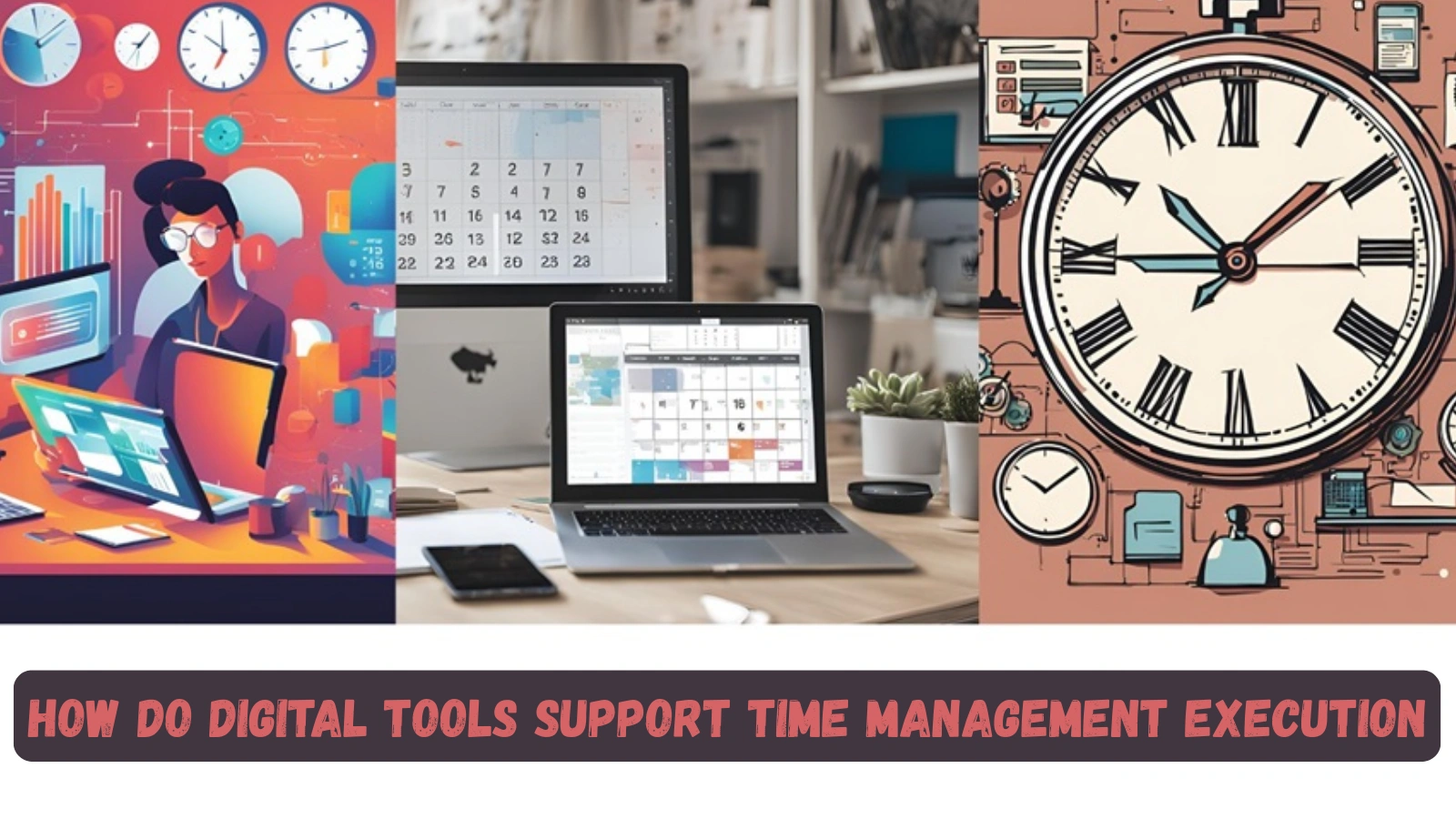
While discipline drives results, tools support consistency. Digital systems help track time, organize tasks, and provide visibility into workloads, making execution more structured and measurable.
However, tools remain effective only when aligned with structured behavior. The most successful time management methods use technology to reinforce habits rather than replace them. When used correctly, digital platforms create clarity, accountability, and momentum instead of adding complexity.
This is where EmpCloud fits naturally into modern time management execution.
As organizations grow, managing time across teams becomes increasingly complex. Manual tracking, disconnected tools, and limited visibility often lead to inefficiencies and missed priorities. EmpCloud solves this by providing a unified workforce management platform that supports structured execution at scale.
EmpCloud helps teams translate plans into action by enabling:
- Centralized time tracking:
Track work hours accurately across roles, projects, and teams without relying on fragmented systems. - Task and workload visibility:
Gain real-time insight into how tasks are distributed, ensuring balanced workloads and better time allocation. - Productivity insights:
Understand work patterns and focus trends to identify where time is used effectively and where improvements are needed. - Actionable reporting:
Convert time data into clear reports that support better planning, decision-making, and performance reviews.
Rather than managing time in isolation, EmpCloud provides a connected view of execution, helping organizations align daily actions with long-term goals. This balance ensures digital tools simplify work, strengthen time management methods, and support consistent performance across teams.
How EmpCloud Strengthens Time Management Across Organizations?
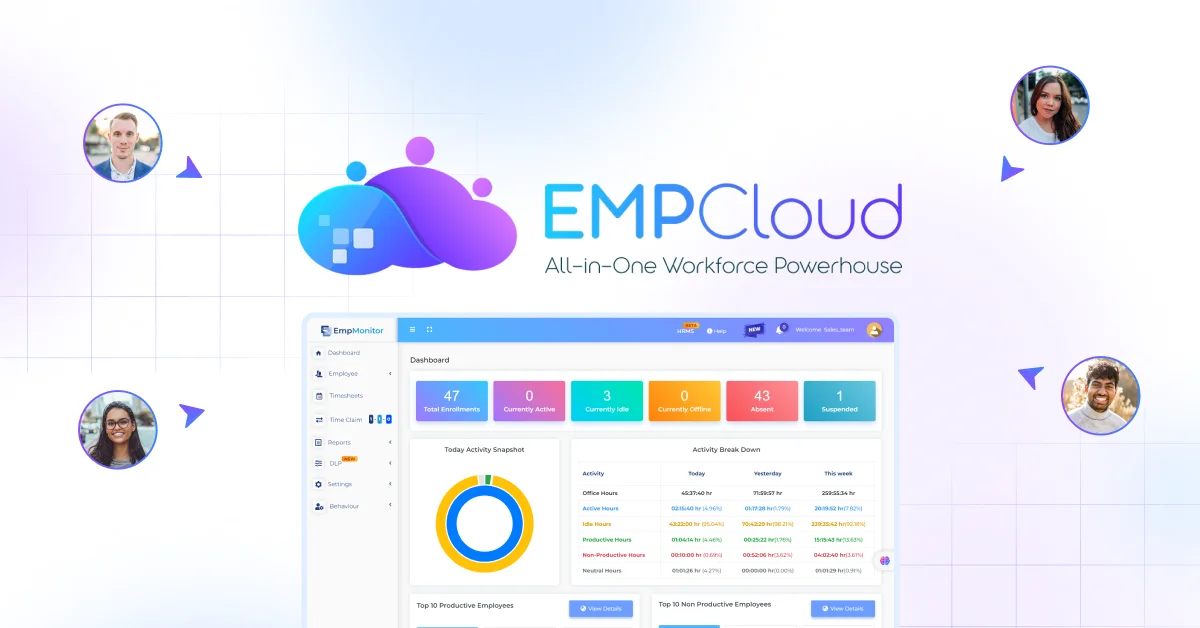
Effective time use requires visibility, accountability, and consistency. EmpCloud supports these principles through manager-centric and HR-centric solutions designed to improve operational clarity.
Trusted by more than 1500 organizations, EmpCloud enables teams to manage time, performance, and productivity within a single platform.
Manager-Centric Capabilities That Improve Time Control
Managers often struggle to track productivity and progress without micromanaging. EmpCloud simplifies this process through integrated features:
- Time Tracking: Accurate monitoring of work hours and activities
- Productivity Tracking: Real-time insights into employee performance
- Task And Opportunity Management: Clear task assignment with progress visibility
- Project Management: Structured planning for timely delivery
- Geo-Location Tracking: Improved coordination for field teams
- Client Management: Centralized client interaction tracking
- Report Generation: Data-driven insights for informed decisions
- Data Loss Prevention: Secure handling of workforce data
These capabilities reinforce time management methods by providing clarity without increasing administrative effort.
HR-Centric Features That Reduce Time Waste
Administrative inefficiencies often consume valuable work hours. EmpCloud streamlines HR operations to protect productivity:
- Face recognition attendance for secure, contactless tracking
- Leave and attendance management for accuracy
- Automated timesheets for better scheduling
- Policy and document management for easy access
- Employee request handling for comp-offs and remote work
- Employee access history for transparency
- Payroll management for accuracy
- Exit management for structured offboarding
By reducing manual overhead, EmpCloud allows organizations to focus on meaningful work instead of repetitive processes.
Centralized Insights For Smarter Time Decisions
EmpCloud’s unified dashboard brings together attendance, productivity, task allocation, and live location tracking. This centralized visibility ensures consistent application of time management methods across teams and departments.
Clear insights support better planning and faster decisions.
How Does Effective Time Management Impact Employee Experience?
When time gets managed well, employees experience reduced stress and greater clarity in their daily work. Instead of reacting to constant urgency, they operate with purpose and structure.
Effective time management creates a positive employee experience by enabling:
- Clear expectations:
Well-defined schedules and priorities eliminate confusion about what needs attention and when. - Balanced workloads:
Time is allocated realistically, reducing burnout and preventing work from piling up unexpectedly. - Improved focus:
Structured work periods allow employees to concentrate deeply without constant interruptions.
Structured time management methods also support collaboration by aligning individual effort with organizational goals. Teams work more cohesively when everyone understands timelines, dependencies, and shared objectives.
This alignment leads to:
- Higher confidence in daily decisions
- Stronger trust between employees and leadership
- Consistent performance without excessive pressure
When time remains structured and predictable, employees feel supported rather than overwhelmed, strengthening both engagement and long-term performance.
What Are The Psychological Benefits Of Structured Time Use?
Beyond productivity, time control improves mental well-being. Clear schedules reduce uncertainty. Prioritization prevents overload. Regular reviews create confidence.
Individuals who apply time management methods consistently report better focus, improved decision-making, and stronger work-life balance.
Control over time leads to calm and clarity.
How Does Time Management Contribute To Long-Term Growth?
Time is one of our most valuable resources. How we manage it daily determines whether progress is sporadic or sustainable. Effective time management turns small, consistent actions into meaningful results, improving productivity and building a foundation for long-term growth and success.
Key ways time management contributes to lasting growth include:
Time compounds through consistency:
Small, repeatable actions performed daily grow steadily over time, making consistent effort more powerful than occasional intense work.
Daily routines build momentum:
Structured routines reduce friction and make it easier to maintain progress even during demanding periods.
Discipline strengthens execution:
Following planned schedules regularly reinforces habits, turning productive behavior into a natural part of the workflow.
Continuous refinement improves effectiveness:
Reviewing and adjusting work patterns helps eliminate inefficiencies, enhance focus, and adapt strategies as goals evolve.
Strategic application supports scalability:
Thoughtful use of time management strategies, skills, and tips ensures that growth is deliberate, repeatable, and sustainable.
Growth becomes predictable:
Consistent management of time leads to reliable outcomes, reduced burnout, and steady personal and professional development.
What Does The Future Of Time Management Look Like?
The future of productivity emphasizes clarity, flexibility, and data-driven decision-making. As work environments evolve, time management will rely increasingly on intelligent systems that support planning, tracking, and optimization.
Key trends shaping this future include:
- Greater use of real-time productivity insights
- Integration of workforce management platforms
- Increased focus on balance and sustainability
- Smarter alignment between goals and daily effort
As time management methods mature, individuals and organizations that adopt structured, technology-supported approaches will gain a competitive advantage.
Conclusion
Effective time use defines modern productivity. Without structure, effort scatters and progress slows. With clarity, planning, and consistency, time becomes a powerful driver of results.
By applying proven time management methods, supported by platforms like EmpCloud, individuals and organizations gain visibility, control, and confidence in how work gets done. Structured time management transforms daily effort into long-term success.
When time aligns with intention, growth follows naturally.
FAQs
1. Can time management methods adapt to changing workloads?
Yes, time management methods remain effective even when workloads change because they focus on prioritization, flexibility, and intentional planning rather than rigid schedules.
2. Can time management methods adapt to changing workloads?
Time management methods are highly effective for leaders because they support better delegation, decision-making, and alignment between strategic goals and daily responsibilities.
3. Are time management methods useful for long-term career growth?
Over time, time management methods help professionals build consistency, improve reliability, and create space for skill development, which supports sustainable career growth.
Quick Search Our Blogs
Type in keywords and get instant access to related blog posts.