
With consistent employee recognition, an organisation can encourage employees to give their best for the next appraisal. However, to conduct that an organization must do a thorough evaluation of employee performance. The performance management system has evolved from dreaded annual reviews into something far more meaningful when done right. Employees don’t just want to be evaluated; they want to grow, contribute, and feel valued. Building a culture around performance management that resonates with your team isn’t about implementing stricter policies or more frequent check-ins.
It’s about creating an environment where feedback flows naturally, growth is prioritized, and every conversation strengthens the employee-employer relationship. Thanks to the performance management system, it has become simple for management to track the work performance of every employee. However, to implement the system effectively, first you should understand what employees are actually expecting from it.
Listen To The Podcast Now!
Understanding What Employees Actually Want:

Before building a culture employees value, you need to understand what they’re looking for. Research consistently shows that employees crave clarity, fairness, and opportunities for development.
- Clarity in expectations tops the list. Employees want to know what success looks like in their role. Vague goals and shifting priorities create frustration and disengagement. When performance expectations are crystal clear, employees can direct their energy productively.
- Fairness in evaluation is equally critical. Nothing erodes trust faster than the perception of bias or favoritism. Employees need to see that assessments are based on objective criteria and consistent standards.
- Development opportunities matter more than ever. Employees don’t just want to be measured; they want to improve. A culture that emphasizes growth over judgment creates psychological safety and encourages innovation.
- Regular, meaningful feedback beats annual reviews every time. Waiting twelve months to discuss performance feels outdated. Employees value ongoing conversations that help them course-correct and celebrate wins in real-time.
What Is Performance Management Really About?
What’s very definition of performance management? It is an ongoing cycle of enhancing employee performance by setting goals, providing feedback, developing, and recognizing. It is not a one-time event, but a continuous communication that brings the input of individuals in line with organizational goals. The actual performance management includes the establishment of clear expectations, tracking the progress, coaching, evaluation of results, and developmental planning. When these factors are combined in a harmonious manner, they form a system that favours all.
Shifting from Evaluation to Development:

The initial activity you should undertake to create a cherished culture is to redefine the perception of performance discourse. As opposed to treating them as appraisal meetings, present them as learning experiences. Such an attitude drastically transforms. When workers come to a conversation, they understand that the emphasis is placed on their development instead of their negative traits; they come to the table in a more receptive and attentive manner. They become more open in regard to sharing problems and getting feedback in a constructive manner.
This is an approach that managers should be trained on. Most leaders have been brought up in cultures that are heavy on evaluation, and they revert to what they are familiar with. It takes money to teach managers to coach and not to judge, but it will pay off in engagement and retention. First, you need to change your language. Change performance review to a growth conversation. These are not mere differences in semantics; they are an indication of a significant change of purpose and tone.
Building Transparency into Your Performance Management Process:
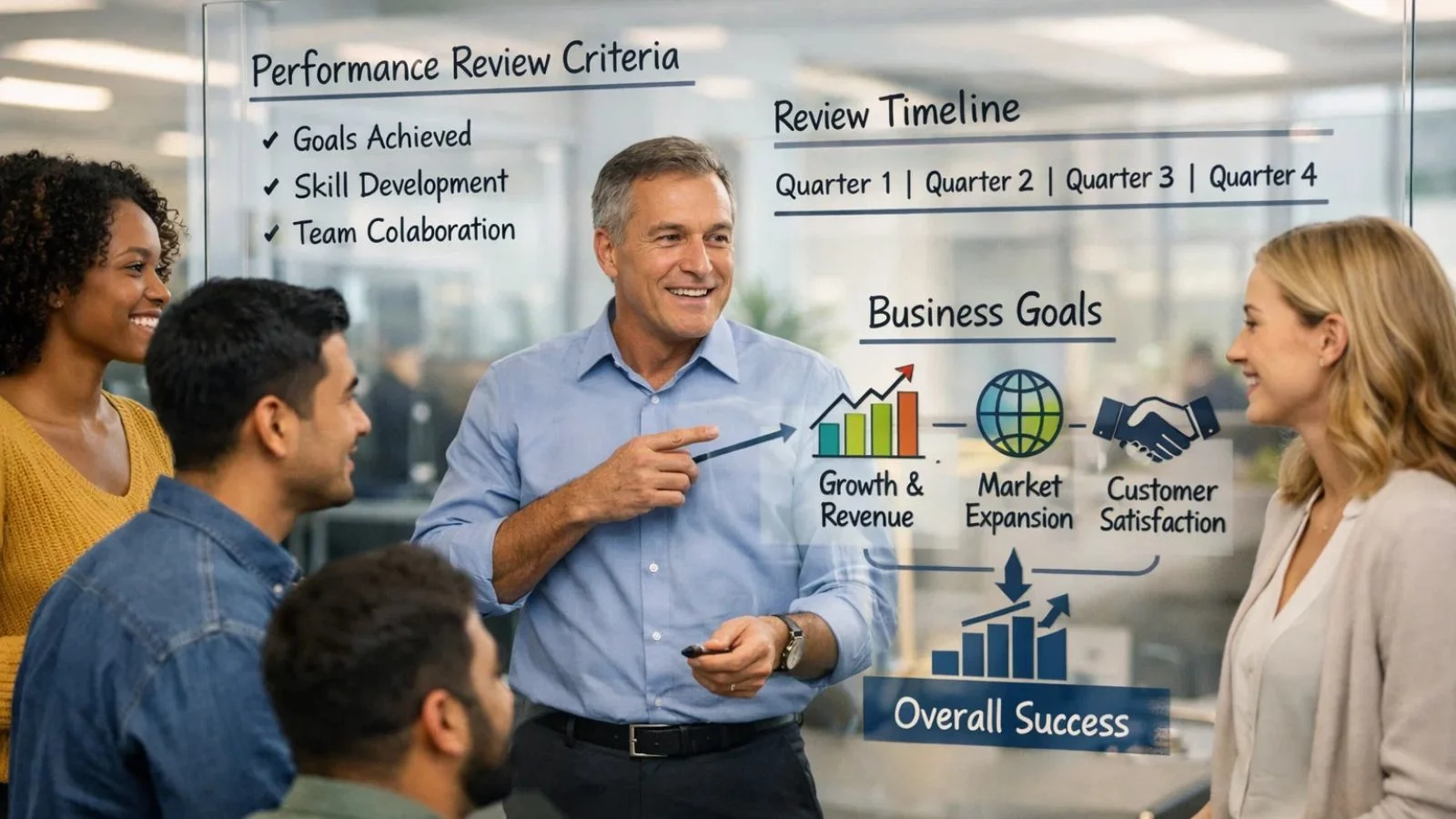
Transparency builds trust, and trust is the foundation of any valued culture. Your performance management process should be completely transparent from start to finish. Publish your criteria for success. Make sure every employee understands how they’ll be evaluated and what metrics matter most. Mystery creates anxiety; clarity creates confidence.
Share the timeline. Let employees know when conversations will happen, what preparation is expected, and how decisions get made. Surprises undermine credibility. Explain the “why” behind your approach. Help employees understand how performance management connects to business goals and career progression. When people see the bigger picture, they engage more authentically.
Creating Continuous Feedback Loops:
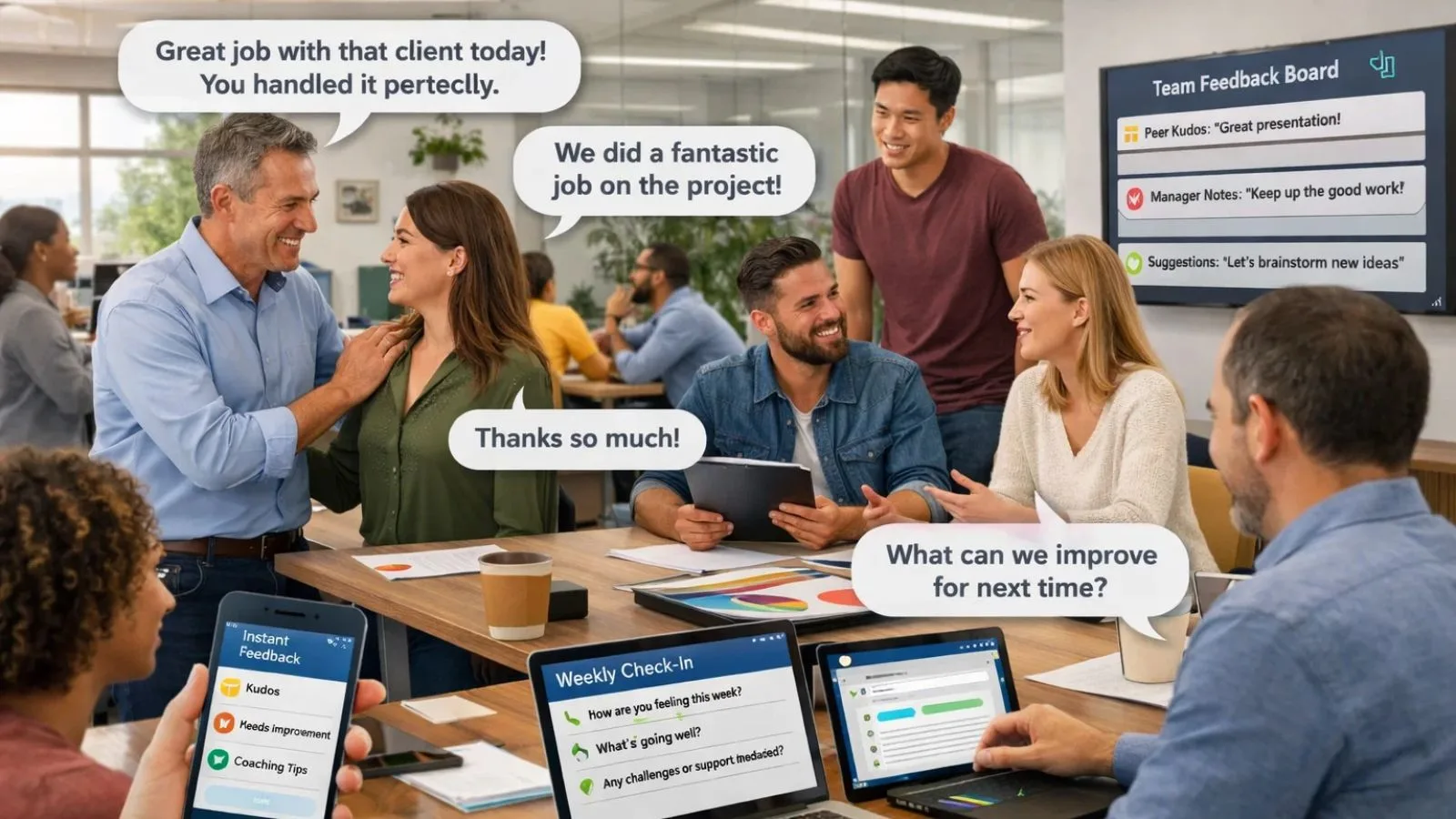
Annual reviews don’t work because feedback loses its power over time. By the time you’re discussing something that happened months ago, the context has faded, and the opportunity for adjustment is gone. Continuous feedback is the heartbeat of valued performance management. This doesn’t mean constant formal check-ins; it means normalizing feedback as part of everyday work.
Encourage managers to share observations in the moment. If someone handled a client situation brilliantly, mention it that afternoon. If a presentation missed the mark, discuss it within days while details are fresh. Create multiple feedback channels. Not every piece of feedback needs to come from direct managers.
Peer feedback, 360-degree reviews, and upward feedback all provide valuable perspectives that help employees grow. Use technology to make feedback easy. The less friction in giving and receiving feedback, the more it happens. Tools that allow quick check-ins and coaching notes keep feedback flowing without administrative burden.
Aligning Individual Goals with Company Objectives:
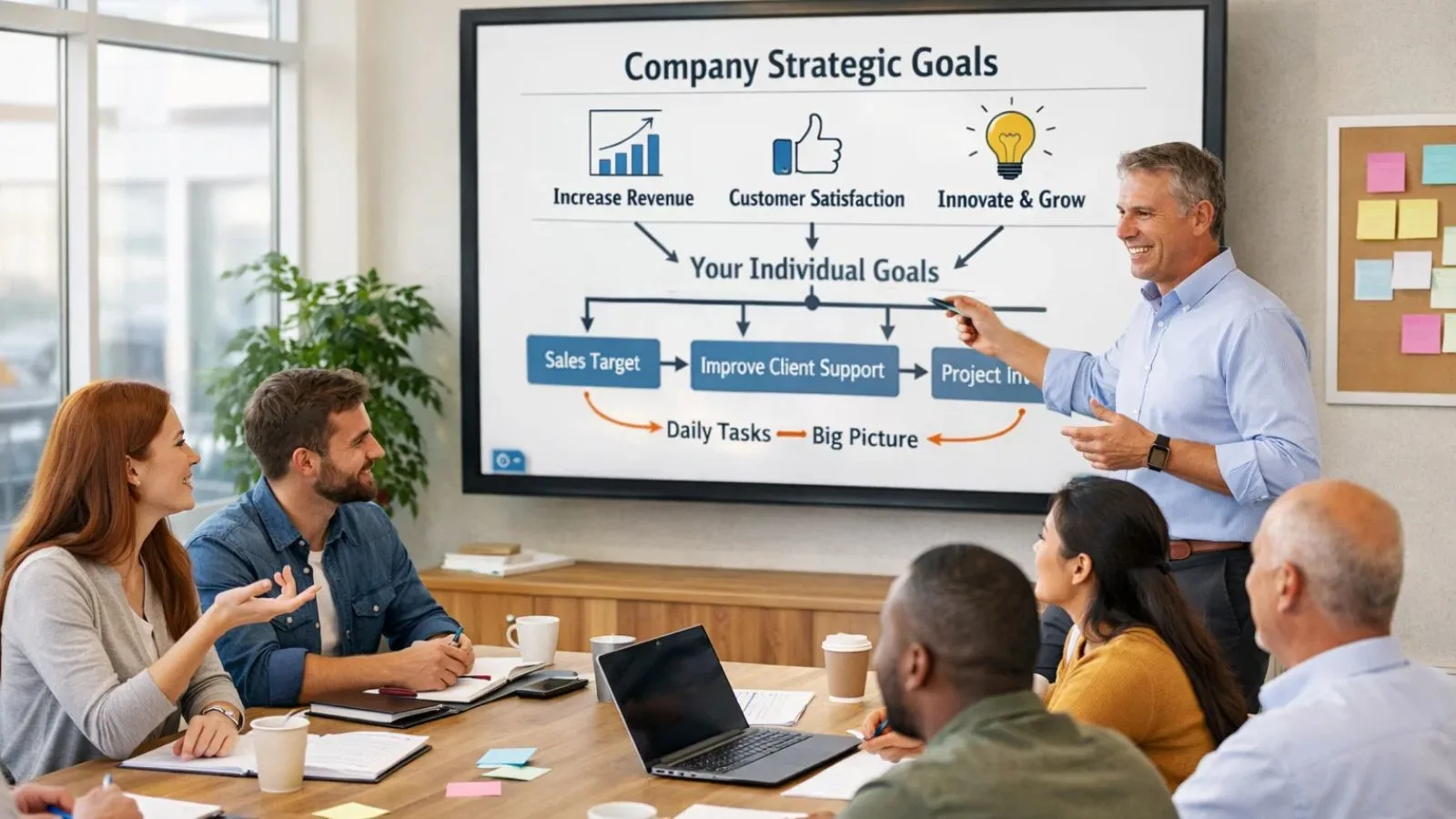
Employees value work that feels meaningful. One of the most powerful ways to create that sense of meaning is by showing clear connections between individual goals and company success. Start with transparency about organizational objectives. Employees can’t align their work if they don’t understand where the company is heading. Share strategic goals broadly and explain the reasoning behind them.
Work with each employee to set individual goals that clearly support those larger objectives. This isn’t about top-down mandate; it’s about collaborative goal-setting where employees have input and ownership. Make the connections explicit. Don’t assume employees will connect the dots themselves.
Show them exactly how their daily work contributes to team goals, department objectives, and company success. Revisit alignment regularly. As priorities shift, goals should shift too. Quarterly check-ins keep everyone moving in the same direction and prevent wasted effort on outdated objectives.
Recognition: The Missing Piece:

It is at recognition that most methods fail. They are so deeply rooted in areas of improvement that they forget to rejoice in what is going in the right direction. When employees are identified, they work better. The recognition supports the desired behaviours, increases motivation, and forms positive connections with performance discussions.
Establish fame in your daily pattern. It does not need to be saved in annual reviews or an official ceremony. The greatest acknowledgment occurs near the success; it is damning. Recognize it as specific and authentic.
Generic praise feels hollow. Rather than saying a great job, you can say, your analysis uncovered things that made our entire campaign change. Bring about peer-to-peer acknowledgment. Colleagues who are aware of the hard work and the effect of the work are some of the most valuable sources of recognition.
Implementing a Performance Management System That Works:
Technology may facilitate or cripple your culture-building process. The right performance management system helps in performance management and makes it easier to have continuous feedback. Find user-centric systems. In case the platform is cumbersome or time-consuming, then people will not use it. Select tools that are easy to use and that can easily fit within the current workflows.
Make sure that your system allows you to have unending discussions, not annual reviews. Continued check-in, tracking goals, and feedback are best achieved through the best platforms. Analytics are important; however, one should not use analytics to achieve the wrong actions. Information must be insightful and should not serve to punish, but rather reward managers to coach better. The accessibility of mobile is also becoming critical. Performance dialogues should not be attached to desktops. Workers and supervisors must be able to revise objectives and appraise the progress at any location.
Also Read:
Building A Performance Management System That Employees Actually Love
How EmpCloud Transforms Performance Management Culture?
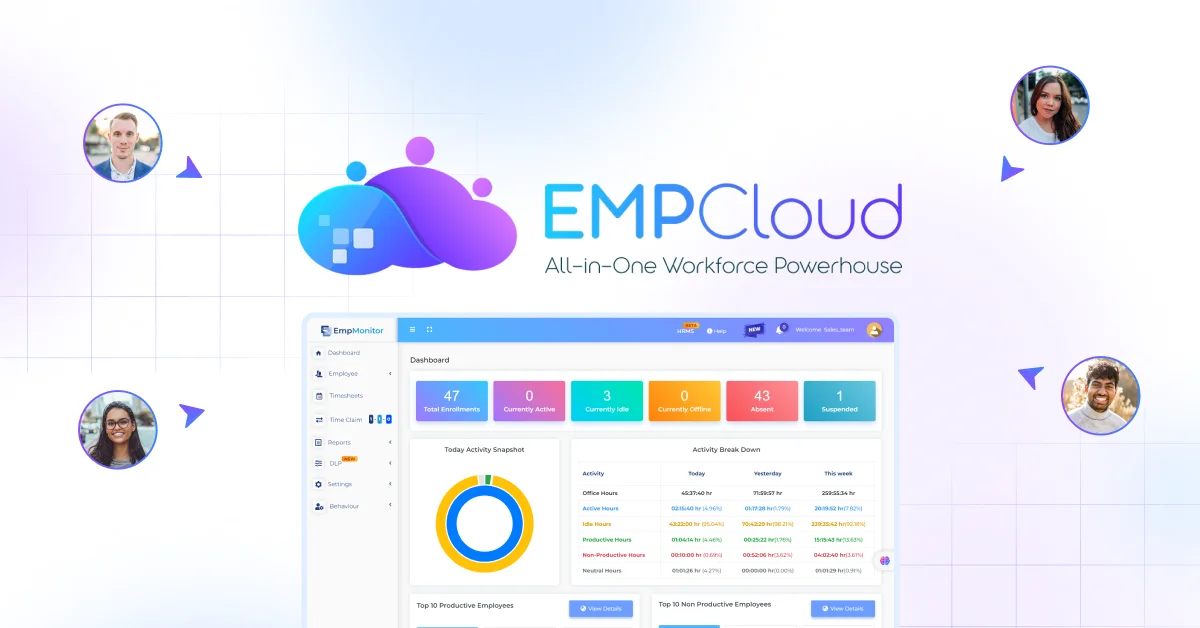
Building a modern performance culture isn’t possible with outdated tools. EmpCloud is built to shift organizations from rigid, annual reviews to continuous, people-first performance management that employees actually appreciate.
Here’s how it does that, broken down clearly 👇
1. Real-time, continuous feedback:
* No more waiting for quarterly or annual reviews
* Managers and peers can share instant feedback in seconds
* Employees correct, learn, and improve while work is happening, not months later
2. Clear goal alignment:
* Individual goals are directly linked to company objectives
* Employees see why their work matters
* Goals stay visible, editable, and relevant as priorities change
3. Recognition as a habit, not an afterthought:
* Wins can be celebrated publicly or privately
* Peer-to-peer recognition removes top-down bias
* Builds motivation, morale, and a culture of appreciation
4. Manager-friendly coaching tools:
* Performance analytics highlight trends, not just scores
* Identifies development needs and engagement gaps
* Data supports better conversations; it doesn’t replace them
5. Built-in transparency:
* Clear evaluation criteria and timelines
* Employees always know where they stand
* Reduces anxiety and builds trust in the process
EmpCloud doesn’t just manage performance; it reshapes the culture around it. Less fear. More clarity. Continuous growth instead of one-time evaluations.
Training Managers to Lead with Empathy:
Your system and processes only work if managers know how to use them effectively. Manager training is perhaps the most critical investment you can make in building a valued performance culture. Start with the fundamentals of effective feedback. Many managers have never learned how to deliver constructive feedback in ways that motivate rather than deflate. Teach frameworks like SBI (Situation-Behavior-Impact) that create clarity without judgment.
Develop coaching skills. Performance management conversations should feel like coaching sessions, not interrogations. Managers need to learn powerful questions, active listening, and how to draw out solutions rather than imposing them. Address bias head-on. Unconscious biases affect performance evaluations in documented ways.
Training that increases awareness and provides mitigation strategies creates fairer outcomes. Make empathy a core competency. The best performance managers understand that employees are whole people with lives outside work. Training that develops emotional intelligence creates managers who connect authentically with their teams.
Measuring What Matters:
One can never measure what one is not measuring, but the important thing is to measure the correct stuff. Go further than mere completion rates and get under the surface to quality and impact. Monitorthe progress of the process. Do you have employees and managers conversing as your system is intended to allow? The indicators of quality are more important when compared to completion measures. Keep track of how employees are perceived.
Pulse surveys conducted regularly, specifically querying the value employees attach to performance conversations, give you the essential feedback on your culture-building initiatives. Measuring manager effectiveness. There will be managers who will adapt to the new approach fast, whereas others will have a hard time with it. Knowing who requires further assistance will make pockets in the organization to sabotage your culture objectives. Relate performance management to business performance. Find links between high-performance cultures and the measures of retention, productivity, and customer satisfaction.
Common Pitfalls to Avoid:
Even with the best intentions, organizations stumble when building performance management cultures. Awareness of common pitfalls helps you navigate around them.
- Inconsistent application kills credibility fast. If some managers embrace continuous feedback while others stick to annual reviews, employees notice the inequity. Leadership must model and enforce consistent practices.
- Technology without training is a recipe for frustration. Don’t roll out new performance management software and assume people will figure it out. Invest in thorough training and ongoing support.
- Ignoring feedback about the process suggests you don’t really value employee input. If employees tell you something isn’t working, listen and adjust.
- Linking too tightly to compensation can undermine development conversations. When every piece of feedback directly affects pay, employees become defensive rather than open.
- Moving too fast overwhelms people and triggers resistance. Culture change takes time. Introduce new elements gradually and celebrate small wins along the way.
The Role of Leadership:
The culture of performance management is established by the top management. What they do is much more than what they say. The leaders should be physically engaged in the process. Unless the executives involve themselves in performance conversations or model ongoing feedback, the employees will not take the culture seriously.
Top-down communication enhances priority. Frequent communication on the importance of performance management and its relation to the company values keeps the message in mind. Commitment is reflected in resource allocation. This culture is not an HR program, and its construction can be seen by investing in training, technology, and manager development.
Conclusion:
The culture of performance management that employees can appreciate is not based on the implementation of the best system or following a formula. It is about radically redefining the strategy that your organization uses to develop, provide feedback, and grow your employees. Once you make transparency, constant communication, rewarding, and authentic development opportunities your priority, performance management becomes a nightmare to worry about rather than an asset to your culture. The cost to develop this culture is rewarded with retention, engagement, and long-term performance that is compounded.
FAQ’s:
Q1: How often should performance conversations happen?
Ans: Formal check-ins work well quarterly, but informal feedback should happen continuously. The key is making feedback timely and relevant rather than adhering to a rigid schedule.
Q2: What if managers resist the new approach?
Ans: Resistance usually stems from a lack of confidence or competing priorities. Provide robust training, reduce administrative burden elsewhere, and recognize early adopters to build momentum.
Q3: Can small companies implement these practices without dedicated HR?
Ans: Absolutely. The principles of transparency, continuous feedback, and development scale to any size. Start simple and build from there, using affordable tools and peer accountability.
Quick Search Our Blogs
Type in keywords and get instant access to related blog posts.