A business moves forward when teams work with clarity and confidence. Every department plays a direct role in this growth, yet payroll stays at the core because it affects each employee. A single error in salary, tax, or compliance drops trust and slows productivity. Many leaders move toward payroll software to avoid delays, boost accuracy, and help HR teams focus on work that adds value.
When a company selects the right payroll software, daily operations run smoothly. Teams avoid manual records, HR avoids long hours of salary checks, and employees get fair and timely payments. The right setup creates transparency and builds a stable work culture. This guide shows how to pick payroll software that supports your team structure, fits your workflow, and helps your company scale confidently.
In a hurry? Listen to the blog instead!
What Is Payroll Software?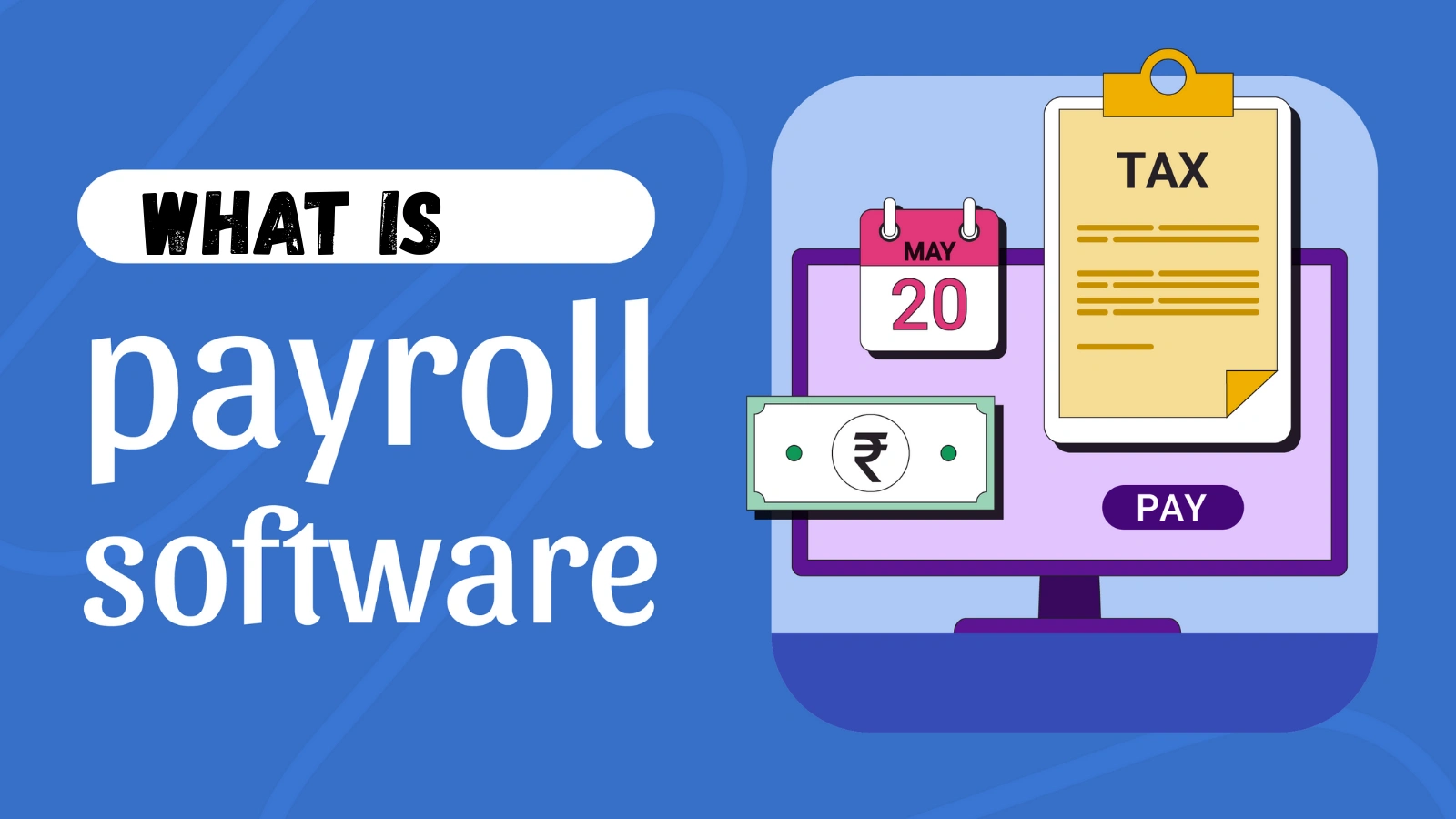
Many leaders often start by asking —
What is payroll software?
It refers to a tool that executes salary calculations without manual work. The system holds employee data, computes earnings, subtracts taxes, updates compliance needs, and pushes final payouts without errors.
It replaces long spreadsheets and manual salary sheets. HR teams control everything through a dashboard. The tool handles monthly salary cycles, attendance records, employee details, bonuses, incentives, deductions, and statutory rules. Unlike traditional methods, it creates structure and accuracy with no chance of confusion.
A strong setup also aligns with business size. A startup uses software to track work hours and salaries. A growing company uses the system to manage complex structures, allowances, levels, and compliance requirements. In short, it supports HR, finance, and leadership with the information they need at the right moment.
How Does Payroll Software Work?
Leaders exploring automation often look for clarity on real-time payroll operations, and the system becomes easy to manage once everything is set up and running.
- HR loads basic employee records, name, role, salary structure, dates, and allowances.
- Attendance connects with the system and updates data each day.
- The tool reads data and runs salary checks.
- Compliance updates stay active so tax rules match government standards.
- The system creates the final payout and gives HR a clear view of all entries.
- Employees can access payslips without any request or waiting.
It creates a smooth loop where HR always holds control, and employees stay satisfied with error-free payouts. This also eliminates duplicate tasks and strengthens long-term data management.
Key Benefits of Payroll Processing Software
Companies choose payroll processing software because smooth operations create a direct impact on workforce trust. Here are the key benefits HR teams and leaders enjoy:
1. Higher Accuracy
Payroll processing software removes calculation mistakes. The tool checks each entry and applies the exact salary structure. This saves HR from long manual checks and ensures accurate payouts.
2. Better Compliance
Laws update often. Payroll processing software keeps track of rules, tax slabs, and government mandates. HR teams stay free from legal risks since the setup always holds updated standards.
3. Cleaner Records
A single dashboard shows all employee records. No spreadsheet stack and no confusion. Payroll processing software creates clear historical data that supports audits, reviews, and internal checks.
4. Faster Salary Cycles
HR can close salary cycles in minutes because payroll software runs all calculations automatically. This reduces effort and restores work-life balance for payroll teams.
5. Direct Cost Control
Accurate taxes, correct allowances, and error-free deductions prevent losses. It helps a company save time, effort, and money.
6. Strong Data Security
Payroll data stays sensitive. Payroll processing software protects this information with encrypted layers. Only approved teams access this data.
Therefore, it becomes more than a digital tool. It acts as a backbone for a stable and efficient workplace.
Factors To Consider While Choosing Software For Payroll
Selecting software for payroll should follow a clear plan. The wrong choice leads to errors and long-term disruption. Here are the top factors every business must check:
1. Fit With Your Team Size
A small team needs a simple setup. A larger team needs advanced features. Pick payroll software that grows with your team and supports future scale.
2. Ease of Use
Your HR team should move through menus without hassles. It must feel simple and clean. No long learning curve, no hidden steps.
3. Compliance Features
A must-have. The system should hold all legal updates. Pick software for payroll that reflects accurate laws, rules, and slabs.
4. Integration Options
Your attendance, HRMS, field apps, and finance tools must connect with payroll software. This removes gaps and creates a unified flow.
5. Employee Self-Access
Employees should view payslips, tax details, and corrections without help. This improves transparency and reduces HR queries.
6. Data Protection
Security stays non-negotiable. Choose software that encrypts data and defends employee privacy.
7. Support
Strong customer support helps your team whenever a roadblock appears. Never choose payroll software without guaranteed support.
Also Read:
How To Improve Efficiency With Real Time Employee Tracking
How EmpCloud Helps Streamline Payroll Processing?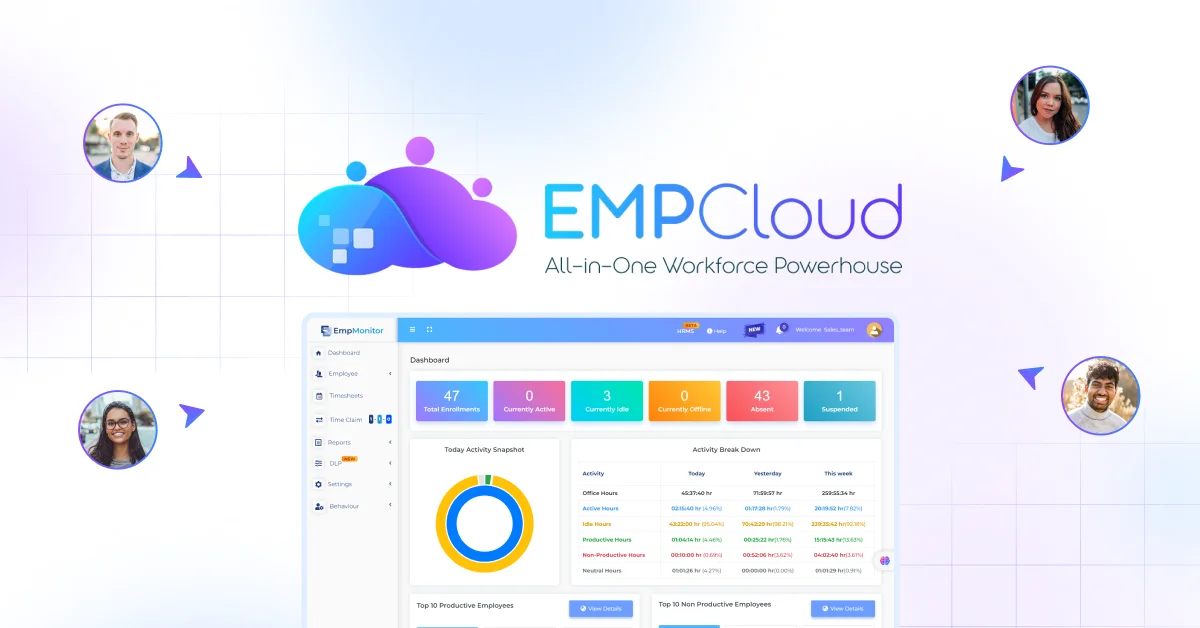
EmpCloud supports companies that aim for smooth payroll management and clear control over salary cycles. The platform creates a unified setup for HR teams and makes payroll tasks easier, faster, and more accurate. It provides a suite of tools with different features regarding workforce management, including the Employee Payroll Management tool, which helps every company handle payroll with confidence.
1. Clear Salary Setup and Structure Control
HR teams set salary formats, allowances, slabs, and deductions with ease. EmpCloud aligns each detail with the correct structure so every payout stays accurate and error-free.
2. Accurate Payroll Data for Monthly Cycles
EmpCloud keeps employee attendance records, salary details, and work data in one place. HR teams use this information to run smooth monthly payroll cycles without confusion or miscalculations.
3. Easy Access for Employees
Employees view salary details and payslips directly from the platform. No wait, no requests, no extra workload for HR teams.
4. Insights That Support Decisions
EmpCloud shows payroll summaries, staff costs, and payout trends. Leaders use this information to plan budgets, control expenses, and understand workforce costs better.
5. Employee Payroll Management Under One System
EmpCloud brings salary data, employee records, and payroll controls together inside a single space. This setup reduces manual work and supports HR teams with clarity and consistency.
EmpCloud becomes a smart choice for companies that want structured payroll operations and a reliable workforce management flow.
Common Mistakes To Avoid When Implementing Payroll Software
Many businesses fail to use payroll software to its full potential because of simple errors. Avoid these issues to keep payroll smooth and accurate:
1. No Training for HR Teams
Your HR team must understand the system. When teams lack clarity, delays appear. Train every member before you start payroll operations.
2. No Data Cleanup
Old records must stay accurate before transfer. Wrong details create wrong salaries. Clean and verify every entry to avoid confusion.
3. Ignoring Integration
It must connect with attendance, HRMS, field tools, and finance systems. A disconnected setup slows workflow and creates data gaps.
4. No Compliance Checks
Rules change often. Update compliance details regularly so your payroll software reflects each law, slab, and mandate without failure.
5. No Employee Orientation
Employees must know how to access payslips, tax details, and correction options. Clear access reduces HR workload and increases transparency.
Also Read:
How To Improve Employee Task Tracking For Better Results?
Tips For Maximizing RoI From Your Payroll Software
Businesses gain more value when they use payroll software with a clear strategy. These tips help your team control payroll tasks with accuracy and speed:
1. Review Salary Structures Often
Check allowances, tax slabs, and deductions so every cycle reflects current rules. Clear salary data supports smooth payroll flow and better clarity.
2. Use Insights for Smart Decisions
Your dashboard reveals team costs, recurring patterns, and payout cycles. Use this data to plan budgets and improve financial decisions.
3. Sync All Tools Across Departments
Keep your payroll software connected with attendance, HRMS, field applications, and finance systems. This removes data gaps and strengthens workflow control.
4. Update Employee Records Without Delay
Employees join, leave, or shift roles. Update profile details on time so every cycle matches actual work hours and salary structure.
5. Combine Payroll With HRMS for Full Visibility
Unify payroll software with HRMS to manage attendance, employee details, leave, compliance, and payouts in one space. This boosts long-term value and reduces workload for HR teams.
Conclusion
A strong payroll setup does more than calculate salaries. It builds trust, empowers HR, supports leadership, and creates a stable work environment. When a company selects payroll software that fits its team structure, it unlocks accuracy, speed, and compliance. EmpCloud enhances this journey with a unified platform that controls payroll, attendance, HR, and workforce operations inside one space.
Therefore, becomes a foundation for business growth. Pick the right system today and help your team reach full potential with less effort and more clarity.
FAQs
- What is payroll software used for?
It manages salaries, attendance, deductions, taxes, and employee records, creating accurate payouts while saving HR teams valuable time and effort. - How does payroll software work for daily HR tasks?
The system reads attendance, updates employee records, calculates salaries, adjusts deductions, ensures accuracy, and provides HR with complete payroll control every day. - How does payroll processing software help compliance?
It follows updated tax rules, applies correct slabs, tracks legal standards, prevents payroll errors, and protects businesses from compliance issues and penalties. - Can small teams use software for payroll?
Small teams benefit through accurate salaries, smooth attendance updates, simplified tax tasks, reduced manual work, and improved clarity across monthly payroll responsibilities. - Why choose EmpCloud for payroll?
EmpCloud connects payroll, HRMS, attendance, compliance, and field data, ensuring accurate payouts, faster processing, streamlined workflow, and strong workforce management capabilities.
Quick Search Our Blogs
Type in keywords and get instant access to related blog posts.