Workforce Planning Has Never Been More Important Than It Is Today
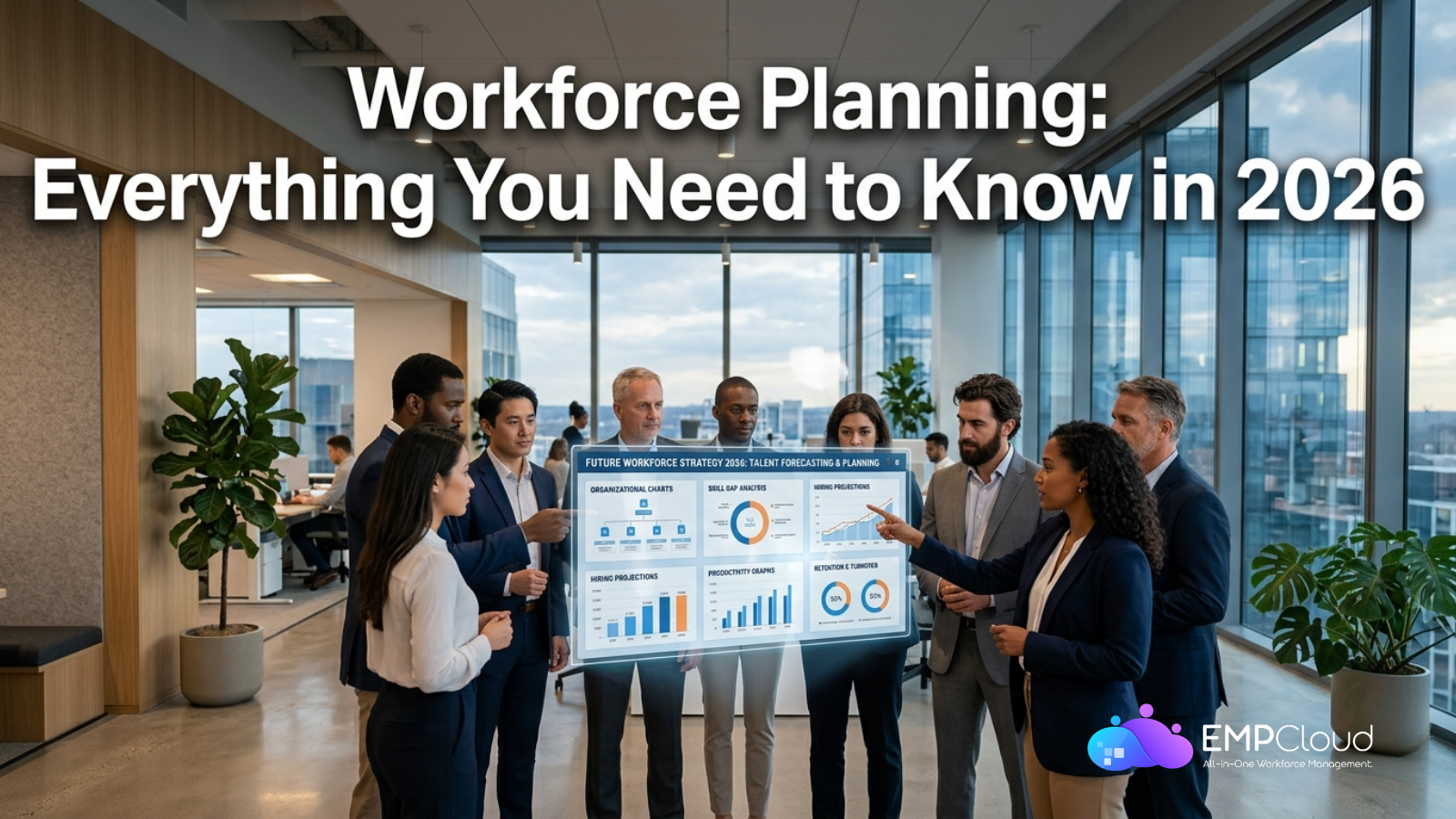
Business success has always depended on people, but in 2026, having talented employees alone is no longer enough. Organizations are navigating rapid technological advancements, evolving customer expectations, economic uncertainty, and an increasingly skills-driven job market. In this environment, hiring only when vacancies arise can leave businesses struggling to keep pace with change.
Instead, organizations are shifting towards a proactive approach that prepares them for future workforce demands before they become urgent. This is where workforce planning comes into play.
Rather than simply filling positions, workforce planning helps organizations understand what talent they currently have, what skills they’ll need in the future, and how to bridge the gap between the two. Whether it’s preparing for business expansion, adapting to AI-driven roles, or addressing skill shortages, workforce planning ensures that people strategies align with long-term business objectives.
Done effectively, it improves productivity, strengthens employee retention, reduces hiring costs, and enables businesses to respond confidently to changing market conditions.
In this guide, you’ll learn what is workforce planning?, why it has become essential in 2026, how the process works, its key benefits, the best workforce planning tools, and the latest trends shaping the future of work.
Listen to the podcast now!
What Is Workforce Planning?
At its simplest, workforce planning is the process of ensuring an organization has the right people, with the right skills, in the right roles, at the right time.
However, modern workforce planning goes far beyond recruitment.
It involves analyzing the current workforce, forecasting future talent requirements, identifying potential skill gaps, and creating actionable plans that support both immediate business needs and long-term organizational goals.
Instead of reacting when a position becomes vacant, workforce planning helps organizations prepare in advance.
For example, imagine a company planning to launch AI-powered products over the next two years. Hiring AI specialists only after development begins would delay projects and increase recruitment costs. Through workforce planning, leaders can forecast these future requirements, identify existing employees who can be upskilled, and recruit specialized talent before demand peaks.
Ultimately, workforce planning transforms workforce decisions from reactive hiring into strategic business planning.
Why Workforce Planning Matters More Than Ever in 2026
Today’s workplace looks dramatically different from what it did just a few years ago.
Artificial intelligence is automating repetitive tasks, remote and hybrid work have expanded talent pools, and employees now expect greater flexibility and career development opportunities. At the same time, organizations face increasing competition for specialized skills.
These changes make workforce planning a business necessity rather than an HR exercise.
One of the biggest reasons organizations invest in workforce planning is its ability to align people with business strategy. Whether expanding into new markets, introducing new technologies, or launching products, every business initiative depends on having the right workforce in place.
Workforce planning also enables organizations to anticipate future talent shortages before they affect operations. Instead of scrambling to recruit during periods of high demand, businesses can develop employees internally, strengthen succession plans, or build talent pipelines in advance.
Another significant advantage is improved decision-making. Modern workforce planning relies on workforce analytics rather than assumptions. HR leaders can use employee data, turnover trends, retirement forecasts, and productivity metrics to make informed staffing decisions that support long-term growth.
Perhaps most importantly, workforce planning helps organizations become more resilient. Businesses that regularly evaluate their workforce can adapt faster to market disruptions, technological shifts, and changing customer expectations.
What Is Strategic Workforce Planning?
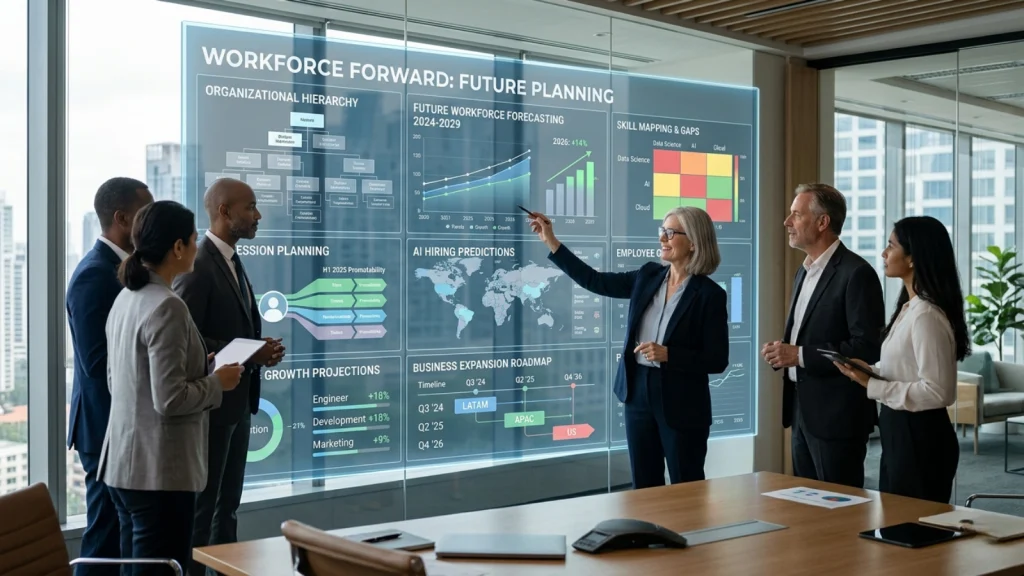
While workforce planning focuses on ensuring the organization has the talent it needs, strategic workforce planning takes a broader and longer-term approach.
Rather than concentrating solely on today’s staffing requirements, it aligns future workforce capabilities with business objectives over the next three to five years.
For example, a manufacturing company planning to automate production lines may anticipate a reduced need for manual processes but a growing demand for robotics engineers, automation specialists, and data analysts.
Instead of waiting until automation is implemented, strategic workforce planning identifies these future requirements early, giving organizations enough time to recruit, train, or reskill employees.
This approach reduces workforce disruptions while ensuring the organization remains prepared for future business challenges.
In short, workforce planning answers “Who do we need now?”, while strategic workforce planning answers “Who will we need in the future?”
Key Benefits of Workforce Planning
Organizations that invest in workforce planning gain advantages that extend well beyond recruitment.
Better Alignment with Business Goals
Business growth and workforce growth should move together. Workforce planning ensures hiring, employee development, and succession planning all support broader organizational objectives.
Whether entering a new market or introducing new services, workforce decisions become proactive rather than reactive.
Improved Talent Retention
Employees are more likely to remain with organizations that invest in their growth.
By identifying future skill requirements, organizations can offer targeted learning opportunities, internal promotions, and career development pathways that improve engagement and reduce turnover.
Lower Recruitment Costs
Reactive hiring often leads to rushed decisions, longer vacancies, and higher recruitment expenses.
Forecasting future hiring needs allows businesses to recruit strategically, reducing unnecessary costs while improving hiring quality.
Early Identification of Skill Gaps
Technology continues to reshape nearly every industry.
Workforce planning helps organizations identify critical skill shortages before they impact productivity, allowing time for recruitment, reskilling, or upskilling initiatives.
Better Workforce Agility
Market conditions change quickly.
Organizations that regularly evaluate workforce needs can respond faster to economic shifts, technological innovation, and changing customer expectations.
Rather than constantly reacting, they remain prepared.
The Workforce Planning Process

Although every organization has its own approach, most successful workforce planning initiatives follow five key steps.
1. Analyze the Current Workforce
The first step is understanding your existing workforce.
This involves evaluating workforce size, employee skills, experience, performance levels, demographics, turnover trends, leadership readiness, and succession plans.
A clear understanding of current capabilities provides the foundation for future workforce decisions.
2. Forecast Future Workforce Needs
Once current capabilities are understood, organizations forecast future talent requirements based on business objectives.
Questions commonly include:
- Which departments are expected to grow?
- What new skills will be required?
- Will automation change existing roles?
- How many employees will retire?
- Which positions will become harder to fill?
Forecasting enables organizations to prepare for workforce changes before they become operational challenges.
3. Conduct a Workforce Gap Analysis
The next step is comparing current workforce capabilities with future business requirements.
This analysis identifies shortages in skills, leadership, staffing, or specialized expertise.
Once these gaps become visible, organizations can prioritize which areas require immediate attention and which can be addressed through long-term planning.
4. Develop a Workforce Action Plan
Once workforce gaps have been identified, the next step is creating a practical plan to address them. There isn’t a single solution that works for every organization, so the action plan should align with business priorities and available resources.
Common workforce planning initiatives include:
- Hiring professionals with specialized skills.
- Upskilling current employees through training and certifications.
- Reskilling employees for evolving roles.
- Strengthening succession planning for leadership positions.
- Improving internal mobility by filling roles with existing talent.
- Partnering with educational institutions to build future talent pipelines.
The goal is to ensure the organization is prepared to meet future workforce demands without relying solely on reactive hiring.
5. Monitor and Refine the Plan
Workforce planning is not a one-time project. Business goals, employee expectations, and market conditions continue to evolve, meaning workforce strategies should evolve as well.
Organizations should regularly monitor workforce metrics such as:
- Employee turnover
- Hiring success rate
- Time-to-fill positions
- Internal promotion rate
- Employee engagement
- Productivity
- Training completion
- Workforce costs
Reviewing these metrics helps leaders identify what’s working, what needs improvement, and where adjustments should be made to keep workforce plans aligned with business objectives. Teams can also use DialMyCalls mass texting software to quickly communicate schedule changes, important updates, and company-wide announcements to employees.
Also Read: –
10-Step Workforce Strategy To Build A Future-Ready Team
How to Implement Workforce Management Solutions Effectively
Best Workforce Planning Tools
Modern workforce planning relies heavily on technology. As organizations grow, managing workforce data through spreadsheets becomes inefficient and often leads to inaccurate decisions.
The right workforce planning tools help HR teams and business leaders forecast workforce needs, identify skill gaps, track performance, and make data-driven decisions.
Here are some of the most valuable tools businesses use today.
Workforce Analytics Platforms
Workforce analytics software provides visibility into workforce trends by collecting and analyzing employee data.
These platforms help organizations monitor:
- Headcount growth
- Attrition rates
- Workforce productivity
- Skills availability
- Hiring trends
- Diversity metrics
Having real-time workforce insights enables leaders to make informed staffing decisions instead of relying on assumptions.
Skills Management Platforms
As businesses move toward skills-first hiring, understanding employee capabilities has become increasingly important.
Skills management platforms help organizations:
- Build skills inventories
- Identify capability gaps
- Recommend learning paths
- Support internal mobility
- Prepare succession plans
These tools make it easier to match employee skills with future business needs.
Performance Management Systems
Performance management software provides valuable insights into employee development, career progression, and leadership potential.
By combining performance data with workforce planning, organizations can identify future leaders, plan promotions, and create targeted development programs.
Scenario Planning Tools
Business conditions can change quickly.
Scenario planning tools allow organizations to prepare for multiple future possibilities, such as:
- Rapid business expansion
- Economic downturns
- AI adoption
- Organizational restructuring
- Market disruptions
Rather than relying on a single forecast, organizations develop flexible workforce strategies that can adapt as circumstances change.
While individual workforce planning tools can solve specific HR challenges, managing recruitment, employee records, payroll, performance, projects, productivity, and workforce analytics across multiple disconnected platforms often creates data silos and unnecessary complexity. Many organizations are now moving toward unified workforce management platforms that bring every critical HR function under one roof. EmpCloud is one such platform designed to simplify workforce management from hiring to retirement while providing the visibility organizations need to make smarter workforce planning decisions.
Why Choose EmpCloud for Workforce Planning?
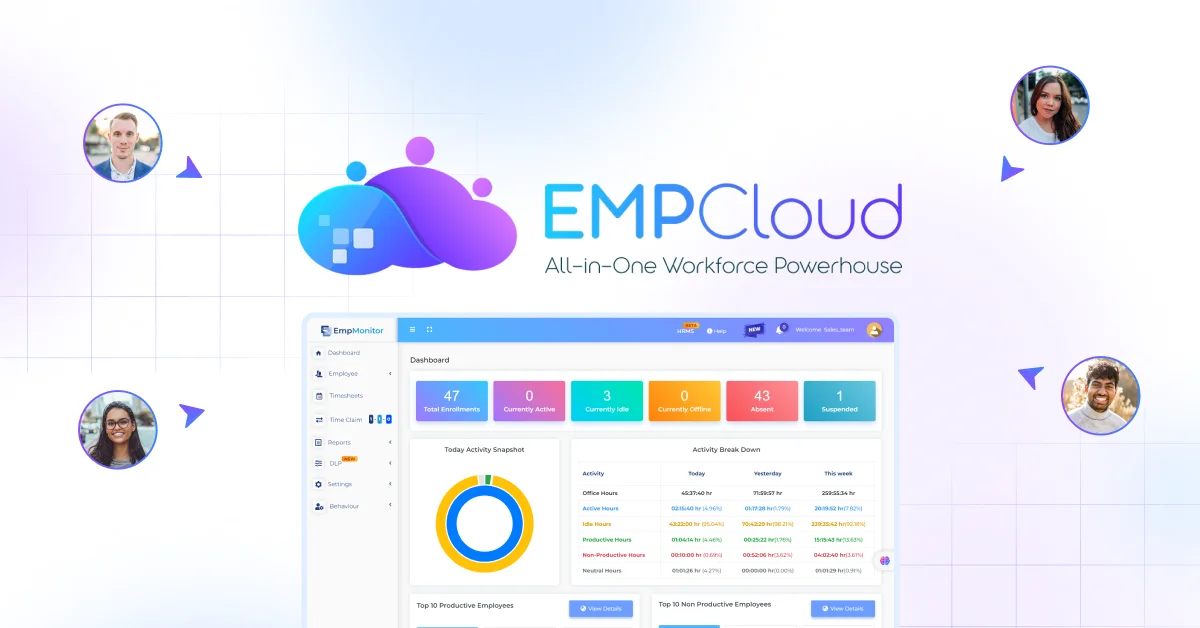
Successful workforce planning depends on having accurate data, connected HR processes, and complete visibility into your workforce. Instead of switching between multiple applications, EmpCloud brings essential workforce management capabilities together in one AI-powered platform.
Whether you’re hiring new employees, monitoring productivity, managing HR operations, processing payroll, or overseeing field teams, EmpCloud provides the insights and automation needed to make smarter workforce planning decisions.
Everything You Need in One Platform
Recruitment & Onboarding
Streamline hiring with structured recruitment workflows and deliver a seamless onboarding experience that helps new employees become productive faster.
EmpMonitor
Monitor employee productivity with real-time insights into work patterns, application usage, and overall performance to support informed workforce decisions.
HRMS
Manage attendance, leave, employee records, compliance, and essential HR operations through one centralized platform.
Field Force Management
Track field employees in real time, monitor activities, and improve coordination across distributed teams.
Payroll Management
Simplify payroll processing, tax calculations, statutory compliance, and salary disbursement with greater accuracy and efficiency.
Biometrics
Strengthen attendance accuracy and workplace security with seamless biometric verification.
Coming Soon
EmpCloud is continuously expanding its capabilities to help organizations manage the complete employee lifecycle. Upcoming modules include:
- Project Management – Plan, assign, and track projects with improved collaboration and complete visibility.
- Rewards & Recognition – Celebrate employee achievements and encourage a culture of appreciation.
- Performance & Career Management – Monitor performance, conduct appraisals, and support structured employee growth.
- Exit & Portfolio Management – Simplify employee offboarding while maintaining organized records and professional portfolios.
Build a Smarter Workforce with EmpCloud
As organizations embrace data-driven workforce planning, having a connected HR ecosystem becomes essential. EmpCloud combines workforce management, HR operations, productivity monitoring, payroll, and workforce insights into a single platform—helping businesses improve efficiency, make better decisions, and prepare for future growth.
Ready to simplify workforce management? Book a demo with EmpCloud and discover how one intelligent platform can help you build a future-ready workforce.
Common Workforce Planning Challenges
Even with a solid strategy, organizations may encounter obstacles during workforce planning. Recognizing these challenges early makes them much easier to overcome.
Inaccurate Workforce Data
Outdated employee records or incomplete skills information can lead to poor workforce decisions.
Solution: Maintain accurate HR records and regularly update workforce data to support better forecasting.
Rapid Technological Change
Technology evolves quickly, making some skills obsolete while creating demand for entirely new ones.
Solution: Review workforce plans regularly and invest in continuous learning and development.
Talent Shortages
Many industries continue to face shortages of specialized professionals.
Solution: Develop internal talent through upskilling, strengthen employer branding, and build long-term recruitment pipelines.
Lack of Cross-Department Collaboration
Workforce planning is most effective when HR, finance, operations, and business leaders work together.
Solution: Make workforce planning a shared business initiative rather than an HR-only responsibility.
Workforce Planning Trends Shaping 2026

The way organizations plan their workforce continues to evolve. Several emerging trends are reshaping how businesses attract, develop, and retain talent.
AI-Powered Workforce Planning
Artificial intelligence is helping organizations forecast hiring needs, identify workforce risks, and analyze skills more accurately than ever before.
Instead of relying solely on historical data, AI can recognize patterns and recommend workforce decisions based on predictive analytics.
Skills-First Workforce Strategies
Many organizations are shifting their focus away from job titles and toward employee skills.
Rather than hiring candidates based only on degrees or previous roles, employers increasingly prioritize practical capabilities and transferable skills.
This approach also encourages organizations to invest more heavily in internal learning and career development.
Greater Focus on Internal Mobility
Hiring externally isn’t always the best solution.
Organizations are creating clearer career pathways that encourage employees to move into new departments, develop new skills, and take on leadership opportunities.
Internal mobility reduces hiring costs while improving employee retention.
Continuous Workforce Planning
Annual workforce planning cycles are gradually disappearing.
Organizations now review workforce data continuously, allowing them to respond more quickly to changing business priorities and labor market conditions.
This agile approach enables faster decision-making and better long-term workforce resilience.
Conclusion
In today’s rapidly changing business environment, workforce planning has become one of the most important drivers of organizational success.
Businesses can no longer afford to make hiring decisions only when vacancies arise. Instead, they need a proactive approach that aligns workforce capabilities with future business goals.
By analyzing the current workforce, forecasting future talent needs, identifying skill gaps, and implementing targeted development strategies, organizations can build a workforce that’s prepared for both today’s challenges and tomorrow’s opportunities.
Whether your business is expanding, adopting new technologies, or navigating an increasingly competitive talent market, investing in workforce planning will help ensure you have the right people, with the right skills, exactly when you need them.
Organizations that treat workforce planning as an ongoing business strategy—not just an HR process—will be far better positioned to adapt, innovate, and achieve sustainable growth in 2026 and beyond.
Frequently Asked Questions (FAQs)
1. What is workforce planning?
Workforce planning is the process of analyzing an organization’s current workforce, forecasting future talent requirements, identifying skill gaps, and developing strategies to ensure the right people are available at the right time to achieve business goals.
2. Why is workforce planning important?
Workforce planning helps organizations align talent with business objectives, reduce hiring costs, improve employee retention, address skill shortages, and prepare for future workforce challenges before they impact operations.
3. What is strategic workforce planning?
Strategic workforce planning is a long-term approach that aligns workforce capabilities with future business goals. It typically looks three to five years ahead and focuses on preparing organizations for growth, technological change, and evolving skill requirements.
4. What are the main steps in workforce planning?
The workforce planning process generally includes:
- Analyzing the current workforce
- Forecasting future workforce needs
- Identifying workforce gaps
- Developing an action plan
- Monitoring and continuously improving the strategy
5. Which workforce planning tools are commonly used?
Organizations commonly use workforce analytics platforms, performance management systems, skills management software, HR dashboards, and scenario planning tools to support workforce planning and improve decision-making.
6. How often should workforce planning be reviewed?
Workforce planning should be reviewed regularly rather than once a year. Continuous monitoring allows organizations to adapt quickly to changing business priorities, market conditions, technological advancements, and workforce trends.
Quick Search Our Blogs
Type in keywords and get instant access to related blog posts.