

Most workplaces are terrible at feedback. Employees wait months for performance reviews, wondering if they’re doing well or messing up. Managers dread those awkward annual conversations where they have to remember what happened in March. And everyone walks away feeling like it was just a box-ticking exercise.
Companies that build a real feedback culture are crushing it. They see 14.9% lower turnover rates and way higher engagement. Why? People actually know where they stand, feel heard, and can grow without waiting for some formal review process.
A feedback culture isn’t about adding more meetings to your calendar. It’s about making honest conversations normal, the kind where your junior designer can tell you your strategy has a blind spot, or where your manager checks in about how you’re really doing, not just what tasks you finished. When you get this right, everything changes.
Liste To The Podcast Now!
What Is A Feedback Culture?
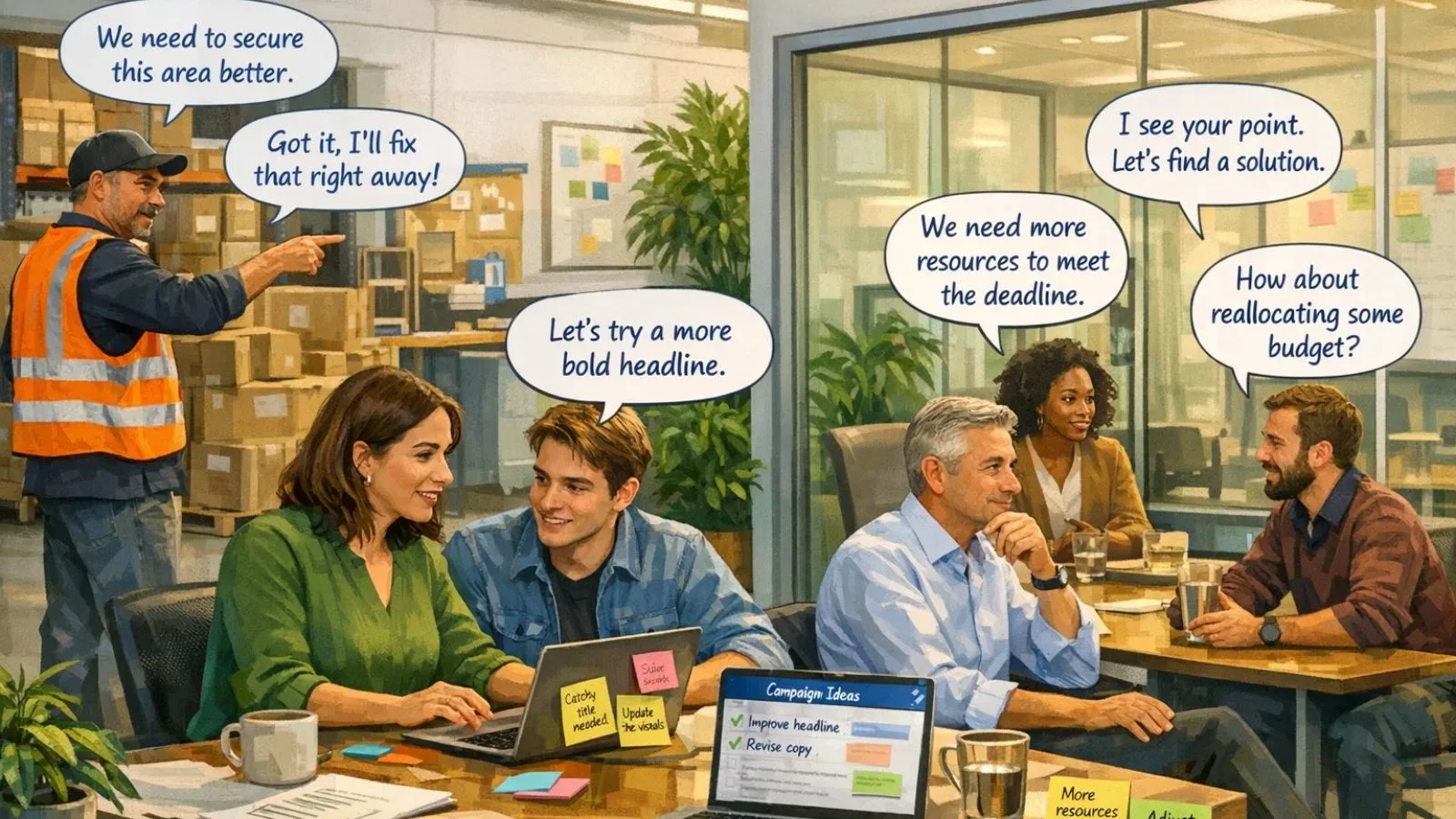
Think of a feedback culture as what happens when giving and receiving input becomes as normal as checking your email. It’s not a quarterly event; it’s how your team actually operates every single day.
In real life, this looks like your warehouse supervisor mentioning a safety concern without filing a formal complaint. It’s your marketing lead asking the intern what they think about a campaign idea and actually listening. It’s your CEO admitting they got something wrong based on what the team told them.
Here’s what it’s not: a suggestion box that nobody checks, or those town halls where leadership talks at you for an hour. Real feedback culture runs on three things: people can speak up without worrying about getting burned, the conversation happens close to when stuff actually happens, and everyone gets specific examples instead of vague commentary like “good effort.”
Why Your Company Needs This Cultural Shift?

1. Your Team Knows Things You Don’t:
Your executives aren’t sitting with customers every day. They’re not wrestling with that clunky software system or watching productivity tank because of a broken process. Your frontline people see this stuff constantly.
When you create a Performance Management Culture, you’re basically plugging into the smartest monitoring system you’ve got, your actual employees. That warehouse worker who notices inventory getting damaged? She’s spotted a problem that’s costing you money. Your customer service rep who keeps hearing the same complaint? He’s identified your next product fix. But only if they feel like telling you will actually matter.
2. People Stay When They Feel Heard:
Here’s something that drives me crazy: companies spend thousands recruiting talent, then lose people because nobody bothered having regular conversations with them. Your best employees aren’t leaving for an extra $5k; they’re leaving because they feel invisible.
Feedback culture changes this completely. When someone gets real input about their work, not once a year, but regularly, they know they matter. They understand what they’re doing well and where they can improve. That clarity is worth its weight in gold. People who feel seen and supported don’t browse job boards during lunch.
3. Performance Actually Improves (Shocking, Right?):
Imagine learning you’ve been doing something wrong for six months when someone could’ve told you in week one. Frustrating, yeah? That’s what happens without a feedback culture.
When feedback happens in real-time, people fix small issues before they become big problems. Your sales team adjusts its pitch based on what’s working. Your developers catch bugs earlier because people feel comfortable raising concerns. Nobody’s wasting months going down the wrong path because they were afraid to ask if they were on the right track.
4. Teams Stop Working in Silos:
You know that annoying thing where marketing and sales blame each other when things go wrong? Or do product and customer service seem like they’re working for different companies? Feedback culture fixes that.
When people get comfortable giving and receiving input across teams, the walls come down. Your product manager can tell your developer that something’s confusing for users. Your sales team can tell marketing that the messaging isn’t landing. Instead of silent resentment building up, people just… talk. And then actually solve problems together.
How To Create A Culture Of Feedback: A Step-By-Step Guide:
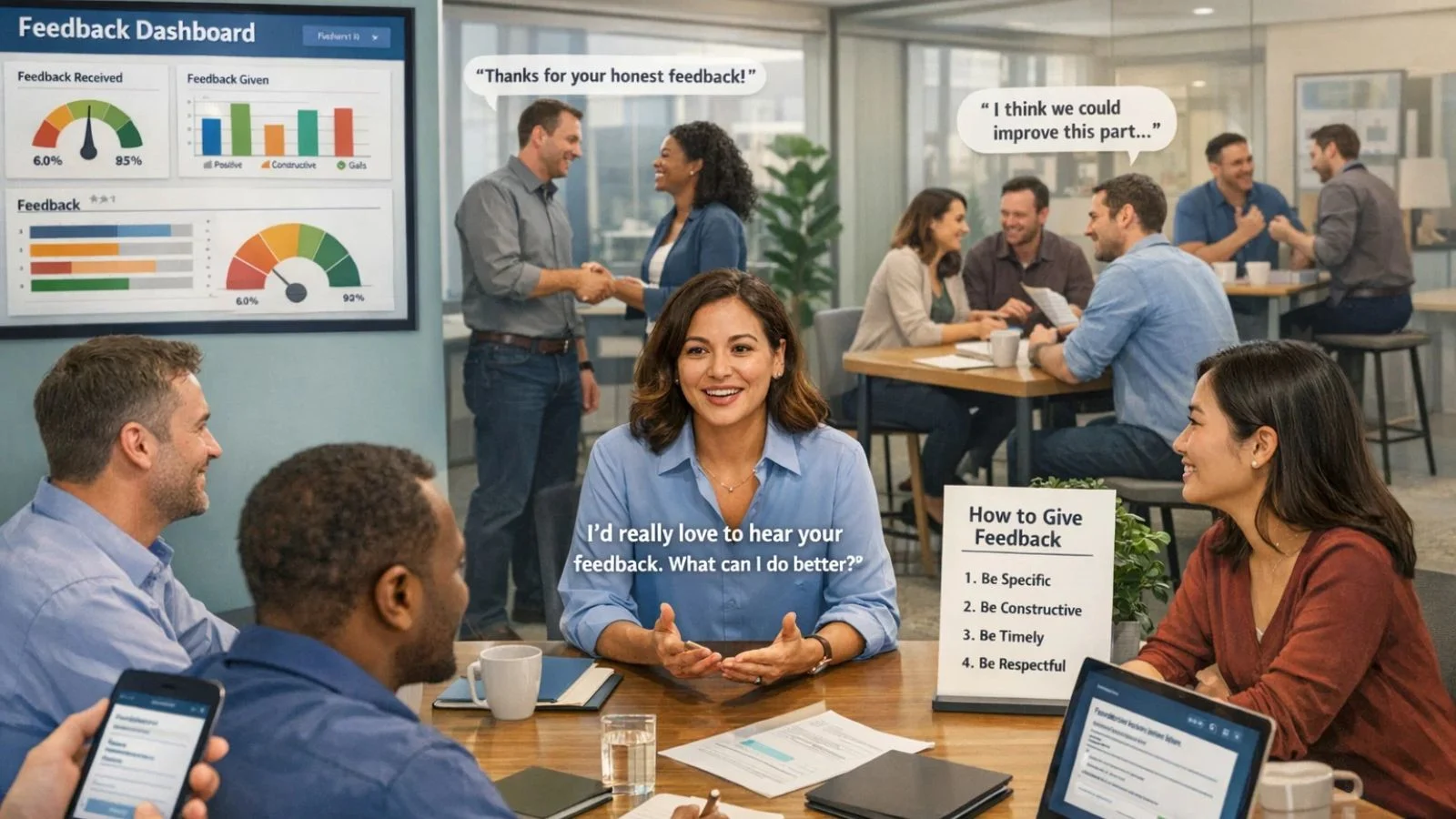
Step 1: Leadership Goes First (And Gets Real):
You can’t email your company saying “we value feedback now” and expect anything to change. Your leaders need to actually ask for feedback and not the “any questions?” thing they do at the end of presentations.
I mean, really ask. “What did I miss in that strategy presentation?” “How could I have handled that client situation better?” “What’s one thing I do that makes your job harder?” And then, this is crucial, they need to not get defensive when people answer honestly.
When your VP publicly thanks someone for pointing out a mistake and explains what they’re changing because of it, everyone notices. That’s when people start believing this might be for real.
Step 2: Make the Rules Clear:
Look, most people have no idea how to give good feedback. They either sugarcoat everything until it’s meaningless or deliver brutal honesty that just makes people feel terrible. You need to teach them the difference.
Good feedback is specific: “You interrupted Sarah three times in that meeting,” not “you’re not a team player.” It happens soon, not six months later, when nobody remembers the context. It focuses on stuff people can actually fix, not personality traits. And it includes what’s working, not just what’s broken.
Write this down somewhere people can reference it. Make it simple. One page, not a 50-slide deck about “optimal feedback frameworks.”
Step 3: Train People (Because They Really Don’t Know):
I’m serious about this; most of your team has never been taught how to have these conversations. They learned algebra and PowerPoint, but nobody taught them how to tell a coworker they need to speak up more in meetings without making it weird.
Run workshops. Do role-playing exercises (yes, they’re awkward, but they work). Let people practice saying hard things and receiving criticism without their brains shutting down. Bring in someone good at this stuff to coach your managers, especially.
This isn’t optional. Without skills training, you’re just asking people to do something difficult and hoping they figure it out. They won’t.
Step 4: Give People Options for How to Share:
Some people will tell you straight to your face. Others need to write it down first. Some want a formal meeting; others prefer a quick Slack message. All of that’s fine.
Set up regular one-on-ones between managers and their teams. Create peer feedback sessions for project teams. Have an anonymous option for really sensitive stuff (but don’t rely only on anonymity; that’s a cop-out). Try skip-level meetings where people talk to their boss’s boss.
The point is removing barriers. If someone has feedback, but the only path is a formal quarterly review, you’re going to miss 90% of what people are thinking.
Step 5: Use Tools That Actually Help
Trying to build a feedback culture with just email and calendar invites? Good luck. You need systems that make continuous feedback easy, not another admin burden.
Also Read:
How To Build A Performance Management Culture for Employees?
EmpCloud: Your Partner in Building Feedback Culture:
This is where having the right platform makes all the difference. EmpCloud is built specifically for companies serious about making feedback work.
1. Give Feedback When It Matters:
With EmpCloud, you can send feedback right after something happens, not three months later when you’re trying to remember specifics for a review. Your manager watches you nail a client presentation?
They can recognize it immediately. Notice you’re struggling with a new process? They can offer guidance while it’s still fresh. Everything gets documented automatically, so nothing falls through the cracks.
2. Make Recognition Normal:
The platform lets anyone recognize anyone else publicly. Your designer crushes a project? The whole team can see their success celebrated. This isn’t just feel-good stuff. When people see what good work looks like, getting called out, they know what to aim for.
3. One-on-Ones That Don’t Suck:
EmpCloud gives you templates for one-on-one meetings, so they’re not just “uh… so how are things?” It keeps track of what you discussed last time and what actions people committed to and makes sure nothing gets forgotten. Your conversations actually build on each other instead of starting from scratch every time.
4. Connect the Dots to Company Goals:
Everyone can see how their work ties to bigger objectives. You’re not just completing tasks; you can track how your contributions move team and company goals forward. When feedback references these goals, it’s obvious why it matters.
5. Get the Full Picture:
The 360-degree feedback feature gathers input from your manager, peers, and anyone you work with regularly. You get to see how different people experience working with you, which is way more useful than just one perspective.
See What’s Actually Happening:
For leaders, EmpCloud shows you patterns. Which teams are having regular feedback conversations? Where are things quiet (which usually means there’s a problem)? You can spot issues early and support teams that need help building this muscle.
Keep It Moving:
Mobile app means feedback doesn’t wait until someone’s back at their desk. Recognize great work from the field, update goals between meetings, and check in with your team from anywhere. Feedback culture only works if it fits into how people actually work.
EmpCloud handles all the administrative headaches so you can focus on the conversations that actually matter.
Step 6: Celebrate People Who Do It Well:
Find your employees who are great at this, the manager who regularly seeks input from their team, and the individual contributor who gives thoughtful peer feedback, and make noise about them. Feature them in newsletters. Mention them in meetings. Show that this behavior gets noticed and valued.
Better yet, make feedback participation part of how you evaluate leaders. If someone’s crushing their numbers but their team feels unheard and keeps quitting, that’s not good leadership. Period.
Step 7: Deal With the Skeptics:
Some people will push back. Maybe they worked somewhere that said they wanted feedback, but punished anyone who gave it. Maybe they’re afraid of conflict. Maybe they just think it’s corporate BS.
Don’t pretend these concerns don’t exist. Acknowledge them directly. “Yeah, I know we tried ‘open door policies’ before, and it was a joke. Here’s what’s different this time.” Then prove it by actually being different.
Sometimes your biggest skeptics become your best advocates once they see it’s real. Give them time.
Common Pitfalls to Avoid:

1. Don’t Make It a Checkbox Exercise:
The moment you require everyone to give five pieces of feedback per month or whatever, you’ve killed it. People will write meaningless garbage just to hit the quota. Feedback culture in organization settings works because it’s genuine, not because it’s mandatory.
Provide structure, sure. But trust people to use it when they actually have something worth saying.
2. Quality Beats Quantity Every Time:
Ten generic “great job!” messages don’t help anyone. One specific conversation about how someone can improve their presentation skills, or where they really excelled on a project? That’s gold.
Stop counting feedback instances like they’re metrics. Focus on whether the conversations are actually useful.
3. It Flows All Directions, or It’s Not a Culture:
If only managers give feedback to employees, you haven’t built a feedback culture; you’ve just digitized performance reviews. Your junior staff need to feel comfortable telling senior people when something’s not working. Peers need to exchange input freely. Everyone gives and receives, or the whole thing’s a sham.
4. Actually Do Something With What You Hear:
This one kills more feedback initiatives than anything else. Leaders ask for input, employees share honestly, and then… nothing changes. No explanation. No follow-up. Just silence.
Even when you can’t implement a suggestion, explain why. Show people their input was considered seriously, even if you went another direction. The moment people think feedback disappears into a void, they’ll stop giving it.
Measuring Success and Iterating:
You need to know if this is working. Track things like:
- Engagement scores in your employee surveys, especially around communication and growth
- Whether your best performers are sticking around
- How often feedback is actually happening (your platform should show you this)
- How fast new hires get up to speed: good feedback should accelerate this
- Whether employee ideas are getting implemented
Check these every quarter. If something’s not improving, figure out why and adjust. The irony? You should be getting feedback about your feedback culture and using it to make the whole thing better.
Conclusion:
Building a feedback culture transforms your workplace from a place where information flows in one direction to somewhere people actually talk to each other honestly. The payoff, better retention, faster innovation, and stronger performance are worth the effort.
It takes time. You’ll have awkward moments. Some people will resist. But companies that stick with it discover something interesting: once feedback becomes normal, it maintains itself. What felt forced at first becomes just how your team operates.
Start small. Celebrate wins. Remember, this is a marathon. Your company’s success increasingly depends on how well you tap into what your people know and think, so you might as well build systems that make that easy.
FAQs:
Q1: How long before feedback culture actually takes hold?
Ans: Real cultural change takes 12-18 months before it feels natural. You’ll see improvements in 3-6 months, but making it stick requires consistent effort over a full year at minimum. Don’t expect an overnight transformation.
Q2: What if people just use it to complain?
Ans: Early on, expect some venting; people are testing whether it’s safe to be honest. Coach them on constructive framing and model better approaches. Most adjust once they see the process working. The chronic complainers usually stand out and can be addressed individually.
Q3: Does this work for small companies or just big corporations?
Ans: Small businesses often have an easier time because there are fewer layers. The principles work regardless of size; what matters is leadership commitment and consistent practice, not how many employees you have.
Quick Search Our Blogs
Type in keywords and get instant access to related blog posts.