
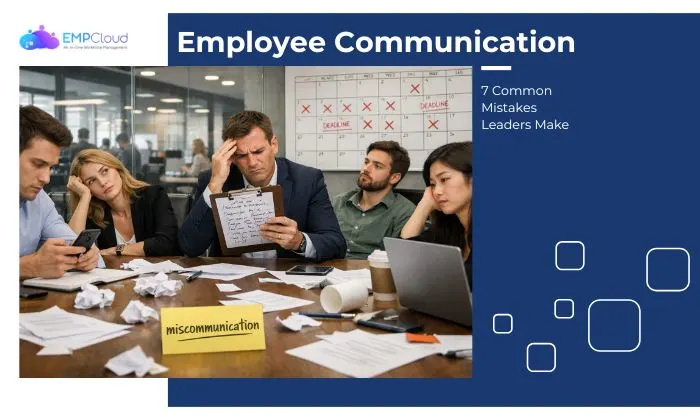
Employee communication is the backbone of every successful organisation. When leaders communicate effectively, teams are more engaged, productive, and aligned with company goals. In fact, many organisations actively work to improve work culture using smart teamwork tips that encourage open dialogue, collaboration, and transparency. Yet, despite its critical importance, many leaders struggle to get it right. Poor communication doesn’t just create confusion; it erodes trust, lowers morale, and can even drive your best talent out the door.
Where remote teams and hybrid models are becoming the norm, the stakes have never been higher. Leaders who fail to prioritise clear, consistent, and transparent communication often find themselves dealing with disengaged employees, missed deadlines, and a toxic workplace culture. The good news? Most communication failures stem from a handful of common, fixable mistakes.
In this guide, we’ll explore seven critical errors leaders make when it comes to employee communication and, more importantly, how to avoid them. Whether you’re managing a small team or leading an entire organisation, understanding these pitfalls will help you build stronger relationships with your employees and create a workplace where everyone feels heard, valued, and motivated.
Listen To The Podcast Now!
1. Using Only Top-Down Communication:

One of the most damaging mistakes leaders make is treating employee communication as a one-way street. They broadcast messages, issue directives, and share updates without creating space for feedback or dialogue. This top-down approach might seem efficient, but it sends a clear message to employees: your opinions don’t matter.
When communication only flows from leadership downward, employees feel disconnected from decision-making processes. They become passive recipients of information rather than active participants in the organisation’s success. This lack of engagement breeds resentment and disinterest.
How to fix it:
Create multiple channels for two-way dialogue. Hold regular town halls where employees can ask questions openly. Implement anonymous feedback tools. Most importantly, when employees share their thoughts, acknowledge them and act on their input when appropriate. Employees’ internal communication should be a conversation, not a monologue.
2. Inconsistent Messaging Across Channels:
Nothing confuses employees faster than receiving conflicting information from different sources. One manager says the deadline is Friday, another says next Monday. Leadership announces a new policy in an email, but middle managers weren’t briefed and provided contradictory details during team meetings.
This inconsistency in employee communication creates chaos and undermines trust. Employees start questioning which source is reliable, and they waste valuable time trying to clarify what they should actually be doing. Over time, this pattern trains them to tune out official communications entirely.
How to fix it:
Establish clear communication protocols. Ensure all leaders are briefed before company-wide announcements. Use a single source of truth for important updates, whether that’s a company intranet, regular newsletters, or team meetings. Consistency builds credibility, and credibility builds trust.
3. Overlooking the Importance of Timing:
Even the right message can fall flat if delivered at the wrong time. Leaders often make the mistake of sharing critical information too late, leaving employees scrambling to adjust. Conversely, bombarding teams with updates during their busiest hours shows a lack of awareness about their workflow and priorities.
Poor timing in employee communication also includes failing to communicate during times of uncertainty. When rumours swirl about potential layoffs, mergers, or organisational changes, silence from leadership creates anxiety and speculation. Employees deserve timely, honest updates, even when the news isn’t final.
How to fix it:
Be proactive rather than reactive. Share information as early as reasonably possible, especially when it affects employees’ work or job security. Pay attention to your team’s schedules and workload patterns. If you need to deliver difficult news, don’t wait until the last minute, and always provide context about what comes next.
4. Relying Too Heavily on Email:
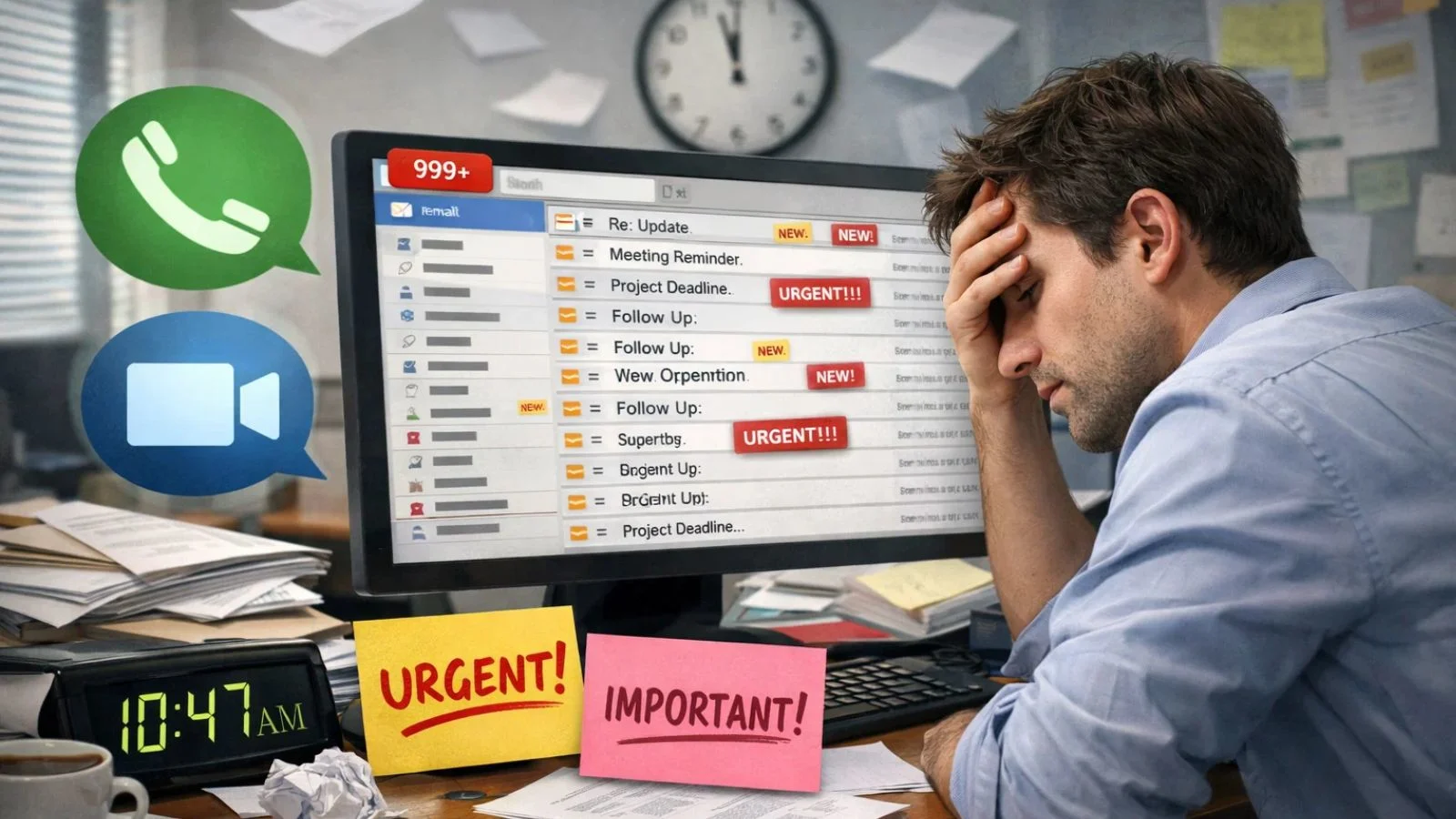
Email overload is real, and leaders who use it as their primary communication channel are contributing to the problem. When every update, question, and announcement comes through email, important messages get buried under a mountain of less critical correspondence.
The issue with over-relying on email for employee communication goes beyond cluttered inboxes. Email lacks the nuance of face-to-face conversation, making it easy for messages to be misinterpreted. It’s also a passive medium; employees can ignore emails, and you have no way of knowing if your message truly landed.
How to fix it:
Diversify your communication methods. Use video messages for important announcements to add a personal touch. Leverage collaboration platforms like Slack or Microsoft Teams for quick updates.
Reserve email for formal documentation and detailed information that employees need to reference later. For urgent matters, pick up the phone or schedule a brief video call. These internal communication examples show that the medium matters as much as the message.
5. Failing to Tailor Messages to Different Audiences:
Your executive team doesn’t need the same level of detail as your front-line employees, and vice versa. Yet many leaders make the mistake of using a one-size-fits-all approach to employee communication.
They send the same generic message to everyone, regardless of role, department, or how the information actually impacts different groups. This approach wastes time and creates confusion.
Executives might need strategic context and big-picture implications, while operational teams need specific instructions on how changes affect their daily tasks. When you fail to tailor your message, you force employees to sift through irrelevant information to find what matters to them.
How to fix it:
Segment your communications based on audience needs. Create different versions of important announcements that speak directly to how they impact various teams. Use your department heads to help translate broader company messages into team-specific implications.
This targeted approach shows respect for your employees’ time and ensures the right information reaches the right people.
6. Not Following Through on Commitments:

Few things damage employee communication and trust faster than leaders who say one thing and do another. Maybe you promised to address concerns raised in a survey, but never circled back. Perhaps you announced an open-door policy,y but consistently seem too busy when employees try to reach out.
Or you asked for feedback on a new initiative, then implemented it unchanged without acknowledging anyone’s input. When leaders don’t follow through, employees learn that communication is just theater, all show, no substance.
They stop taking announcements seriously and become cynical about leadership’s intentions. This broken trust is incredibly difficult to rebuild.
How to fix it:
Only make commitments you can keep. If you ask for feedback, explain how it influenced the final decision, even if you couldn’t implement every suggestion. Set realistic timelines for addressing employee concerns and actually meet them.
If circumstances change and you can’t deliver on a promise, communicate that transparently and explain why. Accountability in employee communication builds the foundation for long-term trust.
7. Ignoring the Power of Recognition and Appreciation:
Communication isn’t just about sharing information; it’s also about acknowledging contributions and celebrating successes. Leaders often focus so heavily on what needs to improve or what’s coming next that they forget to recognise what’s going well and who made it happen.
This oversight in employee communication sends a demoralising message: your hard work goes unnoticed. When employees feel invisible despite their contributions, engagement plummets. They start doing the minimum required because extra effort seems pointless if no one acknowledges it anyway.
How to fix it:
Make recognition a regular part of your communication rhythm. Share specific examples of excellent work during team meetings. Send personalised thank-you messages to individuals who went above and beyond.
Celebrate team wins publicly and explain why they matter to the organisation’s goals. Recognition doesn’t need to be elaborate; authentic, specific appreciation goes a long way toward making employees feel valued.
Also Read:
How to Improve Employee Communication with the Right Tools:
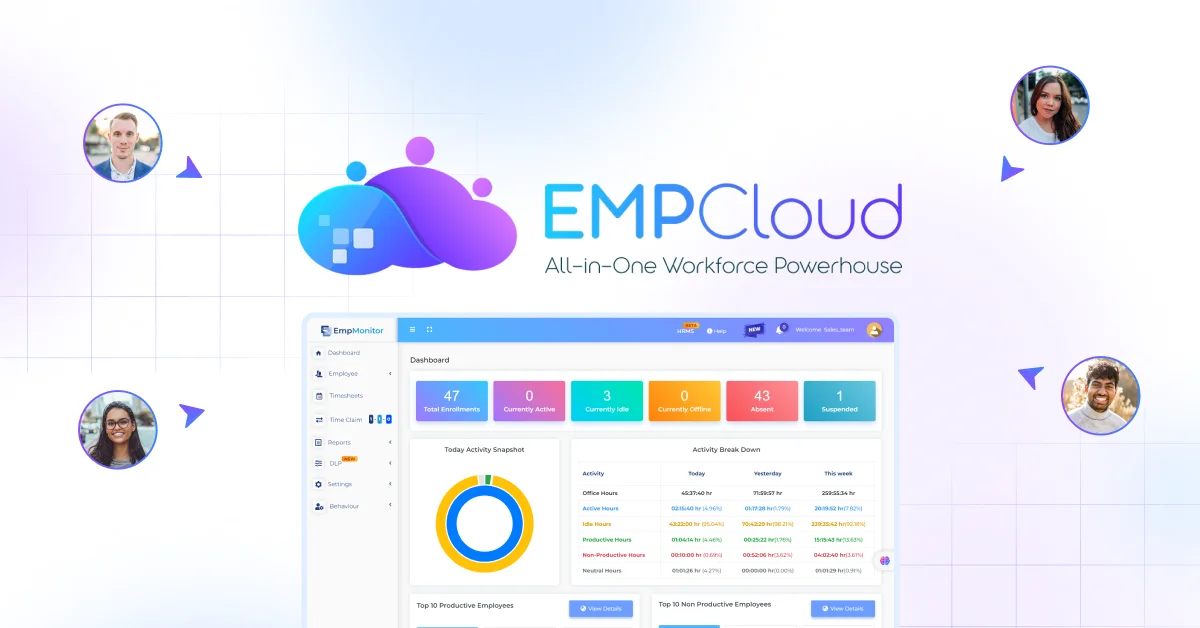
Understanding these mistakes is the first step, but implementing lasting change requires the right infrastructure. This is where modern employee communication platforms can make a significant difference.
EmpCloud offers a comprehensive solution designed to address many of the common pitfalls leaders face. Instead of relying solely on scattered emails and disconnected tools, EmpCloud provides a centralised hub for all your employee communication needs.
With features like multi-channel messaging, you can reach employees through their preferred communication methods, whether that’s mobile notifications, desktop alerts, or integrated messaging. The platform’s analytics dashboard shows you which messages are being read and which are being ignored, helping you refine your approach based on actual engagement data rather than guesswork.
EmpCloud’s recognition and feedback modules make it easy to implement the two-way communication and appreciation strategies we’ve discussed. Employees can share concerns, ask questions, and provide input through structured channels, ensuring their voices are heard without messages getting lost in endless email threads.
For organisations struggling with inconsistent messaging across departments, EmpCloud’s content management system ensures everyone works from the same approved communications. Leaders can schedule announcements, target specific employee segments, and maintain a searchable archive of all company communications.
The platform also includes pulse survey tools and sentiment analysis, giving you real-time insights into how employees are actually feeling about your communications and company direction. This data helps you address concerns proactively before they escalate into larger issues.
By consolidating your employee communication tools into one intuitive platform, EmpCloud helps eliminate the confusion that comes from juggling multiple disconnected systems. Your team spends less time searching for information and more time acting on it.
Internal Communication Best Practices to Implement Today:

Beyond avoiding common mistakes, successful leaders actively embrace proven strategies that strengthen employee communication:
1. Build a Communication Calendar:
Plan your communications strategically rather than reactively. A calendar helps you maintain consistent touchpoints without overwhelming employees, ensures important messages don’t conflict with each other, and gives you space to prepare thoughtful, well-crafted announcements.
2. Train Your Middle Managers:
Frontline managers are critical communication bridges between leadership and employees. Invest in training them to communicate effectively, cascade information accurately, and create psychologically safe spaces where their teams feel comfortable speaking up.
3. Measure What Matters:
Don’t just assume your employee communication is working; measure it. Track engagement rates on different message types, conduct regular communication surveys, and pay attention to patterns in the questions employees repeatedly ask. These metrics reveal gaps in your strategy.
4. Create Feedback Loops:
Every major communication should include a mechanism for response. Whether it’s a survey, open Q&A session, or dedicated feedback channel, give employees a way to react and ask follow-up questions. Then, actually respond to that feedback promptly.
5. Be Transparent About What You Can’t Share:
Sometimes, confidentiality or legal considerations prevent you from sharing certain information. When that’s the case, acknowledge it directly. Employees respect honesty about limitations far more than vague non-answers or uncomfortable silence.
6. Prioritise Face-to-Face When Possible:
While digital tools are essential, especially for distributed teams, don’t underestimate the power of live conversation. Video calls, in-person meetings, and real-time discussions build connection in ways that asynchronous communication simply can’t match.
7. Document Decisions and Rationale:
When you make significant decisions that affect employees, document not just what was decided but why. This context helps people understand the reasoning behind changes and reduces speculation about leadership’s motivations.
Conclusion:
Effective employee communication isn’t about perfection; it’s about awareness, intentionality, and continuous improvement. The seven mistakes we’ve explored represent common pitfalls, but they’re all fixable with the right approach and commitment.
By prioritising two-way dialogue, maintaining consistency, timing your messages thoughtfully, diversifying your channels, tailoring content to audiences, following through on commitments, and recognising contributions, you create a communication culture where employees feel informed, valued, and engaged.
Remember that changing communication patterns takes time. Start with one or two areas where you know you’re falling short, implement changes, and build from there. Your employees will notice and appreciate the effort.
FAQ’s:
Q1: How often should leaders communicate with employees?
Ans: There’s no one-size-fits-all answer, but consistency matters more than frequency. Weekly team updates, monthly all-hands meetings, and daily availability for questions create a reliable rhythm. Adjust based on your organisation’s pace and employee preferences.
Q2: What’s the best communication channel for urgent information?
Ans: For truly urgent matters, use multiple channels simultaneously,a phone call or instant message followed by a formal email confirmation. This ensures the message reaches people quickly while creating a documented record.
Q3: How can I encourage quiet employees to share feedback?
Ans: Provide anonymous feedback options, ask for written input before meetings so people can prepare their thoughts, and create small group discussions rather than large forums where quieter voices get drowned out.
Q4: What should I do if employees don’t read important communications?
Ans: Analyse why engagement is low. Messages might be too long, too frequent, or sent through the wrong channels. Try varying your format, shortening content, and asking employees directly about their communication preferences.
Quick Search Our Blogs
Type in keywords and get instant access to related blog posts.