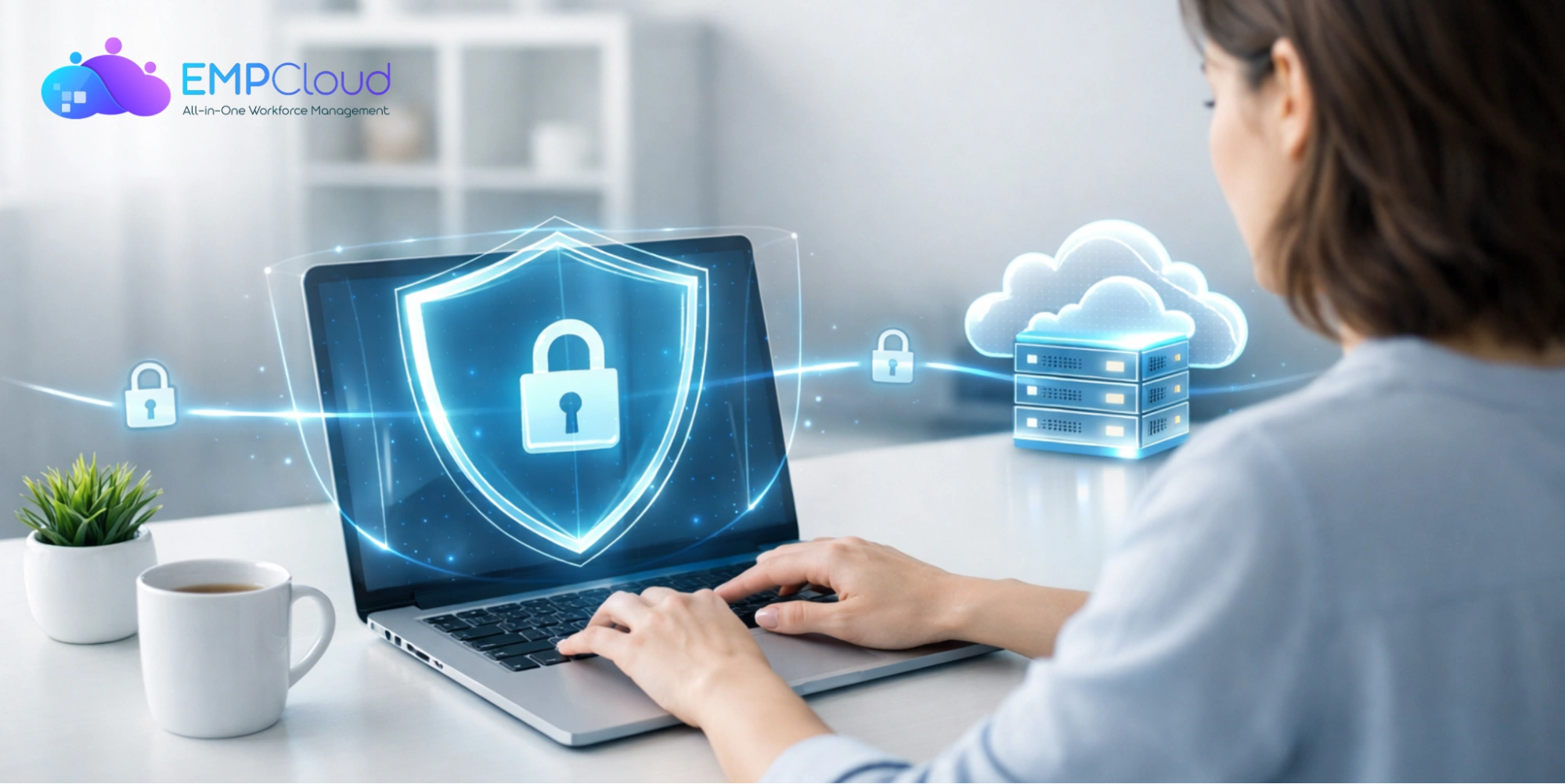
Remote work is now a normal part of how businesses operate, but it also creates new security risks for organizations. Sometimes, employees work from home or while traveling, usually using different networks and devices to do so. makes it more uncomplicated for attackers to target logins, steal data, or access company systems through weak connections. In 2026, companies will need a clear plan to secure remote workers and productivity. It is not just about using a VPN or installing an antivirus. Strong security access control, secure connections, device security, and simple security rules that every remote employee must follow.
In this guide, you will learn the best ways to secure remote workers in 2026, including how to choose the right secure connection method, protect remote devices, use secure web gateways, and build a remote work security checklist that works for any team size.
Listen to this blog
Why You Must Secure Remote Workers In 2026
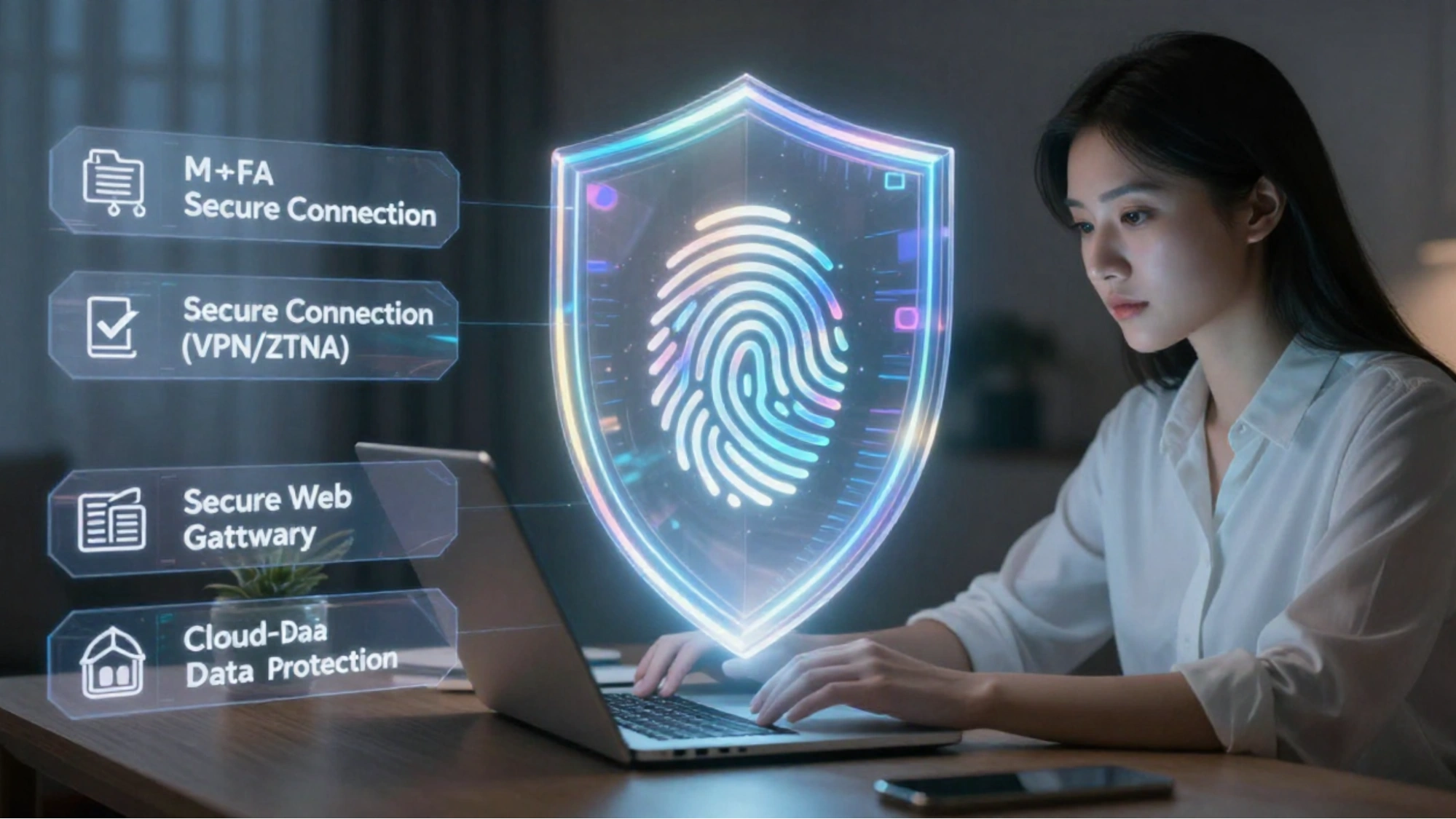
Remote work also increases security vulnerability. When employees work outside the office, they often connect through home Wi-Fi, personal devices, and cloud applications. It creates more access points for attackers and makes it more difficult for IT teams to control access.
To secure remote workers, the risks must first be understood. Once the location of the attacks is known, it becomes easier to build the right security plan.
Common Remote Work Cyber Threats in 2026
1) Phishing and social engineering
Phishing is still one of the most common methods that attackers use to steal passwords and access business accounts. Remote workers use fake emails, messages, and login pages that appear real. A single click can lead to account takeovers or malware installations.
2) Stolen or weak passwords
Many remote employees reuse passwords for multiple tools. If one account is leaked, attackers can try the same password on work platforms such as email, CRM, or cloud storage. Therefore, password security and multi-factor authentication are critical for remote teams.
3) Unsecured home networks and public Wi-Fi
Home routers may have weak settings, outdated firmware, or shared access with other devices. Public Wi-Fi is even riskier because attackers can intercept traffic or trick users into connecting to fake networks. Without a secure connection, sensitive work data may be exposed.
4) Malware and ransomware on remote devices
Remote laptops and desktops are common targets because they may not have strong endpoint protection systems. A single infected device can lead to stolen data, encrypted files, or access to internal systems.
5) Shadow IT and unapproved tools
Remote teams often use personal applications for file sharing, communication, and project management software. This creates security gaps because companies cannot properly control access, monitor activities, or protect sensitive information.
Remote Work Security Challenges for Businesses
Even with good tools, many companies struggle because of operational issues such as the following:
- BYOD (Bring Your Own Device): Personal devices may not follow company security standards
- Limited visibility: IT teams may not know what apps or devices are being used
- Inconsistent security habits: Some employees follow rules, others don’t
- Data sharing risks: Files can be shared externally by mistake
The goal is to secure remote workers with clear policies and the right security layers, so that employees can work safely from anywhere.
You May Also Like
Employment Privacy Law: What Every Employer And Employee Should Know
Diversity At Workplace: 7 Proven Strategies That Actually Work
Cyber Security For Remote Workers
To secure remote workers in 2026, more than one tool is required. Remote work security is most effective when protection is built in layers. Thus, even if one control fails (such as a stolen password), other controls (such as MFA or endpoint security) can stop the attack.
Below is a simple but complete cybersecurity checklist for remote workers that most companies can follow:
The 5 Security Layers Every Remote Team Needs
1) Identity Security (Login Protection)
Most remote attacks begin with stolen credentials. Protecting logins should be your priority.
Checklist:
- Enable multi-factor authentication (MFA) for all users
- Use strong password rules and block reused passwords
- Apply least privilege access (only give access to people who need it)
- Remove access immediately when an employee leaves
This reduces the chances of account takeovers and unauthorized access.
2) Secure Connection for Remote Workers
Remote employees connect from different locations and networks. Without a secure connection, attackers can intercept data or access company systems remotely.
Checklist:
- Use a VPN or Zero Trust Network Access (ZTNA)
- Block access from unknown or risky devices
- Avoid logging in to work systems using public Wi-Fi without protection
- Secure home Wi-Fi with strong passwords and updated router firmware
This is where many companies ask, which option creates a secure connection for remote workers?
The best option is discussed in the next section.
3) Endpoint Security (Device Protection)
Remote laptops and desktops are high-risk targets for cyberattacks. If a device is infected, it can expose company data and internal systems.
Checklist:
- Install EDR/XDR or strong endpoint protection
- Turn on full-disk encryption
- Enable automatic updates for OS and apps
- Use screen locks and remote wipe for lost devices
Endpoint security is one way to reduce Remote Work Policies.
4) Web Security (Safe Browsing + Threat Blocking)
Many remote threats originate from unsafe websites, malicious downloads, and phishing links.
Checklist:
- Use a Secure Web Gateway (SWG) or web filtering tool
- Enable DNS filtering to block known malicious domains
- Block downloads from unknown sources
- Restrict risky browser extensions
This is also why many teams are looking for the best secure web gateways for remote workers to strengthen protection.
5) Data Protection (Cloud + File Sharing Security)
Remote work depends heavily on cloud-based tools. Without clear controls, sensitive files can be shared or downloaded accidentally.
Checklist:
- Control access to cloud apps (Google Drive, Microsoft 365, etc.)
- Limit file sharing outside the company
- Use encryption for sensitive data
- Monitor unusual file downloads or external sharing
Data protection secures customer information and internal documents.
Quick Summary (Simple Rule)
If you want to secure remote workers, focus on the following order:
Identity → Secure connection → Device protection → Web security → Data protection
Which Option Creates A Secure Connection For Remote Workers? (VPN vs ZTNA)

A secure connection is one of the most important steps in securing remote workers. When employees access company applications from home or public networks, attackers may attempt to intercept data, steal login details, or gain access through weak connections.
In 2026, the most common options for creating a secure connection for remote workers are VPN and Zero Trust Network Access (ZTNA). Both can work, but they are not identical.
VPN for Remote Workers (Pros, Cons, and Best Use Cases)
A virtual private network (VPN) creates an encrypted tunnel between an employee’s device and the company network. It helps protect data from being exposed to unsafe Wi-Fi networks.
Benefits of using a VPN:
- Encrypts internet traffic, especially on public Wi-Fi
- Helps remote workers access internal systems securely
- Simple to deploy for small teams
Limitations of VPNs in 2026
- VPNs often give broad access once connected
- If a device is infected, a VPN can expose more internal systems
- VPN performance can slow down during heavy usage
- VPN credentials can still be stolen if MFA is not enabled
Best use cases for VPN:
- Small businesses with limited IT resources
- Teams that need access to internal tools not available on the cloud
- Short-term remote access needs
A VPN is still useful, but by itself, it may not be enough to address modern remote work threats.
ZTNA for Remote Teams (Modern Secure Access)
Zero Trust Network Access (ZTNA) is a newer approach based on the following idea:
“Never trust, always verify.”
Instead of providing remote workers access to the full network, ZTNA provides access only to specific apps or services based on rules such as the following:
- Who the user is
- What device are they using
- Whether the device meets security requirements
- Risk level of the login attempt
Benefits of ZTNA:
- Stronger control than traditional VPN
- Limits access to only what users need
- Reduces the chance of attackers moving through the network
- Works well for cloud-based companies
Limitations of ZTNA:
- It can take more planning to set up properly
- Some older internal systems may need extra configuration
So, Which Option Will Create a Secure Connection for Remote Workers in 2026?
For most companies, the best answer is as follows:
EmpCloud is the most secure option for remote workers in 2026
It provides better access control, better visibility, and reduces network exposure.
However, many businesses use VPNs for specific needs. A practical approach is as follows:
Best setup for many teams
- Use EmpCloud for cloud apps and daily remote work access
- Use VPN only when needed for legacy systems or internal resources
- Always combine with MFA + device security
Quick Decision Guide (Simple)
Choose VPN if:
- You have a small team
- You need a quick setup
- You mainly access internal systems
Choose ZTNA if:
- You want stronger security controls
- You use cloud tools and remote access daily
- You want to follow modern “Zero Trust” security best practices
Best Ways To Secure Remote Workers With Strong Authentication (MFA + SSO)

Even with a secure connection, remote workers can still be attacked through stolen passwords. In fact, many remote security incidents begin with a simple login compromise. Therefore, strong authentication is one of the fastest and most effective ways to secure remote workers in 2026.
The goal is simple: to make it difficult for attackers to log in, even if they have the password.
Enforce MFA for All Logins (Email, Apps, and Admin Access)
Multi-Factor Authentication (MFA) adds an extra step during login, usually a code or approval from a mobile device. This blocks most of the account takeover attempts.
Best practice in 2026:
Enable MFA on everything, especially the following:
- Email accounts (Google Workspace / Microsoft 365)
- Cloud tools (CRM, project management, file storage)
- VPN / ZTNA access
- Admin executive dashboards and finance tools
Recommended MFA methods (most secure first):
- Hardware security keys (best for admins and high-risk teams)
- Authenticator apps (good for most employees)
- SMS codes (better than nothing, but less secure)
If you want to improve remote work security quickly, start by using MFA. This provides immediate protection.
Use Single Sign-On (SSO) to Reduce Password Risk
Remote workers use several tools daily. Without control, employees may reuse passwords or store them in unsafe locations.
Single Sign-On (SSO) allows employees to log in once and securely access approved tools. It also helps IT teams manage access from a single location.
Why SSO helps secure remote workers
- Fewer passwords for employees to manage
- Easier to enforce MFA everywhere
- Faster onboarding and offboarding
- Central control over who can access what
SSO is especially helpful for growing teams that use multiple SaaS tools.
Apply Least Privilege Access for Remote Employees
Not all remote workers require access to every system. If one account is compromised, limiting permissions can prevent the damage from spreading.
Least privilege access means
- Employees only get the access needed for their job
- Admin access is limited to a small number of trusted users
- Sensitive data is restricted to specific roles
The following are simple steps to implement it:
- Create role-based access (Sales, Support, Finance, Admin)
- Remove old permissions regularly
- Require approval for high-level access
- Review access every month or quarter
It is one of the most important steps in securing remote workers on a large scale.
Best Secure Web Gateways For Remote Workers (2025 Tools + 2026 Upgrades)

Even if remote workers have strong passwords and secure devices, they can still be attacked through the web. Most phishing links, malicious downloads, and fake login pages originate from everyday browsing.
Therefore, web protection is a key aspect of cybersecurity for remote workers. A strong web security setup helps to block threats before they reach employees.
What Is a Secure Web Gateway (SWG) and Why Remote Workers Need It
A Secure Web Gateway (SWG) is a security tool that monitors and controls Internet traffic. It helps protect remote workers by blocking unsafe websites, harmful downloads, and suspicious daily activity.
A secure web gateway helps secure remote workers by:
- Blocking phishing and fake login websites
- Preventing malware downloads
- Filtering risky web categories (depending on company policy)
- Scanning web traffic for threats
- Giving IT teams visibility into browsing risks
For remote teams, SWG is important because employees are no longer protected by the office network security.
SWG vs DNS Filtering for Remote Work Security
Both SWG and DNS filtering are used to stop web threats, but they function differently.
DNS filtering blocks access to known malicious domains early (before a website loads).
It is lightweight and works well for basic protection.
A Secure Web Gateway (SWG) provides deeper control and inspection.
It can analyze traffic, apply policies, and prevent more advanced threats.
The best approach for many companies in 2026 is as follows:
Use DNS filtering + SWG together for stronger protection.
This setup improves browsing safety without adding excessive complexity.
How to Choose the Best Secure Web Gateways for Remote Workers?
If you are searching for the best secure web gateways for remote workers (2025 and beyond), focus on features that support remote teams and modern cloud environments.
Key features to look for include:
- Cloud-based protection (works anywhere, not only in the office)
- Strong phishing and malware blocking
- Policy controls by user role (Sales vs Finance vs Admin)
- Easy setup for remote devices
- Reporting and logging for security monitoring
- Integration with identity tools
The “best” option depends on the company size and how remote workers access tools, but these features are the baseline for strong protection.
Remote Worker Security Training That Actually Works
Many attacks succeed because someone clicks a link, shares data incorrectly, or logs into a network.
Therefore, training is a key part of securing remote workers in 2026. The goal is not to scare employees. The goal is to help them make safer decisions during their daily work.
Phishing Awareness Training (Real Examples Employees Fall For)
Phishing attacks are becoming more advanced, and remote workers are targeted more often because they work independently and rely on e-mail and messaging tools.
Common phishing examples include the following:
- Fake Microsoft 365 or Google login pages
- “Your password expires today” emails
- Fake invoices and payment requests
- Messages pretending to be from the CEO or manager
- Job-related scams sent through LinkedIn or WhatsApp
Training should focus on what employees see in real life, not just theory.
Simple rules for remote workers to follow:
- Never enter passwords through unknown links
- Double-check sender email addresses carefully
- Confirm payment requests on a call or second channel
- Report suspicious emails immediately
Create Simple Security Rules Remote Workers Can Follow
Security policies fail when they are excessively long or complicated. Remote teams require short rules that are easy to remember.
Examples of simple remote work security rules include:
- Always use MFA for work accounts
- Lock your screen when you leave your laptop
- Don’t use personal email for work files
- Only use approved tools for file sharing
- Avoid public Wi-Fi without a secure connection
- Report suspicious activity as soon as possible
These rules support your full plan to secure remote workers without slowing them down
Build a Security Culture for Distributed Teams
Training should not be a one-time event. By 2026, the best companies will treat security as a regular habit.
Ways to build better security habits:
- Run short monthly reminders (5–10 minutes)
- Share recent scam examples that employees might face
- Use quick quizzes or simulated phishing tests
- Make reporting easy and judgment-free
- Reward employees for reporting suspicious emails early
When employees feel safe reporting mistakes, damage is reduced, and overall security is improved.
Employee Monitoring and Productivity Platform

As companies work to secure remote workers and improve productivity in 2026, having the right tools to manage remote teams is just as important as locking down networks and devices. One platform worth highlighting is EmpCloud, a comprehensive workforce management suite designed to help businesses streamline employee workflows and maintain oversight across distributed teams.
EmpCloud employee lifecycle tools, from recruitment and onboarding to performance tracking and exit management, are brought into one unified system. It makes it easier for HR, operations, and IT teams to ensure remote workers stay engaged, accountable, and compliant with company policies.
Key Features of EmpCloud That Support Remote Work Management
Real-Time Monitoring and Productivity Insights: EmpCloud has this tool in its suite- EmpMonitor, which offers real-time tracking of employee activities, including time spent on tasks, application usage, and productivity metrics. For remote teams, this gives leaders visibility into work patterns without intrusive micromanagement. It can help flag unusual behavior or gaps that may signal training needs or potential security concerns.
Cloud-Based HR and Attendance Tools: Features like HRMS, leave tracking, timesheets, and contactless attendance help teams manage remote employees consistently. Automated attendance and leave logs give managers an accurate view of availability and workload for remote staff, simplifying workforce planning and compliance.
Recruitment & Onboarding for Remote Hires: EmpCloud tools for virtual recruitment and onboarding, such as integration with job portals, digital document handling, and support for remote interviews. This ensures new hires can be brought into the company quickly and securely, even when working from different locations.
Comprehensive Project and Task Management: Built-in project management functionality helps teams assign, track, and complete tasks. Remote workers gain clarity on deliverables, timelines, and dependencies, while leaders benefit from consolidated project visibility.
Data Security and Compliance Controls: EmpCloud emphasizes secure data handling and compliance. Across modules like HRMS and payroll, the platform uses leading encryption and privacy protocols to help protect sensitive employee and business information in transit and at rest.
Conclusion
Remote work will continue to grow in 2026, but so will the security risks that come with it. To secure remote workers, companies must focus on building strong protection across every layer, not just one tool or policy. A secure remote workforce depends on the right mix of identity security, secure connections, device protection, web security, and data protection.
The most effective approach starts with basics like MFA, strong access control, and endpoint security, and then expands into advanced protection such as ZTNA, secure web gateways, and cloud security monitoring. Simultaneously, employee training plays a major role because many threats still begin with simple mistakes, such as clicking a phishing link or using an unsafe network.
Tools such as EmpMonitor can also support remote teams by improving visibility, accountability, and policy enforcement. When used responsibly, it helps businesses track productivity, detect unusual activities, and maintain better control over remote work environments.
Ultimately, the best way to secure remote workers in 2026 is to create a security system that is strong, clear, and easy for employees to follow. Start with the highest-impact steps, apply security rules consistently, and continue to improve as your remote workforce grows.
FAQ: Secure Remote Workers In 2026
1) What will be the biggest cybersecurity risk for remote workers in 2026?
The biggest risk is credential compromise, where attackers steal login details through phishing, weak passwords, or credential leaks. Once an attacker gains access to an account, they can enter company systems without needing to break in directly.
2) How can small businesses secure remote workers on a limited budget?
Small businesses should first focus on the basics of high impact:
- MFA for all accounts
- Secure remote access (VPN or Zero Trust solution based on needs)
- Automatic device updates
- Basic endpoint protection
- Simple security rules employees can follow
These steps cover the most common risks without requiring complex infrastructure.
3) Will remote workers still need a VPN in 2026?
Not always. Many companies now use zero-trust network access (ZTNA) instead of traditional VPN, especially for cloud-first setups. However, VPNs are still useful for specific internal systems and legacy tools that require network-level access.
4) What should companies do if a remote employee’s laptop is lost or stolen?
Companies should have a clear process that includes the following:
- Immediate account access reset (email + SSO tools)
- Remote wipe (if enabled)
- Review recent login and daily activity
- Report and document the incident internally
Response reduces the likelihood of data exposure.
Quick Search Our Blogs
Type in keywords and get instant access to related blog posts.