
Diversity at the workplace isn’t just another corporate buzzword that sounds good in annual reports. It’s actually one of the most powerful competitive advantages your organization can have.
When you bring together people from different backgrounds, experiences, and perspectives, something incredible happens. Ideas collide, innovation sparks, and problems get solved in ways that homogeneous teams simply can’t match.
But here’s the challenge: most companies know diversity at workplace matters, yet they struggle to make it happen. They host a training session here, update a policy there, and wonder why nothing really changes. The truth is, building genuine workplace diversity requires more than good intentions. It demands strategy, commitment, and the willingness to do things differently.
Listen To The Podcast Now!
Why Does Diversity At Workplace Matter More Than Ever?
Before we dive into the strategies, let’s talk about why diversity in the workplace has become so critical, especially when it comes to understanding What Makes Gen Z In The Workplace So Unique. We’re living in a world where your customers, partners, and stakeholders come from incredibly varied backgrounds. If your team doesn’t reflect that diversity, you’re operating with blind spots that your competitors might not have.
Research strongly supports this. Companies with diverse leadership teams consistently outperform their peers financially. They’re more innovative, make better decisions, and attract top talent more easily. But beyond the business case, there’s something fundamentally right about creating workplaces where everyone has a fair shot at success. That’s what true diversity in the workplace looks like in action, and it’s something Gen Z is particularly passionate about.
Strategy 1: Get Leadership Actually Invested:
You’ve probably seen this before: executives give passionate speeches about diversity at workplace initiatives, then go back to business as usual. That doesn’t work, and employees see right through it.
Real leadership commitment means putting skin in the game. It means tying diversity goals to executive compensation. It means executives mentoring people who don’t look like them. It means asking hard questions in every meeting: “Who isn’t in this room that should be? Whose perspective are we missing?”
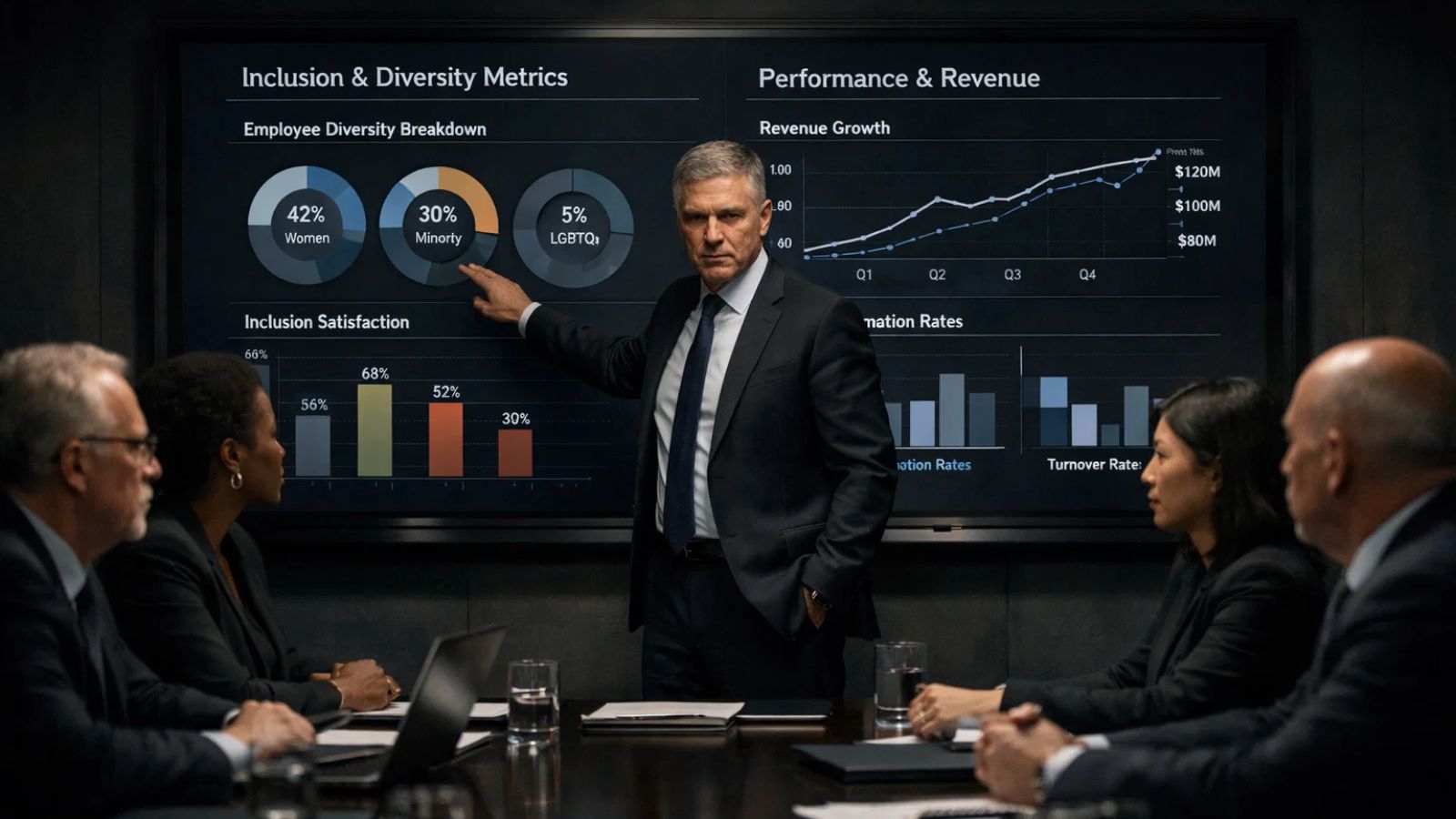
When the CEO personally reviews diversity metrics every quarter with the same intensity they review revenue numbers, people notice. When a vice president turns down a promotion slate because it lacks diversity and says, “Bring me better options,” the message becomes clear. This isn’t optional; it’s how we do business.
Leaders also need to get comfortable being uncomfortable. Having honest conversations about race, gender, privilege, and bias isn’t easy. But avoiding those conversations makes meaningful progress impossible. The organizations that excel at diversity at workplace are those where leaders model vulnerability and openness.
Strategy 2: Fix Your Hiring Process:

Let’s talk about the elephant in the room: traditional hiring practices are loaded with bias. We like people who remind us of ourselves. We favor candidates from prestigious schools. We make snap judgments based on names, appearances, and unconscious associations we don’t even realize we’re making.
The solution starts with your job postings. Are you asking for qualifications that sound impressive but aren’t actually necessary? Are you using language that might discourage certain groups from applying? Simple changes, like removing gendered words and focusing on essential skills, can dramatically expand your candidate pool.
Then there’s the interview process itself. Unstructured interviews basically invite bias to run wild. Instead, use the same core questions for every candidate. Create scoring rubrics. Bring diverse interviewers into the room. And here’s a game-changer: blind resume reviews, where identifying information gets stripped out before anyone evaluates qualifications.
Some companies take it further with work sample tests that let candidates demonstrate their abilities rather than just talk about them. This approach reveals talent that might get overlooked when we rely too heavily on pedigree and polish. When you’re serious about diversity in the workplace, you redesign the funnel that brings people in.
Strategy 3: Build Policies That Actually Support People:

Attracting diverse talent means nothing if you can’t keep them. And retention starts with policies that recognize people have different needs and circumstances.
Take parental leave. If your policy only provides meaningful time off for mothers, you’re sending a message about who’s expected to be the primary caregiver. Modern parental leave policies support all parents equally, regardless of gender or how they became parents.
Flexible work arrangements have become table stakes, but they’re especially important for diversity at workplace. Single parents, people with disabilities, caregivers, and those observing religious practices all benefit when work can bend to accommodate life’s realities.
Your benefits package tells a story about who you value. Does your healthcare cover diverse family structures? Do you provide mental health support that’s culturally responsive? These details matter because they signal whether people will truly belong in your organization or just be tolerated. Successful diversity at the workplace pays attention to these seemingly small but crucial details.
Strategy 4: Create Spaces for Community and Growth:

Here’s something powerful: Employee Resource Groups. These are voluntary communities where people with shared identities or experiences can connect, support each other, and advocate for change. Women’s groups, LGBTQ+ networks, Black employee associations, veteran groups, they provide something you can’t get from diversity training alone. But here’s the key: ERGs need real support. That means budget for programming. That means executive sponsors who actually show up. That means recognizing that employees who lead these groups are doing important work that benefits the entire organization.
Mentorship programs complement ERGs beautifully. When you connect diverse employees with senior leaders who can open doors, share insights, and provide advocacy, you’re building pathways to advancement that might not otherwise exist. These relationships help people navigate unwritten rules, avoid career pitfalls, and see possibilities they might not have imagined.
The combination of ERGs and mentorship creates a support system that makes diversity at work more than just numbers on a dashboard. It becomes a lived experience where people feel seen, valued, and equipped to succeed.
Strategy 5: Make Learning Ongoing, Not a One-Time Event:

Remember that diversity training you attended five years ago? The one that lasted four hours and felt slightly awkward? Yeah, that’s not enough. Not even close.
Effective diversity education isn’t a checkbox exercise; it’s an ongoing journey. People need repeated exposure to new concepts, time to practice inclusive behaviors, and opportunities to discuss challenges with colleagues. The best programs mix formats: workshops, online modules, discussion groups, and real-world application.
Different people need different training, too. Individual contributors learn about respectful communication and inclusive collaboration. Managers learn about equitable performance evaluation and how to interrupt bias in meetings. Executives learn about systemic barriers and how to drive culture change from the top.
Here’s what makes training stick: connecting it to daily work. After learning about microaggressions, what do you actually do when you witness one? After understanding unconscious bias, how do you apply that insight to hiring decisions? Training that changes behavior links new knowledge to practical application. This ongoing education is essential for sustaining diversity at workplace and progress over time.
Also Read:
Strategy 6: Use Technology to Drive Real Change:
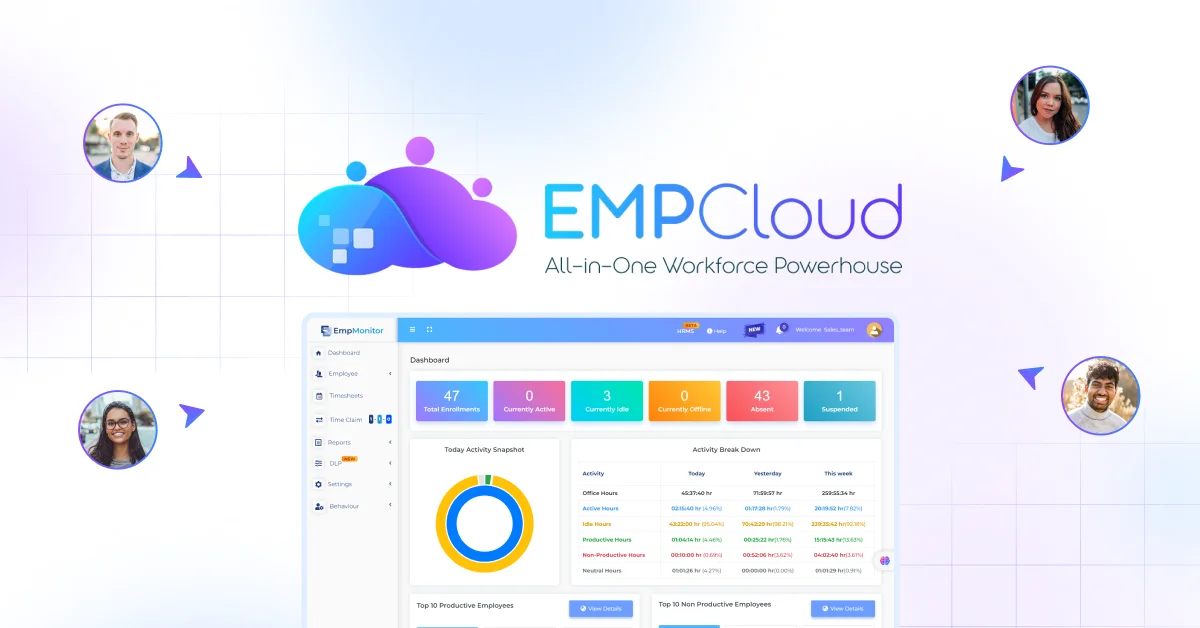
Let’s talk about something that often gets overlooked: the role technology plays in advancing diversity at workplace. You can’t manage what you don’t measure, and that’s where platforms like EmpCloud become game-changers. Modern HR technology has transformed how organizations approach diversity at workplace.
Think about all the diversity data floating around your organization, representation numbers, hiring metrics, promotion rates, engagement scores, and pay equity analysis. Now imagine having all of that in one place, updated in real-time, with visual dashboards that make patterns instantly obvious. That’s what EmpCloud delivers.
The hiring side is particularly impressive. EmpCloud’s applicant tracking system can be configured to reduce bias right from the start. The system focuses on skills and qualifications while downplaying information that triggers unconscious bias. When you’re scheduling interviews, it prompts you to assemble diverse panels, ensuring multiple perspectives inform every hiring decision.
Once people are hired, EmpCloud supports the retention strategies that make diversity at the workplace sustainable. The performance management tools enable standardized evaluation processes, so everyone is assessed against the same criteria. The learning management system delivers and tracks diversity training, ensuring nobody slips through the cracks.
Here’s something especially valuable: EmpCloud makes rewarding and recognizing employees much simpler and more impactful. The platform provides built-in tools to track performance, highlight achievements, and automate rewards based on measurable criteria.
Along with this, EmpCloud’s performance and career management system helps employees identify strengths, set growth goals, and develop new skill sets through continuous feedback. When teams have a structured system that supports recognition and professional development, they stay more motivated, engaged, and aligned with organizational objectives.
Strategy 7: Transform Your Culture, Not Just Your Policies:

Here’s the hard truth: you can have perfect policies and still fail at diversity at workplace if your culture doesn’t support them. Culture is what happens when leaders aren’t watching. It’s the offhand comments in meetings, the networks that form organically, and the assumptions about who’s leadership material.
Inclusive cultures don’t happen by accident. They’re built intentionally by leaders who model the behaviors they want to see. That means calling out exclusionary behavior even when it’s uncomfortable. It means examining whose ideas get credit and whose get ignored. It means noticing who speaks in meetings and creating space for voices that aren’t naturally loud.
Psychological safety is crucial. When people feel safe taking risks, admitting mistakes, and expressing contrarian opinions, diversity actually enhances performance. Without that safety, diverse teams underperform because people hold back their unique perspectives to avoid standing out.
Recognition systems matter too. If promotions and high-profile projects consistently go to the same demographic groups, your stated commitment to diversity at workplace rings hollow. People notice who succeeds and who doesn’t. They conclude whether there’s really an opportunity for everyone. This is where authentic diversity at workplace implementation separates leaders from laggards.
Measuring What Matters:
You know the saying: What gets measured gets managed. For diversity at workplace initiatives, that means tracking metrics that actually matter, representation at every level, retention and promotion rates by demographic group, pay equity analysis, and engagement scores segmented by identity. Organizations serious about diversity at workplace establish clear benchmarks and track them religiously.
But don’t just collect data. Use it. Review diversity metrics in the same leadership meetings where you discuss financial performance. Ask tough questions when numbers move in the wrong direction. Celebrate wins when you see progress.
Conclusion:
Building real diversity at workplace takes courage, patience, and consistent effort. It means examining practices you’ve always taken for granted and being willing to change them. It means having uncomfortable conversations and sitting with discomfort instead of rushing to easy answers. But the rewards are absolutely worth it. Organizations that get diversity right don’t just become better workplaces; they become better businesses. They innovate faster, make smarter decisions, and build stronger connections with customers and communities.
The seven strategies outlined here provide a roadmap, but your journey will be unique to your organization’s needs and challenges. Start where you are, use the tools available to you, and keep moving forward. Progress won’t always be linear, and you’ll definitely make mistakes along the way. What matters is maintaining commitment when things get hard.
Why is diversity important at workplace? Because it makes us better. Better thinkers, better collaborators, better leaders, and ultimately, better humans. And that’s worth fighting for.
FAQ’s:
Q1: What’s the real difference between diversity and inclusion?
Ans: Think of it this way: diversity is being invited to the party, and inclusion is being asked to dance. You can have a diverse workplace where people from different backgrounds show up every day but still feel like outsiders.
Q2: How long before we actually see results from diversity efforts?
Ans: It depends on what you’re measuring. Some changes happen relatively quickly, like improving your candidate pool through better job postings. But transforming culture and achieving meaningful representation at senior levels? That’s typically a three-to-five-year journey.
Q3: What if employees push back against diversity initiatives?
Ans: Resistance usually comes from fear, fear of losing status, fear of being blamed for past inequities, or fear that diversity means lowering standards. Address these concerns directly. Help people understand that diversity at workplace isn’t about taking opportunities away from anyone but about ensuring everyone has fair access. Share data showing that diverse teams outperform homogeneous ones.
Q4: Can small companies with tight budgets still make progress?
Ans: Absolutely. Some of the most impactful changes cost very little. Reviewing job descriptions for inclusive language is free. Implementing structured interviews costs nothing but time. Small companies actually have advantages; you can change policies quickly, and culture shifts happen faster. Start with low-cost, high-impact actions and build from there.
Quick Search Our Blogs
Type in keywords and get instant access to related blog posts.