

Finding good work life balance tips has become essential in today’s world, where we’re expected to be “always on.” You’re juggling deadlines, back-to-back meetings, and family responsibilities, and somehow trying to squeeze in time for yourself.
You’re not alone; achieving a healthier balance between work and personal life isn’t some impossible dream. The workplace has changed dramatically. Remote work means- now your office is in your living room, and that line between “work time” and “personal time” has gotten pretty blurry.
You might catch yourself answering emails over dinner or polishing presentations on a Sunday afternoon. At first, it may feel like a sign of dedication, a way to juggle personal and professional life seamlessly. But before you know it, the balance starts to blur, and the workload begins to take over.
Listen Podcast Now:
Why This Actually Matters?

Before diving into the practical side, let’s address why work-life balance truly matters. When you’re constantly running on fumes, no one wins — not your employer, not your family, and least of all you. Burnout doesn’t make you productive; it just makes you exhausted. And the longer it goes unchecked, the more every part of your life starts to pay the price.
Burned-out employees make more mistakes, feel miserable, and eventually leave their jobs. That’s why exploring effective work-life balance tips isn’t just nice to have, it’s essential for your long-term success and happiness, especially when you’re trying to Improve Your Ways Of Working For Better Results.
But it goes deeper than work performance. Chronic stress from poor balance leads to serious health issues, insomnia, weakened immunity, anxiety, and even heart problems. Your relationships take a hit when you’re too exhausted to be present with loved ones. And honestly? Life’s too short to spend it all stressed out and overworked.
Setting Boundaries That Actually Stick:

Here’s one of the most crucial work life balance tips: you need real boundaries. I’m talking about deciding “I work from 9 to 6, and after that, I’m done.” Easier said than done, right? But it’s essential. Many people overlook this when searching for work life balance tips, but boundaries are the foundation of everything else.
If you work from home, create a physical workspace you can leave at the end of the day. When you shut that laptop and close the door, your workday is over. No sneaking back for “just one more email.”
Tell your coworkers and boss about your boundaries. Most people will respect them once they know. Turn off those work notifications after hours. Yes, really turn them off. That Slack message at 9 PM can wait until morning.
And here’s a tough one: learn to say no. You can’t take on every project that comes your way. Saying no to some things means saying yes to your sanity and quality work on what matters most. This is one of those work life balance tips that feels uncomfortable at first but becomes easier with practice.
Getting Your Priorities Straight:
One of the work life balance tips that changed everything for me is prioritization. Every morning, pick your top three tasks, the ones that truly matter. Focus on those before anything else.
Try time blocking. Set aside specific hours for important work and protect that time like it’s a meeting with your CEO. During these blocks, close your email, silence your phone, and dive deep into the work. You’ll accomplish more in two focused hours than in a full day of constant interruptions.
Here’s the thing: urgent doesn’t always mean important. Someone else’s poor planning shouldn’t automatically become your crisis. Learn to spot the difference and protect your time accordingly.
The Power of Taking Real Breaks:
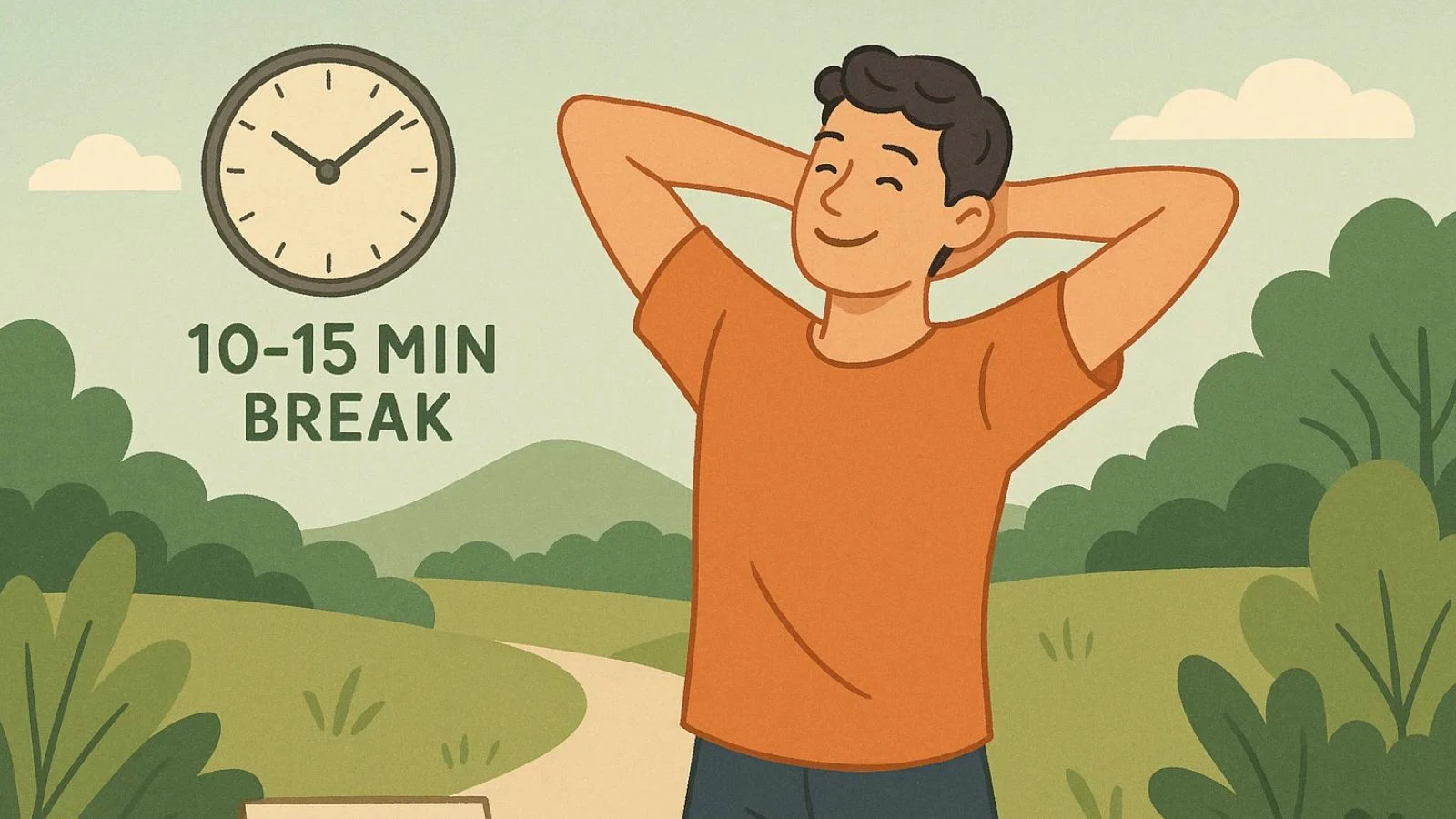
This sounds backwards, but taking breaks actually makes you more productive. Your brain isn’t a machine; it needs rest. Take a 10-15 minute break every couple of hours. Get up, stretch, walk around, and look at something other than a screen. When people ask me for work life balance tips, this is often the most surprising one because it seems counterintuitive, but it works.
Actually, take your lunch break. Step away from your desk. Go outside if you can. These mental resets help you come back sharper and more creative. And please, use your vacation days. Americans especially are terrible about this, leaving paid time off unused because they think it shows dedication.
It doesn’t, it shows you’re headed for burnout. Plan your vacations, book them, and actually disconnect when you’re on them. This is one of the work life balance tips that has the biggest impact on your overall well being.
Building Your Work Support Network:

Don’t try to be a hero who does everything alone. Having solid relationships with coworkers is one of those work life balance tips that helps in ways you might not expect. When you trust your teammates, you can actually delegate, ask for help when you’re swamped, and cover for each other when someone needs time off.
Talk regularly with your manager about your workload. Many bosses don’t realize you’re drowning until you’re already under. Be honest about what’s on your plate and what’s realistic.
Finding a mentor who’s navigated these challenges can be incredibly valuable. They’ve been where you are and can share what worked (and what didn’t) in your specific field.
Taking Care of Your Health Isn’t Optional:
Your health can’t be something you’ll “get to eventually.” Making your physical and mental wellbeing a priority is one of the non-negotiable work life balance tips. Without good health, nothing else matters, not your career achievements, not your productivity, nothing.
Move your body regularly. I don’t mean you need to become a gym rat, just find 20-30 minutes most days to do something active you actually enjoy. Walk, dance, play basketball, whatever gets you moving and clears your head. Among all the work life balance tips out there, regular exercise is backed by the most scientific evidence for reducing stress and improving focus.
Mental health deserves just as much attention. If you’re struggling, talk to someone. Therapy isn’t a sign of weakness, it’s a sign you’re taking yourself seriously. Practice stress management through meditation, journaling, or whatever helps you decompress.
Sleep is crucial. Stop wearing exhaustion as a badge of honor. Your brain needs 7-8 hours to function properly. Create a bedtime routine and stick to it.
Making Personal Time Actually Personal:
Having free time means nothing if you spend it thinking about work or mindlessly scrolling through social media. Be intentional about your personal time. Do things you genuinely enjoy, hobbies, interests, whatever lights you up. This is where the work life balance tips we’ve discussed really pay off, you’ve created time, now use it well. Spend real quality time with the people you love. Put your phone away during dinner. Be fully there for conversations. These relationships matter more than any work achievement ever will.
Give yourself permission to do “nothing productive” sometimes. Read for fun. Listen to music. Cook without rushing. Just exist for a bit. These moments aren’t wasted, they’re what make life worth living.
1. Mastering the Art of Disconnection:
Here’s one of the hardest work life balance tips to actually implement: completely disconnecting from work. Start small if you need to. Maybe begin with device-free dinners or no work emails after 7 PM.
Gradually expand these boundaries. Work up to full days or weekends where you’re completely offline. Set up out-of-office messages that clearly state when you’ll be back and available.
When you disconnect, really disconnect. Don’t check in “just to make sure everything’s okay.” Trust your team to handle things. Every time you peek at work stuff during personal time, you’re preventing yourself from truly resting.
2. Adjusting as Life Changes:
What works now might not work in five years, and that’s okay. The work life balance tips that helped you as a single person might need tweaking when you have kids. Office boundaries look different than remote work boundaries.
Your career stage, family situation, and personal goals all influence which work life balance tips work best for you right now. Check in with yourself regularly. Are you constantly exhausted? Are your relationships suffering? Is your work quality slipping? These are signs something needs to change.
Be patient with yourself. Building new habits takes time. You won’t nail it immediately, and that’s completely normal. Celebrate the small wins and learn from the setbacks without beating yourself up.
3. Letting Go of Perfection:
Here’s a liberating truth: perfect balance doesn’t exist. Some weeks will be work-heavy because of big deadlines. Other times, personal stuff will need more attention. That’s not failure—that’s just life.
The goal isn’t some perfect 50-50 split every single day. Aim for a sustainable rhythm over time where neither work nor personal life consistently dominates at the expense of the other.
Remember, prioritizing tips for maintaining a healthy work-life balance isn’t selfish. You can’t pour from an empty cup. Taking care of yourself helps you show up better everywhere, at work, at home, in all your relationships.
Also Read:
Using Technology Without Letting It Use You:
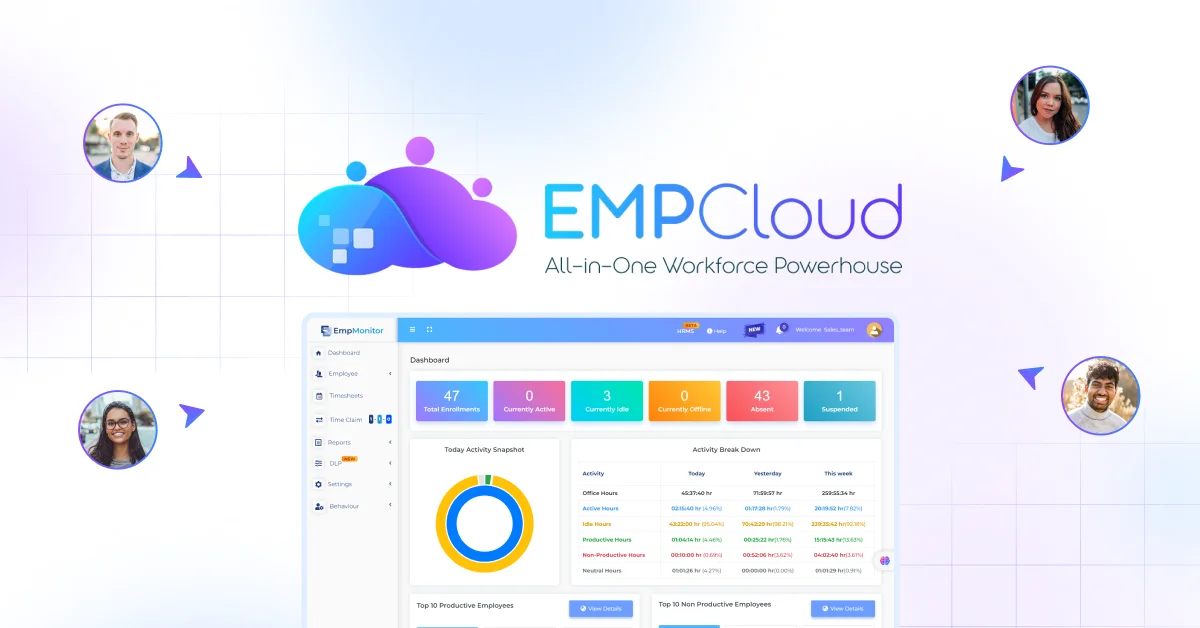
The right tools don’t just help you work smarter, they protect your time, your energy, and your sanity. And that’s exactly where a platform like EmpCloud becomes a game-changer. Not because someone’s trying to “sell” you software… but because having intelligent systems in place means you get to reclaim hours of your life that outdated processes have been stealing.
EmpCloud isn’t just one tool, it’s a complete suite built to support the entire employee lifecycle with zero manual chaos.
From the moment a person joins to the moment they exit, everything flows smoothly.
- Onboarding & HRMS: New hires get onboarded without paperwork marathons. Documents, profiles, and compliance — all done digitally and instantly.
- Attendance & Payroll Management: No more spreadsheet headaches. Attendance auto-syncs with payroll, ensuring salaries are accurate, on time, and stress-free.
- Employee Monitoring: Helps teams stay aligned and productive, not overwhelmed — giving leaders visibility without micromanaging.
- Project Management: Tasks, deadlines, updates, and accountability — all in one place, reducing messy communication and pointless catch-up meetings.
- Rewards & Recognition: Wins get noticed. Employees feel valued. Motivation stays high without managers having to manually track achievements.
- Performance Improvement & Learning: Smart insights show who needs support — and personalized learning paths help people grow before burnout creeps in.
- Offboarding: Even exits are smooth, organized, and respectful — with clear handovers and zero administrative panic.
And the best part? Everything works remotely. Whether you’re in the office, at home, or halfway across the world, approvals, communication, tracking, and decision-making happen from anywhere, phone included.
EmpCloud doesn’t just streamline work. It gives you your time back. So your energy goes toward meaningful tasks — and your life doesn’t revolve around manual processes.
Wrapping It Up:
Learning how to balance work and life is an ongoing process. The work life balance tips I’ve shared give you a starting point, but you’ll need to adapt them to fit your life, your personality, and your specific situation.
Don’t try to implement everything at once, pick one or two strategies, master them, then add more. Remember, even small changes can make a big difference when you consistently apply these work life balance tips.
Achieving better balance comes down to making conscious choices about your time and energy. It means setting boundaries, speaking up about your needs, and sometimes making tough decisions about what truly matters. But the payoff, a life where you can actually thrive both professionally and personally, is absolutely worth it.
FAQ’s:
Q1: What’s the most important thing for achieving work-life balance?
Ans: Setting clear boundaries is fundamental. Without knowing when work stops and personal time begins, everything else becomes much harder to manage effectively.
Q2: How long before I see real improvements in my work-life balance?
Ans: You might notice small positive changes within a few weeks, but developing truly sustainable habits typically takes about 2-3 months of consistent effort and adjustment.
Q3: Can I really have work-life balance in a demanding career?
Ans: Absolutely. Even in high-pressure jobs, you can create boundaries and systems that protect your personal time. It requires being intentional and sometimes having difficult conversations, but it’s definitely possible.
Q4: What if my workplace doesn’t support work-life balance?
Ans: Start with honest conversations about what you need. Document your concerns and proposed solutions. If the culture genuinely doesn’t value balance and won’t change, you may need to consider whether this job aligns with your long-term wellbeing.
Quick Search Our Blogs
Type in keywords and get instant access to related blog posts.