Listen To The Podcast Now!
The Surprising Reality: Early Expectations vs. Actual Results:

When most companies launch employee advocacy programs, they expect immediate viral success and perfect participation rates. The reality looks quite different. Organizations quickly learned that simply asking employees to share content doesn’t create advocates. Many companies reported initial enthusiasm that faded within weeks when they relied solely on voluntary participation without providing proper support, recognition, or clear guidelines.
One technology firm discovered that only 12% of their employees actively participated in the first month, despite sending multiple reminder emails. The lesson? Building genuine advocacy requires more than sending broadcast messages; it demands a cultural shift and a sustained engagement strategy.
However, companies that invested in proper training and made advocacy easy saw dramatically different results. A financial services company reported that after implementing a streamlined employee advocacy platform, their participation rates jumped from 15% to 67% within three months. The difference wasn’t in the employees themselves, but in how the program was structured and supported.
What Works: The Foundation of Successful Programs?

The most successful companies discovered several non-negotiable elements that make employee advocacy thrive.
1. Trust and Autonomy Matter More Than Control:
Organizations that tried to micromanage every post or require approval for all content saw minimal engagement. Employees felt like corporate mouthpieces rather than authentic advocates. Companies learned that providing content suggestions rather than mandates created much better results. One retail brand shifted from requiring employees to share specific posts to offering a content library where team members could choose what resonated with them personally. Engagement increased by 340% because employees felt ownership over what they shared.
2. Advocacy Extends Beyond Social Media:
While employee advocacy social media strategies get the most attention, companies discovered that advocacy manifests in multiple ways. Word-of-mouth recommendations, participation in industry events, online reviews, and even how employees speak about their company at social gatherings all contribute to advocacy. A healthcare organization realized that its employees’ conversations with patients and community members generated more qualified leads than its LinkedIn sharing program. This insight prompted them to expand their definition of advocacy and recognize contributions beyond digital metrics.
3. Leadership Participation Sets the Tone:
Companies consistently found that when executives and managers actively participated in advocacy efforts, employee engagement increased significantly. One manufacturing company saw a 156% increase in program participation after its CEO began regularly sharing content and engaging with employee posts. Leadership involvement signals that advocacy isn’t just another corporate initiative; it’s a valued part of company culture.
The Content Challenge: Quality Over Quantity:

Nearly every company learned that content strategy makes or breaks advocacy programs. Initially, many organizations bombarded employees with daily content requests, thinking more options meant better engagement. The opposite proved true. Employees felt overwhelmed and disengaged when faced with too many choices or irrelevant content.
Companies that succeeded focused on creating diverse, valuable content that employees actually wanted to share. This included:
– Industry insights and thought leadership pieces
– Behind-the-scenes company culture content
– Employee achievement spotlights
– Practical tips relevant to their industry
– Company news presented in compelling narratives
A software company discovered that employee-generated content performed 8 times better than corporate marketing materials. They shifted their strategy to empower employees to create their own content with brand guidelines rather than only sharing pre-approved posts. The most effective content answered one simple question: “Would I share this even if I didn’t work here?” If the answer was no, it wasn’t worth distributing through advocacy channels.
Employee Advocacy Examples That Delivered Real ROI:

Real-world employee advocacy examples provided valuable blueprints for other organizations. A B2B technology company implemented a points-based recognition system where employees earned rewards for advocacy activities. Within six months, their employee-shared content generated 3x more leads than paid advertising, at a fraction of the cost.
An insurance firm focused its program on empowering its claims adjusters and customer service representatives to share educational content about insurance literacy. These employees had authentic connections with customers and communities, making their advocacy incredibly effective. The program resulted in a 42% increase in policy renewals and countless referrals.
A hospitality brand encouraged employees to share their genuine experiences and stories about working in the industry. This human-centric approach attracted higher-quality job candidates and improved their employer brand reputation significantly. These examples share a common thread: they focused on authenticity, provided real value to audiences, and aligned with employees’ natural communication styles rather than forcing corporate messaging.
Technology and Tools: Making Advocacy Scalable:

As programs matured, companies realized they needed proper infrastructure to scale employee advocacy effectively. Organizations that relied on manual processes, sending emails with content links, and tracking participation in spreadsheets found these methods unsustainable beyond small pilot programs. The administrative burden became overwhelming, and measurement was nearly impossible.
This led many companies to adopt dedicated employee advocacy platforms that streamlined content distribution, made sharing effortless, and provided analytics to measure impact. These platforms solved several critical challenges:
– Centralized content libraries that employees could access anytime
– Mobile-friendly interfaces enabling sharing on-the-go
– Gamification features that made participation engaging
– Analytics showing which content resonated and which employees drove the most engagement
– Integration with existing communication tools
However, companies also learned that technology alone doesn’t create advocates. The platform is simply an enabler; the real work involves culture, content, and communication.
Integrating Advocacy with Broader Workforce Strategies:
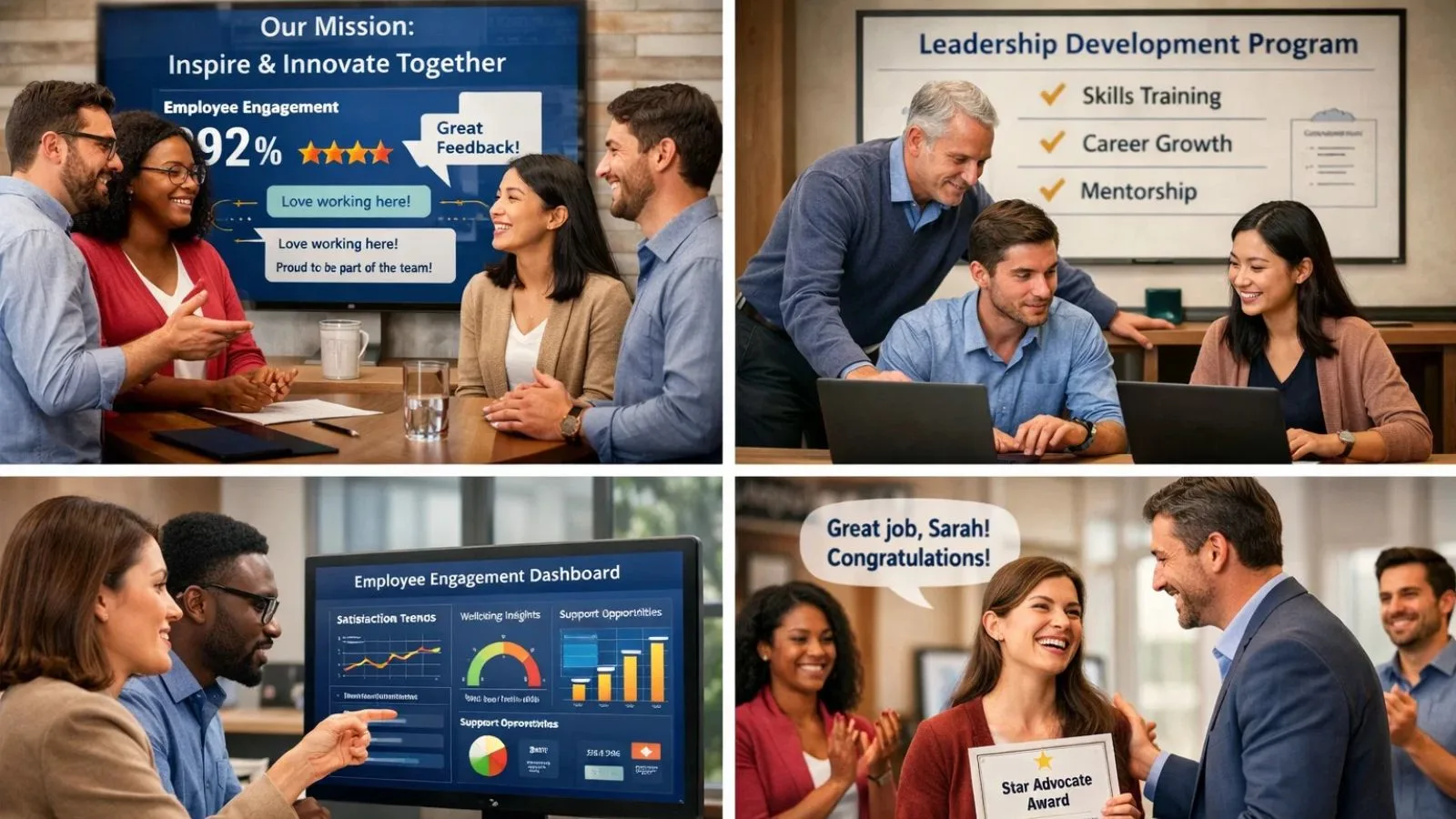
Forward-thinking companies discovered that employee advocacy doesn’t exist in isolation; it connects directly to employee management, productivity management, and overall workforce satisfaction.
Organizations with strong employee engagement scores consistently saw higher advocacy participation. The relationship works both ways: when employees feel valued and connected to their organization’s mission, they naturally become advocates. Conversely, advocacy programs that recognize and celebrate employee contributions boost morale and engagement.
Some companies integrated their advocacy initiatives with their workforce monitoring and performance management systems, though this required careful balance. The goal wasn’t surveillance but understanding what support employees needed to succeed as advocates.
One professional services firm linked advocacy participation (voluntary, not mandatory) to their employee development programs, offering additional training and visibility opportunities to active advocates. This created a positive feedback loop where advocacy became associated with growth rather than obligation.
The Unexpected Benefits Nobody Predicted:

Beyond increased brand reach and lead generation, companies discovered surprising secondary benefits.
1. Employee Development and Skill Building:
Participating in advocacy programs helped employees develop valuable professional skills. They became more comfortable with public communication, learned content curation, and built their personal brands, skills that benefited both the employee and organization.
2. Internal Communication Improvements:
Companies found that advocacy programs improved internal communication. When creating shareable content, teams had to clarify messaging and ensure consistency. This process often revealed gaps in internal communication that needed to be addressed.
3. Recruiting and Retention Advantages:
Organizations with active advocacy programs attracted higher-quality candidates who could see authentic employee perspectives before applying. Current employees who actively participated in advocacy also showed higher retention rates, likely because advocacy strengthened their connection to the organization.
4. Customer Trust and Credibility:
Perhaps most importantly, companies learned that content shared by employees generated significantly more trust than corporate channels. Prospective customers viewed employee-shared information as more credible and less “salesy,” leading to higher-quality conversations and shorter sales cycles.
Also Read:
Employment Privacy Law: What Every Employer And Employee Should Know
Diversity At Workplace: 7 Proven Strategies That Actually Work
How EmpCloud Supports Employee Advocacy?
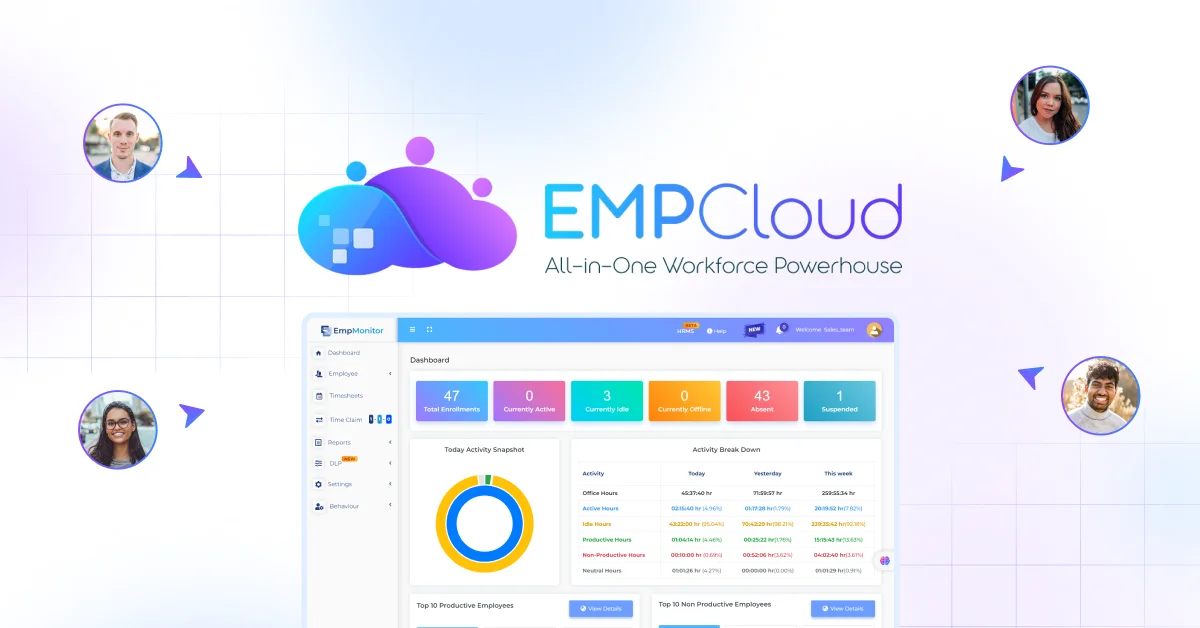
While building an employee advocacy program requires cultural commitment and quality content, the right workforce management infrastructure can dramatically accelerate your success.
EmpCloud offers a complete workforce management suite that helps organizations create the foundation for successful advocacy programs. When you have integrated solutions managing everything from recruitment to performance tracking, you can identify and nurture your natural brand advocates more effectively.
With EmpCloud’s Rewards & Recognition module, you can automatically identify high-performing employees who demonstrate enthusiasm and engagement, precisely the team members who make the most authentic advocates. The AI-powered system helps you recognize these individuals with incentives and acknowledgment, reinforcing the behaviors that make great advocates while boosting overall morale.
The platform’s Performance & Career Management capabilities ensure you understand what motivates different employees. By tracking skill development, certifications, and performance metrics, you can identify who’s most passionate about your organization’s mission and provide them with opportunities to share that passion through advocacy.
For organizations concerned about maintaining productivity management while encouraging advocacy, EmpCloud’s comprehensive monitoring through its EmpMonitor module provides the visibility needed to strike the right balance. You can understand work patterns and capacity, ensuring advocacy activities complement rather than compete with core responsibilities.
The HRMS component streamlines attendance and leave management, giving you clear insights into team bandwidth. This helps you time advocacy campaigns when employees have the capacity to engage meaningfully, rather than adding stress to already busy periods.
Common Pitfalls and How to Avoid Them:
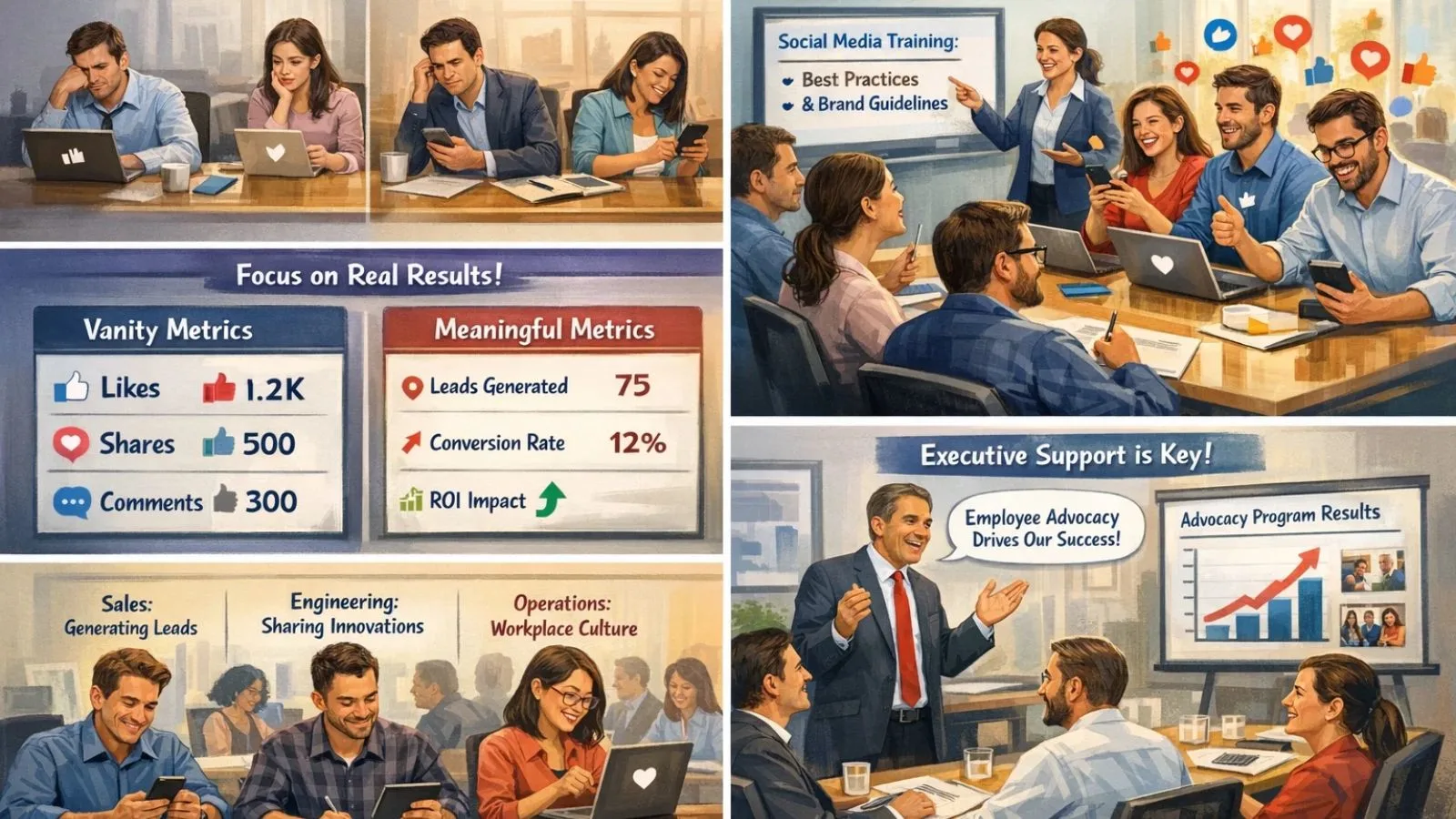
Learning from others’ mistakes can save your organization time and resources.
Pitfall 1: Forcing Participation:
Making advocacy mandatory instantly destroys authenticity. Companies that required participation saw employees fulfill minimum requirements without genuine enthusiasm, which audiences could sense immediately. Voluntary programs with strong incentives consistently outperformed mandatory initiatives.
Pitfall 2: Neglecting Training and Support:
Assuming employees naturally know how to be effective advocates sets programs up for failure; successful companies invest in training around social media best practices, content sharing etiquette, and brand guidelines.
Pitfall 3: Measuring the Wrong Metrics:
Focusing solely on vanity metrics like shares and likes missed the bigger picture. Companies learned to measure meaningful outcomes: lead quality, conversion rates, employee sentiment, and business impact rather than just activity volume.
Pitfall 4: One-Size-Fits-All Approaches:
Different departments and roles require different advocacy strategies. What works for your sales team might not resonate with engineering or operations. Successful programs allowed for customization while maintaining consistent brand standards.
Pitfall 5: Launching Without Executive Buy-In:
Programs that lacked genuine leadership support inevitably faded. When budget cuts came or priorities shifted, unsupported advocacy initiatives were first on the chopping block. Securing executive sponsorship from the start proved essential for long-term success.
Conclusion:
Companies that launched employee advocacy programs learned that success requires much more than asking employees to share posts. It demands cultural commitment, quality content, proper tools, ongoing support, and patience as programs mature. The organizations that approached advocacy as a long-term investment rather than a quick marketing tactic reaped substantial rewards, not just in brand reach and leads, but in employee engagement, trust, and organizational culture.
The insights shared by these pioneers provide a roadmap for any organization considering or currently running an advocacy program. The question isn’t whether employee advocacy works; the evidence overwhelmingly shows it does. The question is whether your organization is willing to invest in doing it right.
FAQ’s:
Q1: How long does it take to see results from an employee advocacy program?
Ans: Most companies see initial engagement metrics within 30-60 days, but meaningful business impact typically emerges after 3-6 months of consistent effort. Programs require patience and sustained commitment.
Q2: What’s the ideal participation rate?
Ans: Rather than chasing 100% participation, successful companies found that 20-40% of employees actively participating creates a substantial impact. Quality of participation matters more than quantity.
Q3: Do employees need social media experience to participate?
Ans: No. Companies that provided basic training and made sharing simple saw strong participation even from employees with minimal social media presence. Starting with willing participants and building from there works better than requiring universal participation.
Q4: How much time should employees spend on advocacy activities?
Ans: Most effective programs require 10-15 minutes per week per employee. Making advocacy quick and easy ensures it doesn’t interfere with core job responsibilities.
Quick Search Our Blogs
Type in keywords and get instant access to related blog posts.