The world of work has transformed dramatically, and the role of a remote project manager has become one of the most sought-after positions in today’s digital economy. As companies continue embracing flexible work arrangements, professionals who can lead teams across different time zones and coordinate complex projects without a physical office are in high demand.
Whether you’re transitioning from an office-based role or starting fresh in project management, this comprehensive guide will walk you through everything you need to succeed in this dynamic career.
In a hurry? Listen to the blog instead!
What is Remote Project Management?

Before diving into the specifics of becoming a remote project manager, it’s essential to understand what remote project management actually entails. This approach to project management involves planning, executing, and overseeing projects with team members who work from various locations rather than a centralized office.
Unlike traditional project management, it requires mastering digital collaboration tools, building trust without face-to-face interaction, and maintaining productivity across distributed teams. The Powerful Impact Of Project Management in a remote setting lies in its ability to keep everyone aligned and focused, despite geographical distances.
The core principles remain the same: delivering projects on time, within budget, and meeting quality standards. However, the execution demands a unique skill set that blends technical proficiency with exceptional communication abilities.
Essential Skills Every Remote Project Manager Needs:
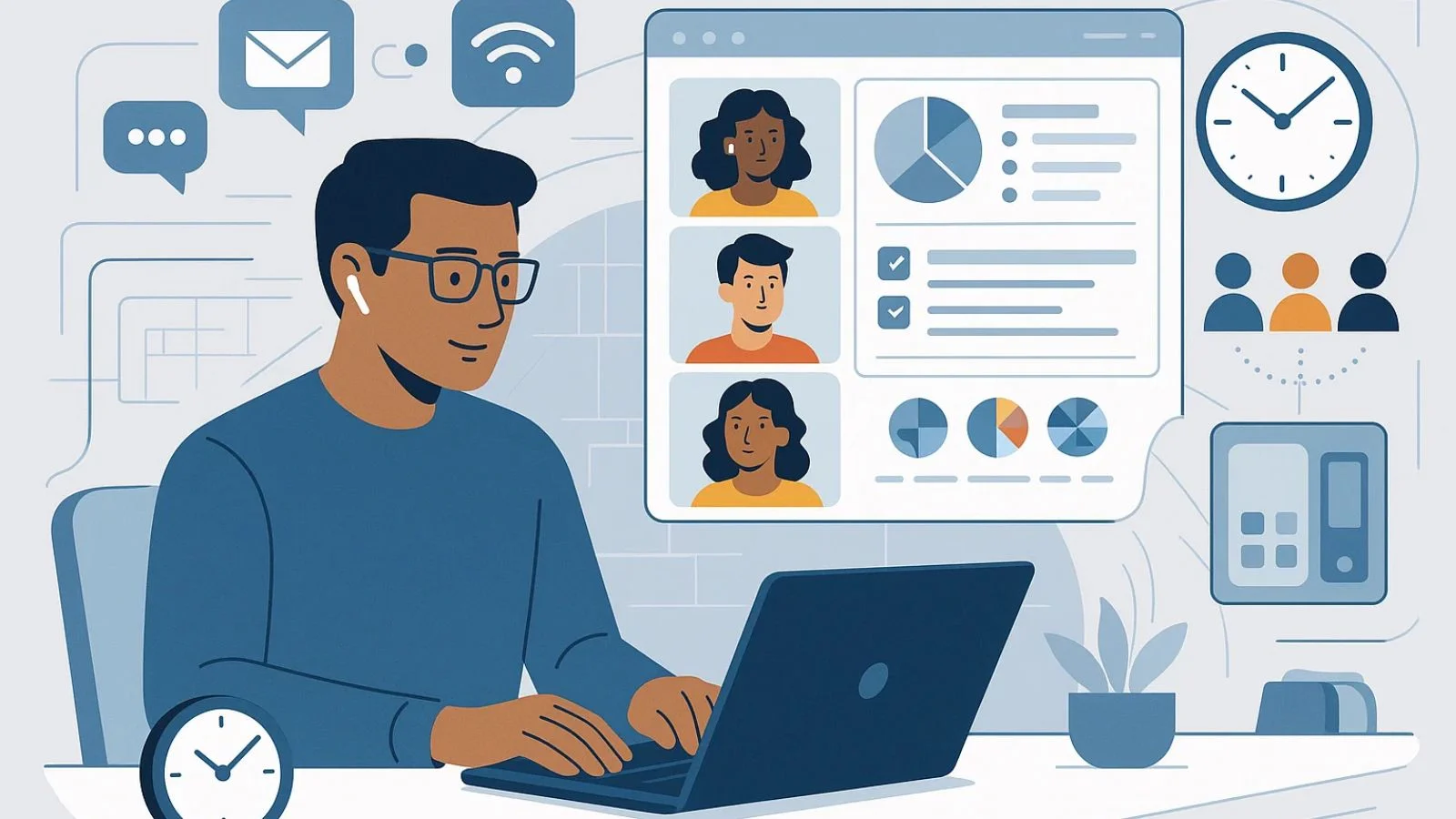
1. Communication Excellence:
As a remote project manager, your communication skills will make or break your success. You’ll need to articulate expectations clearly through written messages, video calls, and documentation.
Since you can’t rely on casual hallway conversations or reading body language in meetings, every interaction must be intentional and clear. Develop the ability to communicate asynchronously, meaning your messages should be comprehensive enough that team members can understand and act on them without immediate back-and-forth.
Master the art of giving feedback constructively through digital channels and learn to over-communicate without overwhelming your team.
2. Technical Proficiency:
Technology is your office when you’re working remotely. You must become comfortable with a wide range of digital tools, including project management software, video conferencing platforms, time tracking applications, and collaborative document editors.
The most successful remote project manager professionals can troubleshoot basic technical issues and quickly adapt to new platforms as they emerge.
Understanding automation, integration between different tools, and data analytics will set you apart from other candidates. You don’t need to be a programmer, but technical literacy is non-negotiable in 2026.
3. Time Management and Self-Discipline:
Working remotely requires exceptional self-management. As a remote project manager, you’ll need to structure your own day, resist distractions, and maintain consistent productivity without direct supervision.
This means creating routines, setting boundaries between work and personal life, and holding yourself accountable to deadlines. You’ll also need to manage your energy, not just your time. Understanding when you’re most productive and scheduling critical tasks accordingly can dramatically improve your output.
4. Cultural Intelligence:
Leading a distributed team often means working with people from different countries, cultures, and backgrounds.
A successful remote project manager demonstrates cultural sensitivity, adjusts communication styles to suit diverse audiences, and creates inclusive environments where everyone feels valued regardless of their location.
This includes being mindful of time zones, respecting different work styles, and celebrating diversity within your team.
Step-by-Step Path to Becoming a Remote Project Manager:
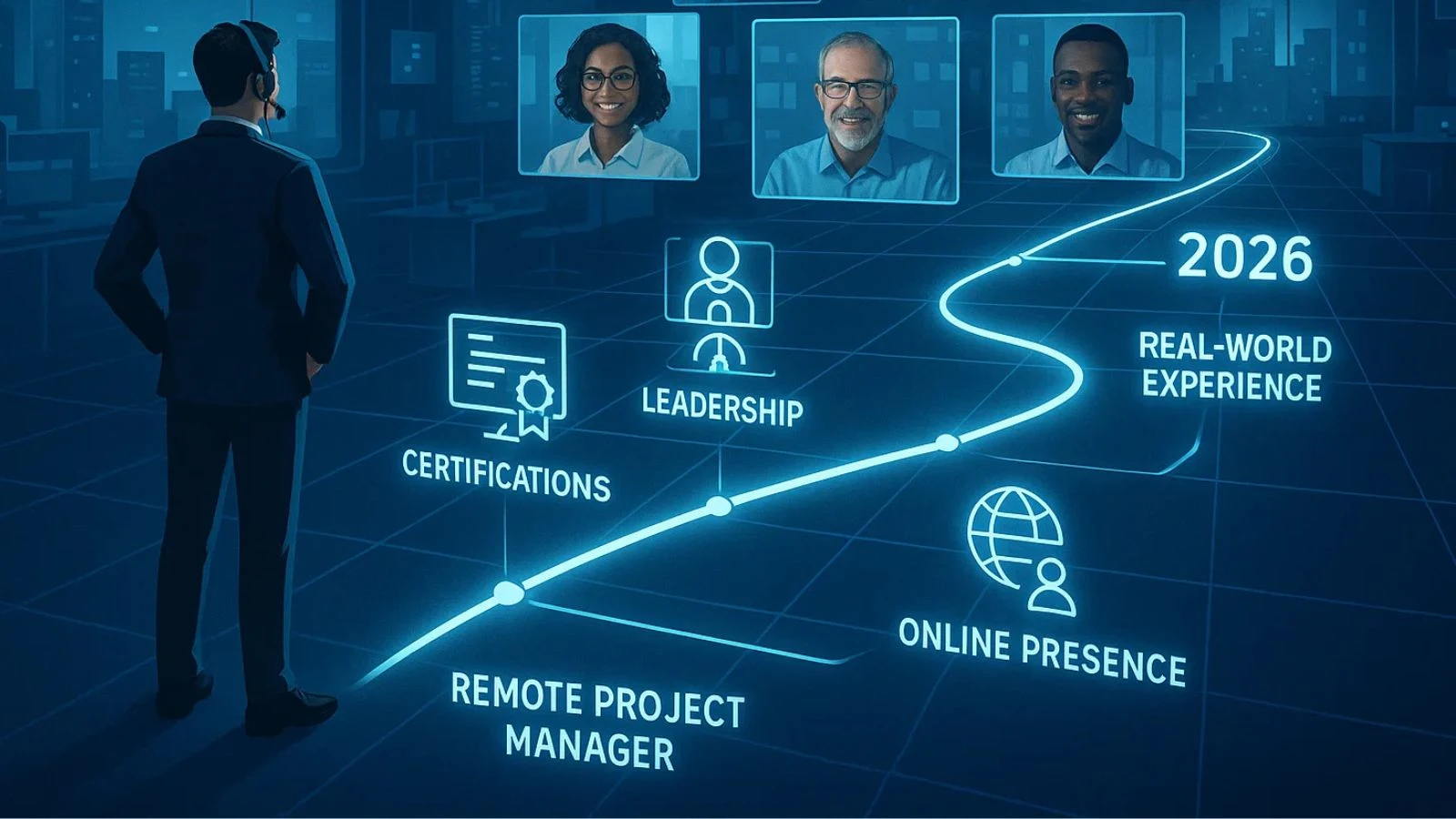
Step 1: Build Your Foundation:
Start by gaining solid experience in project management fundamentals. If you’re new to the field, consider entry-level positions like project coordinator or assistant project manager. These roles help you understand workflows, stakeholder management, and the project lifecycle.
For those already in project management, begin taking on remote work opportunities within your current organization. Volunteer to lead distributed team initiatives or manage projects with remote stakeholders.
Step 2: Earn Relevant Certifications:
Certifications boost your credibility and demonstrate commitment to the profession. The most recognized credentials for a remote project manager include:
- PMP (Project Management Professional) – The gold standard certification from PMI
- CAPM (Certified Associate in Project Management) – Great for those with less experience
- Agile Certifications – Such as CSM (Certified Scrum Master) or PMI-ACP
- Remote Work Certifications – Newer programs specifically focused on distributed team management
These certifications not only teach valuable methodologies but also signal to employers that you’re serious about your career as a remote project manager.
Step 3: Master the Right Tools:
Familiarize yourself with industry-standard tools that every remote project manager should know:
Project Management Platforms: Asana, Monday.com, Jira, Trello, or Basecamp Communication Tools: Slack, Microsoft Teams, or Discord Video Conferencing: Zoom, Google Meet, or Microsoft Teams Documentation: Google Workspace, Microsoft 365, or Notion Time Tracking: Toggl, Harvest, or Clockify
Don’t just learn how to use these tools, understand when to use each one and how to integrate them into seamless workflows. The best remote project manager professionals create tech stacks that minimize context-switching and maximize efficiency.
Step 4: Develop Your Remote Leadership Style:
Leading remotely is fundamentally different from in-person management. You need to build trust without physical presence, motivate team members you rarely see face-to-face, and resolve conflicts through screens.
Practice giving clear directives, setting measurable goals, and providing regular feedback. Learn to recognize signs of burnout or disengagement in remote team members and address them proactively. Your leadership style should emphasize transparency, accessibility, and empathy.
Step 5: Build Your Online Presence:
As a remote project manager, your online presence is your resume. Create a compelling LinkedIn profile highlighting your remote work experience, project successes, and technical skills. Share insights about remote work project manager best practices, engage with industry content, and join relevant online communities.
Consider starting a blog or contributing articles about your experiences. This positions you as a thought leader and makes you more visible to potential employers or clients.
Step 6: Gain Practical Experience:
Nothing replaces hands-on experience. Seek opportunities to manage remote teams, even if they start small. This could mean:
- Taking on freelance projects through platforms like Upwork or Toptal
- Volunteering to lead remote initiatives for non-profits
- Managing open-source projects with distributed contributors
- Leading virtual events or online communities
Each experience teaches valuable lessons about coordinating across distances and builds your portfolio of successful remote projects.
Also Read:
The Powerful Impact Of Project Management On Team Collaboration
How To Implement Remote Employee Monitoring Without Micromanaging
How EmpCloud Streamline Remote Project Management?
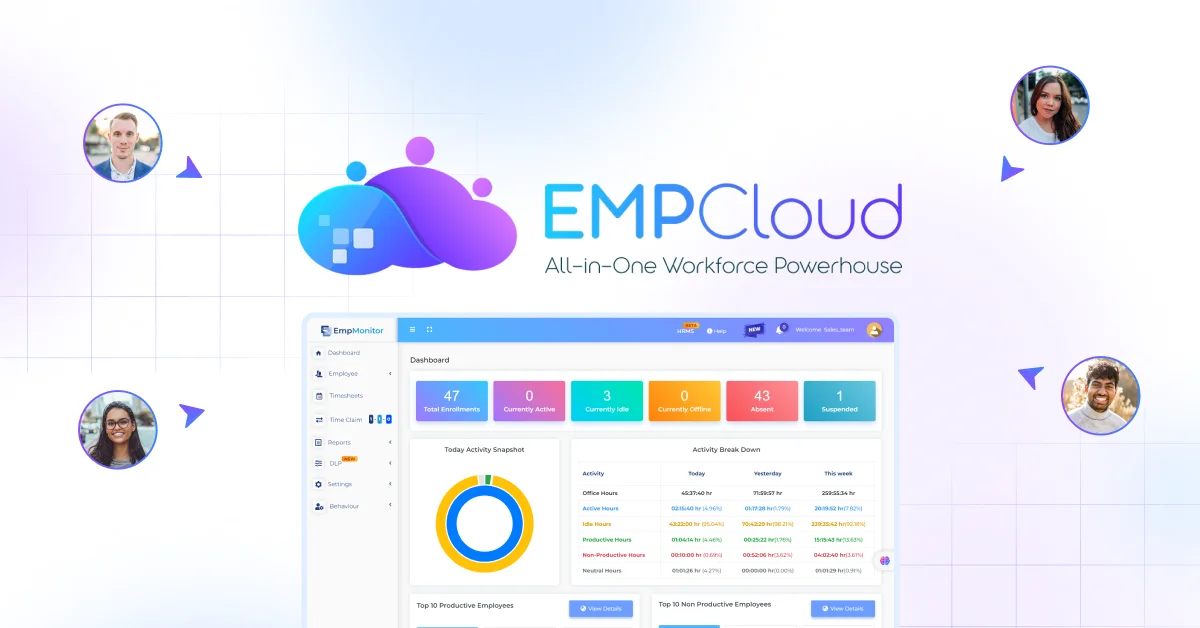
Managing distributed teams effectively requires the right infrastructure, and this is where comprehensive workforce management solutions become invaluable.
EmpCloud offers an integrated platform designed specifically for the challenges that every remote project manager faces daily.
- In its suite of tools, you get EmpMonitor, using which you can monitor team productivity, track project progress, and manage resources without juggling multiple applications. The platform’s time tracking feature provides transparency into how team members allocate their hours, making it easier to identify bottlenecks and optimize workflows.
- It has automated reporting functionality that saves hours of manual work, generating insights that help you make data-driven decisions about project timelines and resource allocation.
- For a remote project manager coordinating across different time zones, EmpCloud’s Project & Task Management tool ensures that no one is overburdened with work, scheduling tasks efficiently. And accordingly, managing deadlines that are clearly communicated in each team member’s local time.
- EmpCloud streamlines the onboarding process by providing remote project managers with tools to quickly integrate new hires, ensuring they have access to all necessary resources and understand their roles from day one.
- The platform helps project managers identify, monitor, and allocate employee strengths effectively, enabling better team alignment and optimizing remote workforce performance.
- EmpCloud supports continuous learning by offering features that track and promote skill enhancement, helping remote teams stay adaptable and competitive in evolving project demands.
This unified approach reduces the administrative burden on project managers, allowing them to focus on strategic leadership rather than operational coordination.
Common Challenges and How to Overcome Them:
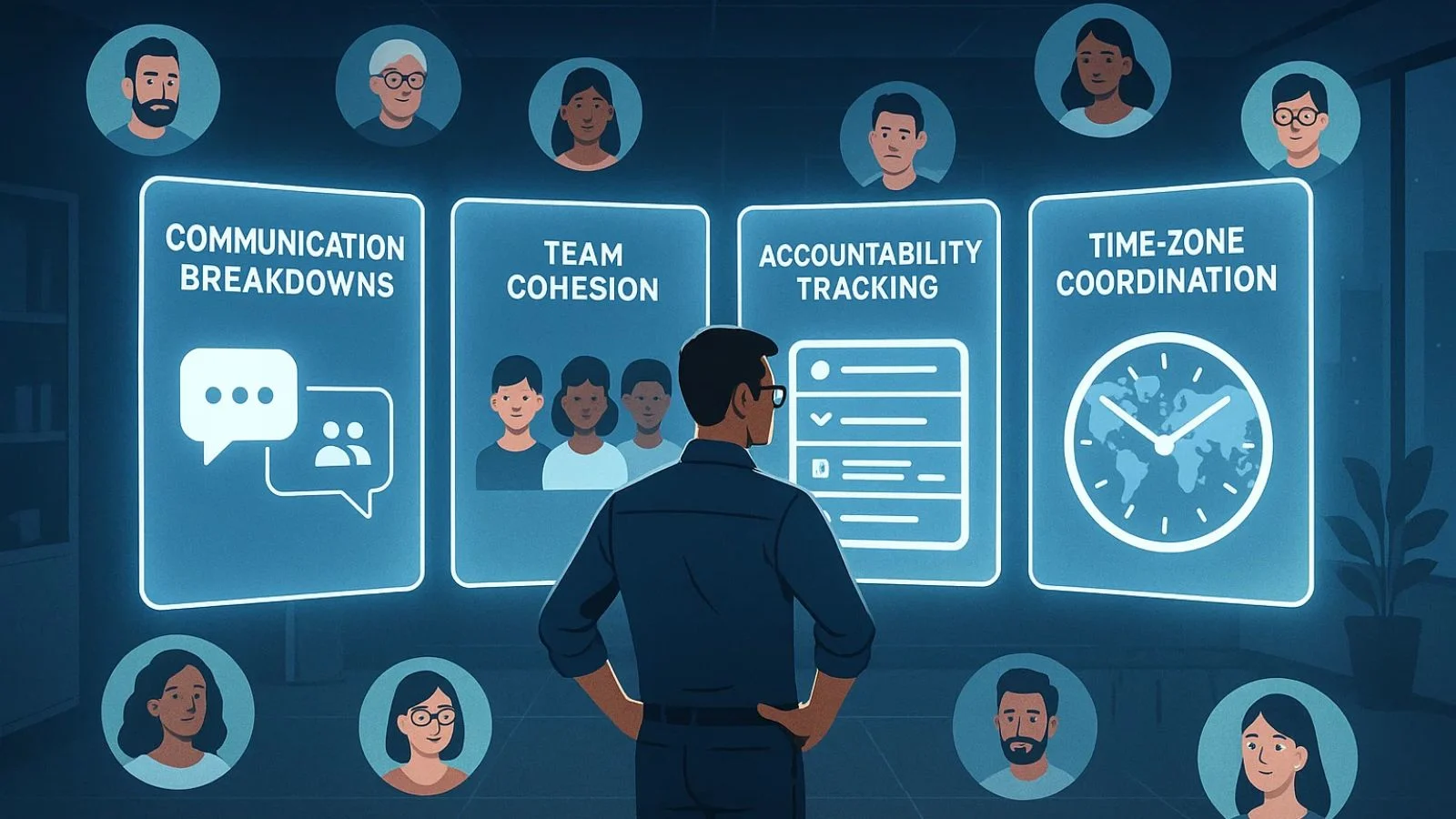
Challenge 1: Communication Breakdowns:
Without face-to-face interaction, messages can be misinterpreted, and important information might get lost. Combat this by establishing clear communication protocols, using video for complex discussions, and documenting decisions in shared spaces.
Challenge 2: Team Cohesion:
Building team spirit is harder when everyone works remotely. A skilled remote project manager creates virtual team-building opportunities, celebrates wins publicly, and fosters informal connections through virtual coffee chats or online social events.
Challenge 3: Accountability Issues:
When you can’t see people working, monitoring progress becomes challenging. Set clear expectations, establish regular check-ins, and use project management tools to maintain visibility into everyone’s tasks without micromanaging.
Challenge 4: Time Zone Coordination:
Managing a global team means someone is always sleeping. Rotate meeting times to share the burden of inconvenient hours, use asynchronous communication effectively, and respect people’s off-hours by avoiding unnecessary urgent requests.
Career Prospects and Salary Expectations:
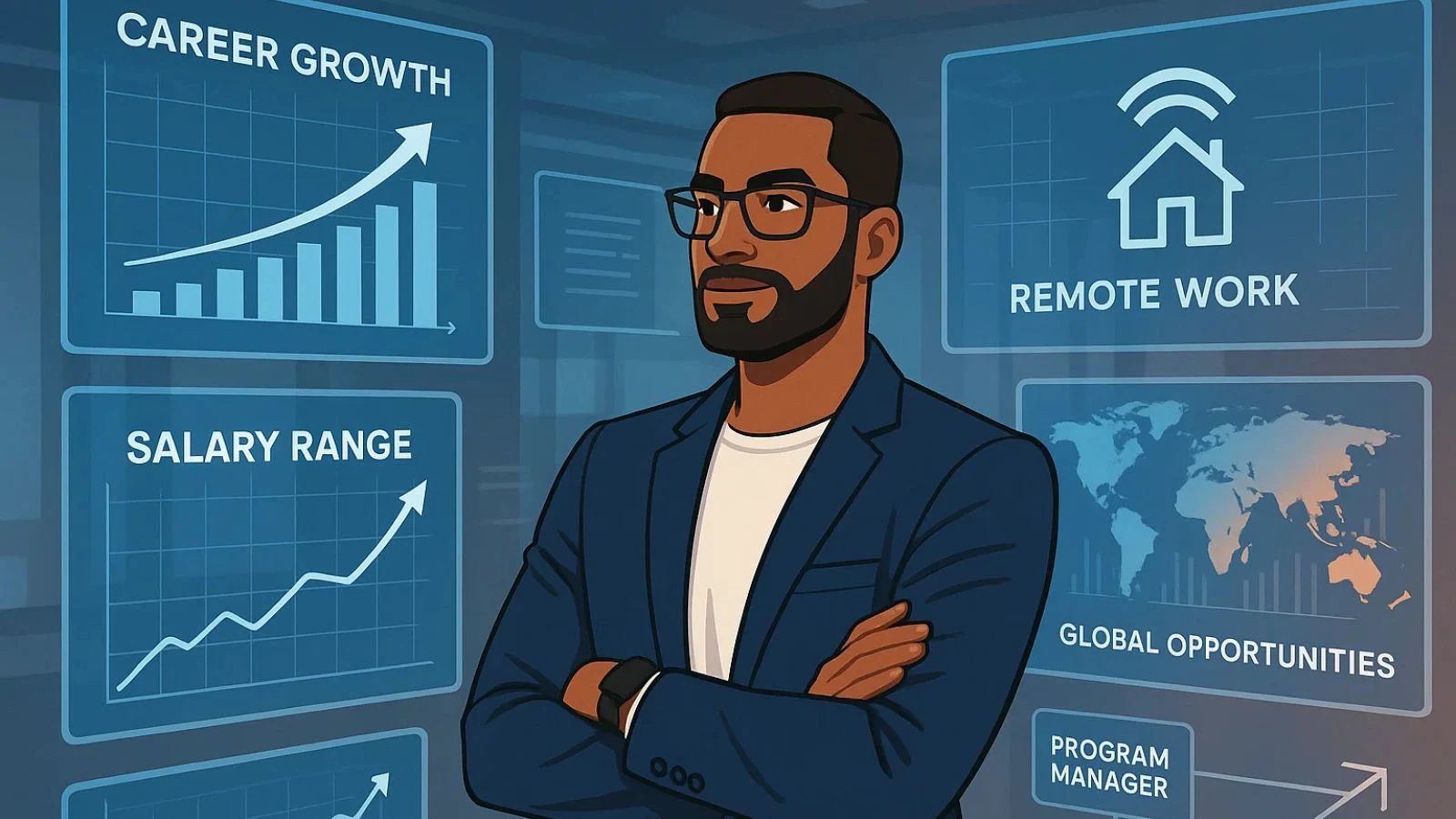
The demand for skilled remote project manager professionals continues growing as more companies adopt distributed work models.
According to recent industry reports, experienced remote project managers can earn between $75,000 to $130,000 annually, with senior roles and specialized industries commanding even higher salaries.
The flexibility of remote work also opens opportunities for geographic arbitrage, living in lower-cost areas while earning salaries from high-paying markets.
Many remote project manager professionals also transition into consulting or freelancing, where rates can exceed traditional employment compensation.
Career progression typically follows paths into senior project management, program management, or leadership roles like Director of Project Management. The skills you develop as a remote project manager are highly transferable and valued across virtually every industry.
Best Practices for Long-Term Success:
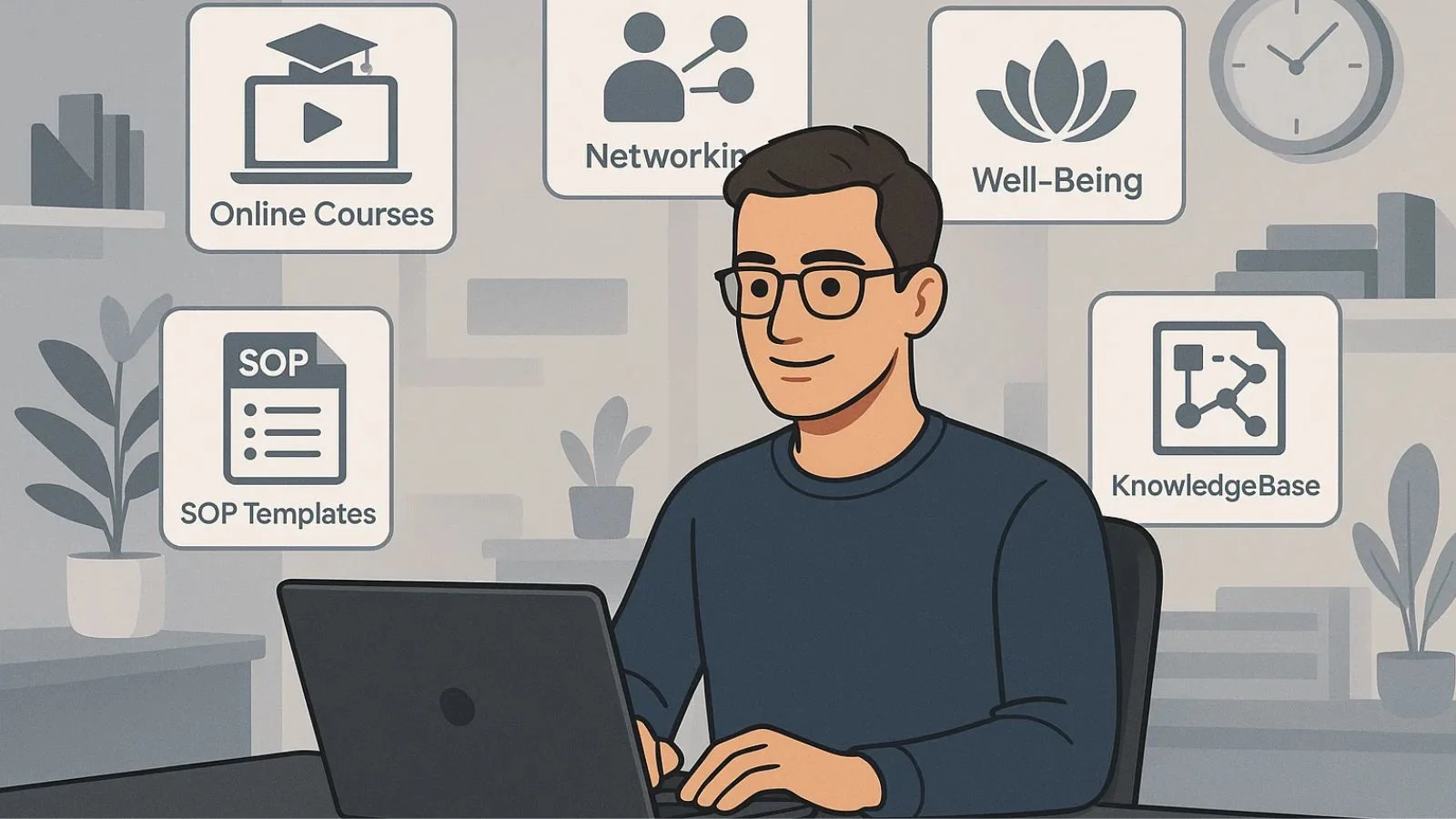
Continuously update your skills as technology and methodologies evolve. The tools and approaches that work today might become obsolete tomorrow, so commit to lifelong learning through courses, certifications, and industry events.
Build and maintain your professional network, even when working remotely. Attend virtual conferences, participate in online forums, and stay connected with peers who can offer support, advice, and potential opportunities.
Prioritize your well-being by establishing boundaries, taking regular breaks, and maintaining work-life balance. Burnout is a real risk for remote project manager professionals who struggle to disconnect from work when their home is their office.
Document everything. Create templates, standard operating procedures, and knowledge bases that make your processes repeatable and scalable. This not only makes your work more efficient but also demonstrates your strategic thinking to employers.
Conclusion:
Becoming a successful remote project manager in 2026 requires a unique combination of traditional project management expertise and modern digital fluency.
By developing strong communication skills, mastering relevant tools, earning recognized certifications, and gaining practical experience, you can build a rewarding career managing distributed teams from anywhere in the world.
The path demands dedication and continuous learning, but the flexibility, opportunities, and personal satisfaction make it an excellent career choice for those ready to embrace the future of work.
FAQ’s:
Q1: How long does it take to become a remote project manager?
Ans: The timeline varies based on your starting point. With no experience, expect 2-3 years gaining foundational project management skills plus certifications. Those with existing project management experience can transition to remote roles within 6-12 months by developing digital collaboration skills and remote leadership capabilities.
Q2: Do I need a degree to become a remote project manager?
Ans: While many employers prefer a bachelor’s degree in business, management, or a related field, it’s not always mandatory. Strong project management experience, relevant certifications like PMP or CAPM, and a proven track record of successfully delivering remote projects can sometimes substitute for formal education.
Q3: What’s the difference between remote and traditional project managers?
Ans: The core responsibilities remain similar, both plan, execute, and oversee projects. However, a remote work project manager must excel at digital communication, master virtual collaboration tools, build trust without physical presence, and coordinate across time zones. Remote roles demand greater self-discipline and proactive communication skills than traditional office-based positions.
Quick Search Our Blogs
Type in keywords and get instant access to related blog posts.