
Understanding workplace benefits can feel confusing, especially when companies use short forms and policies that sound similar. One of the most common yet misunderstood terms in professional life is pto meaning. Employees often hear it during onboarding, performance reviews, or policy discussions, but many still feel unsure about how it actually works.
In today’s fast-moving work environment, time off no longer means simply “taking a leave.” Organizations design structured systems to balance productivity, employee well-being, and compliance. To understand this balance clearly, you must first grasp the pto meaning and why it matters to both employees and employers.
This guide explains everything you need to know, from definitions and calculations to usage rules and future trends. By the end, you will confidently understand the pto meaning and how it fits into modern work culture.
In a hurry? Listen to the blog instead!
What Is PTO?
PTO stands for Paid Time Off. It refers to the hours or days that employees can take away from work while still receiving their regular pay. Companies provide this benefit to support rest, recovery, and personal needs without financial stress.
When people ask what is the meaning of pto, they usually want to know whether it covers vacations, sick days, or personal time. In most modern organizations, PTO combines all these categories into a single flexible balance.
The core idea behind the pto meaning is freedom and trust. Employers allow employees to decide how and when to use their time off instead of forcing them into rigid categories.
Why PTO Exists In The Workplace?

Organizations did not always offer PTO in its current form. Earlier systems separated leave into vacation days, sick leave, and casual leave. That structure often caused misuse and confusion.
Companies introduced PTO to:
- Encourage employees to take real breaks
- Reduce burnout and absenteeism
- Simplify leave administration
- Promote work-life balance
Understanding the pto meaning work context helps employees see how paid time off directly connects to productivity and long-term performance. The broader PTO framework reflects a shift from control to empowerment.
Employers now recognize that well-rested employees stay engaged, deliver better results, and contribute more consistently to organizational success.
What Are The Different Types Of PTO Policies Used By Companies?
Not all PTO systems function in the same way. Organizations design their policies based on company size, industry standards, workforce structure, and internal culture. Understanding these models helps employees evaluate flexibility and long-term benefits.
1. Accrued PTO:
Under this system, employees earn paid time off gradually over a set period, usually monthly or bi-weekly. The accrual rate often depends on tenure or employment level. This method encourages consistent attendance and long-term commitment while allowing employees to build leave balances steadily throughout the year.
2. Lump-Sum PTO:
In this structure, companies provide the full annual PTO balance at the beginning of the year or on the employee’s work anniversary. Employees gain immediate access to their total allocation, offering greater flexibility for long vacations or planned absences. Employers may still apply usage guidelines to maintain operational stability.
3. Unlimited PTO:
Some forward-thinking organizations offer unlimited paid time off. Instead of tracking accrued hours, they focus on results and performance. Employees take leave when necessary, provided they meet deadlines and maintain productivity. This model requires strong trust, accountability, and transparent communication.
Regardless of the structure, the pto meaning remains consistent: paid time away from work that supports employee well-being while maintaining organizational efficiency.
Also Read:
Work Life Balance Tips: A Practical Guide To Reclaiming Your Time
What Does PTO Hours Meaning Actually Refer To?
The pto hours meaning explains how organizations calculate paid time off in hourly units instead of full days. This system provides greater flexibility, especially for employees who work variable shifts, part-time schedules, or flexible hours.
Instead of granting leave in fixed day blocks, companies track PTO based on the exact number of hours an employee works. This method ensures proportional leave allocation and promotes fairness across different employment types.
For example:
- An employee earns 1.5 PTO hours per week based on their work schedule.
- After 10 weeks, they accumulate 15 hours of paid time off.
- They can use those hours for a full day off or split them into smaller increments, such as leaving early or taking a half-day break.
This structure helps organizations maintain accurate payroll records while giving employees more control over how they use their leave. The pto meaning remains focused on paid time away from work, but the hourly calculation makes tracking more precise and adaptable to modern workforce models.
How Does PTO Work Meaning Fit Into Corporate Policies?

The pto work meaning explains how paid time off aligns with structured company rules and HR frameworks. Organizations define detailed guidelines to ensure consistency, fairness, and compliance.
Employers typically establish:
- Accrual limits – The maximum PTO employees can earn within a defined period, often based on tenure, role, or employment type.
- Carry-forward balances – Clear rules on whether unused PTO moves to the next year and any caps applied to rollover amounts.
- Expiration timelines – Specific deadlines that require employees to use accrued PTO within a set timeframe to prevent excessive accumulation.
- Approval workflows – A structured request and authorization process that ensures operational continuity and proper documentation.
- Payout policies – Defined rules regarding compensation for unused PTO during resignation, retirement, or termination.
- Blackout periods – Restricted dates during peak business seasons when PTO requests may face limitations.
When companies clearly define and communicate the pto meaning, employees understand their rights and responsibilities, which reduces confusion and strengthens workplace trust.
Legal Considerations Around PTO
Labor laws vary by country and region. Some governments regulate PTO strictly, while others leave it to employers.
In many regions:
- Employers must document PTO policies
- Companies must pay unused PTO on exit
- Discrimination in PTO access is illegal
The pto meaning also includes compliance. Businesses must align their policies with labor laws to avoid penalties.
What Is The Role Of Technology In Managing PTO?
As teams grow, manual PTO tracking becomes inefficient. Many companies now rely on digital systems to manage leave accurately and fairly.
Tools like employee management software help organizations:
- Track balances accurately
- Automate approvals
- Maintain transparency
As organizations scale, managing paid time off manually becomes complex and error-prone. This is where platforms like EmpCloud play a crucial role. EmpCloud functions as a unified workforce solution that enables organizations to manage PTO, attendance, productivity, and performance from a single dashboard.
By integrating time tracking, leave management, and employee insights, EmpCloud helps HR teams and managers ensure that PTO policies remain consistent, compliant, and easy to administer across departments.
Some companies also use employee monitoring software to understand productivity patterns and plan time off more effectively. When combined with workforce management software, PTO becomes easier to manage at scale.
Technology strengthens the pto meaning by making policies fair, visible, and easy to follow for everyone involved.
How Does Empcloud Help Manage PTO And Workforce Operations Smarter?
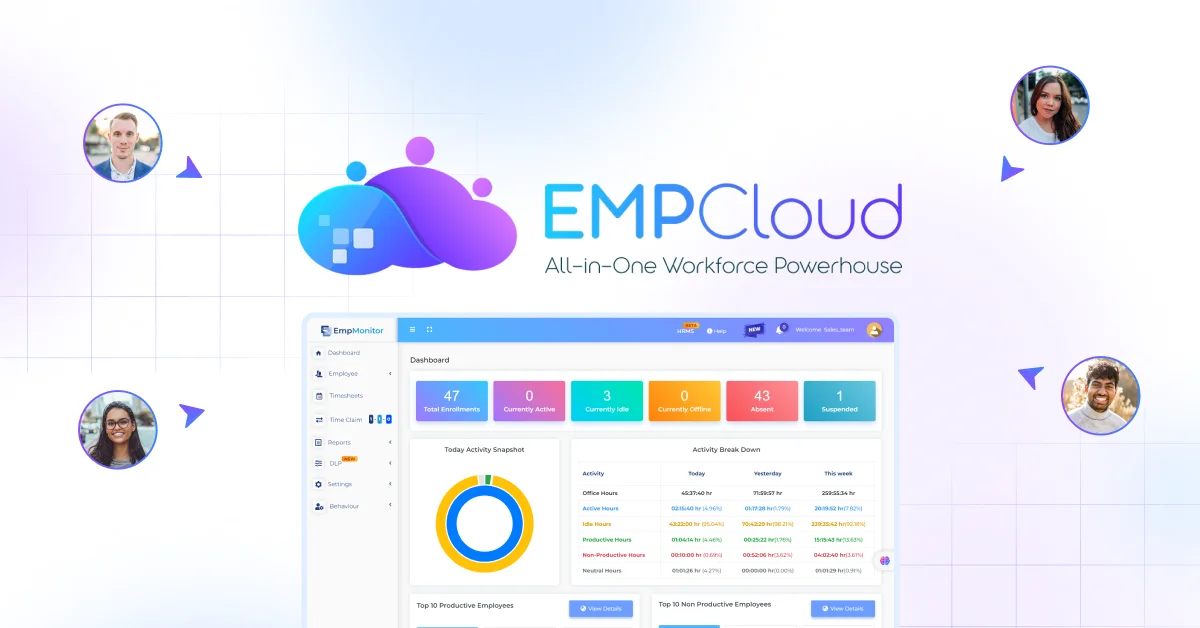
Modern organizations need more than basic tools to manage paid time off effectively. They need visibility, automation, and control across the entire employee lifecycle. EmpCloud delivers exactly that through a unified workforce management platform designed for growing businesses and enterprise teams alike.
Unified Workforce Management in One Platform:
EmpCloud allows organizations to manage everything from onboarding to performance evaluation in a single system. This unified approach ensures that PTO tracking connects seamlessly with attendance, payroll, and productivity data, eliminating manual errors and fragmented workflows.
A centralized dashboard provides real-time visibility into employee availability, making PTO planning more predictable and balanced across teams.
Smart Time and Attendance Tracking:
Accurate time tracking forms the foundation of effective PTO management. EmpCloud offers automated timesheets and a secure face recognition attendance system, ensuring precise work-hour records without manual intervention.
These features help HR teams calculate PTO balances correctly while giving employees confidence that their time off data remains accurate and transparent.
Leave and PTO Management Made Simple:
EmpCloud simplifies leave and attendance tracking by allowing employees to submit PTO requests digitally while enabling managers to approve them instantly. Automated workflows reduce delays, improve communication, and ensure that PTO usage aligns with company policies.
Employees can track their available balances, past usage, and upcoming time off, reinforcing clarity around PTO usage and expectations.
Manager-Centric Productivity and Task Control:
For managers, EmpCloud offers powerful tools to maintain productivity even when team members take time off. Features like task allocation, real-time progress tracking, and project management ensure smooth operations without disruption.
Productivity tracking and report generation provide actionable insights, helping leaders plan workloads effectively around PTO schedules.
Geo-Location and Field Team Visibility:
For organizations with remote or field teams, EmpCloud’s live location tracking ensures accountability without micromanagement. Managers can coordinate tasks efficiently while respecting employee time off boundaries.
This feature supports better workforce planning and prevents PTO conflicts during critical operations.
Payroll, Compliance, and Exit Management:
EmpCloud integrates PTO data directly with payroll systems, ensuring accurate salary calculations and compliance with labor regulations. Automated payroll processing eliminates disputes related to unused or accrued PTO.
Additionally, structured exit management ensures proper documentation and PTO settlements when employees leave the organization.
Centralized Insights for Better Decision-Making:
EmpCloud’s unified dashboard consolidates timesheets, attendance records, task data, and performance metrics in one place. These insights help organizations refine PTO policies, prevent burnout, and improve long-term workforce planning.
By aligning PTO data with productivity and performance insights, EmpCloud helps businesses balance employee well-being with operational efficiency.
Also Read:
How To Implement A Leave Management System?
How Does Company Culture Influence PTO Usage?

Company culture shapes how employees perceive and use paid time off. While policies define rules, daily behavior determines whether employees feel comfortable taking leave.
Healthy workplace cultures:
Normalize PTO usage:
Encourage employees to use their earned leave regularly without fear of negative performance impact.
Avoid guilt-based messaging:
Eliminate subtle pressure that makes employees feel obligated to stay available during time off.
Support coverage planning:
Prepare backup plans and delegate responsibilities to maintain workflow during absences.
Respect time-off boundaries:
Avoid non-urgent calls, emails, or task requests when employees are on leave.
Lead by example:
Managers actively take leave and disconnect to demonstrate healthy work-life balance.
The pto meaning becomes stronger when culture supports policy in everyday practice.
Common PTO Mistakes Employees Make
Even with good policies, employees sometimes misuse PTO.
Common mistakes include:
- Hoarding PTO without using it
- Taking PTO without planning
- Ignoring blackout periods
Understanding the pto meaning helps employees avoid these errors and use their benefits wisely.
Common PTO Mistakes Employers Make
Employers also make mistakes that weaken PTO systems.
These include:
- Poor communication
- Unclear accrual rules
- Discouraging time off indirectly
Strong leadership reinforces the pto meaning by respecting employee time.
How Does PTO Work In Remote And Hybrid Work Models?
Remote and hybrid work models have reshaped how employees view time off. Flexible schedules often blur the boundaries between professional and personal life, making it harder to disconnect fully. As a result, employees may remain mentally engaged with work even outside official hours.
Even in flexible environments, PTO remains essential. Structured time off ensures employees step away completely from responsibilities rather than simply shifting tasks around their schedule. Clear leave planning also helps teams coordinate availability across time zones and remote locations.
The pto meaning in remote work highlights the importance of intentional rest, digital disconnection, and defined boundaries instead of constant online presence.
How To Make The Most Of Your PTO?
Employees should treat PTO as a strategic resource.
Best practices include:
- Planning early
- Aligning with workload cycles
- Disconnecting fully
When used well, PTO improves performance and satisfaction. That outcome reflects the true pto meaning in modern careers.
Final Thoughts
PTO is more than a policy. It represents trust, balance, and respect in the workplace. Employees who understand their benefits feel empowered, while employers who manage PTO well build stronger teams.
The pto meaning connects personal well-being with professional success. When both sides honor it, workplaces thrive.
As work continues to change, PTO will remain a cornerstone of healthy employment relationships. Organizations that want to streamline leave management, improve visibility, and strengthen workforce planning can leverage smart solutions like EmpCloud to align PTO policies with productivity, compliance, and long-term business growth.
FAQs
1. Can unused PTO expire?
Yes, it can. Some companies allow employees to carry forward unused leave into the next year, while others apply a “use-it-or-lose-it” rule. Expiration policies depend on company guidelines and local labor laws.
Understanding the pto meaning within your organization helps clarify whether accrued time rolls over, expires after a deadline, or requires payout upon exit. Employees should review official documentation carefully to avoid losing earned time off.
2. Do part-time employees receive PTO?
Many organizations offer prorated paid time off to part-time employees based on the number of hours they work. However, eligibility rules differ across industries and employers. Always check the employment contract or HR handbook for clarity.
3.Is PTO mandatory for employers?
In some countries, labor laws require employers to provide paid leave. In others, companies decide their own policies. While legal requirements vary, most competitive organizations offer PTO to attract and retain talent.
Quick Search Our Blogs
Type in keywords and get instant access to related blog posts.