
One of the biggest challenges is workplace stress these days for modern professionals. Tight deadlines, constant notifications, long working hours, and the pressure to perform can slowly take a toll on both mental and physical health. If left unchecked, this pressure doesn’t just affect individuals; it impacts productivity, engagement, and overall workplace harmony.
That’s why learning 5 ways to manage stress in the workplace is no longer optional; it’s essential. Effective stress management in workplace environments helps employees stay focused, motivated, and healthier while enabling organisations to perform better in the long run.
In this blog, we’ll break down what causes work stress, why managing it matters, and most importantly, share 5 proven, practical ways you can start using today to manage stress at work more effectively.
You can listen to this Blog here.
Understanding Work Stress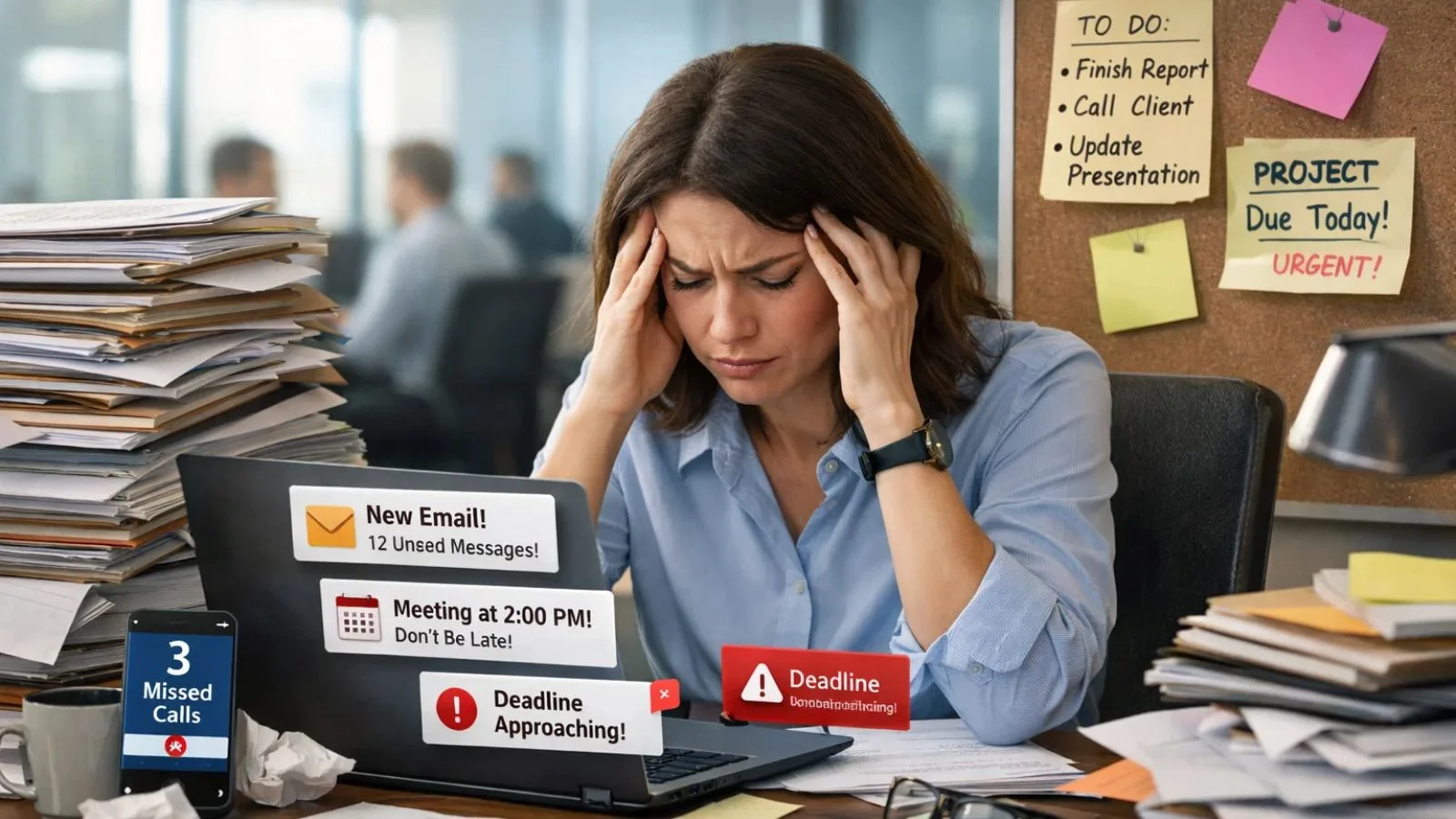
Before learning how to reduce pressure, it’s important to understand what work stress really is and why it has become so common in today’s workplaces.
Work stress occurs when job demands consistently exceed a person’s ability, time, or resources to cope. Occasional pressure can be motivating, but when stress becomes constant, it starts affecting concentration, energy levels, decision-making, and overall well-being.
Common Causes of Work Stress
Some of the most frequent triggers of work stress include:
- Heavy workloads and unrealistic deadlines
- Lack of role clarity or unclear expectations
- Poor communication with managers or teams
- Long working hours and limited work-life balance
- Micromanagement or lack of autonomy
- Insufficient tools or inefficient processes
When these issues pile up, employees often feel overwhelmed, anxious, or emotionally drained. Over time, unmanaged stress can lead to burnout, absenteeism, and declining performance.
How Work Stress Impacts Employees and Organizations
Ignoring work stress doesn’t just affect individuals—it affects the entire organization. Employees experiencing constant stress may struggle with focus, creativity, and motivation. From an organizational perspective, poor workplace stress management can result in:
- Reduced productivity
- Increased errors and missed deadlines
- Higher employee turnover
- Low morale and disengagement
This is why organizations that prioritize stress management in workplace cultures tend to see healthier, more resilient teams.
Understanding the root causes of work stress sets the foundation for meaningful change. Now let’s look at why managing stress at work is so important—for both employees and employers.
Why Managing Stress at Work Matters
Managing stress at work isn’t just about feeling better—it directly influences how people perform, collaborate, and grow in their roles. When stress is left unmanaged, it quietly affects both individual wellbeing and organizational success.
Impact on Employee Health and Wellbeing
Prolonged work stress can lead to physical and mental health challenges such as:
- Chronic fatigue and headaches
- Anxiety and mood swings
- Sleep disturbances
- Reduced immunity and frequent illnesses
Over time, these issues can evolve into burnout, making it harder for employees to stay engaged or motivated. Effective stress management in workplace environments helps employees maintain balance, energy, and emotional resilience.
Effect on Performance and Productivity
Stress clouds focus and decision-making. Employees under constant pressure may struggle to prioritize tasks, communicate clearly, or meet deadlines. This often results in:
- Lower efficiency and quality of work
- Increased mistakes and rework
- Reduced creativity and problem-solving ability
On the other hand, workplaces that encourage healthy stress management see employees who are more confident, productive, and proactive.
Organizational Benefits of Workplace Stress Management
From an employer’s perspective, investing in workplace stress management delivers long-term benefits, including:
- Higher employee retention
- Improved team morale and collaboration
- Stronger workplace culture
- Better overall business performance
When employees feel supported, they’re more likely to stay committed and perform at their best. That’s why managing work stress should be a shared responsibility between individuals and organizations.
Now that we understand why stress management matters, let’s get into the most important part—practical, proven ways to manage stress at work.
5 Proven Ways to Manage Stress at Work
When it comes to handling daily pressure, theory alone doesn’t help. What truly works is applying practical, repeatable habits. Below are 5 ways to manage stress in the workplace that are proven, realistic, and easy to adopt—whether you’re an employee, manager, or business leader.
Way 1: Prioritize and Plan Your Workday
One of the most effective ways to manage stress in the workplace is learning how to plan your day intentionally. Stress often comes from feeling overwhelmed by too many tasks and too little time.
Start by:
- Listing your tasks at the beginning of the day
- Identifying high-priority work
- Breaking large tasks into smaller, manageable steps
When expectations are clear and tasks are organized, work stress becomes easier to control. Planning helps reduce last-minute panic and gives employees a sense of control—an essential element of stress management in workplace environments.
Using structured workflows and clear task ownership is a foundational step in effectively managing workplace stress.
Way 2: Set Healthy Work Boundaries
Another critical strategy for handling stress at work is setting boundaries between work and personal life. Constant availability, late-night emails, and skipped breaks quickly lead to burnout.
Healthy boundaries include:
- Logging off on time whenever possible
- Taking regular breaks during the workday
- Avoiding work-related communication outside office hours
Workplace stress management improves significantly when employees feel permitted to disconnect. Clear boundaries protect mental health and help prevent chronic work stress.
Organizations that encourage boundary-setting actively support the stress management in the workplace rather than unintentionally increasing pressure.
Way 3: Practice Mindfulness and Take Short Breaks
Mindfulness may sound simple, but it’s one of the most powerful ways to manage stress in the workplace. Short mental breaks help reset focus and lower anxiety levels.
Simple practices include:
- Deep breathing for 2–3 minutes
- Light stretching at your desk
- Stepping away from screens briefly
These small actions help the nervous system relax and improve concentration. Over time, they become an essential part of workplace stress management and emotional balance.
Among the 5 ways to manage stress in the workplace, this method is easy to start and requires no tools—just awareness.
Way 4: Improve Communication and Seek Support
Poor communication is a major contributor to work stress. That’s why improving dialogue is one of the most impactful ways to manage workplace stress..
Employees should feel comfortable:
- Asking for clarity on tasks
- Sharing workload concerns
- Seeking feedback or assistance
Open communication reduces misunderstandings, unrealistic expectations, and emotional pressure. Strong team communication plays a key role in stress management in workplace cultures and builds trust across teams.
When support systems are strong, the ways to manage stress in the workplace become easier to apply consistently.
Way 5: Use Smart Workplace Tools to Reduce Stress
The final and most scalable of the 5 ways to manage stress in the workplace is using technology to simplify work. Manual processes, unclear attendance tracking, and lack of visibility often increase unnecessary stress.
Smart workplace tools help by:
- Automating routine tasks
- Providing clarity on schedules and responsibilities
- Reducing micromanagement
- Improving transparency
This makes technology-driven efficiency one of the smartest stress management strategies in modern organizations.
How Organizations Can Support Workplace Stress Management
While individual habits matter, long-term stress reduction isn’t possible without organizational support. In fact, some of the most effective workplace stress management techniques only works when companies actively create a supportive environment.
Create Realistic Workloads and Expectations
Unclear goals and unrealistic deadlines are major drivers of work stress. Organizations can reduce pressure by:
- Setting achievable targets
- Defining roles and responsibilities clearly
- Avoiding constant last-minute changes
When expectations are transparent, employees can plan better—one of the core principles behind the 5 ways to manage stress in the workplace.
Encourage Open Communication
A culture where employees feel heard significantly improves workplace stress management. Managers should:
- Hold regular check-ins
- Encourage honest feedback
- Address concerns without judgment
Open communication strengthens trust and ensures that stress management in workplace strategies are actually effective rather than symbolic.
Promote Work-Life Balance
Flexible working hours, hybrid options, and reasonable leave policies go a long way in reducing work stress. Organizations that prioritize balance naturally support the 5 ways to manage stress in the workplace by preventing burnout before it begins.
Invest in the Right Tools and Systems
Outdated processes increase confusion and frustration. Investing in smart systems that simplify attendance, scheduling, and workforce coordination is one of the most scalable 5 ways to manage stress in the workplace.
When organizations take responsibility for workplace stress management, employees feel supported rather than overwhelmed—leading to healthier, more productive teams.
How EmpCloud Helps Reduce Stress at Work
One of the most practical ways organizations can implement stress management strategies is by using intelligent workforce management tools like EmpCloud.
Centralized Workforce Management
EmpCloud brings attendance, scheduling, and workforce data into one platform. This reduces confusion, manual follow-ups, and repeated clarifications—common contributors to work stress.
Reduced Micromanagement
With real-time visibility into attendance and performance, managers don’t need to constantly check in. This creates trust and autonomy, which supports workplace stress management and aligns directly to improve employee engagement.
Clear Accountability and Transparency
When employees know what’s expected and have access to clear data, anxiety decreases. EmpCloud supports transparency, making daily operations smoother and stress levels lower.
Supporting a Healthier Work Culture
By simplifying processes and reducing administrative overload, EmpCloud helps organizations embed stress management into everyday operations—without adding extra pressure.
Signs You’re Experiencing Unhealthy Work Stress
Before applying the 5 ways to manage stress in the workplace, it’s important to recognize when stress is becoming harmful rather than manageable. Many professionals normalize stress without realizing its long-term impact.
Common Warning Signs of Work Stress
You may be experiencing unhealthy work stress if you notice:
- Constant fatigue, even after rest
- Difficulty concentrating or making decisions
- Irritability, frustration, or emotional exhaustion
- Frequent headaches, muscle tension, or sleep problems
- Loss of motivation or job satisfaction
These symptoms are signals that workplace stress management should become a priority—not later, but now.
Why Early Recognition Matters
Ignoring these signs often leads to burnout, disengagement, or health issues. Recognizing stress early allows individuals and organizations to apply the 5 ways to manage stress in the workplace proactively rather than reactively.
When employees are aware of stress signals, they’re more likely to seek support, set boundaries, and adopt healthier work habits—core elements of effective stress management in workplace environments.
Building Long-Term Habits for Stress-Free Workdays
While quick fixes help, sustainable results come from consistency. The real power of the 5 ways to manage stress in the workplace lies in turning them into daily habits rather than one-time actions.
How to Make Stress Management a Routine
To build long-term resilience:
- Start small and stay consistent
- Review workloads weekly instead of reacting daily
- Normalize breaks and mental resets
- Use systems and tools that reduce friction
Over time, these habits reduce work stress and improve focus, energy, and confidence.
Role of Leadership and Culture
Leaders play a key role in reinforcing the 5 ways to manage stress in the workplace by modeling healthy behavior. When managers respect boundaries, communicate clearly, and rely on structured systems, employees feel safer and more supported.
Organizations that embed stress management in workplace culture—not just policies—see lasting improvements in performance and wellbeing.
Conclusion
Work stress may be unavoidable, but how it’s managed makes all the difference. By consistently applying these 5 ways to manage stress in the workplace, employees can regain control, protect their well-being, and perform more effectively.
From planning your day and setting boundaries to improving communication, recognizing stress signals, and using smart tools, each strategy plays a vital role in reducing pressure. When organizations actively support these efforts through clear policies and platforms like EmpCloud, stress management in workplace environments becomes sustainable—not superficial.
Ultimately, healthier employees create stronger organizations. Start applying these 5 ways to manage stress in the workplace today and build a more balanced, productive work life.
FAQ’s
1. What are the main causes of workplace stress?
Common causes of workplace stress include heavy workloads, tight deadlines, unclear roles, poor communication, long working hours, and lack of work-life balance. Without proper workplace stress management, these factors can quickly lead to burnout and reduced productivity.
2. Why is stress management in workplace environments important?
Stress management in workplace settings is important because it directly impacts employee health, performance, and retention. Organizations that focus on reducing work stress often see higher engagement, better morale, and improved overall business outcomes.
3. How can employers support workplace stress management?
Employers can support workplace stress management by setting realistic expectations, encouraging open communication, offering flexible work options, and providing tools that simplify daily work. These steps strongly reinforce the 5 ways to manage stress in the workplace at an organizational level.
Quick Search Our Blogs
Type in keywords and get instant access to related blog posts.