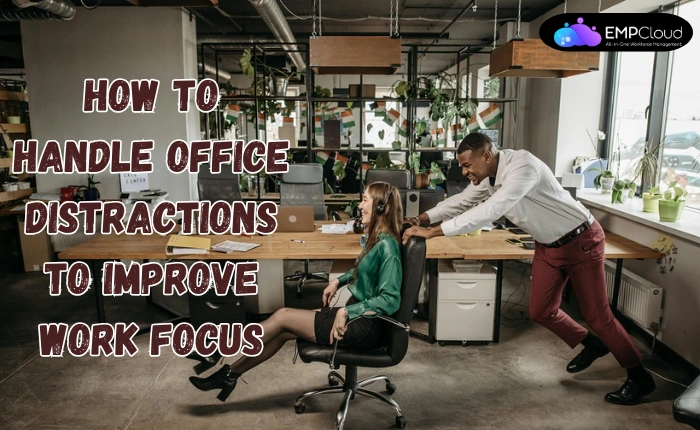
Staying focused at work isn’t always easy. Even the most dedicated employees lose momentum when unexpected interruptions break their flow. From background noise to constant notifications, office distractions quietly take away valuable time and make it harder for people to stay on track.
Today’s workplaces encourage teamwork and open communication, which is great for collaboration but not always great for concentration. A quick chat, a ringing phone, or a cluttered desk can pull attention in seconds. That’s why understanding and managing these distractions has become essential for leaders who want their teams to work smoothly without feeling overwhelmed.
Listen To The Podcast Now!
Why Are Office Distractions A Bigger Challenge Today?

The nature of work changed drastically in the past decade. Offices shifted from cubicles to open layouts, communication moved from emails to real-time chats, and responsibilities expanded as organizations grew more dynamic. Modern office mandates that promote collaboration and accessibility have also unintentionally increased noise and interruptions.
As a result, employees encounter more workplace distractions than ever before, affecting attention spans and overall workflow.
Today, companies experience higher levels of task switching, reduced concentration time, and increased pressure to multitask. While many workplaces encourage collaboration, they sometimes unintentionally reduce sustained focus time.
This issue doesn’t affect productivity alone, it also impacts mood, motivation, creativity, and long-term performance. When employees struggle to maintain uninterrupted focus, they find it harder to enter deep work, the state where innovation and high-quality output happen.
The Hidden Cost Of Office Distractions For Businesses
Organizations often underestimate the cost of distractions. Research suggests that one interruption can take more than 20 minutes to recover from. Multiply that by several distractions each day, and companies lose hours of productive time. These distractions in the office quietly affect efficiency, performance, and overall workflow.
Here’s how office distractions impact businesses:
1. Decline in Daily Productivity:
Every time an employee gets distracted, they break their concentration cycle. Rebuilding momentum requires additional effort and time. When this happens repeatedly, daily productivity drops significantly.
2. Higher Employee Burnout:
Constant task switching drains mental energy. Employees feel overwhelmed because they work longer but accomplish less. Over time, frequent interruptions contribute to emotional fatigue, stress, and burnout.
3. Poor Quality of Work:
Focus enables accuracy, clarity, and creativity. Distractions interrupt thought processes, resulting in mistakes, miscommunication, and lower quality output.
4. Slower Team Progress:
When individuals struggle to concentrate, entire teams slow down. Deadlines stretch longer, and people spend more time catching up rather than progressing.
5. Loss of Innovation:
Creative thinking requires extended periods of uninterrupted concentration. With too many interruptions, teams lose their ability to brainstorm deeply and produce breakthrough ideas.
Also Read:
Why Return To Office Mandates Are Helpful?
Common Types Of Office Distractions You Must Address

Every workplace deals with different kinds of interruptions, but some distractions are so common that they show up in almost every office. Understanding these patterns helps organizations build focused, distraction-free environments and learn how to reduce distractions in the office effectively.
Here are the most frequent causes of office distractions and why they matter:
Noise and Background Sounds:
Open offices often come with constant noise, conversations, phone calls, typing, doors opening, machines running, and team discussions. Even mild background sounds can break deep focus and make it harder for employees to return to their tasks.
Excessive Social Interactions:
Friendly interactions help build culture, but unplanned chats, random questions, or quick updates at someone’s desk often stretch longer than expected. These interruptions disrupt concentration and create multiple stop-and-start moments throughout the day.
Digital Disruptions:
Emails, chat messages, task reminders, and app notifications compete for attention every minute. Digital alerts are one of the biggest silent productivity killers because they break flow instantly, even when employees only “check for a second.”
Visual Clutter:
Messy desks, overloaded shelves, too many papers, and a chaotic office layout create visual noise. This clutter stresses the brain, making employees feel mentally scattered and less organized.
Task Overload:
When employees handle too many responsibilities at the same time, they lose clarity about priorities. This increases the chances of mistakes, stress, and constant switching between tasks, all of which amplify distractions.
Meetings and Calls:
Frequent check-ins, long meetings, and back-to-back calls leave employees with very little uninterrupted work time. Too many meetings drain energy and break momentum, especially when they are unnecessary or could have been an email.
Environmental Conditions:
Lighting that’s too harsh, uncomfortable seating, poor ventilation, or fluctuating temperatures can subtly distract employees throughout the day. A poorly designed workspace makes it harder for people to stay comfortable and focused.
Each of these contributes in a different way, but together, they create an environment where office distractions become part of everyday work life, unless addressed strategically.
What Is The Psychology Behind Why Office Distractions Affect The Brain?

To reduce disruptions in the workplace, organizations must understand how the human brain processes information. The brain can focus on only one complex task at a time, and when interruptions happen, it switches attention rapidly, causing cognitive overload.
Here’s how distractions impact mental performance:
- They Break the Flow State: Deep work requires immersion. Distractions break this flow, causing employees to restart their thought process repeatedly.
- They Increase Cognitive Fatigue: The brain becomes tired from constant switching, reducing decision-making power and slowing down work.
- They Heighten Stress Levels: Frequent interruptions create a sense of urgency and mental pressure, even if the tasks are small.
- They Decrease Memory Retention: When attention scatters, information does not store properly in the brain, leading to errors and repeated work.
Understanding these psychological effects helps leaders build an environment where office distractions no longer dominate daily routines.
How Office Layouts Influence Employee Focus?
The physical design of an office decides how employees think, feel, and work. A poorly planned office layout contributes heavily to office distractions.
Below are some layout issues that commonly reduce attention and concentration:
Open Office Designs:
Open layouts support collaboration, but they also bring constant movement, conversations, and background noise. With fewer boundaries, employees are exposed to visual and auditory interruptions, making it harder to maintain deep focus for long periods.
Lack of Private Areas:
Quiet spaces such as phone booths, focus rooms, or meeting pods are essential for concentrated work. Without them, employees struggle during tasks that require serious attention, virtual calls, or confidential discussions, leading to unnecessary delays and stress.
Poor Workstation Arrangement:
When desks are placed too close together or positioned in high-traffic areas, employees experience more walk-by interruptions and casual questions. This increases context-switching and pulls them out of their workflow repeatedly.
Inadequate Lighting or Decor:
Harsh lighting, dull interiors, cluttered walls, or uncomfortable seating create subtle friction throughout the day. These design elements may not seem like major issues, but they drain mental energy and contribute to constant low-level distractions.
Organizations that carefully design and organize their workspace naturally reduce office distractions without relying on strict policies or rigid controls. A thoughtful layout becomes a long-term productivity asset.
How Does Technology Contribute To And Reduce Office Distractions?
Digital tools make work faster, but they also bring constant pings, pop-ups, and alerts that disrupt concentration. These small interruptions add up, creating major office distractions during the day.
But when used smartly, technology can actually reduce those same interruptions. Many companies now turn to unified platforms that simplify communication and cut down tool-switching.
For example, EmpCloud provides a set of tools that help with workforce management, employee monitoring, real time employee tracking, time tracking, and attendance management. It helps the management monitor tasks, automate timesheets, and offer real-time productivity tracking, so employees spend less time jumping between apps and more time staying in flow.
When technology is organized and intentional, it becomes a solution rather than a source of distraction.
How Leaders Can Reduce Office Distractions Without Hurting Work Culture?

Leaders play a crucial role in shaping workplace habits. Employees follow what they observe, not merely what they hear. When managers model focus-driven work behavior, teams naturally adopt the same patterns.
Here are leadership-driven ways to reduce office distractions:
- Set Clear Communication Guidelines: Teams must know when to use chat, email, or meetings. Over-communication creates unnecessary interruptions.
- Encourage Deep Work Hours: Dedicate specific hours where employees focus without meetings, calls, or non-urgent messages.
- Promote Clean Desk and Organized Workspaces: A clutter-free environment minimizes visual interruptions and creates mental clarity.
- Offer Flexibility: Some employees focus better early in the morning, while others perform best in quiet afternoon hours. Flexibility reduces forced interruptions.
- Train Teams on Focus Skills:Workshops on time management, prioritization, and staying focused benefit everyone.
Also Read:
How To Improve Efficiency With Real Time Employee Tracking
How HR Teams Can Build A Low-Distraction Workplace?
HR departments influence workplace rules, workspace design, and employee well-being. They also help develop policies that minimize office distractions and improve team focus.
Here are ways HR teams support distraction-free workplaces:
Implement Clear Policy Frameworks:
HR can set guidelines for noise control, meeting limits, communication etiquette, and shared-space behavior. These policies help employees understand what’s acceptable and reduce unnecessary disruptions.
Provide Adequate Training:
Workshops on time management, digital discipline, and mindful communication teach employees how to maintain focus and avoid distracting their colleagues.
Optimize Desk Allocation:
Strategic seating, such as placing quieter teams away from high-traffic zones, reduces noise and interruptions. HR can organize layouts based on work type and focus needs.
Conduct Distraction Audits:
Regular assessments help HR identify common workplace interruptions, whether they involve noise, digital clutter, or layout issues. This allows them to create targeted solutions rather than generic fixes.
Support Mental Wellness:
Employees experiencing burnout or stress are more sensitive to distractions. Wellness initiatives, counseling support, and balanced workloads help employees feel mentally steady and able to concentrate.
How Can Employees Personally Manage Office Distractions?
While workplace policies help, employees also shape their own focus. Small habits and daily routines make a big difference in how well individuals handle office distractions.
Maintain a Clean Workspace: A tidy desk reduces visual clutter and keeps the mind calm.
Communicate Boundaries: Politely letting colleagues know when you need quiet time helps avoid unnecessary interruptions.
Plan Work With Intent: A simple daily plan keeps priorities clear and limits distractions.
Use Breaks Wisely: Short breaks refresh the mind and improve focus.
Build Attentive Work Habits: Mindfulness and single-tasking strengthen concentration.
A helpful way to stay consistent is by using organized digital tools. Platforms like EmpCloud make this easier by centralizing tasks, offering real-time productivity visibility, and reducing tool-switching, helping employees stay more focused with less effort.
How Does EmpCloud Help Reduce Office Distractions And Improve Focus?
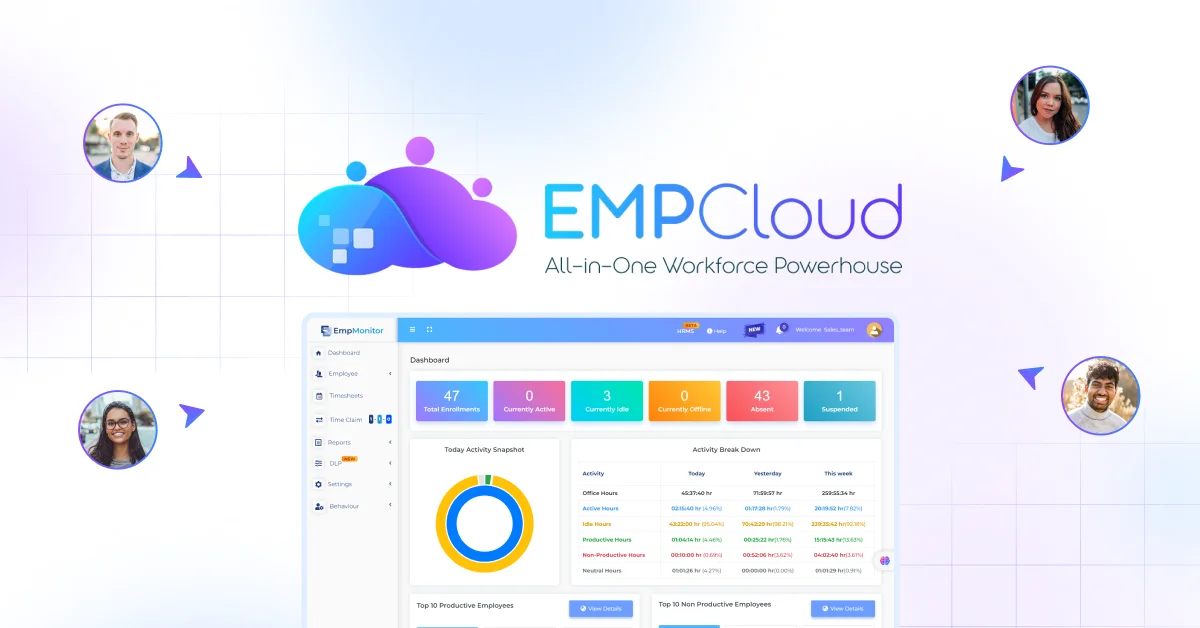
Creating a low-distraction workplace requires structure, clarity, and the right digital support. EmpCloud brings all of this together through a unified workforce management system designed to boost employee productivity by minimizing noise, reducing tool switching, and keeping employees aligned throughout the day.
Here are the key EmpCloud features that directly help in cutting down office distractions:
Real-Time Productivity Tracking:
EmpCloud offers instant visibility into activity levels and workflow patterns, functioning as an efficient productivity tracking software that helps teams identify distraction triggers early. Managers can spot dips in focus and guide employees before productivity drops.
Automated Timesheets:
By eliminating manual time entry and routine follow-ups, automated timesheets reduce unnecessary interruptions. Employees stay focused on their work instead of handling administrative tasks.
Task & Project Management:
Clear task assignments and real-time progress updates minimize back-and-forth communication. Everyone knows what to do, which reduces miscommunication and frequent check-ins.
Geo-Location and Time Tracking:
For field teams, EmpCloud removes the need for constant status calls. Managers get accurate live location and time data, reducing repetitive communication loops.
HR-Centric Automation:
Attendance, leave requests, policy access, and employee records run smoothly through a centralized system. This removes walk-ins, desk queries, and repeated HR clarifications that often interrupt focus.
Unified Workforce Dashboard:
EmpCloud’s all-in-one dashboard prevents employees from switching between multiple tools. With everything accessible in one place, teams work with clarity and far fewer digital distractions.
When distractions go down, performance rises. With thoughtful strategies and solutions like EmpCloud, creating a high-focus workplace becomes an achievable goal.
The Link Between Office Distractions and Overall Company Growth
Reducing interruptions in the workplace improves more than daily output; it significantly influences long-term business success. Companies that build focused work environments experience:
- Higher efficiency
- Better teamwork
- Lower stress
- Higher output quality
- Stronger innovation
- Faster delivery cycles
- Improved customer satisfaction
And most importantly, fewer office distractions lead to happier employees, people who enjoy their work stay longer and contribute more meaningfully.
Conclusion
In a world where focus determines success, organizations must take office distractions seriously. Reducing them doesn’t require drastic policy changes, just mindful planning, supportive culture, better workspace design, and effective communication.
Employees perform their best when they work in environments that protect their attention. Leaders must guide, HR must support, and employees must take ownership of their habits. When all three align, office distractions lose their power, and the workplace transforms into a hub of creativity, innovation, and accelerated performance.
This journey begins with awareness, followed by consistent effort to build a future-ready workplace. And with smart workforce platforms like EmpCloud, organizations can make this transition easier by creating a more structured, focused, and distraction-free work environment.
FAQs
1.Are office distractions unavoidable?
Not totally, but they’re also not the end of the world. With a few smart habits, you can cut down most of them and stay focused.
2.How do remote or hybrid employees handle distractions?
They deal with home stuff instead of office noise, but the idea is the same. A good routine and some focus tricks help them stay on track.
3.Do certain employees struggle more with office distractions than others?
Yeah, definitely. Some people get distracted faster based on their personality or the kind of work they do.
Quick Search Our Blogs
Type in keywords and get instant access to related blog posts.