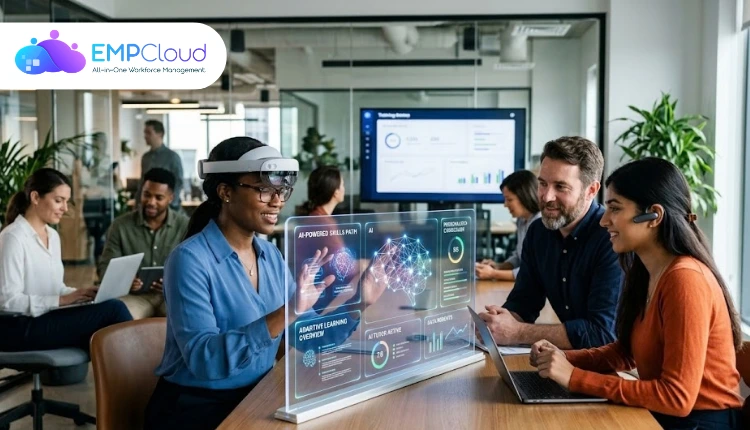
Employee training has long been an important part of building skilled, productive teams. However, as businesses become more global, hybrid work becomes more common, and job roles continue to evolve, traditional training methods are becoming harder to scale.
Employees today expect learning experiences that are flexible, accessible, and relevant to their specific roles. At the same time, companies need training programs that can be updated quickly without requiring significant time and resources.
Artificial intelligence is changing how organizations approach corporate learning. AI is helping businesses create more personalized training experiences, automate repetitive tasks, and deliver learning content in formats that are easier for employees to understand and engage with.
From AI-powered learning platforms to interactive training videos, companies are moving toward smarter ways of developing employee skills.
Why Are Companies Turning to AI for Employee Training?
Traditional employee training often depends on fixed courses, classroom sessions, and standardized learning materials. While these methods can still be effective, they may not address the different learning needs of every employee.
AI allows organizations to create more adaptive learning experiences by analyzing employee needs, suggesting relevant resources, and helping teams deliver information more efficiently.
For example, new employees may require onboarding materials, while experienced employees may need advanced training related to new tools or processes. AI can help organizations provide more targeted learning experiences instead of offering the same content to everyone.
This shift allows companies to make training more useful while reducing the effort required to manage large-scale learning programs.
How Does AI Improve Employee Learning Experiences?
AI is making corporate learning more interactive by helping companies move beyond static documents and traditional presentations.
Modern employees often prefer learning through a combination of videos, interactive content, assessments, and practical examples. AI can support this by helping businesses create different types of learning materials based on their audience and objectives.
For example, a company introducing new software can create step-by-step training videos, knowledge guides, and quick reference materials. Employees can then access information in a format that matches their learning preferences.
AI can also help identify areas where employees may need additional support, allowing organizations to improve training programs over time.
The Growing Role of Video in Corporate Training
Video has become one of the most effective formats for employee learning because it combines visual explanations with practical demonstrations.
Companies use training videos for:
- Employee onboarding
- Software demonstrations
- Workplace safety instructions
- Product training
- Leadership development
- Customer service education
However, creating professional training videos traditionally requires significant planning, recording, editing, and post-production work.
AI is helping simplify this process by supporting different stages of video creation. Businesses can create training content faster, update existing materials more easily, and adapt videos for different teams or regions.
For companies managing frequent training updates, reducing the time spent on repetitive editing tasks can make content production much more efficient.
How AI Helps Companies Create Training Videos at Scale
As organizations grow, maintaining consistent training content becomes challenging. A company operating across different locations may need the same training material adapted for different languages, teams, or departments.
AI-powered video workflows can help businesses create and update training content more efficiently. Teams can use AI assistance to organize footage, prepare edits, add captions, and create multiple versions of educational videos.
For example, HR teams creating onboarding materials can use tools like invideo editor to refine training videos, organize raw footage, remove unnecessary sections, add subtitles, adjust visuals, and create different versions for various employee groups. Its timeline-based editing environment allows teams to review and make manual changes while using AI assistance for repetitive editing tasks, helping them maintain control over the final learning resource.
This approach allows companies to spend less time managing technical editing tasks and more time improving the learning experience itself.
How AI Dubbing Supports Global Employee Training
Global organizations often face challenges when delivering training to employees who speak different languages.
Creating separate versions of every training video manually can require additional recording, editing, and production time.
AI-powered dubbing is helping companies adapt learning content for international teams by converting spoken content into different languages while maintaining a natural viewing experience.
This can be useful for:
- Global onboarding programs
- Compliance training
- Product education
- Internal communication videos
- Employee development courses
By making training content more accessible, businesses can provide consistent learning experiences across different regions.
Personalization: The Future of Corporate Learning
One of the biggest advantages of AI in employee training is personalization.
Instead of offering identical learning paths to every employee, AI can help organizations create experiences based on individual roles, skill levels, and learning goals.
For example, a new marketing employee may receive resources focused on campaign tools and customer insights, while a sales employee may receive training related to product knowledge and communication skills.
Personalized learning can help employees focus on the information most relevant to their work, improving engagement and making training more practical.
How AI Reduces the Administrative Work Behind Training
Managing employee training involves many repetitive tasks, including organizing learning materials, updating resources, tracking progress, and preparing content.
AI can help reduce some of this workload by supporting:
- Automated content organization
- Training recommendations
- Learning progress analysis
- Content updates
- Employee knowledge assessments
This allows HR and learning teams to focus more on improving training strategies rather than spending excessive time on manual management tasks.
Maintaining Brand Consistency in Training Content
As companies create more videos and digital learning materials, maintaining a consistent visual identity becomes increasingly important.
Training videos should reflect the company’s communication style and brand standards across departments and regions.
Elements such as visual style, colors, and overall presentation quality can influence how professional and engaging the content feels. Techniques like color grading can help maintain consistency across different videos, especially when content is created at different times or by different teams.
This helps organizations build a more cohesive learning experience for employees.
The Future of AI-Powered Employee Training
AI is not replacing human expertise in corporate learning. Instead, it is helping organizations deliver training more efficiently while allowing learning teams to focus on strategy, creativity, and employee development.
The future of employee training will likely combine human guidance with AI assistance. Companies will continue using AI to create personalized learning experiences, produce engaging content, and make training accessible across different teams.
As workplaces continue to evolve, organizations that adopt smarter learning approaches will be better prepared to support employee growth and continuous development.
Final Thoughts
AI is transforming employee training by making corporate learning more flexible, personalized, and scalable. From creating training videos to adapting content for global teams, AI is helping organizations improve how they share knowledge.
For businesses, the goal is not simply to automate training but to create better learning experiences that support employees throughout their careers.
By combining AI capabilities with thoughtful training strategies, companies can build learning programs that are more engaging, accessible, and effective in the modern workplace.
Quick Search Our Blogs
Type in keywords and get instant access to related blog posts.