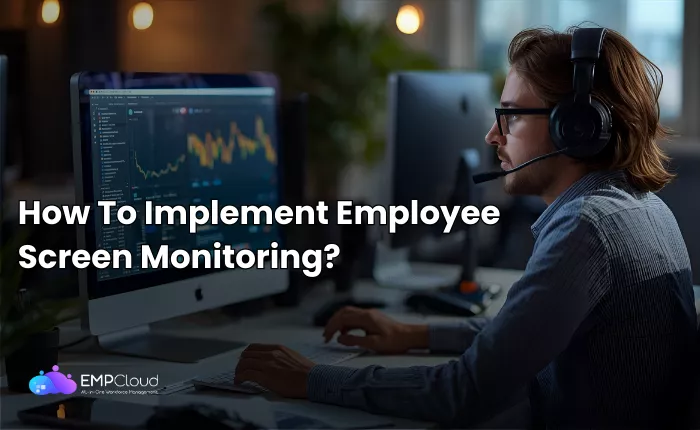
Work has changed in ways most organizations did not fully anticipate. Teams now operate across locations, time zones, and flexible schedules, which makes visibility into daily work more important than ever. Managers are expected to support productivity, protect company data, and stay fair, all without hovering over employees or disrupting trust. This is where screen monitoring enters the conversation as a practical business support tool rather than a control mechanism. When applied with clarity and purpose, it helps teams stay aligned while giving leaders the insights they need to make better decisions.
Before any company adopts this approach, it is essential to understand what it truly involves and how it fits into modern work culture. That understanding begins with defining the concept clearly and setting the right expectations.
In a hurry? Listen to the blog instead!
What Is Employee Screen Oversight?
 At its core, employee screen oversight focuses on observing work-related computer activity during official hours. This may include application usage, time spent on tasks, and patterns that reflect how work progresses across the day. Screen monitoring is not about personal surveillance or tracking private behavior. Instead, it helps organizations see how digital resources are used and where workflows can improve.
Most modern solutions function as employee monitoring software designed for transparency and accountability. They allow managers to identify productivity gaps, understand workload distribution, and support employees who may be struggling silently. By focusing on work activity rather than personal intent, businesses create a framework that supports fairness and clarity.
Once the concept is clear, the next question naturally follows. Why are so many organizations now choosing to adopt this approach?
Why Businesses Are Moving Toward Greater Work Visibility?
Organizations face growing pressure to deliver results while maintaining flexibility. Remote and hybrid teams have become common, but distance often creates blind spots. Missed deadlines, uneven workloads, and security concerns can arise when visibility is limited. Screen monitoring addresses these challenges by offering real-time insight into work patterns without disrupting daily routines.
Another key factor is data protection. Employees frequently access sensitive information, cloud platforms, and internal systems from multiple locations. Having visibility into how systems are used helps reduce risk and ensures company policies are followed consistently. Over time, this approach also supports fair performance evaluations based on actual work patterns rather than assumptions.
As adoption grows, businesses must ensure that visibility efforts remain lawful and respectful. This makes legal and ethical considerations the next critical area to explore.
Legal & Ethical Responsibilities In The Indian Workplace
 In India, employee privacy is not optional. Organizations must respect constitutional privacy rights and comply with data protection standards outlined under the Information Technology Act and related rules. Any form of digital oversight must be transparent, purpose-driven, and limited to work-related activity. Screen monitoring should always operate within clearly defined boundaries.
Employee consent plays a vital role. Workers should know what data is collected, how it is used, and how long it is stored. Clear policies reduce confusion and prevent mistrust. Ethical implementation also means avoiding excessive oversight and focusing only on data that supports productivity, compliance, or security goals.
Once legal clarity is established, the focus shifts to choosing a tool that aligns with both operational needs and employee expectations.
How To Select The Right Software For Work Visibility?
Not all tools offer the same level of balance between insight and respect. Choosing the right screen monitoring software requires careful evaluation. Businesses should look for solutions that provide meaningful data without overwhelming users or violating privacy norms. Features such as role-based access, secure data storage, and customizable reports are essential.
Scalability is another important factor. As teams grow, the software should adapt without adding complexity. Many organizations also prefer platforms that integrate with existing systems like project management or HR tools. A reliable live screen monitoring software option can help managers respond quickly to issues while maintaining transparency.
Once the right tool is selected, attention must turn to how it is introduced within the organization.
Steps For A Smooth & Trust-Focused Rollout
 A successful rollout depends more on communication than technology. Employees should understand why oversight is being introduced and how it benefits both individuals and the organization. Screen monitoring works best when presented as a support system rather than a disciplinary measure.
Clear policies should outline acceptable use, data access rules, and review processes. Training sessions help managers and employees understand expectations and avoid misuse. Many companies choose to start with a pilot phase, allowing teams to provide feedback before full deployment.
With systems in place, long-term success depends on following proven practices that keep oversight effective without harming morale.
Best Practices That Support Fair & Effective Oversight
Clarity is the foundation of ethical oversight. Organizations should define clear objectives and avoid collecting unnecessary data. Screen monitoring should focus on outcomes, not constant observation. Limiting access to authorized roles protects sensitive information and reinforces trust.
Consistency also matters. Applying policies evenly across teams prevents perceptions of bias. Regular reviews ensure that oversight practices remain aligned with business goals and legal requirements. When employees see that data is used responsibly, acceptance naturally improves.
Even with best practices in place, concerns may still arise. Addressing them openly strengthens workplace relationships.
Addressing Employee Concerns With Openness
Employees may worry about privacy, fairness, or misuse of data. These concerns deserve direct and respectful responses. Leaders should explain how oversight supports productivity, workload balance, and security. Screen monitoring should never replace human judgment or empathy.
Feedback channels allow employees to raise questions or suggest improvements. Training reinforces correct usage and sets boundaries clearly. When workers feel heard and respected, oversight becomes part of a shared effort rather than a source of tension.
Once trust is established, the real value emerges through thoughtful data analysis.
Turning Work Data Into Actionable Insight
Data alone does not improve productivity. The value lies in interpretation. By reviewing patterns, managers can identify bottlenecks, redistribute tasks, and support employees who may be overworked. Screen monitoring data also helps verify compliance with company policies and security standards.
Custom reports make insights accessible to different teams, from HR to leadership. Over time, trends reveal opportunities for process improvement and better resource planning. This data-driven approach supports fair evaluations and informed decisions.
At this stage, it becomes important to consider solutions that combine insight, usability, and compliance in one platform.
How To Use EmpCloud For Clear & Accountable Workflows?
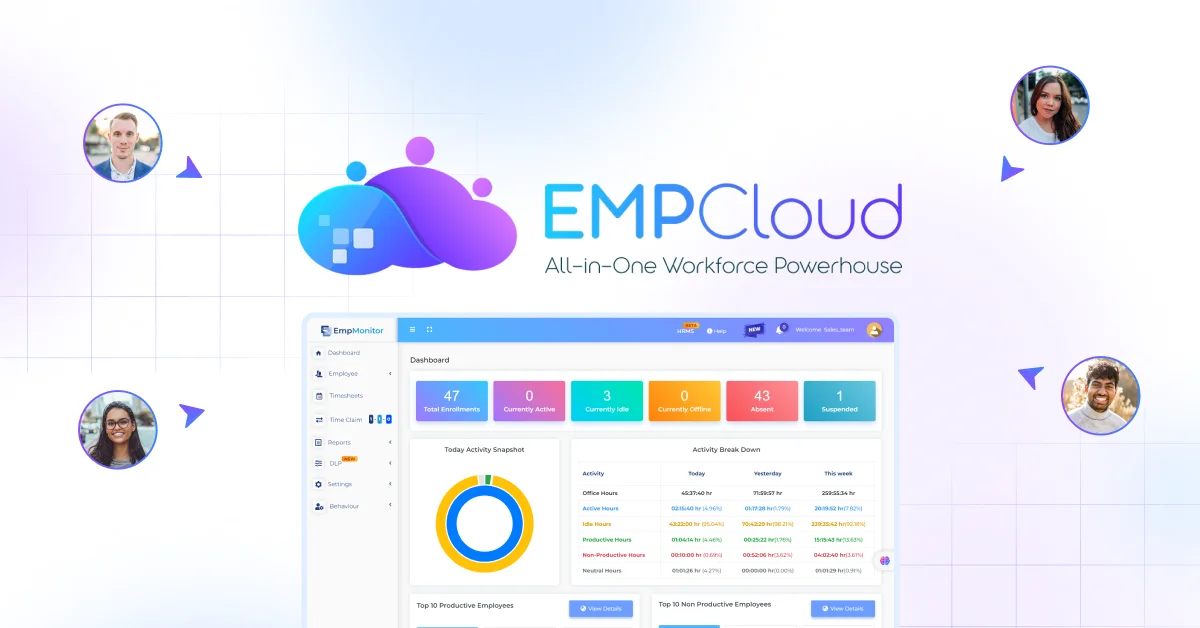 Once teams start prioritizing visibility and structure in daily work, the need for a supportive system becomes obvious. Many organizations want better insight into how tasks move across the day without disrupting focus or trust. This is where Empcloud fits naturally. It works as an employee screen monitoring software that supports organized work habits, helps teams stay aligned, and shows how work actually unfolds rather than how it is assumed to happen.
What makes EmpCloud effective is that it emphasizes real work patterns instead of constant observation. It allows managers to understand task flow, workload balance, and productivity trends without creating pressure. By keeping oversight practical and respectful, screen monitoring becomes a shared reference point for clarity and improvement rather than a source of tension. Now that its role in the workflow is clear, it helps to look at the features that make this approach work smoothly.
Key EmpCloud Features That Support Visibility Without Pressure
EmpCloud brings together several capabilities that strengthen accountability while keeping work stress in check:
- Real-time visibility that helps managers follow task progress without interrupting employees
- Clean and secure dashboards that summarize activity clearly instead of flooding users with data
- Strong privacy controls that limit access to sensitive insights and reduce misuse risks
- Detailed productivity reports that highlight trends and areas for improvement
- Live screen monitoring software supports timely guidance when needed
- Seamless integration with existing systems, making it easy to scale as teams grow
These features allow teams to review work objectively and consistently. By focusing on clarity instead of control, EmpCloud helps employees manage expectations, balance workloads, and stay aligned with goals. Managers gain reliable insights that support coaching and fair evaluations rather than assumptions. Over time, this approach reduces burnout, builds trust, and ensures that oversight remains a support system, not a burden.
Common Mistakes Organizations Should Avoid
One common mistake is excessive oversight. Monitoring every detail can harm morale and reduce productivity. Another issue is unclear communication, which creates confusion and resistance. Screen monitoring should never replace open dialogue or human leadership.
Ignoring feedback is another risk. Employees often provide valuable insights into how oversight affects daily work. Regular reviews help organizations refine policies and maintain alignment with business goals.
Avoiding these pitfalls keeps oversight effective and sustainable.
Read More
Master Workforce Management In 2025 Like Never Before!
Final Thoughts
Visibility and trust are not opposites. When implemented thoughtfully, screen monitoring supports productivity, fairness, and security without compromising workplace culture. Success depends on clear intent, ethical practices, and the right technology foundation.
Organizations that approach oversight with empathy and transparency create environments where employees feel supported rather than watched. With the right balance, visibility becomes a tool for growth, alignment, and long-term success.
FAQs
- Can employee activity data be used during performance reviews?
Yes, when used responsibly, activity data can support fair evaluations by highlighting work patterns, effort distribution, and consistency rather than relying on assumptions. - Does workplace tracking affect employee morale over time?
It can improve morale when implemented transparently, as employees gain clearer expectations and fairer assessments based on actual work habits. - How long should companies store employee activity records?
Data should be stored only as long as necessary for business or compliance purposes, following internal policies and applicable data protection laws. - Can monitoring tools be customized for different roles or teams?
Most modern solutions allow role-based settings, ensuring teams are observed only within the scope relevant to their responsibilities. - What signs indicate that workplace monitoring policies need revision?
Increased employee concerns, declining engagement, or changes in work structure often signal the need to review and update monitoring policies.
Quick Search Our Blogs
Type in keywords and get instant access to related blog posts.