
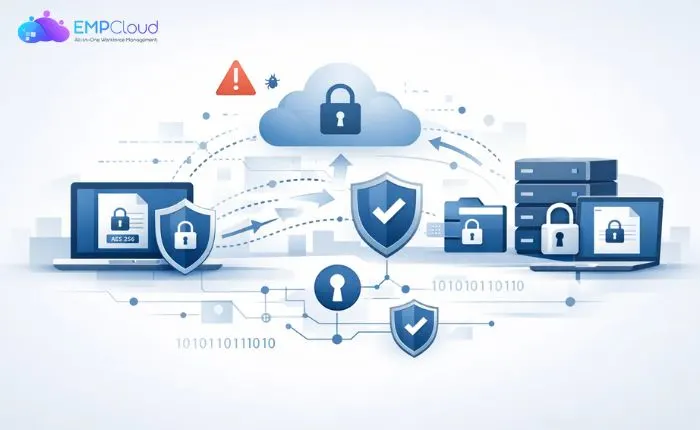
Data sits at the heart of every modern business operation. From customer records to project files and financial documents, organisations rely on information to function smoothly and make informed decisions. As this data moves across devices, apps, and cloud platforms, the chances of accidental leaks, unauthorised access, or cyberattacks increase significantly. Even a simple oversight—like misplacing a laptop or sharing a file with the wrong person—can lead to serious consequences.
This growing dependency on digital information makes data loss prevention a critical part of business security. Protecting data is not just about avoiding financial loss; it also safeguards customer trust, operational stability, and legal compliance. Companies of all sizes now face rising expectations to secure their information and maintain strong internal controls.
This blog explores the meaning of data loss prevention, why it holds such importance, the common risks businesses encounter, and the practical strategies that can strengthen your protection framework. You’ll also learn how EmpCloud supports organisations by enhancing visibility, reducing insider threats, and creating a safer digital environment.
Also Read,
What Is Data Loss Prevention?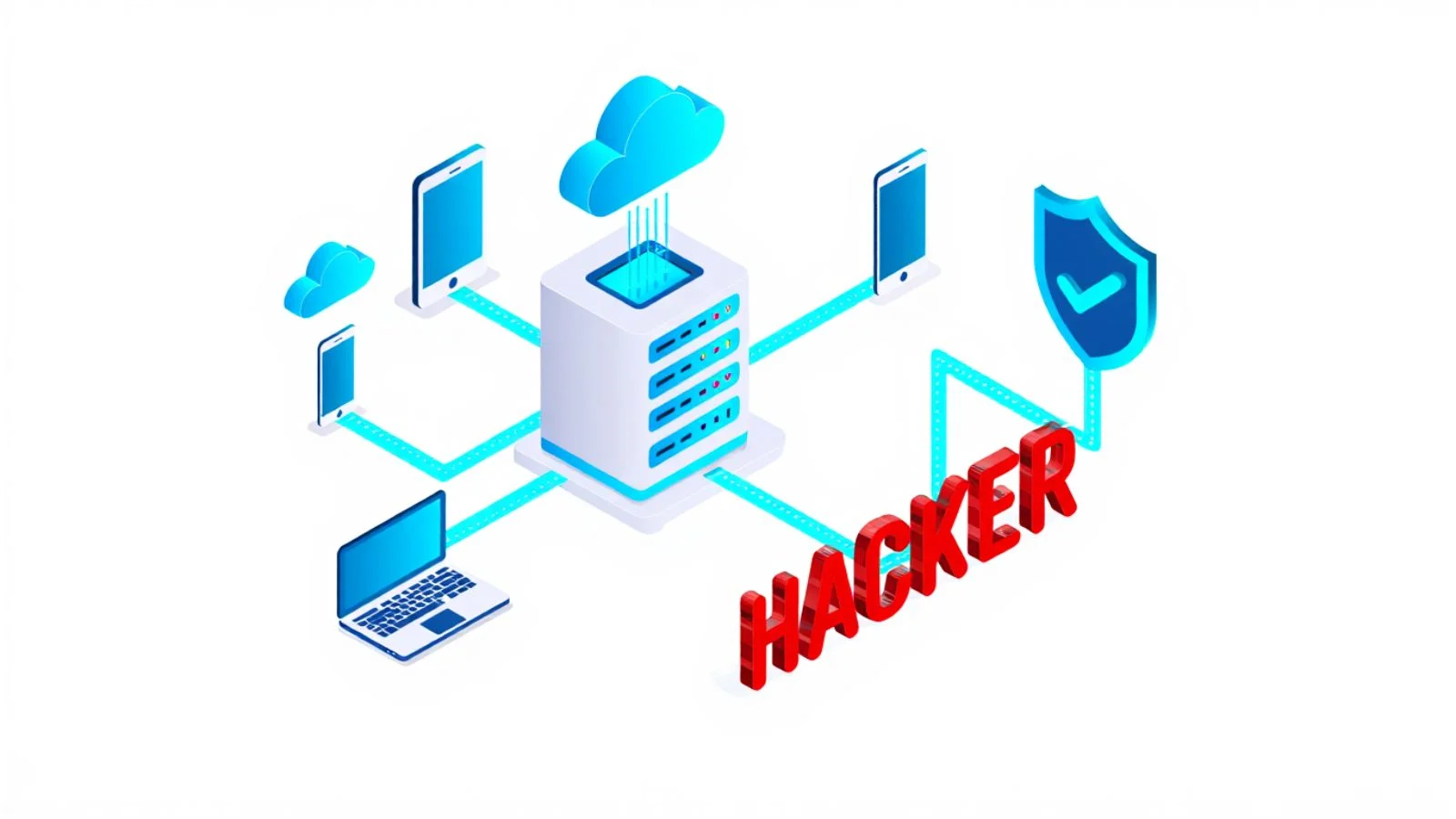
Data loss prevention refers to the set of tools, policies, and processes that help organisations protect sensitive information from being leaked, misused, or accessed without permission. It focuses on identifying valuable data, monitoring its movement, and preventing it from leaving the company’s secure environment unintentionally or through malicious activity.
A strong data loss prevention system keeps an eye on how information is shared across emails, devices, cloud platforms, and employee workflows. It can block risky actions, alert admins, and ensure that confidential files stay protected at every step. Businesses depend on it to safeguard customer records, financial data, intellectual property, and internal documents.
A data loss prevention tool uses automated rules, encryption, machine learning, and continuous monitoring to analyse data behaviour. When the system notices something unusual—like unauthorised downloads or attempts to copy restricted files—it immediately acts to minimise damage.
For organisations handling sensitive information daily, DLP is a crucial layer of defence that strengthens trust, maintains compliance, and ensures smooth operations without compromising security.
Why Is Data Loss Prevention Important?
Every business handles information that must stay protected—customer data, financial records, internal documents, intellectual property, or employee details. Losing any of this can create serious damage, and in many cases, recovering from it becomes extremely difficult. This is why data loss prevention plays such a critical role in modern business operations.
One of the biggest risks companies face is human error. A simple misclick, a file shared with the wrong person, or an employee downloading data onto an unsecured device is enough to expose sensitive information. Remote and hybrid work environments have increased these risks even more, as employees often switch between multiple devices and networks.
Cyber threats are another major concern. Malware, ransomware, targeted attacks, and phishing attempts are becoming more advanced every year. Without a strong protection strategy, businesses can face data breaches, downtime, and operational disruption. Compliance requirements also add pressure. Companies must protect data to meet legal and industry standards or face hefty penalties.
Understanding why data loss prevention is important helps businesses stay proactive instead of reacting after damage is done. With the right systems, policies, and monitoring in place, companies can maintain trust, reduce risks, and secure their most valuable digital assets.
Types of Data Loss Prevention (Network, Endpoint & Cloud)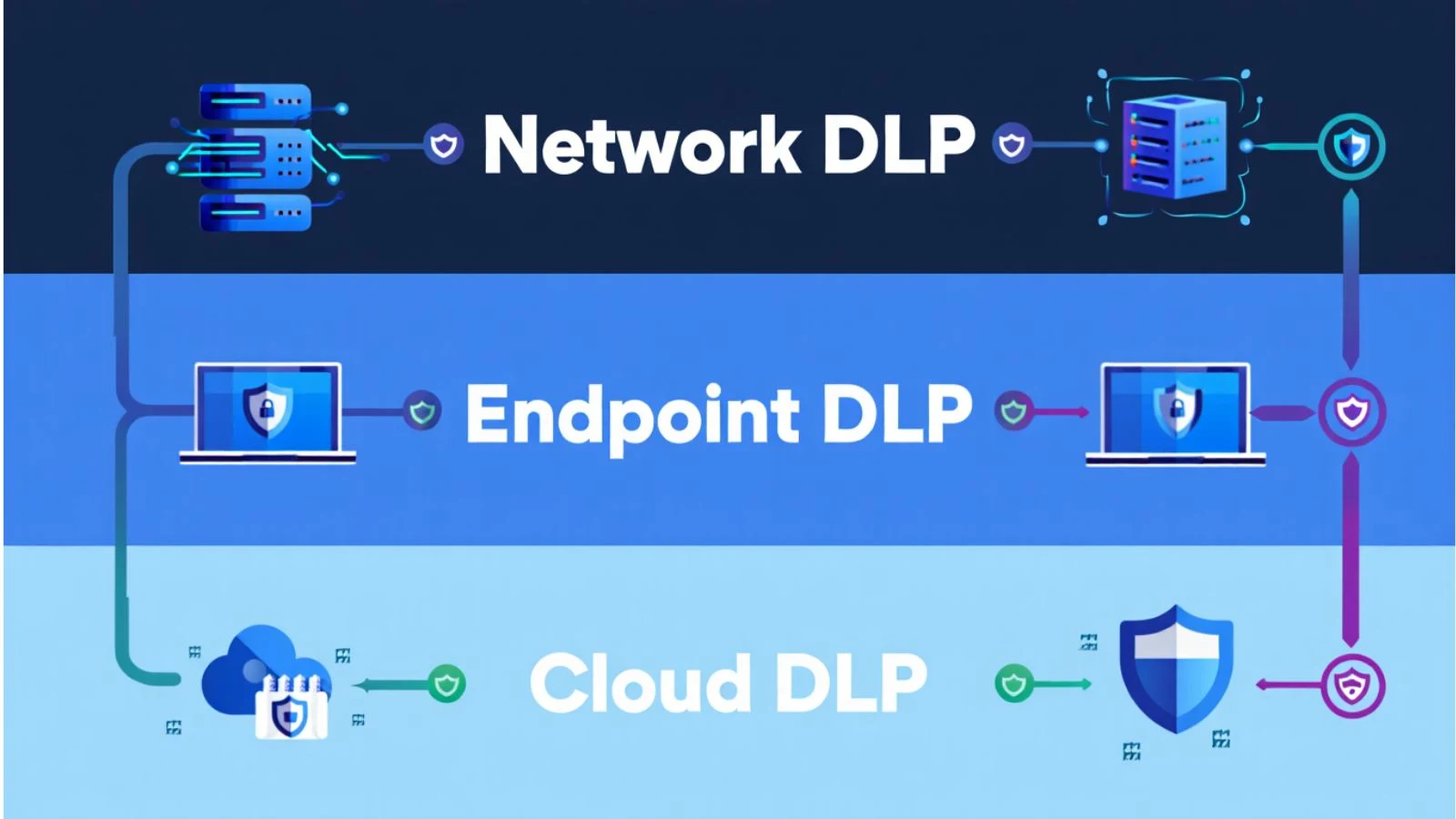
Data protection needs vary from one business to another, which is why different types of data loss prevention systems exist. Each type focuses on monitoring and securing information at different points in its journey—whether it’s being used, stored, or shared.
Network DLP focuses on data moving across a company’s network. It monitors emails, file transfers, and web traffic to ensure sensitive information isn’t leaving the organisation without approval. This type is especially useful for businesses that deal with large volumes of client or financial data.
Endpoint DLP protects individual devices such as laptops, desktops, and mobile phones. Since many data leaks happen due to physical device access or misuse, endpoint DLP helps monitor activities like screenshots, USB file transfers, printing, or copying information. It’s valuable for companies with remote teams or employees using multiple devices for work.
Cloud DLP secures data stored in or shared through cloud platforms. As more businesses rely on cloud tools for daily operations, protecting files that live outside traditional on-premise systems becomes crucial. Cloud DLP helps identify sensitive files, control access permissions, and monitor user actions across cloud apps.
Together, these three types create a complete safety net, ensuring data is protected at every stage—no matter how or where it moves.
Building a Strong Data Loss Prevention Strategy
Creating an effective data loss prevention strategy starts with understanding what information needs protection and how it moves across your organisation. Every business operates differently, so a successful DLP framework must be tailored to your workflows, risks, and security requirements.
The first step is identifying sensitive data. This includes customer information, financial documents, proprietary files, contracts, employee records, or anything that could cause harm if exposed. Once identified, the next step is data classification and labelling information based on sensitivity levels so the system knows what to prioritise and how to protect it.
Access control plays a major role in any data loss prevention strategy. Not every employee needs access to all information. Defining user roles, restricting permissions, and reviewing access regularly ensure that only authorised individuals can view or share sensitive data.
Monitoring employee activity is equally important. A data loss prevention tool or employee monitoring software helps track unusual behaviour, such as large file downloads, multiple failed login attempts, or attempts to transfer data outside approved channels. These tools help detect risks early and safeguard the environment without disrupting productivity.
Data Loss Prevention Best Practices
Implementing strong data protection doesn’t have to be complicated. A few essential practices can significantly reduce risks and strengthen your overall data loss prevention framework.
Start by classifying sensitive information so your system knows which data requires the highest level of protection. Limit access based on roles, ensuring employees only view the information they genuinely need. This reduces accidental exposure and prevents misuse.
Encryption is another crucial layer. Encrypting files—both in transit and at rest—keeps your data unreadable even if it falls into the wrong hands. Regular backups are equally important, helping businesses recover quickly from system failures, ransomware attacks, or accidental deletions.
Monitoring user activity creates greater visibility. With continuous tracking, companies can catch unusual behaviour early, such as unauthorised downloads or attempts to copy confidential files. Training employees also goes a long way; when teams understand how risks arise, they naturally make safer decisions.
Finally, conduct regular audits to identify gaps, outdated permissions, or weak security habits. These simple yet effective best practices help build a stronger, more secure environment for protecting valuable business data.
How To Choose The Best DLP Solution?
Selecting the right tools is a major step in building a strong data loss prevention framework. With so many options available, businesses need solutions that are reliable, easy to implement, and capable of monitoring data across networks, devices, and cloud platforms. A data loss prevention tool should do more than just block suspicious activity—it should provide visibility, automate alerts, and support long-term security goals.
When looking for the best DLP solution, key features to consider include data classification, real-time monitoring, policy enforcement, encryption, and reporting. Your tool should be able to identify sensitive information, track how employees use it, and prevent unauthorised transfers. Platforms that integrate with existing systems and support cloud monitoring offer even greater flexibility for modern teams.
Another important factor is employee oversight. Many incidents begin with negligence or accidental misuse, which is why adding employee monitoring software strengthens your overall protection. It helps detect unusual behaviour, prevent insider risks, and protect confidential files from being shared or copied without approval.
The right combination of tools ensures your DLP strategy is proactive, comprehensive, and aligned with your organisation’s evolving needs.
Why Is EmpCloud a Smart Choice for Data Loss Prevention?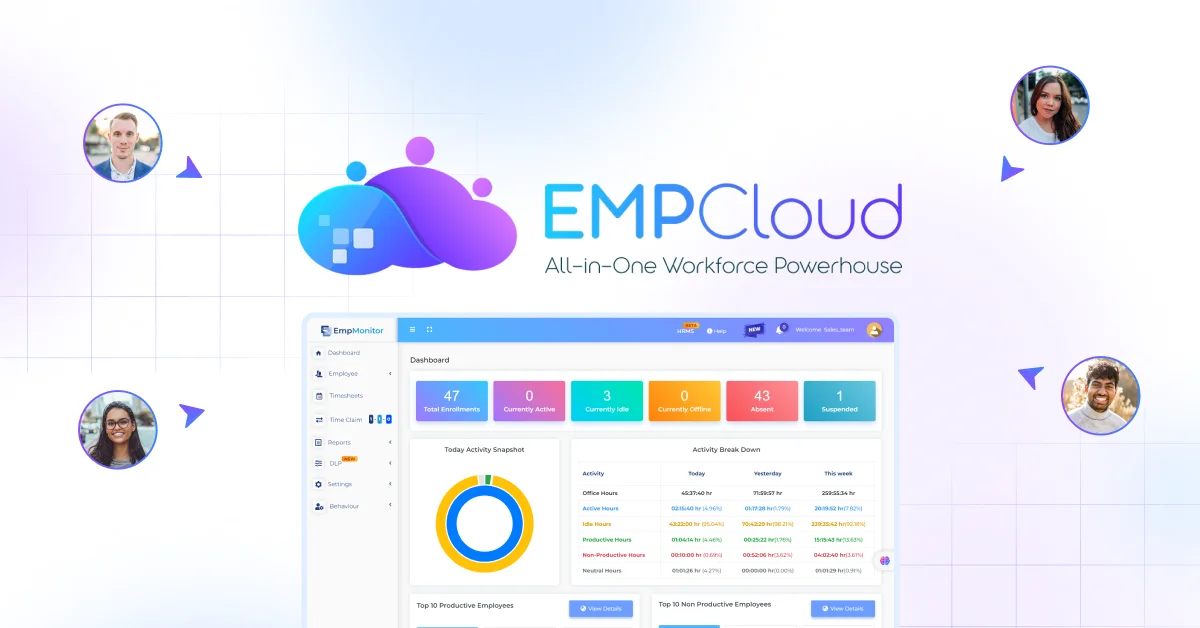
EmpCloud gives businesses a powerful, all-in-one platform to secure their data while improving visibility across their entire digital environment. Instead of juggling multiple tools, companies can rely on EmpCloud’s employee monitoring solution- EmpMonitor to monitor employee activity, track data movement, and detect risky behaviour before it turns into a security incident. This makes it a practical and effective part of any data loss prevention strategy.
One of its biggest strengths is real-time monitoring. EmpCloud allows admins to see how files are accessed, shared, or transferred, making it easier to spot unusual patterns early. Features like automated alerts, access control, and detailed activity reports help prevent unauthorized downloads, misuse of confidential information, and insider threats.
Its cloud-based design also ensures scalability, supporting remote teams and hybrid workplaces without compromising security. Businesses can protect data across devices, cloud apps, and networks with consistent oversight. EmpCloud also simplifies compliance by maintaining accurate logs and ensuring sensitive information stays within approved workflows.
For organizations seeking stronger protection without complicating their operations, EmpCloud offers the right balance of automation, visibility, and control, making it a smart choice for achieving reliable data loss prevention.
Future of Data Loss Prevention
The future of data loss prevention is closely tied to advancements in AI, machine learning, and cloud technologies. Modern DLP systems are moving beyond simple rule-based monitoring toward predictive and intelligent threat detection. By analysing patterns in employee behaviour and network activity, AI-powered tools can anticipate potential leaks before they happen, minimising risk in real time.
Cloud-first workplaces and hybrid environments are driving the adoption of scalable, cloud-based DLP solutions. Integration with collaboration tools, cloud storage, and remote access systems ensures that sensitive data remains protected, no matter where it resides. Real-time monitoring and automated response mechanisms are becoming standard, reducing reliance on manual intervention.
Additionally, DLP is expected to merge more closely with broader cybersecurity frameworks, combining with endpoint security, identity management, and compliance tools. This holistic approach not only strengthens protection but also improves operational efficiency. Platforms like EmpCloud are at the forefront, offering AI-driven insights, continuous monitoring, and proactive alerts to help businesses stay one step ahead in safeguarding their most valuable digital assets.
Implementing a Strong Data Loss Prevention Strategy
A robust data loss prevention strategy goes beyond deploying tools; it combines policies, employee awareness, and continuous monitoring. Start by identifying and classifying sensitive data, including financial records, intellectual property, and customer information. Once critical data is mapped, define clear access controls and permissions, ensuring only authorised personnel can view or modify it.
Employee training is equally essential. Teams should understand the importance of handling data securely, recognising phishing attempts, and following company protocols. Regular audits and monitoring help detect unusual activity early, while endpoint and cloud DLP systems add a technical layer of protection.
By combining human vigilance with technology-driven insights, businesses can minimise risks, prevent accidental or malicious leaks, and ensure compliance with regulations. A well-implemented strategy not only protects data but also strengthens trust with customers, partners, and employees.
Also Read,
Conclusion
Protecting sensitive information is critical for every modern business, and data loss prevention plays a central role in safeguarding digital assets. By combining strong policies, employee awareness, and advanced tools, companies can prevent accidental leaks, unauthorised access, and cyber threats. Implementing a comprehensive data loss prevention strategy ensures that customer data, financial records, and intellectual property remain secure, maintaining both operational stability and trust.
Platforms like EmpCloud make it easier for organisations to monitor activity, detect potential risks, and respond in real time. With AI-driven insights and continuous monitoring, businesses can stay ahead of threats and strengthen their overall security framework. Investing in robust data protection practices today not only prevents losses but also prepares organisations for the future of secure, efficient, and compliant operations.
FAQs
1. Can small businesses benefit from data loss prevention?
Absolutely. Even small businesses handle sensitive information like customer data or financial records. Implementing a DLP strategy ensures protection without needing a large IT team.
2. How does AI enhance data loss prevention?
AI-driven DLP tools can detect unusual patterns, predict potential leaks, and automate responses, making prevention faster and more accurate than manual monitoring.
3. Is cloud data safe without DLP?
No. While cloud providers offer basic security, sensitive files can still be exposed. A DLP system monitors, classifies, and protects cloud data in real time.
Quick Search Our Blogs
Type in keywords and get instant access to related blog posts.