
Employee satisfaction has become the cornerstone of organizational success in today’s competitive business landscape. When your workforce feels valued, engaged, and motivated, productivity soars, turnover decreases, and your company culture thrives. Understanding what drives employee satisfaction and implementing effective strategies to enhance it is no longer optional; it’s essential for businesses aiming to retain top talent and maintain a competitive edge in 2026.
In this comprehensive guide, we’ll explore five proven strategies that organizations can implement to significantly boost employee satisfaction. From creating a positive work environment to leveraging cutting-edge technology, these actionable approaches will help you transform your workplace into a hub of engaged, productive, and happy employees.
In A Hurry? Listen To The Podcast Instead!
What Is Employee Satisfaction?

Before diving into strategies, it’s crucial to understand what employee satisfaction truly means. Employee satisfaction refers to the extent to which employees feel content, fulfilled, and happy with their jobs and workplace environment. It encompasses various factors, including compensation, work-life balance, career development opportunities, workplace relationships, recognition, and the overall organizational culture.
A satisfied employee doesn’t just show up for a pay check; they’re emotionally invested in their work, committed to organizational goals, and willing to go the extra mile. To measure and improve this effectively, organizations should Use Employee Engagement Metrics that track sentiment, participation, productivity trends, and feedback patterns. These insights provide a clearer picture of how employees actually feel rather than relying on assumptions.
This positive emotional connection translates into better performance, increased loyalty, and a more collaborative workplace atmosphere. Organizations that prioritize this concept often witness reduced absenteeism, lower turnover rates, and improved customer satisfaction, as happy employees consistently deliver better service.
Strategy 1: Foster Open Communication and Transparency:

Communication forms the backbone of any healthy workplace relationship. When employees feel heard and informed, their satisfaction levels naturally increase. Establishing open channels of communication where team members can voice concerns, share ideas, and receive timely feedback creates a culture of trust and transparency.
Leaders should implement regular one-on-one meetings, town halls, and anonymous feedback mechanisms to ensure every voice matters. Transparency about company goals, challenges, and decisions helps employees understand the bigger picture and feel more connected to organizational success.
When management communicates openly about both wins and setbacks, it builds credibility and demonstrates respect for the workforce. Digital communication tools and collaborative platforms can facilitate seamless information flow across all organizational levels. Whether your team works remotely, in-office, or in a hybrid setup, ensuring everyone has access to the same information eliminates confusion and builds a sense of unity. This transparency directly contributes to enhanced workforce morale as people feel valued and included in the organizational journey.
Strategy 2: Invest in Professional Development and Growth Opportunities:

Particularly millennials and Gen Z employees prioritize learning and growth over static job roles. Organizations that invest in their employees’ professional development demonstrate a commitment to their future, significantly boosting employee satisfaction levels.
Create structured career development programs that include skill-building workshops, mentorship opportunities, and clear advancement pathways. When employees see a future within your organization, they’re more likely to remain engaged and motivated. Offering tuition reimbursement, certification programs, and cross-functional training opportunities shows that you value their long-term growth, not just their immediate contributions.
Regular performance reviews should focus not just on evaluating past work but on identifying future potential and creating personalized development plans. Workforce engagement increases when individuals feel they’re progressing in their careers rather than stagnating. Encourage managers to have career conversations with their team members, helping them map out their professional journeys within the organization. Additionally, creating internal mobility opportunities allows employees to explore different roles without leaving the company. This approach satisfies their desire for new challenges while retaining valuable institutional knowledge and experience.
Strategy 3: Recognize and Reward Exceptional Performance:

Recognition is a powerful driver of employee satisfaction. When employees feel appreciated for their contributions, they develop a stronger connection to their work and organization. Implementing a comprehensive recognition program goes beyond annual bonuses; it involves celebrating achievements both big and small in meaningful ways.
Create a culture where recognition happens regularly, not just during formal reviews. Peer-to-peer recognition programs empower team members to acknowledge each other’s efforts, fostering a supportive environment. Public recognition during team meetings, company-wide emails, or internal social platforms amplifies the positive impact and motivates others to excel.
Monetary rewards remain important, but non-monetary recognition often carries equal weight in boosting workforce morale. Flexible work arrangements, extra time off, professional development opportunities, or even a simple handwritten thank-you note can make employees feel genuinely valued.
The key is personalizing recognition to match individual preferences; some employees prefer public praise, while others appreciate private acknowledgment. Implementing a structured rewards system ensures consistency and fairness across the organization. When employees understand how their efforts translate into recognition and advancement, they feel more motivated to perform at their best, directly enhancing overall workplace engagement.
Strategy 4: Promote Work-Life Balance and Well-being:

The traditional notion of work-life balance has evolved dramatically, especially post-pandemic. Organizations that prioritize employee well-being and respect personal time boundaries see significantly higher satisfaction rates. Burnout has become a critical concern, making it essential for companies to actively promote healthy work-life integration.
Offer flexible work arrangements, including remote work options, flexible hours, and compressed workweeks where possible. Trusting employees to manage their time effectively demonstrates respect and confidence in their professionalism. When people can attend to personal responsibilities without sacrificing career progress, their stress levels decrease, and satisfaction increases. Mental health support should be a priority in modern workplaces.
Providing access to counselling services, stress management workshops, and wellness programs shows that you care about the whole person, not just the employee. Encourage managers to lead by example. When leadership takes vacations and disconnects after hours, it signals that work-life balance is genuinely valued.
Physical wellness initiatives like gym memberships, healthy snack options, ergonomic workspaces, and standing desk options contribute to overall employee satisfaction. Creating dedicated spaces for relaxation or meditation in the office can help employees recharge during busy days. Remember that satisfied, well-rested employees are more productive, creative, and committed to organizational success.
Strategy 5: Leverage Technology to Streamline Workforce Management:
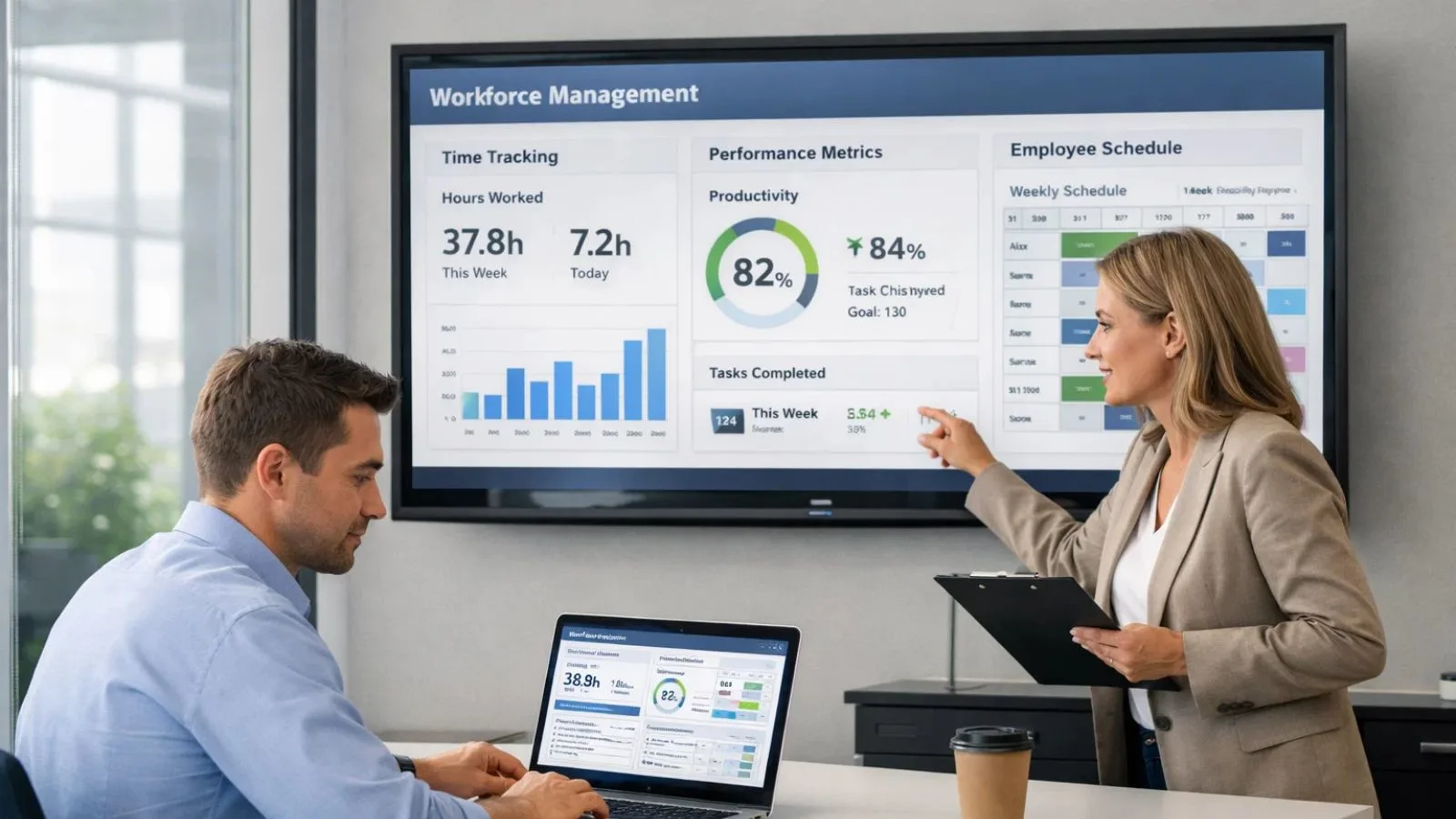
Modern workforce management challenges require modern solutions. Implementing the right workforce management software can dramatically improve employee satisfaction by reducing administrative friction, increasing transparency, and creating more efficient workflows. Technology shouldn’t complicate work; it should simplify it.
Employee management software eliminates tedious manual processes, allowing team members to focus on meaningful work rather than paperwork. Automated time tracking, leave management, and performance evaluation systems save time and reduce errors. When employees can easily access information about their benefits, schedules, and performance metrics through user-friendly platforms, it empowers them and enhances their overall experience.
Productivity management software provides valuable insights into work patterns without being intrusive, helping managers identify bottlenecks and optimize workflows. When implemented transparently and ethically, these tools can actually boost employee satisfaction by ensuring fair workload distribution and recognizing high performers based on objective data. Workforce management software creates consistency across the employee lifecycle, from recruitment and onboarding to performance management and exit. When systems integrate seamlessly, employees experience fewer frustrations and can navigate their employment journey smoothly.
How EmpCloud Enhances Employee Satisfaction:
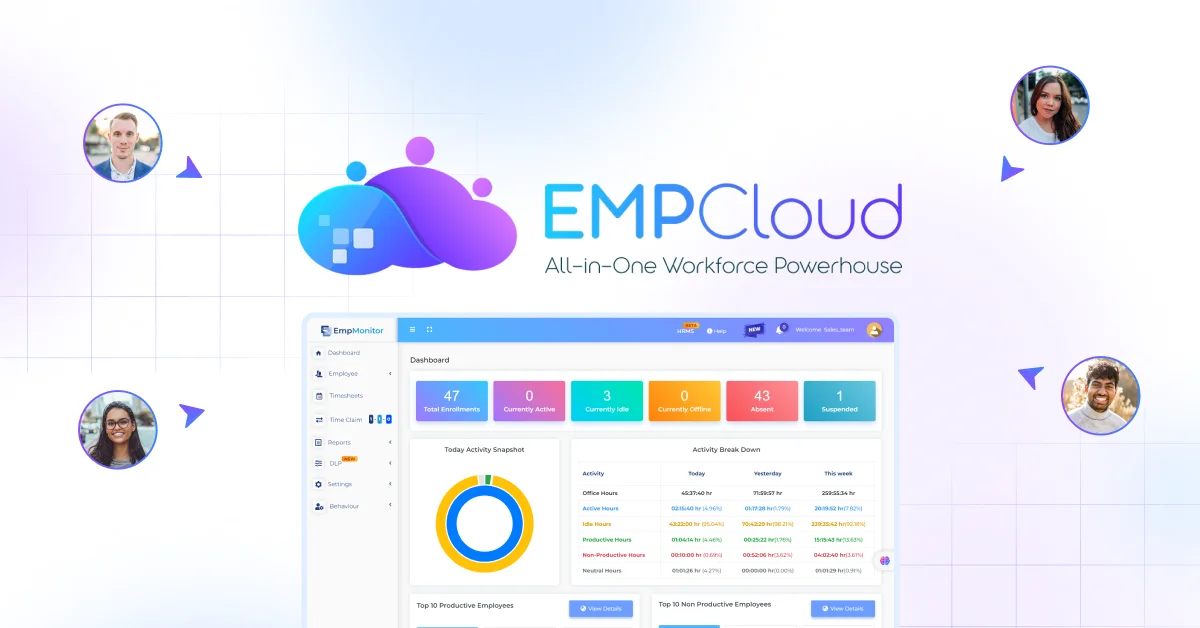
Managing employee satisfaction effectively requires comprehensive tools that address multiple aspects of the workforce experience. EmpCloud offers a complete workforce management suite designed to streamline operations while prioritizing employee engagement and satisfaction. Here’s how EmpCloud can transform your approach to workforce management:
Key Features:
- Recruitment & Onboarding: Seamlessly hire and onboard new talent with integrated job platform connections and virtual interview capabilities, creating positive first impressions that boost initial employee satisfaction
- EmpMonitor: Track productivity with real-time insights while maintaining transparency and accountability across your organization
- HRMS: Streamline attendance tracking, leave management, and compliance documentation, reducing administrative burden on both HR and employees
- Performance & Career Management: Guide employee growth with skill development programs, certifications, and performance-based appraisals that demonstrate investment in their future
- Rewards & Recognition: Leverage AI-powered systems to automatically identify high performers and reward them with incentives and coupons, fostering a culture of appreciation
EmpCloud’s integrated approach ensures that every touchpoint in the employee journey contributes positively to overall workforce engagement, from day one through career progression and beyond.
Also Read:
How To Use Employee Engagement Metrics To Boost Performance?
How to Measure Employee Satisfaction:
Implementing strategies is only half the battle; measuring their effectiveness is equally crucial. Measuring employee satisfaction involves both quantitative and qualitative approaches that provide comprehensive insights into your workforce’s sentiment. Regular employee satisfaction surveys should include questions about various aspects of the work experience, including compensation, management, work environment, growth opportunities, and work-life balance.
Use a mix of rating scales and open-ended questions to gather both measurable data and detailed feedback. Consider conducting pulse surveys quarterly to track trends over time rather than relying solely on annual surveys. Employee Net Promoter Score (eNPS) measures how likely employees are to recommend your organization as a workplace. This simple metric provides a quick snapshot of overall satisfaction and can be tracked over time to measure improvement. Combine this with retention and turnover data to understand if satisfaction is translating into loyalty. Exit interviews offer valuable insights from departing employees who may provide honest feedback they wouldn’t share otherwise.
Analyzing patterns in exit interview responses can highlight systemic issues affecting employee satisfaction. Additionally, monitoring absenteeism rates, productivity metrics, and employee engagement scores during meetings and events provides indirect indicators of satisfaction levels. The key to effective measurement is consistency and action. Regularly collecting feedback means nothing if leadership doesn’t respond to the insights gained. Employees need to see that their feedback leads to tangible improvements, which in itself boosts satisfaction and encourages continued honest communication.
How to Improve Employee Satisfaction: A Continuous Journey:
Understanding how to improve employee satisfaction requires recognizing that it’s not a one-time initiative but an ongoing commitment. The strategies outlined above work best when implemented holistically and adapted to your unique organizational culture and workforce needs. Start by conducting a thorough assessment of current satisfaction levels to establish a baseline. Identify the biggest pain points and prioritize addressing them first. Quick wins build momentum and demonstrate leadership’s commitment to change.
Involve employees in developing solutions; people support what they help create, and their insights often identify the most practical improvements. Create cross-functional task forces focused on different aspects of employee satisfaction. One might tackle communication improvements, while another develops the recognition program.
Empower these groups to make decisions and implement changes, which itself demonstrates trust and boosts engagement. Remember that different employee demographics may value different aspects of the work experience. Younger employees might prioritize career development and purpose-driven work, while others might value stability and benefits.
Segment your approach when possible to address diverse needs across your workforce. Leadership commitment is non-negotiable. When executives visibly prioritize workforce well-being through their actions and decisions, it signals that this isn’t just another corporate initiative but a fundamental organizational value. Allocate adequate resources, whether budget, time, or personnel, to support satisfaction initiatives.
Most importantly, communicate progress transparently. Share survey results, explain what actions you’re taking in response, and celebrate improvements. When employees see that their feedback creates positive change, it reinforces their value to the organization and further enhances satisfaction.
Conclusion:
Boosting employee satisfaction requires a multifaceted approach that addresses communication, development, recognition, well-being, and technology. By implementing these five proven strategies and continuously measuring and improving your efforts, you create a workplace where employees thrive. Remember that satisfied employees aren’t just happier, they’re more productive, loyal, and committed to driving your organization’s success. Invest in employee satisfaction today, and watch it transform your entire business tomorrow.
FAQ’s:
Q1: What factors contribute most to employee satisfaction?
Ans: Key factors include fair compensation, career development opportunities, positive workplace relationships, effective leadership, work-life balance, recognition, and a supportive organizational culture. The relative importance of each factor varies by individual and demographic.
Q2: How often should we measure employee satisfaction?
Ans: Conduct comprehensive annual surveys supplemented by quarterly pulse checks to track trends. Additionally, gather continuous feedback through one-on-ones, suggestion boxes, and monitoring indirect indicators like retention rates and productivity metrics.
Q3: Can small businesses improve employee satisfaction without large budgets?
Ans: Absolutely. Many high-impact initiatives cost little, open communication, regular recognition, flexible scheduling, and creating growth opportunities through mentoring or cross-training require minimal financial investment but significantly boost satisfaction.
Q4: How does employee satisfaction differ from employee engagement?
Ans: Employee satisfaction relates to how content employees are with their jobs, while engagement reflects their emotional commitment and discretionary effort toward organizational goals. Satisfied employees may not necessarily be engaged, but engagement typically requires a foundation of satisfaction.
Quick Search Our Blogs
Type in keywords and get instant access to related blog posts.