Data has truly become the heartbeat of organizations today. Whether it’s personal details or sensitive corporate documents, protecting this information isn’t just a choice anymore; it’s a necessity. To ensure this data stays safe, organizations turn to effective Data Loss Prevention DLP solution that help block unauthorized access, prevent leaks, and avoid breaches, all while keeping operations running smoothly.
In this guide, we’ll dive into what DLP is, why it’s so important, how it functions, the various types available, best practices, and what the future holds for data protection. By the time you finish reading, you’ll see why investing in a solid system to protect your information is a smart move for any organization.
In a hurry? Listen to the blog instead!
What Is A DLP Solution?
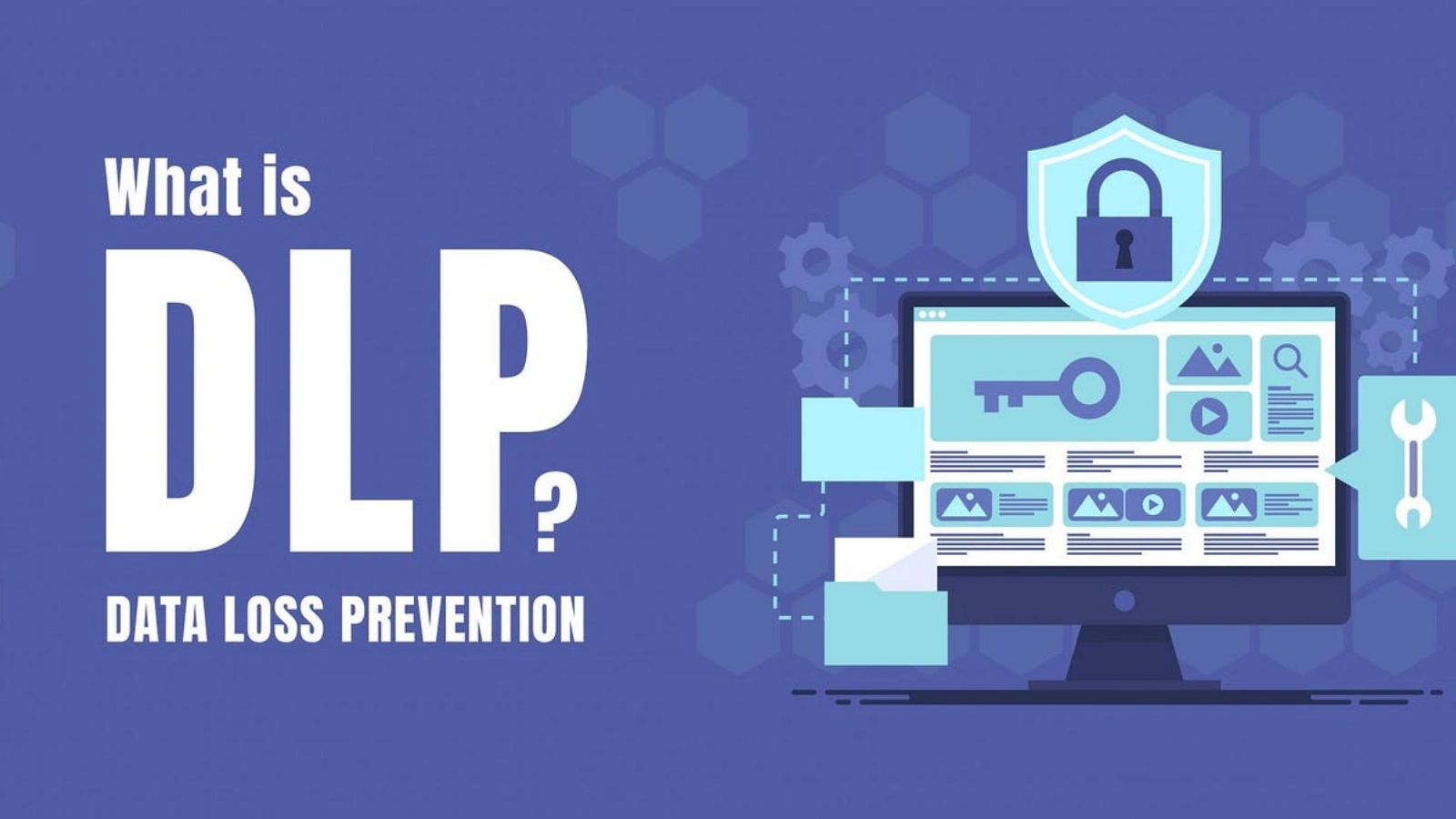
A data loss prevention solution is a set of tools and processes designed to safeguard sensitive information from accidental or malicious exposure. These systems monitor, detect, and block unauthorized attempts to access, transfer, or share data.
Data breaches can be costly, both financially and reputationally, so controlling the flow of sensitive information and ensuring compliance with regulations such as GDPR, HIPAA, and PCI DSS is essential. Essentially, it acts as a protective shield for your organization’s information, whether it resides on endpoints, networks, or cloud environments.
Why Organizations Need A DLP Solution?
Organizations handle a massive amount of data every day, including customer records, financial information, intellectual property, and confidential communications. Without proper protection, this sensitive information is vulnerable to cyberattacks, insider threats, and human error.
Some of the key reasons businesses need a data loss prevention solutions include:
- Preventing data breaches: It identifies potential risks and stops sensitive data from leaving the organization.
- Regulatory compliance: Industries like healthcare, finance, and retail must comply with strict data protection regulations, and this solution helps maintain compliance effortlessly.
- Protecting intellectual property: It safeguards trade secrets, product designs, and other proprietary information from leakage.
- Maintaining customer trust: Data breaches can damage brand reputation, and using a DLP system demonstrates your commitment to protecting client data and respecting employment privacy.
Investing in a DLP solution is no longer optional, it’s a necessity for organizations of all sizes.
Also Read:
Employment Privacy Law: What Every Employer And Employee Should Know
What Are The Different Types Of DLP Solutions?
There are several types of dlp solutions, each designed to address specific data security needs. Understanding the types helps organizations choose the right solution for their environment.
1. Network DLP:
Network-based solutions monitor data in transit across your organization’s network. They prevent sensitive information from leaving the corporate network without authorization.
- Key Features:
- Real-time monitoring of email and web traffic
- Detection of unauthorized file transfers
- Prevention of data exfiltration
Network DLP is ideal for organizations that frequently share data over email, file-sharing platforms, or external networks.
2. Endpoint DLP:
Endpoint solutions focus on devices used by employees, such as laptops, desktops, and mobile devices. They help prevent data leaks caused by local device misuse or malware attacks.
- Key Features:
- Monitoring of USB ports and external devices
- Detection of unauthorized downloads or copy-paste actions
- Device-level encryption and access control
Endpoint DLP is essential for organizations with remote or hybrid workforces, providing robust protection as part of comprehensive endpoint security software.
3. Cloud DLP:
As businesses move to cloud services, protecting cloud data has become critical. A cloud data loss prevention solutions safeguards sensitive information stored in SaaS applications, cloud storage, and collaboration tools.
- Key Features:
- Visibility into cloud application usage
- Detection of sensitive data in cloud environments
- Enforcement of data protection policies
A cloud-based solution ensures your organization benefits from cloud flexibility without compromising data security.
4. Storage DLP:
Storage-focused solutions protect data at rest, including information stored in databases, file servers, and other secure storage systems.
- Key Features:
- Scanning for sensitive data
- Classification and encryption
- Access monitoring and reporting
Storage DLP is particularly useful for organizations dealing with large volumes of data or regulated industries.
Also Read:
Why Endpoint Security Software Matters For Modern Businesses?
Key Features Of An Effective DLP Solution
An effective data loss prevention solutions should offer a comprehensive set of features that address various data security challenges.
Data Discovery and Classification:
It should identify sensitive data across all endpoints, networks, and cloud environments. Classifying data based on sensitivity helps enforce appropriate security measures..
Policy Enforcement:
The ability to create and enforce security policies is critical. Such a system can prevent unauthorized sharing, copying, or downloading of sensitive information.
Monitoring and Reporting:
The system continuously monitors data movements and generates detailed reports. These insights help IT teams understand usage patterns and identify potential threats.
Encryption:
Many systems provide encryption features to protect data both in transit and at rest. This ensures that even if information is intercepted, it cannot be misused.
Integration with Existing Systems:
A robust system integrates seamlessly with your existing security infrastructure, including firewalls, email servers, and cloud platforms.
How A DLP Solution Works?
Understanding how the system works allows organizations to implement it more effectively and strengthen overall data security.
Data Identification:
The first step involves identifying sensitive data across all systems. This includes personally identifiable information (PII), financial records, intellectual property, and confidential communications.
Data Classification:
Once identified, the data is classified based on sensitivity levels. For example, social security numbers are highly sensitive, while internal newsletters may be less critical.
Policy Definition:
Organizations define rules for data usage. Policies determine who can access data, under what circumstances, and what actions are allowed.
Monitoring and Enforcement:
The system monitors user activity and enforces policies in real-time. If an unauthorized action is detected, it can block the attempt, alert administrators, or log the event for further investigation.
Reporting and Analysis:
Finally, detailed reports provide insights into potential risks, policy violations, and data usage trends. These insights help refine security strategies over time.
By understanding these steps, organizations can implement a solution effectively, ensuring their sensitive data remains secure and well-managed.
How To Choose The Right DLP Solution?
Selecting the right data loss prevention solutions is crucial to ensure maximum data protection without disrupting business operations. Here are key factors to consider:
- Scalability: The solution should be able to scale with your organization’s growth. Whether you expand to new offices, onboard remote employees, or migrate to the cloud, it should adapt seamlessly.
- Ease of Deployment: Complex solutions can slow down implementation. Choose one that is easy to deploy and manage across your IT infrastructure.
- Comprehensive Coverage: Look for coverage across endpoints, networks, cloud environments, and storage systems to ensure no data gaps.
- Compliance Capabilities: If your industry has regulatory requirements, ensure the system supports compliance reporting and auditing.
- Integration: It should integrate with your existing security tools, such as antivirus software, firewalls, and identity management systems.
What Are The Key Benefits Of A DLP Solution?
Investing in a data loss prevention solutions offers numerous advantages for organizations of all sizes, helping them safeguard sensitive information while maintaining operational efficiency:
Reduced Risk of Data Breaches:
By continuously monitoring data access and movement, a DLP solution prevents accidental leaks, unauthorized sharing, and cyberattacks. Leveraging IOC cyber security techniques.
it can detect indicators of compromise early, ensuring sensitive information such as financial records, customer data, and intellectual property stays protected. This significantly lowers the risk of costly breaches and reputational damage.
Regulatory Compliance:
A DLP system helps organizations comply with industry regulations like GDPR, HIPAA, and PCI DSS. It tracks critical data, generates detailed, audit-ready reports, and enforces policies automatically, reducing compliance burdens and avoiding potential fines or legal complications.
Enhanced Employee Accountability:
Real-time monitoring and reporting features encourage employees to handle data responsibly. By providing transparency and tracking actions.
It reduces human error, promotes adherence to security protocols, and fosters a culture of accountability throughout the organization.
Protection Against Insider Threats:
Internal threats, whether intentional or accidental, can be among the most damaging. A DLP solution controls access to sensitive data, monitors unusual activities, and alerts administrators promptly, mitigating risks before they escalate and preventing unauthorized use or disclosure of critical information.
Data Visibility and Control:
With complete insight into data movement across endpoints, networks, and cloud environments, IT teams gain the ability to make informed decisions about security strategies.
This visibility allows organizations to optimize workflows, enforce policies consistently, and maintain full control over their most valuable asset, their data.
Improved Operational Efficiency:
Beyond security, these systems also help streamline business operations by integrating smoothly with your existing IT infrastructure.
Automated monitoring, reporting, and enforcement reduce manual oversight, freeing up IT resources to focus on strategic initiatives rather than constantly managing risks.
Also Read:
How To Master IOC Cybersecurity For Stronger Threat Defense?
Best Practices For Implementing A DLP Solution
Implementing a DLP solution requires careful planning and strategy to ensure maximum effectiveness. Here are some best practices:
Start with Data Discovery: Identify and classify all sensitive data before implementation. Knowing what needs protection ensures accurate monitoring and effective policy enforcement.
Define Clear Policies: Create policies that align with your organization’s data security objectives. Make sure employees understand acceptable use guidelines and their responsibilities.
Train Employees: Educate staff on the importance of protecting sensitive information and how the solution helps. Awareness significantly reduces accidental breaches.
Monitor and Review Regularly: Continuously track data activity and periodically review policies to adapt to evolving threats and emerging security risks.
Integrate with Other Security Tools: Combine the solution with antivirus software, firewalls, and identity management systems to provide comprehensive, multi-layered protection across your IT environment.
DLP Tools And Features To Consider
When evaluating data loss prevention solutions, certain tools and features can enhance data protection:
- Content Inspection: Scans data for sensitive information before allowing transfer.
- Contextual Analysis: Understands the context of data use to reduce false positives.
- Endpoint Control: Restricts unauthorized data copying, printing, or sharing.
- Cloud Integration: Monitors data in cloud apps and storage.
- Reporting Dashboard: Offers real-time insights into policy violations and threats.
Choosing the right data loss prevention software is critical to safeguard your organization’s information. To improve data security, companies often invest in multiple tools—network monitoring systems, camera surveillance, access control, and more. However, if you’re looking for a unified solution, EmpCloud brings everything together under one powerful ecosystem.
Within this suite, EmpMonitor plays a vital role by identifying and responding to internal threats. It offers complete visibility into employee activity so that you can detect risky behavior early, prevent unauthorized data transfers, and maintain compliance without disrupting productivity.
Moreover, it also provides an advanced solution to detect and block unauthorized USB devices, ensuring no data leaves the system without approval. With actionable insights, automated alerts, and real-time monitoring, EmpMonitor helps organizations protect what matters most—their data, their workforce, and their reputation.
Selecting a solution with such features ensures your organization stays ahead of evolving security challenges.
How Can EmpCloud Enhance Workforce And Data Protection?
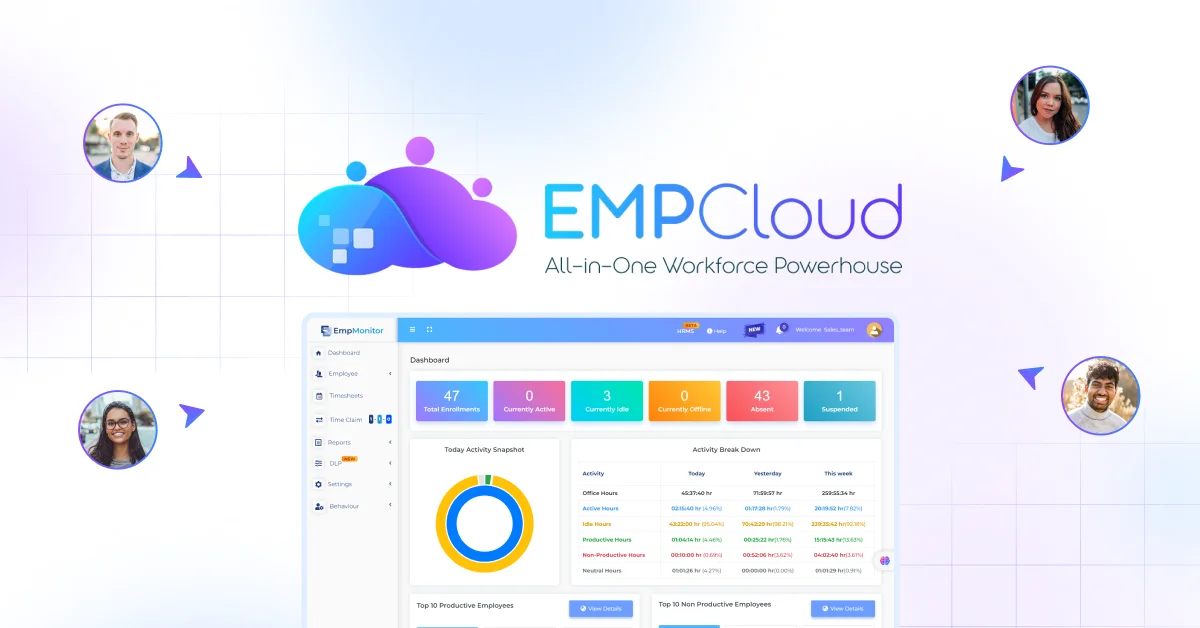
While traditional DLP solutions focus primarily on securing data, EmpCloud goes a step further by integrating workforce management and data loss prevention software into a single platform. This makes it ideal for organizations that want to secure their sensitive information while maintaining operational efficiency.
Other key features of EmpCloud
- Data Loss Prevention:
EmpCloud safeguards sensitive employee and client information using cutting-edge security measures, making it a reliable extension to your existing dlp solution. - Productivity and Performance Tracking:
Monitor real-time performance, track work hours, and optimize productivity with actionable insights. - Project & Task Management:
Assign tasks, track progress, and manage projects efficiently to ensure timely delivery. - Geo-Location & Attendance Tracking:
Keep track of field team locations and ensure accurate attendance with face recognition and contactless systems. - HR and Employee Management:
Simplify onboarding, exit management, payroll, leave, and policy management, all within one centralized platform. - Reporting & Insights:
Generate in-depth reports for better decision-making and maintain compliance with regulatory standards.
By integrating EmpCloud with your DLP solution, organizations can create a secure and productive environment, ensuring that both sensitive data and workforce operations are effectively managed.
Future Trends In DLP Solutions
The field of data protection is evolving rapidly, and understanding upcoming shifts can help organizations strengthen their security posture. One major advancement is AI-powered DLP, where artificial intelligence detects unusual patterns, improves accuracy, and reduces false alerts.
Another key trend is the rise of behavioral analytics, which observes user actions to identify insider risks before they escalate. Modern security frameworks are also adopting Zero Trust architectures, and a reliable dlp solution is becoming an essential component of this model.
Additionally, organizations can expect more cross-platform protection, where security extends seamlessly across on-premises systems, cloud platforms, and mobile environments. Staying aligned with these innovations ensures businesses maintain strong, future-ready data protection strategies..
Conclusion
Data is one of the most valuable assets for any organization. Protecting it requires a proactive approach, and a dlp solution provides the necessary tools and processes to do so.
It not only helps prevent data breaches but also ensures regulatory compliance without constant manual oversight. Critical intellectual property stays protected, and employee accountability increases through transparent monitoring. Most importantly, businesses gain complete visibility and control over how data is accessed, shared, and stored across the workplace, eliminating blind spots that could turn into costly risks.
In a time when breaches can cause severe damage, investing in the right protection strategy is more than an IT decision, it’s a smart strategic move for any organization.
Enhance your data security and workforce management today with EmpCloud, the trusted platform for seamless productivity and robust data protection.
FAQs
1. Can DLP protect mobile devices?
Absolutely! Today’s advanced solutions offer protection for smartphones and tablets as well. They keep an eye on app usage, file transfers, and data sharing to make sure that sensitive information remains secure, even when you’re away from the office.
2. How does DLP handle encrypted data?
Modern systems are quite capable; they can scan data before it gets encrypted or work alongside encryption protocols to safely inspect traffic. This way, they can prevent potential leaks without sacrificing security.
3. Which industries benefit most from DLP?
Industries like healthcare, finance, legal, and technology deal with sensitive data on a daily basis. DLP is essential for maintaining compliance and protecting confidential information. Essentially, any organization that stores critical data stands to gain from it.
Quick Search Our Blogs
Type in keywords and get instant access to related blog posts.