

Employee appreciation isn’t a nice-to-have anymore. It’s the quiet difference between a team that shows up and a team that actually cares.
People rarely quit because the work is hard. They quit because they feel invisible. Somewhere between deadlines and Slack messages, a simple “thank you” gets lost, and that loss adds up faster than most managers realize.
This piece isn’t another generic list. It looks at what appreciation really means, why it works on a psychological level, and how to build it into your culture instead of saving it for one awkward event a year.
Read Aloud:
Quick Summary: What Is Employee Appreciation?
Employee appreciation is the practice of recognizing employees for their contributions through meaningful acknowledgment, support, and everyday actions that make them feel genuinely valued, not just productive.
It’s less about grand gestures and more about consistency. A manager who notices effort every week will build more trust than one who throws a party once a year.
Why Employee Appreciation Matters More Than Ever

Workplaces have changed. Hybrid schedules, tighter budgets, and constant burnout mean people are paying closer attention to how they’re treated. Appreciation isn’t decoration anymore. It’s infrastructure.
Benefits for Employees
When appreciation is real, employees experience higher morale almost immediately. They feel seen, which fuels motivation in a way that bonuses alone rarely do.
Job satisfaction follows close behind. Someone who feels valued tends to bring more energy into meetings, projects, and even casual conversations with teammates.
Benefits for Employers
The payoff for employers is just as tangible. Teams that feel appreciated stay longer, which means fewer costly rehires and less disruption to ongoing projects.
Productivity climbs too, often without any new tools or processes. And over time, this consistency shapes a stronger employer brand, one that job seekers actually notice.
Employee Appreciation Ideas That Actually Work
Good ideas don’t need a big budget. They need intention. Here’s how to break them down by situation, so you can pick what fits your team instead of guessing.
Everyday Appreciation Ideas
- A personalized thank-you, specific enough that it couldn’t apply to anyone else
- Public recognition during a team meeting
- Celebrating small wins before they get buried under bigger goals
- A quick manager shout-out in a group chat
- Direct, positive feedback given in the moment, not weeks later
Low-Cost Appreciation Ideas
- Offering flexible hours for a day
- Coffee vouchers dropped as a small surprise
- Lunch with leadership, no agenda required
- Handwritten notes left on a desk
- A small learning budget for a course someone’s been eyeing
Staff Appreciation Ideas for Teams
Group-level recognition works differently from individual praise, and it’s worth treating separately. Try a rotating appreciation wall, a recognition board in a shared space, monthly team celebrations, or small team awards that highlight collaboration rather than competition.
Appreciation Ideas for Remote Teams
Distance makes appreciation harder to feel, so it has to be more deliberate. Virtual celebrations, a surprise delivery to someone’s home, digital recognition posts, quick online games, and learning memberships all help remote employees feel part of something, not just logged in.
Employee Appreciation Day Ideas
If you’re wondering what are some ideas for employee appreciation day are, start with something personal rather than performative. An awards ceremony, a wellness day, a volunteer activity, a heartfelt message from the CEO, a team outing, or a short career workshop all work well because they mix recognition with genuine investment in people.
How to Choose the Right Employee Appreciation Strategy
Not every idea fits every team, and that’s where most companies stumble. Match your approach to company size, budget, team type, and whether people work remotely or in office.
Personality matters too. A quiet employee might dread public recognition, while an extrovert might crave it. A simple decision matrix, weighing budget against team preference, saves you from picking ideas that look good on paper but flop in practice.
Appreciation vs Recognition: They’re Not the Same
These two terms get used interchangeably, but they aren’t identical, and mixing them up weakens your strategy. Appreciation values the person. Recognition celebrates performance.
Someone can be a mediocre performer this quarter and still deserve appreciation for showing up, supporting teammates, or handling a rough patch with grace. Recognition, by contrast, is tied directly to results, like hitting a sales target or finishing a project early.
Common Employee Appreciation Mistakes to Avoid
Even well-meaning managers get this wrong. Generic rewards, the same gift card for everyone, rarely feel personal.
Only appreciating top performers sends a quiet message that effort doesn’t count unless it wins. Waiting for annual events turns appreciation into an obligation instead of a habit.
Public recognition can also backfire when it embarrasses rather than uplifts someone. And treating appreciation as a substitute for fair compensation is a mistake that erodes trust fast.
Read More:
How EmpCloud Helps Build a Culture of Employee Appreciation
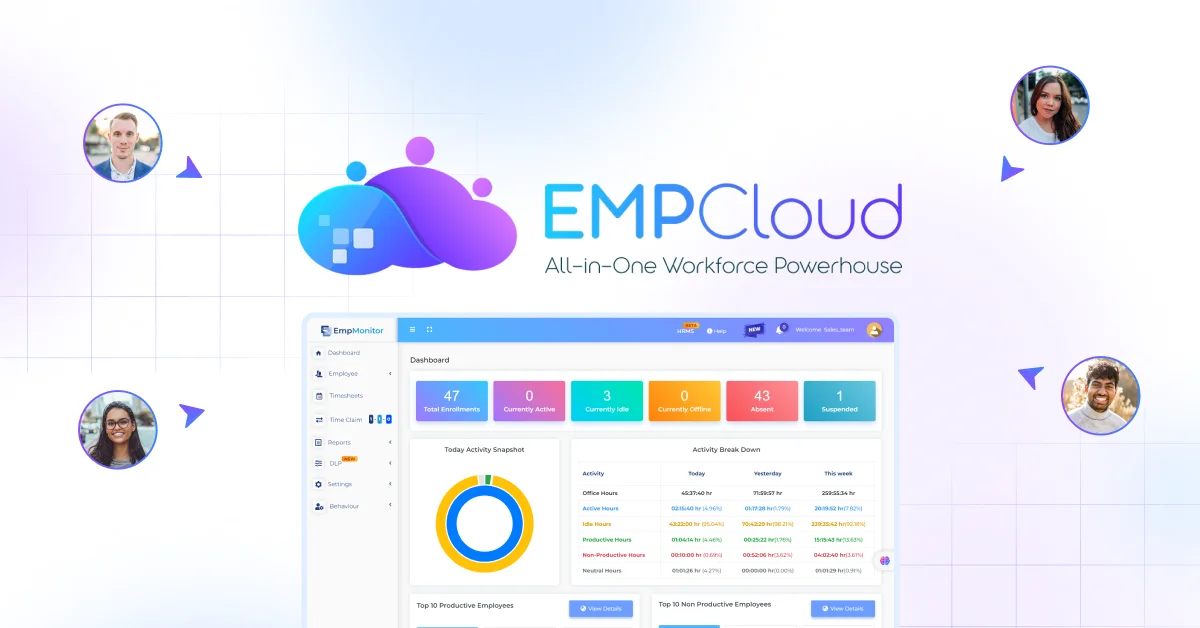
Consistent appreciation starts with visibility. When managers have access to real-time performance and engagement data, recognizing great work becomes timely, meaningful, and consistent.
EmpCloud helps organizations build a culture of appreciation by bringing employee performance, goals, and workforce insights together in one platform.
Key Features:
- Performance tracking for real-time visibility into employee contributions
- Goal management to monitor progress and celebrate achievements
- Employee self-service portal for updating accomplishments and milestones
- Attendance insights for recognizing consistency and commitment
- Performance reviews with structured feedback and recognition
- Team productivity reports to highlight individual and team successes
- HR analytics to identify engagement trends and recognition opportunities
- Centralized workforce management for consistent appreciation across teams
By making employee achievements easier to track and recognize, EmpCloud helps organizations turn appreciation into an everyday practice rather than an occasional event.
The Psychology Behind Employee Appreciation
There’s real science behind why a simple thank-you can outperform an expensive reward. Recognition satisfies intrinsic motivation, the internal drive people have to feel competent and valued.
Specific praise triggers a small dopamine response, reinforcing the exact behavior you want repeated. Vague praise like “good job” doesn’t do much, but “the way you handled that client call was excellent” sticks.
Frequency also beats the price tag. A quick, genuine comment every week builds more goodwill than one lavish gift given once a year and then forgotten.
Measuring Whether Your Appreciation Efforts Are Working
You can’t improve what you don’t track. A few practical metrics help here:
- Employee engagement scores over time
- Retention rates, especially among high performers
- Employee Net Promoter Score (eNPS)
- Absenteeism trends
- Productivity by team
- Recognition program participation
- Direct survey feedback from employees
Watching these numbers shift, even slightly, tells you whether your appreciation efforts are landing or just feeling good on the surface.
Final Thoughts
None of this requires a bigger budget or a flashier event calendar. Appreciating your people works best as a habit, not a headline moment.
Small, consistent actions, a genuine thank-you, a specific compliment, a moment of attention, build something that annual celebrations never quite reach: employees who feel respected, motivated, and genuinely committed to where they work.
Frequently Asked Questions
What is employee appreciation?
It’s the practice of recognizing employees through meaningful actions, support, and consistent acknowledgment of their contributions.
Why is employee appreciation important?
It directly affects morale, retention, and productivity, while shaping how people feel about coming to work each day.
How do you appreciate employees without spending money?
Specific verbal praise, public shout-outs, flexible scheduling, and handwritten notes cost nothing but carry real weight.
How often should managers appreciate employees?
Weekly, ideally. Frequency matters more than the size of the gesture.
What makes employee appreciation meaningful?
Specificity and timing. Generic, delayed praise rarely lands the same way immediate, personal recognition does.
What’s the difference between appreciation and rewards?
Appreciation values the person; rewards are tied to specific achievements or performance milestones.
Quick Search Our Blogs
Type in keywords and get instant access to related blog posts.