
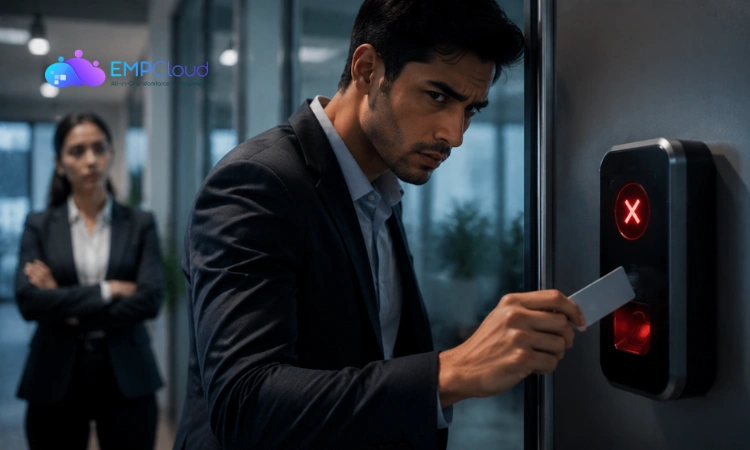
Biometric time clocks are changing the way businesses track employee attendance. Instead of relying on punch cards, PINs, or swipe badges that can be forgotten or shared, these systems verify the actual person clocking in. That simple shift solves a surprising number of workplace problems.
For many businesses, attendance tracking becomes messy over time. Employees forget passwords. Managers spend hours correcting timesheets. Payroll mistakes lead to frustration on both sides. A biometric system removes much of that friction by making attendance fast, accurate, and far harder to manipulate.
The appeal goes beyond convenience, though. Companies are also looking for better security, cleaner payroll records, and tools that fit modern workplaces where employees may work across multiple locations or even remotely.
Why Are Businesses Switching to Biometric Time Clocks?
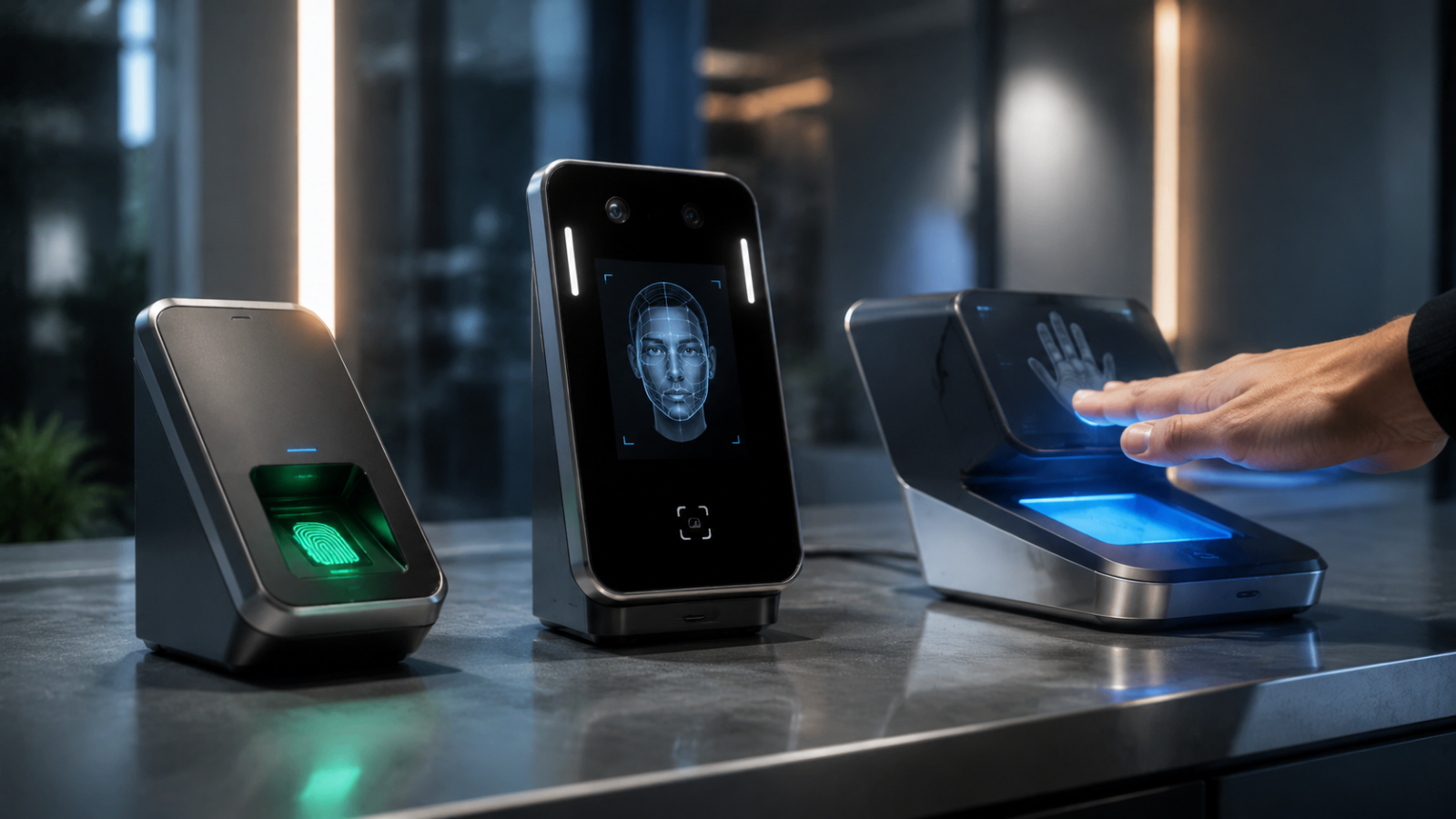
Businesses are adopting biometric time clocks because they improve attendance accuracy, reduce payroll errors, prevent buddy punching, and simplify workforce management. Unlike traditional systems, biometric technology verifies the employee directly through fingerprints, facial recognition, or other unique identifiers. That creates a more reliable and secure process while saving time for both employees and managers.
Companies also use biometric timeclocks to streamline payroll, monitor attendance in real time, and improve accountability without adding extra administrative work.
What Exactly Is a Biometric Time Clock?
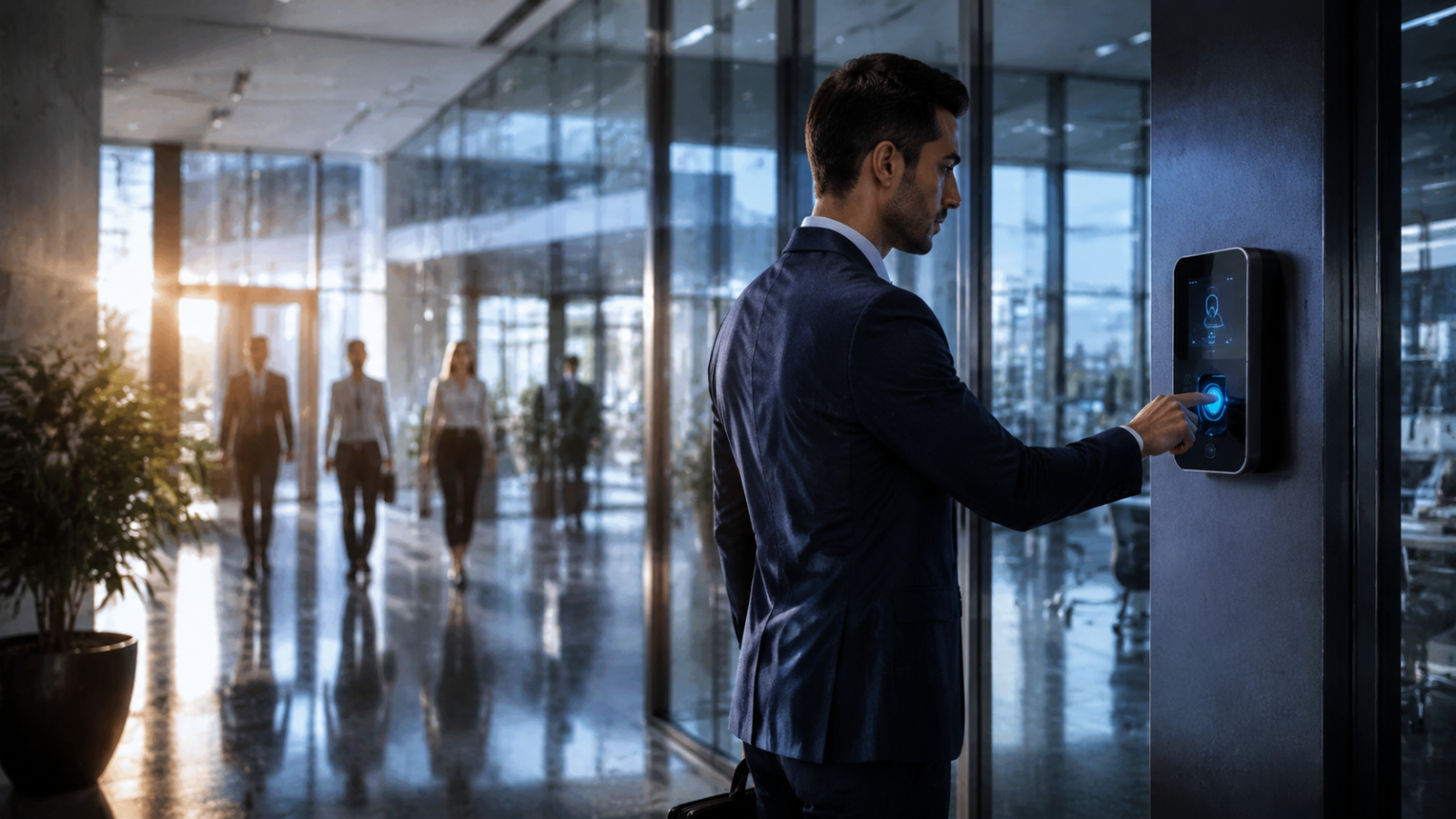
A biometric time clock is an attendance system that uses physical characteristics to identify employees before recording their work hours. Instead of entering a code or swiping a card, employees verify their identity using something unique to them.
Most systems use fingerprints or facial recognition because they are fast and easy to use. Some industries also use palm scanning or iris recognition for higher-security environments.
The idea is simple. The system compares a scanned biometric trait against stored encrypted data. If there is a match, the employee is clocked in or out automatically.
How Biometric Attendance Systems Work
When an employee enrolls in the system, the scanner captures a biometric pattern. That information is converted into encrypted data rather than storing a raw fingerprint image.
Later, when the employee clocks in, the system scans again and compares the new scan to the stored template. If the match is accurate, the attendance record is created instantly.
The process usually takes only a few seconds. In busy workplaces, speed matters more than many companies expect.
Biometric Time Clocks vs Traditional Punch Systems
Traditional attendance systems depend on something employees know or carry. That might be a PIN, ID card, or password.
Those systems create weak points. Cards get lost. Passwords get shared. Employees sometimes clock in for coworkers who are not even present.
A biometric time clock eliminates most of those issues because the employee must physically be there to verify attendance. It shifts attendance tracking from “Who has the card?” to “Who is actually here?”
That distinction is why biometric time clocks are becoming more common in industries with large teams and rotating schedules.
The Biggest Advantages of Biometric Time Clocks
The biggest reason companies move toward biometric systems is accuracy. But once businesses start using them, they often realize the benefits reach much further than attendance tracking alone.
Stops “Buddy Punching” Almost Instantly
Buddy punching is more common than many businesses realize. One employee clocks in for another, usually as a favor. Over time, those small favors become expensive payroll losses.
Biometric time clocks make that nearly impossible because attendance requires the actual employee to verify their identity.
In industries like manufacturing or retail, where shifts begin at the same time for large groups, this can save businesses thousands of dollars every year.
It also creates a fairer environment. Employees who arrive on time no longer feel frustrated watching others abuse the system without consequences.
Payroll Becomes Faster and More Accurate
Manual payroll corrections take time. Managers often need to fix missed punches, calculate overtime manually, or resolve disputes about hours worked.
A digital time clock for employees reduces that burden by automatically recording attendance data in real time. Hours are tracked more precisely, which means fewer payroll errors and fewer last-minute adjustments.
That accuracy helps employees too. People want confidence that their paychecks reflect the hours they actually worked.
Employees Spend Less Time Logging Hours
Some older attendance systems slow down shift changes. Employees line up to swipe cards or enter PINs, especially during peak hours.
Biometric systems simplify the process. A quick fingerprint scan or facial recognition check usually takes only seconds.
It may sound like a small improvement, but over months and years, those saved minutes add up. Workdays start more smoothly, and employees spend less time dealing with attendance frustrations.
Better Security Beyond Attendance Tracking
Many businesses now connect biometric time clocks with building access systems. Employees can access approved areas while unauthorized visitors remain restricted.
That matters in workplaces handling sensitive information, expensive inventory, or secure equipment.
Healthcare facilities are a good example. Hospitals often need accurate attendance records while also limiting access to certain departments. One system can help support both goals.
Real-Time Visibility for Managers
Modern biometric time clock systems allow managers to monitor attendance as it happens.
If an employee misses a shift or clocks in late, supervisors can see it immediately instead of discovering the issue hours later. That visibility becomes especially useful for businesses operating across multiple locations.
Remote work has expanded this need even further. Many cloud-based systems now allow secure mobile check-ins tied to biometric verification and location tracking.
Helps Businesses Stay Compliant
Labor laws require businesses to maintain accurate records of employee hours. Poor attendance tracking can create payroll disputes or compliance problems during audits.
Biometric attendance systems create detailed digital records automatically. That makes it easier to verify work hours, overtime, and break periods when needed.
For companies with hourly employees, those records can reduce legal risks significantly.
Where Biometric Time Clock Systems Make the Biggest Difference
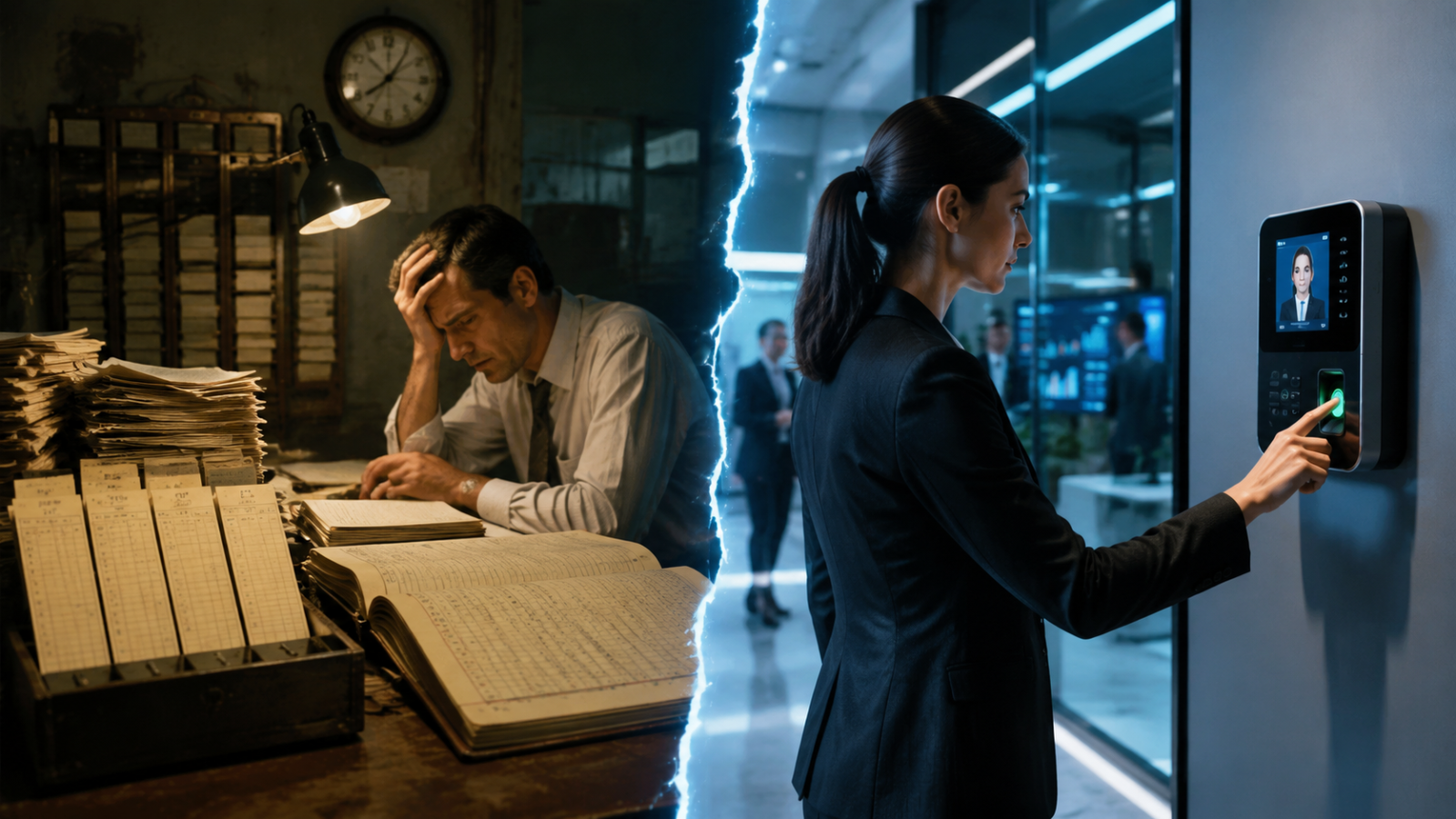
Some workplaces benefit from biometric attendance more than others. Usually, the larger and more complex the workforce becomes, the more valuable accurate tracking becomes.
Manufacturing and Warehouses
Factories and warehouses often run multiple shifts with hundreds of employees entering and leaving throughout the day.
Manual attendance tracking becomes difficult quickly in that environment. Biometric systems help reduce confusion while improving shift accuracy and accountability.
Healthcare Facilities
Hospitals and clinics depend on precise staffing. Missing or inaccurate attendance records can affect patient care and scheduling.
Biometric systems help healthcare organizations track staff attendance more reliably while improving building security at the same time.
Retail and Hospitality
Retail stores and restaurants often deal with frequent schedule changes and high employee turnover.
Biometric time clocks simplify attendance management while helping businesses control payroll costs in fast-moving environments.
Hybrid and Remote Teams
Attendance tracking no longer happens only inside office buildings.
Many modern systems now support mobile biometric verification, allowing remote employees to check in securely from approved locations. That flexibility helps businesses maintain accountability without relying on outdated manual reporting methods.
How to Choose the Right Biometric Time Clock System
Not every system fits every business. The right choice depends on workforce size, work environment, and operational goals.
Start With Your Workforce Size and Workflow
A small office may need only a simple fingerprint scanner connected to payroll software.
A larger organization with multiple branches may require cloud-based reporting, mobile access, and advanced scheduling features.
Before choosing a system, businesses should think carefully about how employees actually work day to day.
Decide Which Biometric Method Fits Best
Fingerprint scanners remain popular because they are affordable and easy to use.
Facial recognition systems work well in environments where touchless check-ins matter, such as healthcare or food service settings.
Outdoor workplaces sometimes require more rugged hardware designed for changing weather conditions and dirty work environments.
The best option depends less on trends and more on practical daily use.
Look for Integrations That Reduce Admin Work
A good attendance system should connect smoothly with payroll and HR software.
Without integration, managers may still spend hours transferring attendance data manually, which defeats part of the purpose of automation.
Businesses should also check reporting features carefully. Clear reporting tools save time later.
Don’t Ignore Employee Privacy Concerns
Privacy concerns are one of the biggest misconceptions surrounding biometric systems.
Employees may worry that fingerprints or facial scans are being stored improperly. Clear communication matters here. Businesses should explain what data is collected, how it is encrypted, and why the system exists.
When companies are transparent, employees are usually far more comfortable adopting the technology.
Common Misconceptions About Biometric Time Clocks
Despite their growing popularity, biometric systems are still misunderstood in many workplaces.
“Biometric Systems Are Only for Large Companies”
That may have been true years ago, but costs have dropped significantly.
Today, even small businesses can access affordable cloud-based biometric time clocks without needing large IT departments or expensive infrastructure.
“Employees Will Hate Using Them”
Some resistance is normal whenever workplaces adopt new technology.
Still, many employees quickly appreciate the fairness biometric systems create. Accurate attendance tracking helps prevent payroll mistakes and reduces frustration around shift accountability.
“Biometric Data Isn’t Safe”
Modern systems typically store encrypted biometric templates rather than actual fingerprint images.
That distinction matters because encrypted templates cannot simply be recreated into physical fingerprints. Businesses should still choose vendors with strong security standards, but modern systems are far safer than many people assume.
Why Businesses Prefer Automated Attendance Systems
Businesses often discover that automation improves more than payroll accuracy.
Managers spend less time resolving attendance disputes. Employees gain confidence in the fairness of the system. Leadership teams get clearer visibility into staffing patterns and labor costs.
Over time, those operational improvements can make workforce management significantly easier.
Smart Access & Attendance with EmpCloud’s Face Recognition System
For businesses looking to streamline operations, EmpCloud’s face recognition system offers the perfect solution. It makes attendance tracking and access control faster, more secure, and contactless—ideal for reducing manual processes and enhancing security.
Key Features:
- Blazing-Fast & Precise: AI-driven face recognition ensures fast, accurate identification.
- Touch-Free Entry: Contactless access for enhanced hygiene and convenience.
- Quick Enrollment: Simple and fast setup for all employees.
- Automated Attendance: Real-time tracking of check-ins and check-outs.
- Role-Based Access: Custom access control for secure premises.
- Instant Alerts: Notifications for unauthorized access or unusual activity.
- Centralized Control: Easy management via a user-friendly dashboard.
- Visitor Management: Streamlined visitor registration and access.
- Offline Functionality: Continuous service with auto-sync once online.
- Detailed Reports & Analytics: Comprehensive attendance and security insights.
Read More!
The Future of Biometric Time Clocks Is More Human Than You Think
Many people assume biometric technology creates a colder workplace experience. In reality, the opposite often happens.
When attendance systems are consistent and transparent, employees spend less time dealing with disputes, corrections, and manual processes. Expectations become clearer for everyone.
The technology is evolving quickly as well. Contactless facial recognition, AI-powered attendance analytics, and predictive scheduling tools are becoming more common across industries.
The future is not just about tracking time more efficiently. It is about creating workplaces that run with fewer interruptions and more trust.
Final Thoughts
Attendance tracking affects more than payroll. It shapes accountability, workplace trust, scheduling accuracy, and daily operations.
Biometric time clocks help businesses reduce manual errors while creating a more reliable system for employees and managers alike. The technology is not just about control. At its best, it removes friction from everyday work routines.
For businesses trying to improve efficiency without creating unnecessary complexity, biometric attendance systems offer a practical and increasingly essential solution.
Frequently Asked Questions
- Are biometric time clocks reliable and accurate?
Yes, biometric time clocks are highly reliable and provide greater accuracy compared to traditional punch systems. Advanced technologies ensure minimal errors in employee attendance tracking.
- Can biometric attendance systems be used for remote employees?
Absolutely. Many modern biometric systems offer cloud-based solutions, enabling remote employees to check in securely via mobile biometric verification and location tracking features.
- How secure is fingerprint-based attendance in terms of employee privacy?
Fingerprint-based systems are designed with strong security measures. They typically store encrypted biometric templates instead of actual fingerprint images, safeguarding sensitive data and ensuring privacy protection.
- What happens if a biometric scanner malfunctions?
Most biometric systems come with backup options, such as PIN entry, mobile verification, or administrator overrides, ensuring continuity in attendance tracking even if a scanner fails.
- Are biometric time clocks affordable for small businesses?
While prices can vary, many cloud-based biometric systems have become increasingly cost-effective, making them accessible to small and medium-sized businesses without compromising on quality or security.
Quick Search Our Blogs
Type in keywords and get instant access to related blog posts.