Clear communication shapes professional relationships and builds workplace trust. After any approved absence, employers expect a formal confirmation before duties resume. A well-written return to work letter confirms intent, restores clarity, and ensures compliance with company policy. This document protects both parties and helps teams move forward without confusion or delays.
Many employees underestimate the value of this document. HR teams rely on it to validate attendance, payroll continuity, and compliance records. Managers use it to plan workloads and team coordination. When written correctly, it helps smooth the transition back into routine work.
Listen To The Podcast Now!
What Does “Return To Work” Mean In The Workplace?

A return-to-work process marks the official transition of an employee from approved leave back to active duty. This process requires confirmation, documentation, and clear timelines to avoid misunderstanding.
Importance Of A Structured Return To Work Process
A structured return-to-work approach reduces operational gaps. Organizations track attendance, payroll, and compliance through documented confirmation. A return to work letter acts as proof of readiness and approval. Without this clarity, HR teams face payroll errors and compliance risks.
How Return To Work Supports Employees And Employers
Employees gain confidence when expectations are clear. Employers gain workforce stability. A return to work letter protects job continuity and aligns both sides on dates, duties, and conditions. This balance strengthens accountability and professionalism.
Why A Return To Work Letter Matters For Employers And Employees?
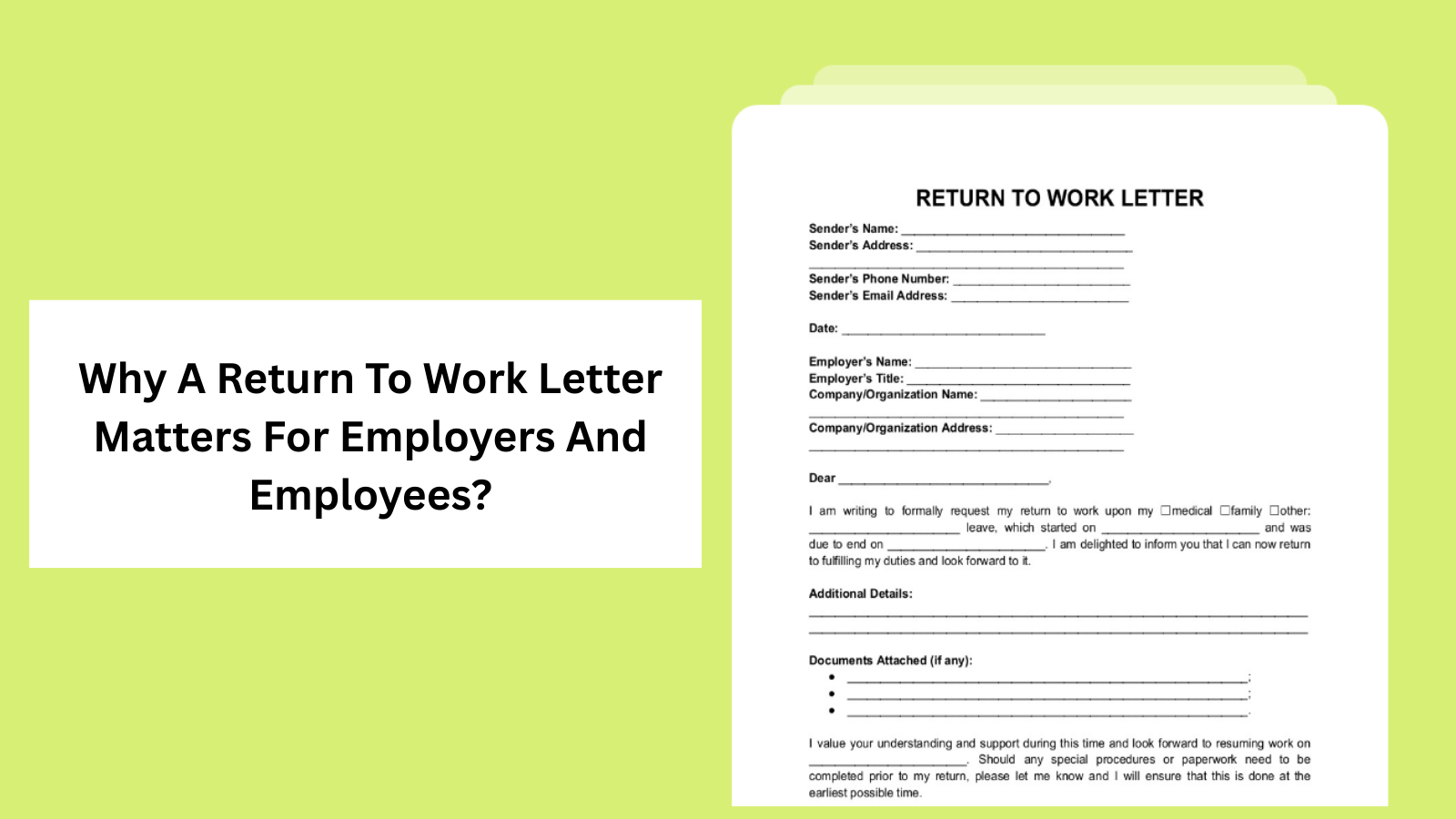
Formal documentation supports transparency and workplace discipline. A return to work letter provides written confirmation that eliminates verbal misunderstandings.
Legal Clarity and Workplace Compliance
Trust, Transparency, and Smooth Rejoining
When Do You Need A Return To Work Letter?
Specific scenarios require formal confirmation before resuming duties. Many organizations also use workforce management solutions to streamline approvals, attendance tracking, and rejoining processes.
- Medical Leave
Medical leave requires proof of recovery. It confirms medical clearance, readiness, and compliance with organizational health policies. - Maternity or Paternity Leave
Formal notice supports HR planning. It confirms availability, rejoining date, and a smooth workload transition. - Sabbatical or Long Absence
Extended absence affects operations. A return to work letter aligns timelines, responsibilities, and team coordination before resuming duties. - Disciplinary Suspension
How To Write A Return To Work Letter Step By Step?

This section explains how to write a return to work letter with clarity and precision.
Start With the Right Subject Line
A clear subject line sets intent instantly.
Examples:
- Return to Work Confirmation
- Request to Resume Duties
- Notice of Return After Approved Leave
Address the Letter Professionally
Professional greetings reflect respect.
Use formats such as:
- Dear HR Manager
- Dear Reporting Manager
Avoid casual language.
Mention the Reason for Leave Clearly
State factual reasons without excess detail; medical, personal, or approved leave explanations maintain transparency and help HR validate records accurately.
If the leave was caused by a job injury, check how returning to work could affect your workers comp benefits before you sign the letter.
Confirm the Return to Work Date
Provide an exact return date; accuracy supports attendance tracking, payroll processing, scheduling, and avoids confusion for managers and HR teams.
Add Supporting Documents if Required
Attach required documents, such as medical fitness certificates or approvals to meet policy rules, and speed verification for HR review.
Close the Letter With Professional Intent
End professionally with readiness and gratitude; a confident closing shows responsibility, commitment, and respect for workplace norms and employer expectations.
Also Read:
How to Implement Workforce Management Solutions Effectively
Why Your Company Needs A Feedback Culture (And How To Start One)
Return To Work Letter Template For Employees
A structured return to work letter template saves time and avoids errors.
Standard Return to Work Letter Template
Subject: Return to Work Confirmation
Dear [Manager/HR Name],
I confirm my intention to resume duties on [date] after approved leave from [start date] to [end date]. I feel ready to continue responsibilities as assigned.
Please let me know if further documentation requires submission.
Sincerely,
[Employee Name]
[Designation]
This return to work letter template fits multiple leave scenarios.
Sample Letter For Return To Work After Leave
Real examples guide clarity and tone.
Example For Medical Leave Return
This sample letter for return to work after leave confirms fitness and compliance.
Subject: Return to Work After Medical Leave
Dear HR Team,
I confirm readiness to return on [date] following medical leave. I have attached the required fitness certificate.
Regards,
[Name]
Example For Personal Or Emergency Leave Return
This sample letter for return to work after leave suits personal situations.
Subject: Return to Work Notice
Dear Manager,
I confirm my return on [date] after the approved leave. I appreciate the support during my absence.
Best regards,
[Name]
Sample Return To Work Letter From Employer To Employee
Employers also issue confirmations.
Employer Confirmation Letter Format
This Sample return to work letter from the employer to the employee ensures formal approval.
Subject: Return to Work Approval
Dear [Employee Name],
We confirm approval for resuming duties on [date]. Please report as scheduled.
Regards,
HR Department
Key Elements Employers Should Include
- Approved date
- Reporting instructions
- Policy reminders
A clear Sample return to work letter from the employer to the employee prevents confusion.
Common Mistakes To Avoid In A Return To Work Letter
Mistakes reduce credibility, cause confusion, delay approvals, disrupt HR workflows, and weaken trust between employees and management teams. A strong feedback culture can also help employees avoid these issues through clearer guidance and communication.
Errors Weaken Professionalism:
Errors weaken professionalism, create delays, cause misunderstandings, reduce trust, and complicate HR processes that rely on accurate, timely communication records.
Missing Return Dates:
Missing return dates create confusion, disrupt workforce planning, delay payroll processing, and force HR teams to seek repeated clarifications internally.
Unclear Intent:
Unclear intent leaves purpose ambiguous, weakens communication, causes approval delays, and prevents managers from planning responsibilities and schedules properly effectively.
Informal Tone:
Informal tone reduces credibility, signals carelessness, undermines accountability, and conflicts with professional standards expected in formal workplace communication documents today.
Incomplete Documentation:
Incomplete documentation delays verification, triggers follow-ups, increases rejection risk, and slows approval workflows across HR and management teams.
How Employee Monitoring Supports a Smooth Return to Work?
Structured systems improve post-leave transitions.
Structured Systems Improve Post-Leave Transitions
Structured systems guide reentry, reduce confusion, align expectations, standardize approvals, and help teams restore productivity quickly and confidently in companywide operations.
Tracking Attendance After Rejoining
Employee monitoring tools verify punctuality, capture attendance accurately, flag anomalies early, and support payroll accuracy from the first workday onward.
Monitoring Productivity Without Micromanagement
Employee monitoring delivers objective insights, enables fair coaching, highlights trends, and lets managers evaluate outcomes through data rather than assumptions.
Ensuring Policy Compliance Post-Return
Employee monitoring enforces policies consistently, documents activity, supports audits, deters violations, and maintains transparency across teams after reentry of companywide standards.
Role Of Workforce Management Software In Return To Work Planning
Technology strengthens coordination, improves accuracy, reduces manual errors, streamlines approvals, and ensures consistent return to work planning across teams.
Centralizing Leave and Attendance Records
Workforce management software centralizes leave history, attendance data, approvals, and return confirmations, ensuring quick access and accurate HR decision-making.
Automating Return Approvals and Notifications
Workforce management software automates approvals and notifications, reduces delays, minimizes follow-ups, and keeps employees and managers informed.
Improving Workforce Visibility and Planning
Workforce management software provides real-time visibility, supports workload planning, balances schedules, and helps managers allocate resources confidently.
How Empcloud Simplifies Return To Work Management?
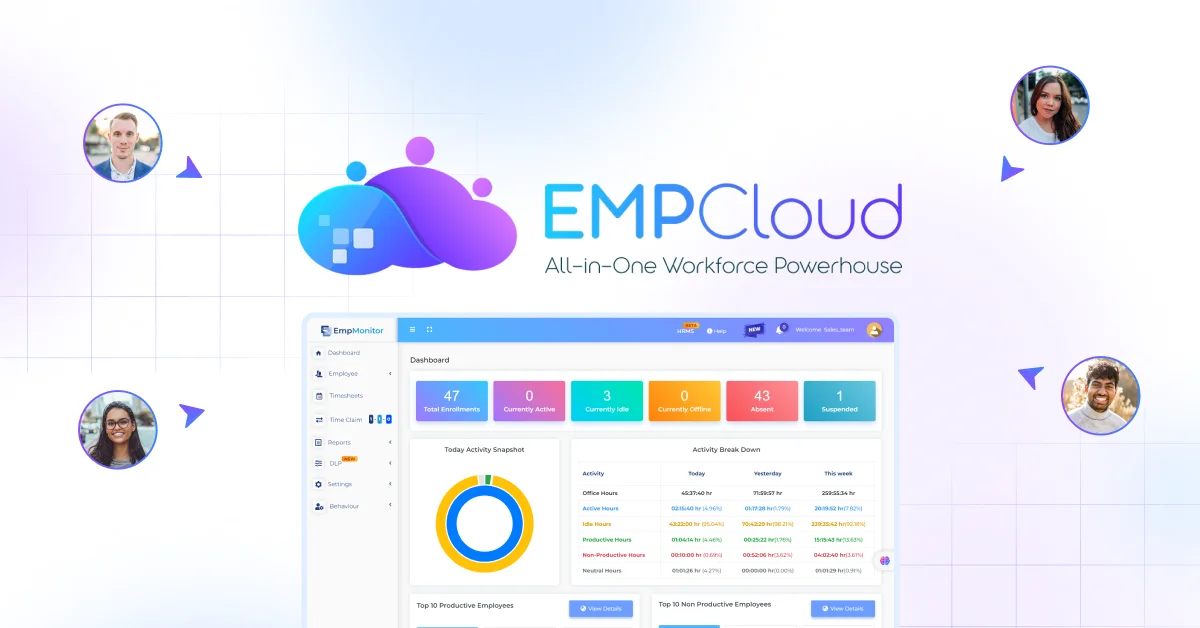
EmpCloud unifies HR processes, simplifies coordination, reduces manual effort, and supports smooth return to work management across teams.
- Automated Leave and Return Tracking With EmpCloud
EmpCloud records leave approvals, tracks return dates, links return to work letter submissions, and maintains accurate rejoining records. - Employee Monitoring for Productivity Insights
EmpCloud enables employee monitoring through activity visibility, attendance tracking, and performance insights that support accountability after rejoining. - Workforce Management Software That Supports HR Compliance
EmpCloud acts as workforce management software, maintains compliance, secures records, supports audits, and ensures consistent HR operations.
Why EmpCloud Fits Modern Return to Work Policies?
EmpCloud aligns HR workflows, employee monitoring, and workforce management software within one platform for structured, compliant return processes.
Best Practices To Ensure A Successful Return To Work
Clear processes create consistency, reduce confusion, streamline approvals, support compliance, improve coordination, and help employees and managers handle return to work smoothly and confidently.
Clear Communication:
Written confirmation through a return to work letter sets expectations, prevents misunderstandings, supports HR records, and ensures alignment between employees, managers, and teams.
Documentation Readiness:
Prepared documents such as approvals and certificates for speed verification, reducing delays, supporting compliance, and helping HR teams process return requests efficiently.
Monitoring With Transparency:
Employee monitoring works best with openness, clear policies, shared expectations, ethical use, and communication that builds trust rather than fear.
Supportive Workplace Culture:
Supportive culture encourages confidence, eases transitions, boosts morale, improves engagement, and helps employees regain productivity quickly after returning.
Final Thoughts
A return to work letter serves more than formality. This document protects compliance, builds trust, and ensures smooth transitions. Clear structure, professional tone, and accurate details define success. Combined with employee monitoring and workforce management software, organizations achieve consistency and clarity.
Tools like EmpCloud strengthen this process through automation and visibility, helping teams move forward with confidence.
FAQs
Is a return to work letter mandatory for all employees?
Most organizations require it for extended or regulated leave periods to ensure compliance, smooth rejoining, and proper record-keeping.
Who approves it?
HR teams or direct reporting managers usually review and approve the document based on company policies and submitted documentation.
What details should it include?
It should mention leave duration, confirmed return date, readiness to resume duties, and any required supporting documents.
Can HR reject it?
Yes, HR may reject the submission if the information is incomplete, unclear, inaccurate, or does not meet organizational requirements.
How soon should an employee submit it?
Employees should submit it before rejoining so HR has sufficient time for verification, processing, and approval.
Quick Search Our Blogs
Type in keywords and get instant access to related blog posts.