

Every important decision, whether personal or professional, comes with a certain level of risk. Before signing a contract, investing money, or entering a business relationship, it is essential to verify facts and assess potential outcomes. This careful evaluation process is often described through the term “due diligence meaning,” which reflects the importance of being thorough, cautious, and well-informed before making a commitment. It plays a vital role in responsible decision-making by helping avoid unnecessary risks.
When people ask what due diligence means, they are referring to the process of carefully examining all relevant information before moving forward. The concept behind due diligence meaning goes beyond a simple check and involves reviewing financial records, understanding legal obligations, evaluating operational processes, and identifying potential risks. Instead of relying on assumptions or promises, it emphasizes evidence, verification, and a structured approach to decision-making.
This blog explains what due diligence is, explores the broader due diligence meaning across different contexts, and highlights practical use cases in business and beyond. By understanding due diligence meaning in a real-world sense, individuals and organizations can make more confident decisions while minimizing risks and avoiding costly mistakes.
Listen to the Podcast.
Due Diligence Meaning
The due diligence meaning refers to the process of carefully investigating, verification, and evaluation of information before making a decision or entering into an agreement. It is a systematic approach used to confirm that all facts are accurate, risks are understood, and obligations are clearly identified.
Simply put, when someone asks what does due diligence mean, the answer is: doing your homework before committing. It involves examining documents, validating claims, and ensuring that there are no hidden issues that could cause problems later. This concept applies across industries, including business, finance, law, real estate, and even personal transactions.
The meaning of due diligence comes from the idea of exercising reasonable care. It does not require perfection, but it does require effort, attention, and responsibility. Whether it’s a company assessing a potential acquisition or an individual reviewing a legal contract, due diligence ensures that decisions are based on facts rather than assumptions.
Over time, what is due diligence has evolved from a simple checklist into a structured process supported by documentation, expert reviews, and technology. Despite these changes, its core purpose remains the same: to reduce risk, increase transparency, and enable informed decision-making.
What Is Due Diligence?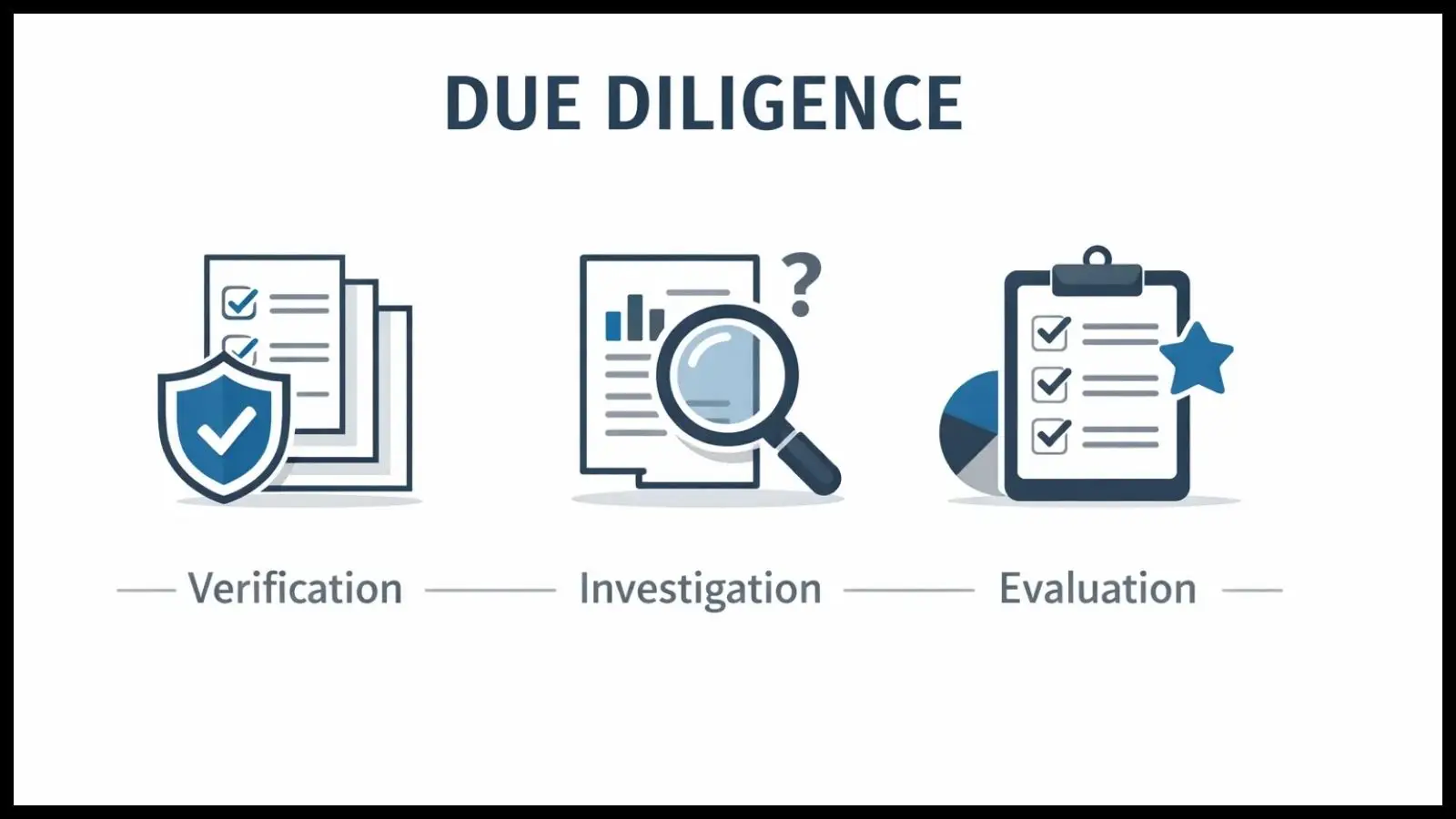
To understand what is due diligence, it helps to look at it as a disciplined process rather than a single action. Due diligence involves collecting relevant information, reviewing it carefully, and validating its accuracy before making a final decision. This process ensures that all critical aspects—financial, legal, operational, and strategic—are properly examined.
When people ask what does due diligence mean in practical terms, it usually points to activities such as reviewing contracts, analyzing financial statements, checking compliance records, or assessing potential risks. These checks help decision-makers confirm whether the opportunity or agreement aligns with their expectations and goals.
The due diligence meaning also varies depending on the situation. For an investor, it may focus heavily on financial performance and future growth potential. For a business leader, it may involve operational efficiency, legal exposure, and organizational culture. Regardless of the context, the goal remains the same: to avoid surprises after the deal is done.
Ultimately, what is due diligence is about is responsibility and foresight. It demonstrates that reasonable care has been taken to understand all relevant details before proceeding. By following a structured due diligence process, individuals and organizations can make confident decisions backed by verified information rather than assumptions.
Meaning of Due Diligence in Business
The due diligence meaning in business refers to a structured evaluation process that organizations use to assess risks, verify information, and validate opportunities before making strategic decisions. It ensures that a company fully understands what it is committing to—financially, legally, and operationally.
In business settings, due diligence is most commonly associated with high-impact decisions such as mergers and acquisitions, investments, partnerships, and vendor selection. When companies ask what is due diligence in this context, they are looking to confirm whether another organization is financially stable, legally compliant, and operationally sound.
Understanding what does due diligence mean for businesses goes beyond reviewing numbers on a balance sheet. It includes examining contracts, intellectual property, customer data, employee records, compliance history, and potential liabilities. In many cases, organizations also evaluate workforce productivity, attendance patterns, and operational workflows to understand how efficiently teams function in real conditions. This level of visibility helps validate whether reported performance aligns with actual day-to-day operations.
The meaning of due diligence in business is ultimately about risk management and value protection. By conducting thorough checks before finalizing agreements, companies can avoid unexpected losses, legal disputes, and reputational damage. Well-executed due diligence not only protects the business but also strengthens negotiation positions and builds confidence in strategic decisions.
Types of Due Diligence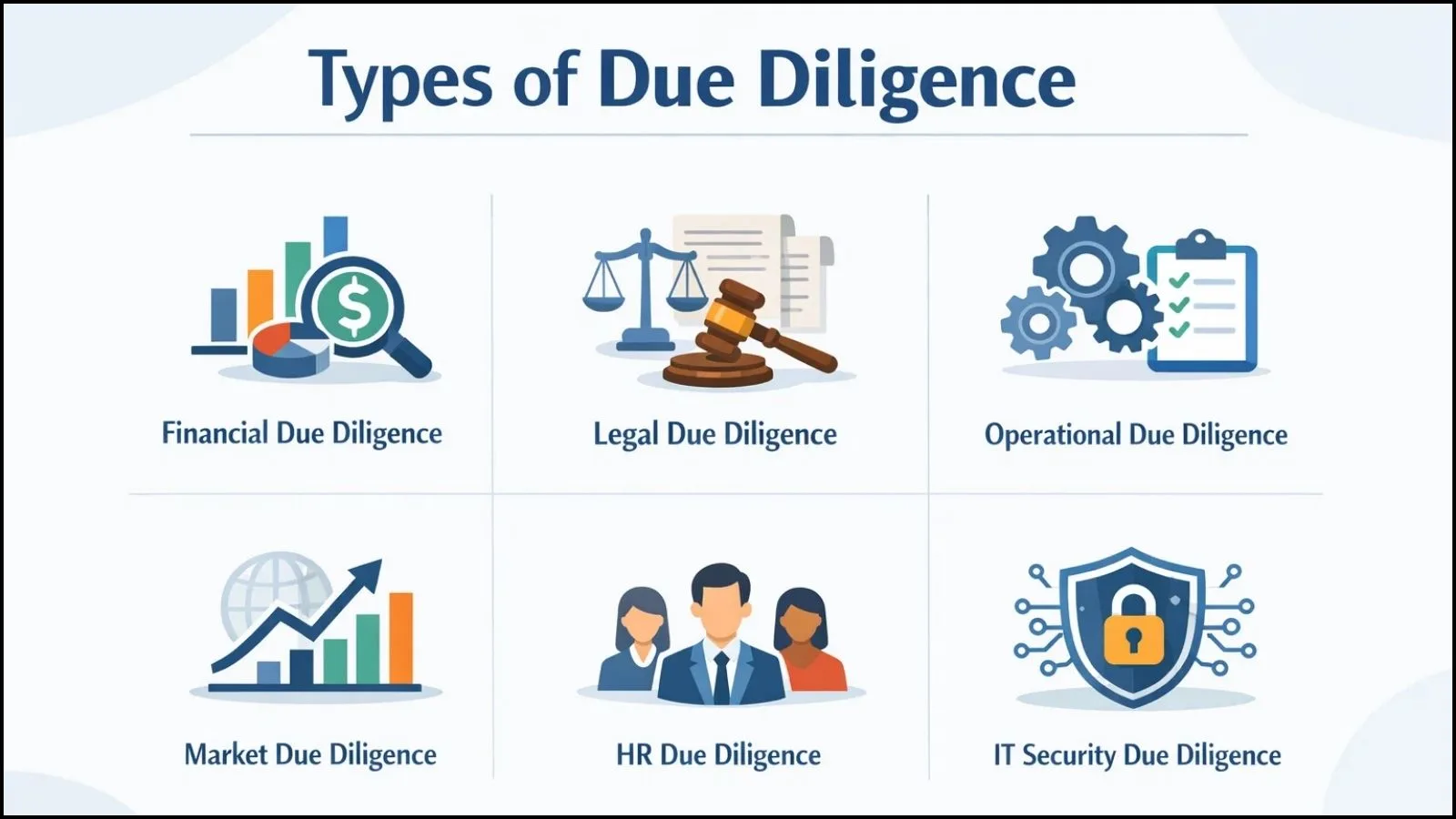
The due diligence meaning becomes clearer when broken down into its different types. Each type focuses on a specific area of risk or evaluation, helping decision-makers gain a complete and balanced view before moving forward. Depending on the situation, one or more types of due diligence may be required.
Financial Due Diligence
Financial due diligence involves reviewing financial statements, cash flow, revenue streams, liabilities, and tax records. When people ask what does due diligence mean in financial terms, it often refers to confirming whether the numbers accurately reflect the true financial health of a business.
Legal Due Diligence
Legal due diligence examines contracts, licenses, intellectual property rights, regulatory compliance, and ongoing or potential litigation. The meaning of due diligence here is to identify legal risks that could lead to penalties, disputes, or operational restrictions.
Operational Due Diligence
This type focuses on how a business functions day to day. It includes evaluating processes, supply chains, infrastructure, and internal controls. Understanding what is due diligence operationally helps organizations assess efficiency, scalability, and potential bottlenecks.
Commercial and Market Due Diligence
Commercial due diligence analyzes market position, customer base, competitors, and growth potential. It answers questions about demand, pricing, and sustainability, making the due diligence meaning in business more market-driven.
Human Resources Due Diligence
HR due diligence reviews employee contracts, payroll, benefits, compliance with labor laws, and organizational structure. It also helps uncover cultural or talent-related risks that could impact long-term performance.
IT and Data Security Due Diligence
This type assesses technology infrastructure, data protection practices, cybersecurity measures, and system reliability. As digital risks grow, the meaning of due diligence increasingly includes safeguarding sensitive information and ensuring regulatory compliance.
Due Diligence Process: Step-by-Step
Understanding the due diligence meaning also involves knowing how the process is typically carried out. While the scope may vary depending on the situation, most due diligence efforts follow a structured sequence to ensure nothing critical is missed.
1. Defining the Scope and Objectives
The process begins by identifying what needs to be reviewed and why. This includes determining the type of due diligence required—financial, legal, operational, or a combination. Clearly defining objectives helps answer what does due diligence mean for that specific decision.
2. Information and Document Collection
Next, relevant data and documentation are gathered. This may include financial records, contracts, compliance reports, employee details, and operational documents. At this stage, what is due diligence becomes a fact-finding exercise focused on collecting accurate and complete information.
3. Verification and Validation
Once documents are collected, they are carefully reviewed and cross-checked. This step ensures that information is accurate, consistent, and reliable. The meaning of due diligence here lies in verifying claims rather than accepting them at face value.
4. Risk Assessment and Analysis
All findings are analyzed to identify risks, gaps, or red flags. Financial weaknesses, legal liabilities, operational inefficiencies, or compliance issues are assessed for their potential impact. This phase highlights the due diligence meaning in business as a risk management tool.
5. Reporting and Decision-Making
The final step involves summarizing findings in a clear report. Decision-makers use this report to determine whether to proceed, renegotiate terms, or walk away. This stage reinforces what does due diligence mean in practice, making informed choices based on verified information.
Use Cases of Due Diligence
The due diligence meaning becomes especially clear when applied to real-world situations. Due diligence is not limited to large corporations or complex deals—it is used across industries and decision types wherever risk, compliance, or investment is involved.
Startups and Investors
Before investing in a startup, investors perform due diligence to evaluate financial health, business models, market potential, and founding teams. Understanding what does due diligence mean in this context helps investors avoid overvalued or unstable ventures.
Mergers and Acquisitions
In mergers and acquisitions, due diligence is a critical phase. Buyers assess financial records, legal obligations, assets, liabilities, and operational efficiency. The due diligence meaning in business here is to ensure there are no hidden risks that could reduce the value of the deal.
Hiring Senior Leadership
Organizations often conduct due diligence when hiring executives or key decision-makers. This may include background verification, employment history checks, and compliance reviews. It reinforces what is due diligence as a way to protect organizational integrity.
Vendor and Third-Party Evaluation
Before onboarding vendors or partners, companies review their compliance standards, financial stability, and operational reliability. The meaning of due diligence in this case is to reduce supply chain risks and ensure long-term collaboration.
Compliance and Regulatory Requirements
Many industries require due diligence to meet legal and regulatory standards. This includes KYC checks, audits, and governance reviews. Here, what does due diligence mean aligns closely with accountability and legal responsibility.
Benefits of Performing Due Diligence
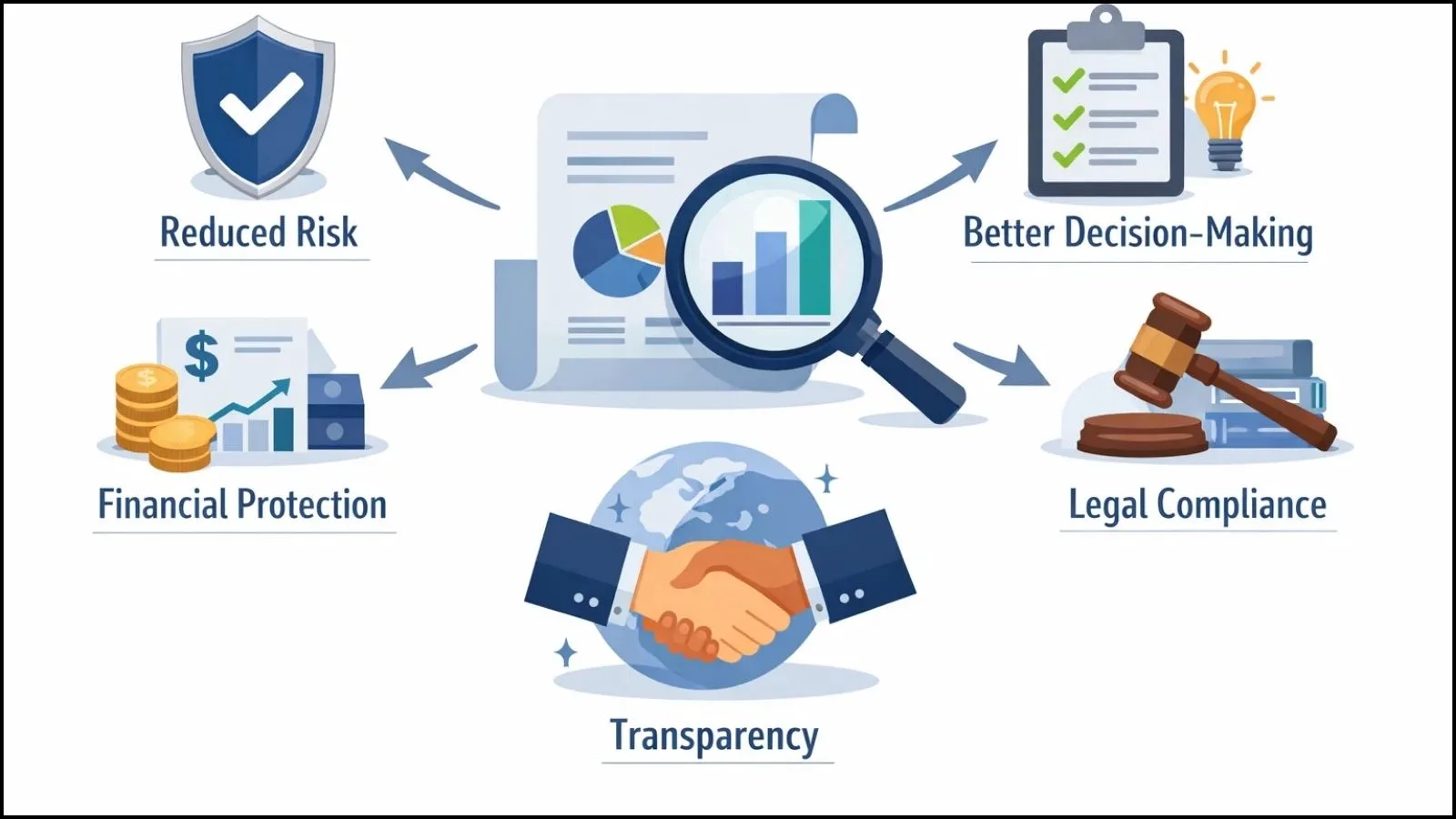
Understanding the due diligence meaning highlights why this process is considered essential rather than optional. When done correctly, due diligence delivers both short-term protection and long-term value for individuals and organizations.
Risk Reduction
One of the primary benefits of due diligence is minimizing risk. By verifying facts and identifying red flags early, decision-makers gain clarity on potential financial, legal, or operational issues. This answers what does due diligence mean in practical terms—reducing uncertainty before committing.
Better Decision-Making
Due diligence provides a factual foundation for decisions. Instead of relying on assumptions or incomplete information, organizations use verified data to make confident choices. This reinforces what is due diligence as a tool for informed and strategic planning.
Financial Protection
Careful evaluation helps prevent overpaying for assets, investing in unstable ventures, or entering unfavorable contracts. The meaning of due diligence here is protecting financial interests and preserving long-term value.
Legal and Regulatory Compliance
Due diligence ensures that all legal obligations and regulatory requirements are identified and addressed. This is especially important in regulated industries, where non-compliance can lead to penalties or reputational damage. It strengthens the due diligence meaning in business as a compliance safeguard.
Transparency and Trust
A structured due diligence process promotes transparency between parties. When information is clearly documented and verified, it builds trust and reduces misunderstandings. This benefit further clarifies what does due diligence mean as a foundation for ethical and responsible decision-making.
Common Due Diligence Mistakes to Avoid
Even though the due diligence meaning is well understood, many organizations still make avoidable mistakes during the process. These errors can reduce the effectiveness of due diligence and expose decision-makers to unnecessary risk.
Relying on Incomplete or Outdated Information
One common mistake is using partial or outdated data. When information is not fully verified, conclusions may be misleading. This weakens what does due diligence mean in practice, as decisions should always be based on accurate and current facts.
Rushing the Process
Time pressure often leads to shortcuts. Skipping key checks or reviews can result in missed red flags. The meaning of due diligence emphasizes careful evaluation, not speed, especially when high-value decisions are involved.
Ignoring Operational or Cultural Risks
Many organizations focus heavily on financial and legal aspects while overlooking operational efficiency or cultural alignment. However, these factors can significantly impact long-term success. Understanding what is due diligence means looking beyond numbers.
Lack of Documentation
Poor documentation makes it difficult to track findings or justify decisions later. Proper records are essential to reinforce the due diligence meaning in business and support audits or compliance reviews.
Overdependence on Manual Processes
Manual data collection and review increase the chances of errors and inefficiencies. This highlights why modern organizations are rethinking what does due diligence mean in an increasingly digital environment.
Smarter Due Diligence with EmpCloud
Due diligence isn’t just about reviewing documents it’s about having accurate, accessible, and verifiable data when you need it. Most organizations struggle here because information is scattered across spreadsheets, emails, and disconnected systems.
EmpCloud fixes this by centralizing everything into one structured platform.
Instead of chasing documents during audits or investigations, teams can access employee records, compliance data, and documentation instantly all in one place.
With EmpCloud, businesses can:
- Maintain accurate and organized records
Store employee data, contracts, and compliance documents in a centralized system, reducing duplication and confusion. - Simplify compliance and audit readiness
Stay prepared for audits with structured documentation, clear records, and easy access to required information. - Reduce manual errors and administrative effort
Automate routine tasks like record updates and tracking, minimizing human error and saving time.
👉 The real advantage:
EmpCloud turns due diligence from a reactive, last-minute activity into a continuous, well-managed process.
This level of structure and transparency strengthens decision-making, reduces compliance risks, and ensures businesses are always prepared not just when audits happen.
Future of Due Diligence
The future of due diligence is increasingly technology-driven. AI-powered analytics, automated risk detection, and continuous monitoring models are reshaping how organizations evaluate risk.
As expectations grow, the due diligence meaning in business will shift from one-time checks to ongoing assessments that adapt to change in real time.
Also Read,
Conclusion
Understanding the due diligence meaning is essential for making informed and responsible decisions. Whether in business, legal matters, or investments, due diligence helps identify risks, validate information, and build confidence.
By applying structured processes and using the right tools, organizations can ensure that what does due diligence mean translates into smarter decisions, stronger compliance, and long-term success.
FAQ’s
1. Is due diligence only for large companies?
No, businesses of all sizes and even individuals can perform due diligence.
2. How long does due diligence take?
It depends on the scope, complexity, and type of review required.
3.Who is responsible for due diligence?
The responsibility ultimately lies with the decision-maker, even if experts assist.
Quick Search Our Blogs
Type in keywords and get instant access to related blog posts.