
Clear visibility into daily work habits shapes strong teams. Leaders who understand how employees spend time, complete tasks, and follow schedules always gain an advantage. Office monitoring enables organizations to maintain accountability, enhance performance, and promote fairness. When evaluating active vs passive monitoring, the real challenge lies in selecting the right monitoring method.
Many businesses now compare active vs passive monitoring to decide how they track workforce activity. Each approach serves a unique purpose. One offers direct control, while the other delivers long-term insight. This guide explains the differences between active and passive monitoring, outlines key distinctions, and demonstrates how EmpCloud supports a balanced approach that strengthens productivity while preserving trust.
In a hurry? Listen to the blog instead!
Summary: Active vs Passive Monitoring
Office monitoring includes structured methods that track employee activity during work hours. Companies often debate active vs passive monitoring because both approaches deliver value in different scenarios.
When comparing Active vs passive office monitoring, you must understand how both work. Active monitoring focuses on synthetic data, which means that it simulates user behavior using bots or tools. On the other hand, passive monitoring relies on data directly coming from the real users.
So it ultimately depends on– how data collection occurs, how employees experience monitoring, and how leaders use insights. One method offers real-time visibility. The other provides a background analysis over time. Understanding both helps organizations avoid poor decisions that hurt morale or productivity.
What Is Active Employee Monitoring?
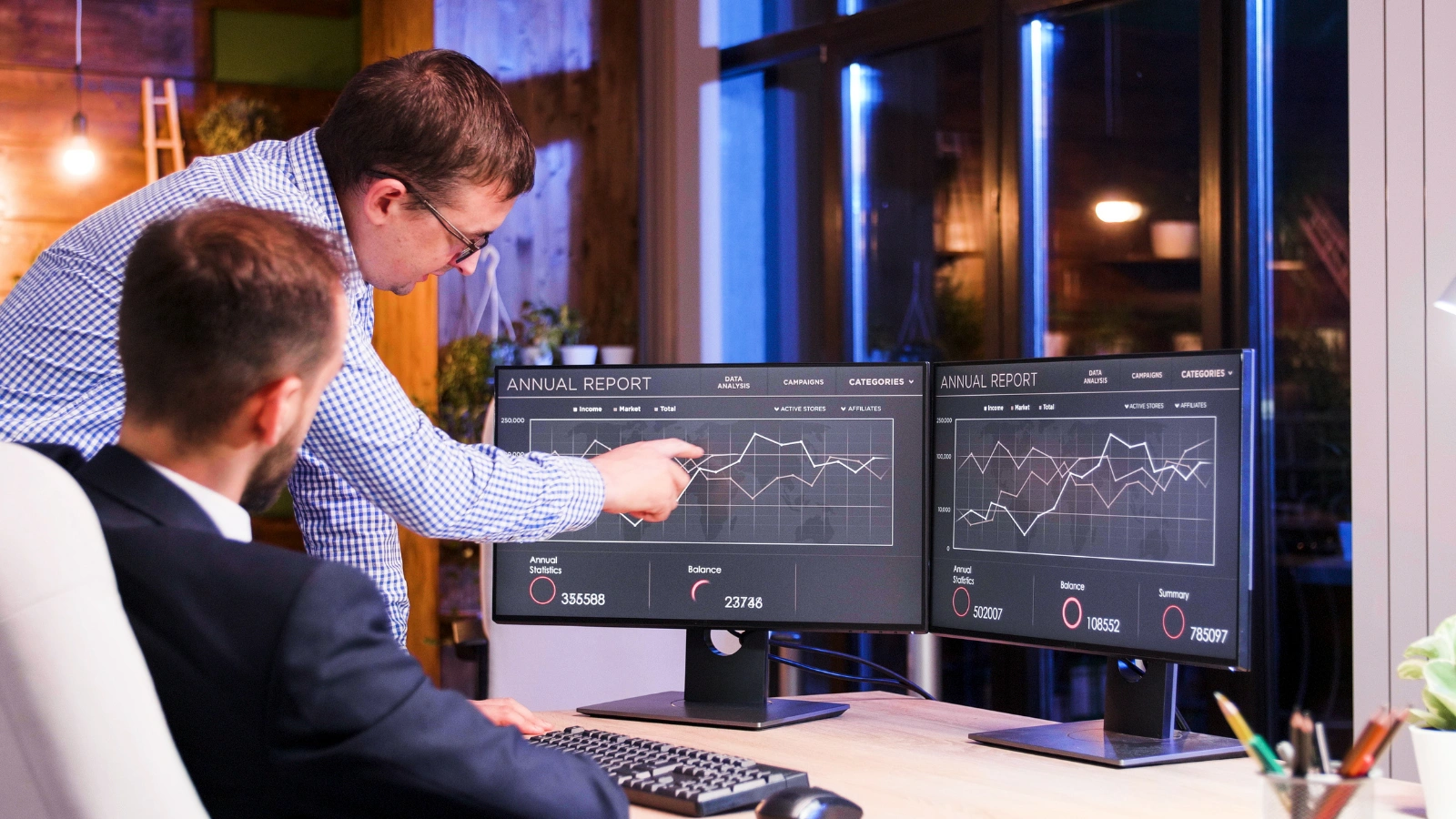
Active employee monitoring tracks workforce activity through visible and real-time methods. Employees remain aware of this form of monitoring during work hours. Managers use this approach when direct oversight becomes necessary.
How Active Employee Monitoring Works?
Managers review real-time activity data during working hours. Tools show screen activity, task progress, and immediate performance indicators. Leaders use these insights to address delays, errors, or missed deadlines without waiting.
Key Features Of Active Employee Monitoring
- Live activity tracking:
Monitors employee actions as they happen, helping managers detect performance gaps and ensure tasks progress as planned. - Real-time productivity visibility:
Provides instant insight into workflow efficiency, task completion, and active engagement, allowing leaders to make prompt decisions. - Immediate alerts for inactivity:
Generates notifications for idle time or missed deadlines, enabling managers to act quickly before productivity suffers. - Task-level performance oversight:
Tracks performance at the individual task level, giving managers granular insights to guide improvements and ensure accountability.
Active employee monitoring strengthens accountability. Managers address issues quickly and support employees during high-priority tasks. Training periods benefit greatly from this method. Teams with strict deadlines often perform better under clear supervision.
Limitations Of Active Employee Monitoring
Overuse of active monitoring may reduce trust. Employees may feel pressure during constant observation. Leaders must apply this approach carefully to avoid burnout and dissatisfaction.
What Is Passive Employee Monitoring?
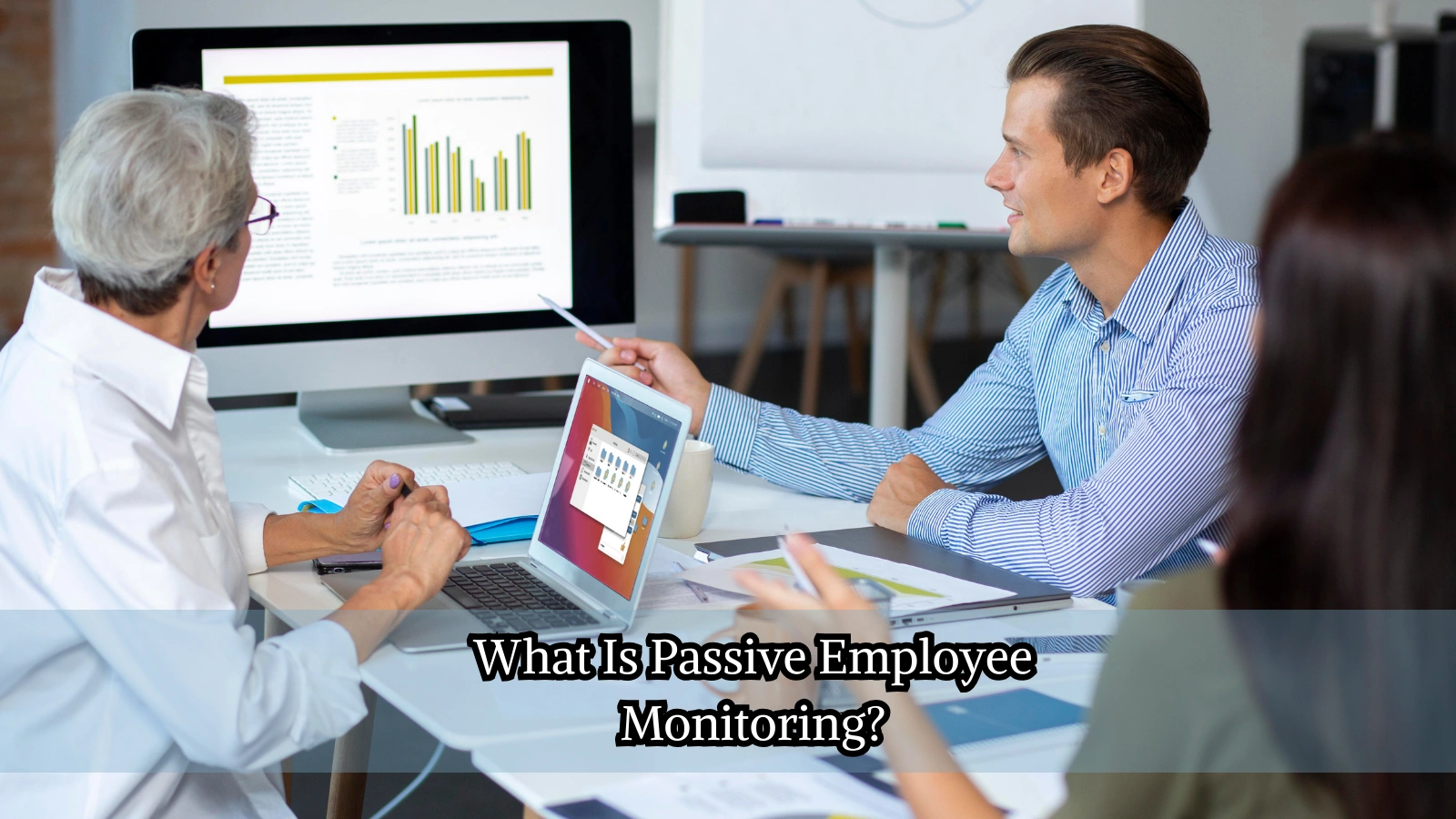
Passive employee monitoring collects workforce data quietly without interrupting daily tasks. This method focuses on behavior patterns rather than moment-by-moment activity.
How Passive Employee Monitoring Works?
Tracking tools collect data in the background. Reports show attendance trends, productivity levels, and app usage over time. Managers review insights later rather than during live work.
Core Features of Passive Employee Monitoring
- Background time tracking:
Automatically records work hours in the background, providing accurate data without interrupting employee workflows or daily responsibilities. - Attendance and idle time reports:
Tracks attendance patterns and idle periods to help managers identify consistency issues and improve overall workforce reliability. - Productivity trend analysis:
Analyzes long-term productivity patterns to reveal performance changes, workload balance, and efficiency levels across teams. - Performance history dashboards:
Displays historical performance data in one view, enabling leaders to compare progress, identify trends, and support data-driven decisions.
Benefits of Passive Employee Monitoring
Passive employee monitoring supports trust and transparency. Employees work without pressure while leaders gain valuable insight into long-term performance. Large teams and remote environments benefit greatly from this approach.
Limitations of Passive Employee Monitoring
Delayed issue detection may occur. Managers may not notice short-term problems immediately. This approach works best for long-term planning rather than urgent intervention.
Passive Monitoring vs Active Monitoring: Key Differences
The comparison between Passive monitoring vs active monitoring explains how each method supports different workplace needs and management styles. The differences become clear when leaders look at visibility, employee experience, and scalability.
- Visibility: Active monitoring delivers immediate insight into employee actions. Managers track work progress in real time and respond quickly to issues. Passive monitoring focuses on long-term visibility by showing performance patterns over days or weeks.
- Employee awareness: Active monitoring remains highly visible to employees, which increases accountability but may create pressure. Passive monitoring runs quietly in the background, which allows employees to focus on work without constant observation.
- Data focus: Active monitoring tracks live actions such as screen activity and task execution. Passive monitoring analyzes behavioral trends like attendance consistency, productivity levels, and time usage over time.
- Manager involvement: Active monitoring demands regular attention from managers because it supports real-time decisions. Passive monitoring requires less daily involvement since leaders review insights through reports and dashboards.
- Scalability: Active monitoring works best for small teams or critical roles. Passive monitoring scales easily across departments, remote teams, and large organizations.
- Employee comfort: Active monitoring offers moderate comfort when used selectively. Passive monitoring supports higher comfort by promoting trust and transparency.
This comparison helps leaders understand active vs passive monitoring from both performance and employee experience perspectives, enabling smarter workforce monitoring decisions.
Active vs Passive Office Monitoring In Real Workplaces
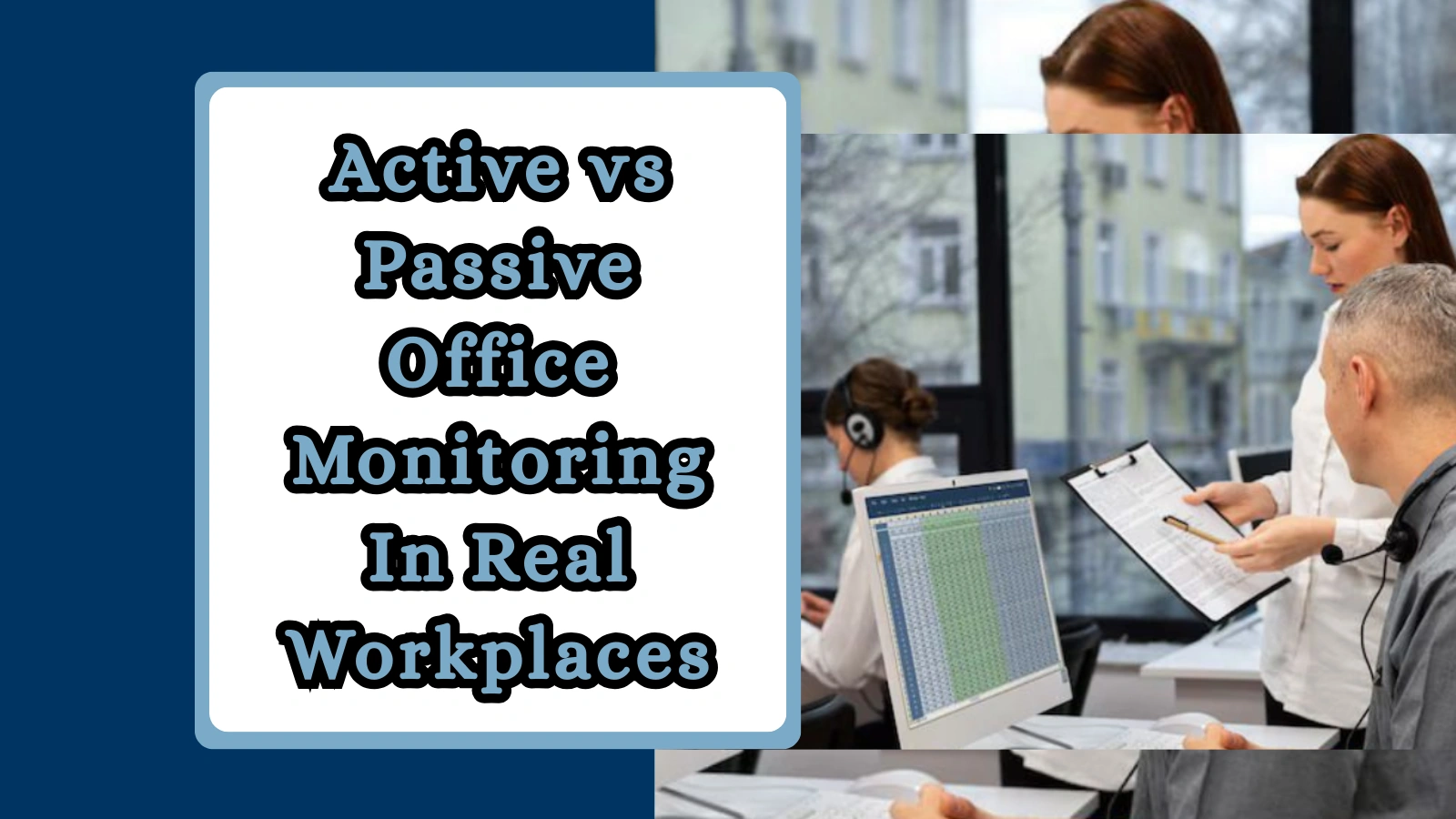
Every workplace operates differently. Active vs passive office monitoring suits different roles, industries, and team structures.
When Active Office Monitoring Works Best
- New employee onboarding
- Time-sensitive projects
- Compliance-driven roles
- High-risk operational tasks
When Passive Office Monitoring Works Best
- Remote teams
- Long-term productivity analysis
- Hybrid work environments
- Large distributed teams
Successful organizations use active vs passive monitoring strategically rather than choosing one approach alone.
How Monitoring Choice Affects Workforce Performance?
Monitoring methods influence behavior, motivation, and output. Active vs passive monitoring shapes how employees perceive accountability.
Active oversight improves short-term performance but may increase pressure. Passive tracking builds trust and consistency over time. Leaders who balance both methods create stable and productive teams.
Also Read:
How To Implement Remote Employee Monitoring Without Micromanaging
Why Project Time Tracking Software Is Better For Productivity?
Role Of Transparency And Policy In Monitoring
Clear communication strengthens monitoring success. Employees deserve clarity about how monitoring works and why it exists. Transparent policies reduce fear and confusion.
Organizations that explain active vs passive monitoring openly earn trust. Employees respond better when leaders share goals rather than enforce control silently.
How EmpCloud Helps Balance Active vs Passive Monitoring?
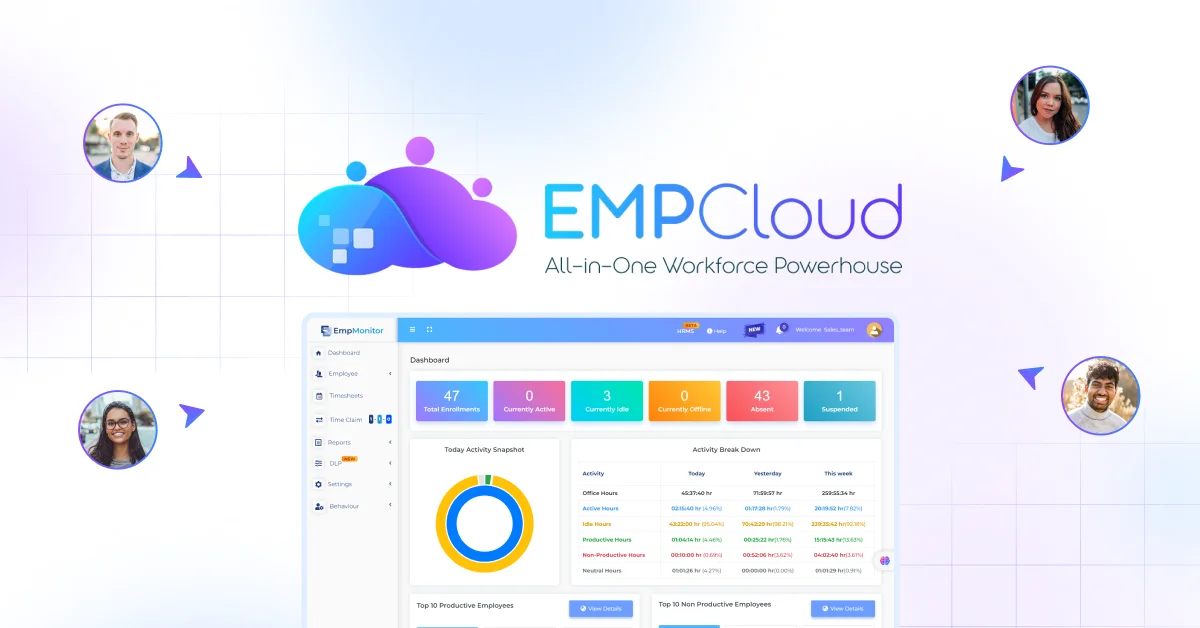
EmpCloud provides a unified workforce management platform that supports both monitoring methods without harming employee trust.
EmpCloud Support for Active Employee Monitoring
EmpCloud offers real-time performance visibility for roles that need immediate oversight. Managers track activity, task completion, and productivity during work hours.
EmpCloud Support for Passive Employee Monitoring
EmpCloud collects attendance, productivity, and usage data quietly in the background. Leaders analyze trends and patterns without disrupting daily work.
Ethical Monitoring Through EmpCloud
EmpCloud promotes transparency through clear dashboards and structured insights. Organizations control monitoring levels based on role and responsibility. This approach strengthens active & passive monitoring without excessive oversight.
Why EmpCloud Fits Active vs Passive Office Monitoring Needs
EmpCloud adapts to different workforce structures. Organizations scale monitoring without manual effort or confusion.
Key Advantages of EmpCloud
- Centralized workforce insights
- Real-time and historical data access
- Flexible monitoring controls
- Performance-driven analytics
EmpCloud allows leaders to apply active vs passive office monitoring based on actual business needs.
Best Practices For Active Vs Passive Monitoring
Organizations gain better results when they follow proven practices that support transparency, performance, and trust.
- Define monitoring goals clearly:
Clear objectives help teams understand why monitoring exists and ensure data supports productivity, compliance, and performance improvement decisions. - Match monitoring type with role requirements:
Different roles demand different oversight levels, so leaders should align monitoring methods with responsibility, risk, and workflow complexity. - Use passive methods for daily operations:
Passive monitoring supports routine work by collecting performance data quietly without interrupting focus or reducing employee confidence. - Apply active methods during critical phases:
Active monitoring works best during training, deadlines, audits, or high-risk tasks where immediate visibility ensures timely corrective action. - Review performance insights regularly:
Regular data review helps leaders detect trends early, refine strategies, and maintain consistent workforce performance standards.
These practices ensure ethical and effective use of active vs passive monitoring while supporting long-term workforce success.
Common Mistakes To Avoid
Many teams misuse monitoring tools due to poor planning.
- Excessive active oversight
- Lack of employee communication
- Ignoring long-term trends
- Choosing tools without flexibility
Avoiding these mistakes strengthens outcomes from Passive monitoring vs active monitoring strategies.
Future Direction Of Workforce Monitoring
Workforce monitoring continues to evolve toward insight-driven methods. Businesses now value balance over control. AI-powered analytics, predictive reports, and employee-centric tools shape the future.
Platforms like EmpCloud support this shift by aligning active vs passive monitoring with performance, trust, and scalability.
Conclusion
Workforce success depends on informed decisions. The debate around active vs passive monitoring does not demand a single answer. Each approach serves a purpose.
Active methods deliver immediate control. Passive methods provide clarity over time. Organizations that combine both approaches achieve stronger performance and better employee relationships.
EmpCloud simplifies this balance by offering structured, ethical, and scalable monitoring tools. Teams that adopt active vs passive monitoring wisely prepare for sustainable growth and consistent workforce performance.
FAQs
- What does active vs passive monitoring mean?
Active vs passive monitoring describes two workforce tracking approaches. One focuses on real-time activity oversight to support immediate control, while the other analyzes long-term employee behavior, productivity patterns, and performance trends to guide strategic workforce decisions. - Which is better: Passive monitoring vs active monitoring?
The better option depends on organizational goals, team size, and work structure. Many organizations achieve optimal results by combining both approaches, using active oversight for critical tasks and passive tracking for long-term performance analysis. - Does active employee monitoring harm trust?
Active employee monitoring may affect trust when used excessively or without clarity. However, transparent policies, limited usage, and clear communication help maintain accountability while preserving employee confidence and positive workplace relationships. - Why do companies prefer passive employee monitoring?
Passive employee monitoring allows employees to work comfortably while organizations collect meaningful performance data. It supports scalability, reduces disruption, and provides long-term insights that help leaders improve productivity and workforce planning. - How does EmpCloud support monitoring needs?
EmpCloud delivers a unified platform that supports both active employee monitoring and passive employee monitoring. It provides real-time visibility, trend-based analytics, and ethical workforce tracking that helps organizations balance productivity, transparency, and trust effectively.
Quick Search Our Blogs
Type in keywords and get instant access to related blog posts.