

Agile development focuses on delivering value quickly while staying flexible to change. Without a clear plan, however, teams often face missed deadlines, unclear priorities, and constant context switching. This is where sprint planning becomes essential for driving consistent and measurable performance.
Sprint planning provides a structured way for Agile teams to decide what work will be completed and how it will be delivered during a sprint. Instead of reacting to tasks as they appear, teams align their efforts with shared goals and business priorities. This clarity helps reduce confusion and keeps everyone focused on outcomes that matter.
A well-executed planning session encourages transparency and collaboration. Team members gain a common understanding of sprint objectives, task ownership, and expected outcomes. Clear expectations at the start of a sprint reduce last-minute changes, minimize rework, and create smoother execution throughout the cycle.
Performance improvement is another major benefit of planning. By evaluating capacity and effort before committing to work, teams avoid overloading themselves. This leads to more predictable delivery, healthier workloads, and higher team morale. Over time, consistent planning builds trust with stakeholders as commitments are met more reliably.
This guide explores how planning improves Agile team performance, outlines proven planning processes, and shares best practices that help teams work more efficiently. The article also covers practical templates, common challenges, and tools that support stronger planning outcomes.
You can listen to this blog here.
What Is Sprint Planning in Agile?
Sprint planning is a core Agile ceremony that sets the direction for the upcoming sprint. It is the meeting where the team decides what work can realistically be completed within a fixed time period and how that work will be carried out. Rather than being a rigid task assignment exercise, sprint planning encourages collaboration, discussion, and shared decision-making.
To clearly answer what is sprint planning, it is the process of selecting items from the product backlog and turning them into actionable work for the sprint. The outcome of this session is a clear sprint goal and a list of committed tasks that the team agrees to deliver. This ensures that everyone begins the sprint with the same understanding and priorities.
Sprint planning typically involves the Product Owner, Scrum Master, and the development team. The Product Owner explains the highest-priority backlog items and their business value. The team then reviews these items, asks questions, and estimates the effort required. Based on available capacity, the team commits to a set of tasks that form the sprint backlog.
A key characteristic of effective sprint planning is realism. Teams are encouraged to consider past performance, current capacity, and potential risks before making commitments. This prevents overloading the sprint and helps maintain a sustainable pace. Clear communication during this phase reduces surprises later in the sprint.
Within Agile frameworks, sprint planning acts as a bridge between strategy and execution. It transforms long-term product goals into short-term, achievable objectives. When teams treat sprint planning as a strategic activity rather than a formality, they lay the groundwork for stronger collaboration, better focus, and improved performance.
The Sprint Planning Process Explained Step by Step
A structured process helps teams create realistic and focused sprint plans. Sprint planning starts with reviewing the product backlog, where the product owner explains high-priority items and their business value. This gives the team clear context before making any commitments.
The next step is defining a clear sprint goal. This goal describes what the team aims to achieve during the sprint and keeps work aligned around a shared outcome. A strong sprint goal supports better decision-making throughout the sprint.
Capacity and effort estimation follow. The team evaluates availability and past performance to decide how much work can be completed. This step prevents overcommitment and helps maintain a sustainable pace.
Finally, the team selects and commits to backlog items that support the sprint goal. These items form the sprint backlog and represent shared ownership rather than individual task assignments. This agreement sets the foundation for smooth execution and improved performance.
Key Objectives of Sprint Planning
Clear objectives give sprint planning its true value. Rather than simply filling a sprint with tasks, the goal is to create focus, alignment, and accountability across the team.
One primary objective is aligning work with business priorities. Sprint planning ensures that the most valuable backlog items are selected first, helping teams deliver meaningful outcomes instead of low-impact work.
Another important objective is creating shared understanding. During planning, team members discuss requirements, dependencies, and expectations. This reduces ambiguity and ensures everyone knows what success looks like by the end of the sprint.
Workload balance is also a critical objective. By evaluating capacity before committing to tasks, teams avoid overloading individuals and reducing burnout. Balanced sprint plans support steady progress and consistent delivery.
Sprint planning also aims to set clear expectations and accountability. When the team collectively agrees on the work to be done, ownership becomes shared. This sense of commitment strengthens collaboration and improves follow-through.
Together, these objectives help Agile teams work with greater clarity, confidence, and efficiency—directly contributing to stronger overall performance.
How Sprint Planning Improves Agile Team Performance?
Effective sprint planning directly influences how well Agile teams perform. One of the most visible improvements is better focus. By committing to a defined set of goals and tasks, teams avoid distractions and concentrate on completing high-priority work.
Improved delivery predictability is another key benefit. When teams plan based on realistic capacity and past performance, they are more likely to meet commitments. This consistency builds trust with stakeholders and reduces last-minute pressure.
Sprint planning also strengthens team collaboration. Open discussions during planning encourage questions, clarify expectations, and surface risks early. This shared understanding leads to smoother execution and fewer misunderstandings during the sprint.
Clear sprint plans increase accountability and ownership. Since the team collectively agrees on the work, responsibility is shared rather than imposed. This sense of ownership motivates team members to follow through and support one another.
Over time, these improvements result in higher efficiency and continuous progress. Teams spend less time correcting mistakes and more time delivering value, making sprint planning a powerful driver of long-term Agile performance.
Common Sprint Planning Challenges and How to Solve Them
Sprint planning is effective, but teams often face challenges that limit its impact. One common issue is overestimating capacity. Teams may commit to more work than they can realistically complete, leading to unfinished tasks and frustration. Using historical data and factoring in time off can help create more accurate plans.
Another frequent challenge is unclear or poorly prepared backlog items. When requirements are vague, planning discussions take longer and execution becomes risky. Regular backlog refinement ensures that items are well-defined before they reach sprint planning.
Scope creep during the sprint also affects performance. Unplanned work can disrupt sprint goals and reduce focus. Protecting the sprint backlog and addressing new requests in the next planning cycle helps maintain stability.
Lack of stakeholder alignment can further complicate planning. When priorities are not clearly communicated, teams may work on tasks that deliver limited value. Clear sprint goals and ongoing communication with stakeholders help resolve this issue.
Addressing these challenges consistently allows teams to improve planning quality and maintain strong sprint outcomes.
Best Practices for High-Impact Sprint Planning
Strong sprint planning relies on preparation and team engagement. One effective practice is refining the backlog before planning begins. Well-prepared backlog items reduce confusion and allow the team to focus on making informed commitments.
Using historical data is another important best practice. Past velocity and previous sprint outcomes provide realistic benchmarks for estimating effort and capacity. This helps teams avoid guesswork and plan with confidence.
Encouraging full team participation during planning leads to better outcomes. When everyone contributes to discussions and estimates, plans become more accurate and ownership increases. Sprint planning works best as a collaborative effort rather than a top-down activity.
Keeping sprint goals simple and measurable also improves execution. A clear goal helps the team stay focused and make better decisions when unexpected challenges arise.
Finally, teams should continuously improve their planning approach. Reviewing what worked and what didn’t during retrospectives allows teams to refine their sprint planning process over time and sustain high performance.
Sprint Planning Templates: Why They Matter?
Consistency plays a major role in effective sprint planning, and this is where templates become valuable. Sprint planning templates provide a structured format that helps teams capture goals, tasks, estimates, and responsibilities in one place. This structure reduces guesswork and speeds up the planning process.
Templates also improve clarity and alignment. When teams follow a standard format, everyone knows where to find key information such as sprint goals, committed work, and dependencies. This shared view supports better communication throughout the sprint.
Another advantage of using templates is repeatability. Teams can reuse and refine the same template across sprints, making planning more efficient over time. This consistency helps teams focus on decision-making rather than documentation.
Well-designed templates also support better tracking and review. By clearly outlining sprint plans, teams can easily evaluate progress during the sprint and assess outcomes during retrospectives. This makes continuous improvement easier and more data-driven.
Overall, sprint planning templates help Agile teams plan faster, stay organized, and maintain focus on delivering value.
Sprint Plans vs Long-Term Planning in Agile
Agile teams rely on both short-term and long-term planning, but each serves a different purpose. Sprint plans focus on what the team will deliver in the immediate future, usually within a one- to two-week time frame. This short horizon allows teams to remain flexible and respond quickly to change.
Long-term planning, such as roadmaps, provides a broader view of product direction and business goals. While important, these plans are intentionally less detailed. Agile teams avoid locking in long-term commitments because priorities and requirements often evolve.
The strength of sprint plans lies in their level of detail and adaptability. Tasks are clearly defined, estimates are realistic, and goals are achievable within the sprint. This enables teams to track progress daily and make adjustments when needed.
Balancing sprint planning with long-term planning helps teams stay aligned without sacrificing flexibility. Long-term plans guide strategic direction, while sprint plans drive execution. Together, they create a planning system that supports continuous delivery and sustained performance.
Agile Project Management: Sprint Planning in Practice
Agile teams use sprint planning as a practical tool to manage work within fast-changing environments. Within agile project management, sprint planning focuses on delivering incremental value while maintaining transparency and control. Planning sessions connect strategic goals with day-to-day execution.
Cross-functional teams benefit greatly from sprint planning. Developers, designers, and testers align on priorities and dependencies before the sprint begins. This alignment reduces delays and helps teams move forward with fewer handoffs and interruptions.
Sprint planning also adapts well to remote and hybrid teams. With clear sprint goals and documented plans, distributed teams stay aligned even when working across locations and time zones. Digital tools and shared boards make collaboration and visibility easier.
Another practical benefit is improved risk management. During planning, teams identify potential blockers early and plan around them. This proactive approach reduces surprises and keeps delivery on track.
When applied consistently, agile project management sprint planning turns uncertainty into structured progress, helping teams deliver reliable outcomes sprint after sprint.
Tools That Support Effective Sprint Planning
Modern Agile teams rely on tools to make sprint planning more efficient and transparent. The right tool helps teams organize backlog items, estimate effort, and track progress without unnecessary complexity. This structured support leads to clearer sprint plans and better execution.
Effective sprint planning tools provide backlog management and prioritization features. Teams can easily review upcoming work, refine items, and ensure that priorities are clear before planning begins. This preparation saves time during planning sessions.
Collaboration is another key benefit. Shared boards, task breakdowns, and real-time updates allow team members to participate actively, even in distributed environments. Clear visibility ensures everyone understands sprint goals and responsibilities.
Good tools also support tracking and reporting. Teams can monitor progress during the sprint and compare planned versus completed work at the end. These insights help teams improve future sprint planning and maintain predictable delivery.
Using the right tools reduces manual effort and allows Agile teams to focus on delivering value rather than managing spreadsheets or disconnected systems.
How EmpCloud Enhances Sprint Planning for Agile Teams?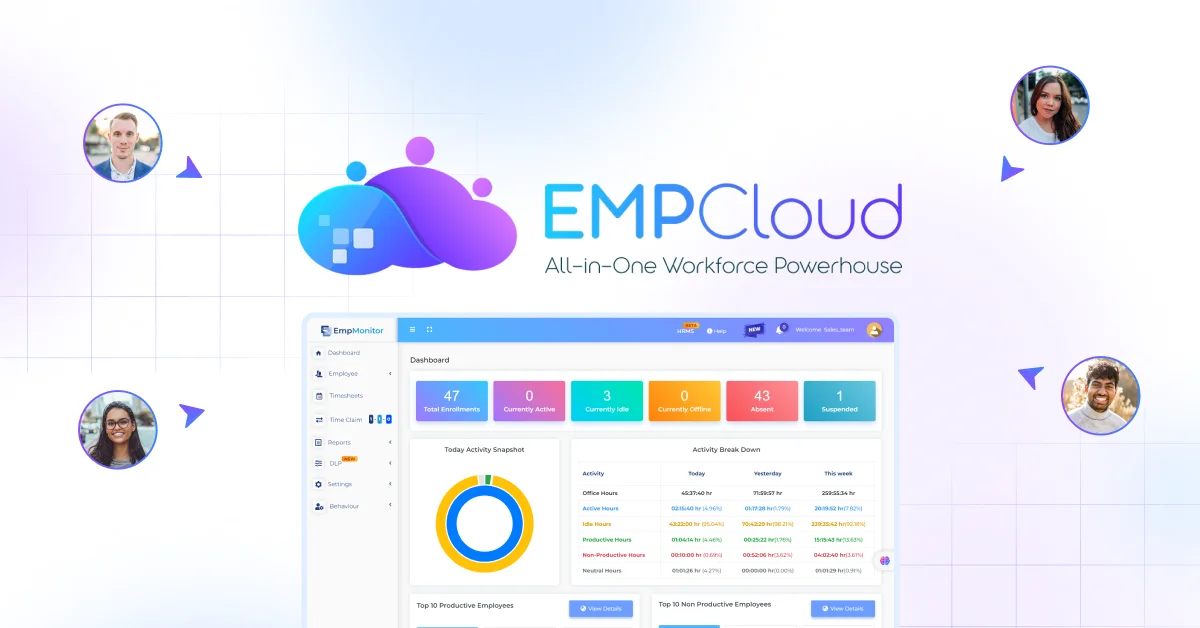
Agile teams often struggle with scattered tools, unclear priorities, and limited visibility during sprint planning. EmpCloud solves these challenges by providing a centralized platform that streamlines planning, tracking, and collaboration.
With EmpCloud, teams can organize backlog items, set sprint goals, and assign tasks all in one place. The intuitive interface ensures that everyone knows what to focus on and reduces miscommunication. This centralized approach saves time and improves overall efficiency.
EmpCloud also supports real-time collaboration, making it ideal for remote or hybrid teams. Team members can update progress, add comments, and track dependencies instantly. This keeps everyone aligned, even across different locations.
Additionally, EmpCloud offers analytics and reporting features that help teams measure sprint performance. Metrics such as task completion rates, velocity, and workload distribution provide actionable insights, enabling continuous improvement and smarter future planning.
By integrating planning, execution, and analytics, EmpCloud helps Agile teams create more accurate sprint plans, maintain focus, and deliver value consistently.
Measuring the Success of Sprint Planning
Evaluating sprint planning effectiveness is essential for improving Agile team performance. Teams can use several metrics to measure how well their planning translates into results.
One key metric is velocity, which tracks the amount of work completed during a sprint. Comparing planned work against completed work helps teams assess whether their estimates and commitments are realistic.
Another important measure is the sprint goal success rate. Did the team achieve the sprint objectives? Monitoring goal completion provides insight into planning accuracy and alignment with business priorities.
Predictability is also critical. Teams that consistently deliver on commitments demonstrate strong planning practices. Variations in performance highlight areas where estimation or prioritization may need improvement.
Finally, teams can gather qualitative feedback through retrospectives. Discussions on what worked, what didn’t, and potential improvements help refine future sprint planning sessions.
Measuring success in these ways allows teams to continuously improve, maintain focus, and enhance overall Agile performance.
Conclusion:
Sprint planning is more than a routine meeting—it is a strategic practice that drives clarity, alignment, and accountability within Agile teams. By defining goals, estimating capacity, and selecting work collaboratively, teams improve focus, predictability, and overall performance.
Consistently applying sprint planning best practices, using structured templates, and leveraging tools like EmpCloud can make the process more efficient and data-driven. Teams gain better visibility, reduce risks, and maintain sustainable delivery over time.
Ultimately, sprint planning transforms how Agile teams work. When done right, it not only ensures successful sprints but also builds a culture of collaboration, ownership, and continuous improvement—key ingredients for long-term Agile success.
Also read,
The Powerful Impact Of Project Management On Team Collaboration
FAQ’s
- Why is planning important?
Sprint planning improves team focus, accountability, and predictability. It ensures that everyone understands priorities, avoids overcommitment, and sets a foundation for successful sprint execution. - How do planning templates help?
Templates provide a consistent structure for planning, making it easier to capture goals, tasks, priorities, and responsibilities. They save time, reduce errors, and improve team alignment across sprints. - How long should planning take?
The duration depends on sprint length. A common guideline is 2–4 hours for a two-week sprint. The focus is on clarity, realistic commitments, and collaborative decision-making.
Quick Search Our Blogs
Type in keywords and get instant access to related blog posts.