Majority of the employees fear performance reviews. The sinking feeling at the point of being scheduled to have a talk with your manager, the days of restless nights leading to the annual evaluation, the uncomfortable moments of talks that seem instead of constructive dialogues, the inquisitive and interrogative nature. The thing is, however, that it does not necessarily have to be like that. A performance management system ought to assist individuals in developing not to cause anxiety. In the modern day work environment, the finest organizations are re-evaluating everything concerning their approach to performance management.
They are developing systems that employees do not dread being involved with. Sounds impossible? It’s not. This guide will demonstrate to you how in fact you can create a performance management style which your team will feel to be truly appreciated.
Listen To The Podcast Now!
Why Traditional Performance Reviews Make Everyone Miserable?
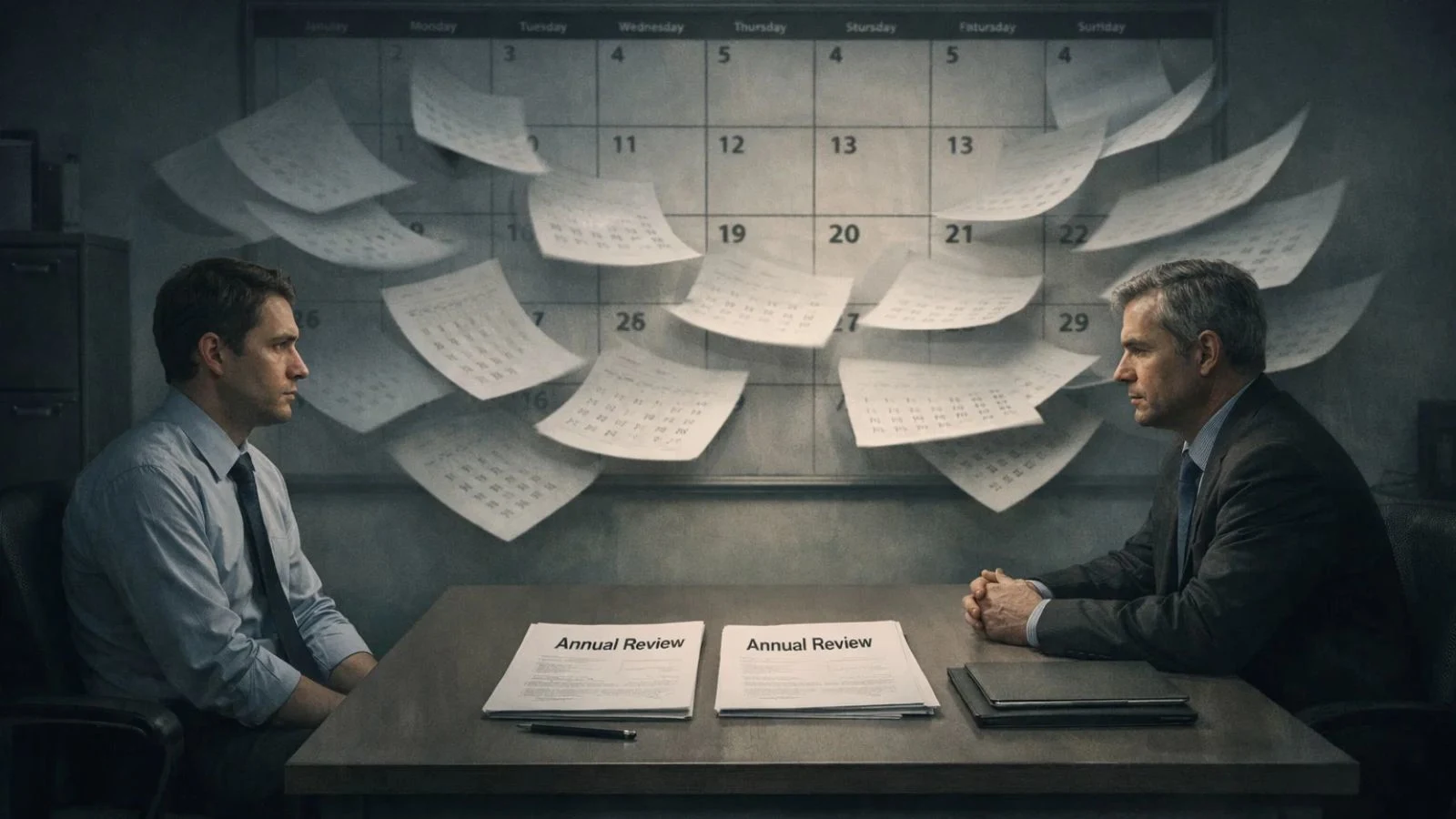
Before we build something better, we need to talk about why the old way doesn’t work, and why Work Life Balance Tips matter more than ever in modern workplaces. Think about the classic annual review. You sit down once a year with your manager, discuss everything you did over the past twelve months, get some vague feedback, and walk away confused about what to actually do differently. It’s like getting your report card months after the school year ended, too late to change anything.
Here’s what really bothers employees: they’re left guessing for 364 days whether they’re doing well or screwing up. Managers hate it too. They’re forced to remember details from nine months ago and squeeze meaningful conversations into one uncomfortable hour. The whole process feels less about helping people improve and more about justifying salary decisions. No wonder everyone dreads it.
The annual review model was created for a different era. Today’s work moves too fast. Projects change weekly, priorities shift monthly, and waiting a full year for feedback is just too slow. We need a performance management system that keeps pace with how work actually happens, one that reduces stress, improves clarity, and supports healthier, more sustainable ways of working.
What Makes a Performance System Actually Work?

1. Be Clear About What Matters
Nobody can hit a target they can’t see. Your performance management system needs to spell out exactly what success looks like. Not vague corporate-speak like “demonstrate leadership,” but real, specific expectations. What does good work look like in this role? How do we measure it? What’s the difference between meeting expectations and exceeding them?
When people know the rules of the game, they can play to win. Without clarity, they’re just guessing and hoping for the best. Clear expectations aren’t about being harsh; they’re about being fair. People deserve to know what’s expected of them.
2. Talk Regularly, Not Once a Year:
Here’s a radical idea: what if performance conversations happened all the time instead of once a year? Quick weekly check-ins, monthly goal reviews, and real-time feedback when something happens, good or bad. This is how you build a performance management system that actually helps people improve.
Think about learning any new skill. Would you rather practice for a year and then get feedback, or get coaching as you go? Obviously, the second one. The same logic applies at work. Regular conversations make feedback normal, not scary. They let you fix small issues before they become big problems.
3. Listen, Don’t Just Lecture:
Performance conversations shouldn’t feel like your manager is reading from a script while you sit there nodding. The best performance management system creates real dialogue. Your team members should feel comfortable saying “I’m struggling with this” or “I don’t have the resources I need” without fear.
When employees can speak up, you learn things. Maybe that deadline wasn’t realistic. Maybe the project scope kept changing. Maybe they need training you didn’t know about. Performance isn’t just about individual effort; it’s about the whole environment. If you’re only talking at people, you’re missing half the story.
Key Features That Employees Actually Want:

1. Goals That Make Sense:
Your performance management system should connect the dots between daily work and company direction. When people see how their job matters to the bigger picture, they care more. It’s the difference between “I process invoices” and “I help our company get paid so we can grow.”
Goals work best when managers and employees set them together. Not the manager deciding and announcing, but actually collaborating. This creates buy-in. People commit more to goals they helped create than goals assigned to them.
2. Recognition That Feels Real:
Everyone wants to be appreciated. Not fake corporate recognition that sounds like it came from a template, but genuine acknowledgment of what they accomplished and why it mattered. A good performance management system builds in regular opportunities for recognition.
Here’s the secret: recognition works best when it’s specific and timely. “Great job on the presentation” is nice. “The way you handled that tough question in the presentation showed real expertise and helped close the deal” is memorable. The more specific, the more it means.
3. Focus on Growth, Not Just Problems:
Nobody loves a system that only points out what they did wrong. Yes, addressing issues matters, but the performance management system should spend equal or more time on development. What skills do they want to build? What career path interests them? How can you help them get there?
When people see their company investing in their future, they invest back. Development conversations shift the energy from “fixing what’s broken” to “building what’s possible.” That’s a much more motivating conversation.
4. Keep It Simple:
If your performance process requires a PhD to understand, you’ve lost. Complex forms, confusing rating scales, and bureaucratic approval chains—all of this kills enthusiasm. Whether you’re using fancy performance management software or something simpler, it should be easy to use.
The goal is more time talking about performance and less time wrestling with systems. If people spend more time filling out forms than having conversations, something’s wrong.
How to Implement an Effective Performance Management Framework?

1. Start by Asking Your Team:
Don’t build a performance management system in a conference room and then spring it on everyone. Ask your people what they want. What makes current reviews frustrating? What would actually help them improve? What do they wish managers understood about their work?
This serves two purposes. First, you get better ideas. Your team knows what they need better than any consultant. Second, when people help design the system, they support it. They’re less likely to resist something they helped create.
2. Train Your Managers to Coach:
Your performance management system lives or dies with your managers. If they’re not good at giving feedback, having development conversations, and coaching their teams, even a perfect system fails. So invest heavily in training.
Good managers don’t just evaluate; they develop. They ask questions instead of giving all the answers. They create safety where people can admit mistakes and ask for help. These skills don’t come naturally to everyone. You need to teach them and give managers practice.
3. Set Up Regular Touchpoints:
Pick a rhythm and stick to it. Maybe it’s 15-minute weekly one-on-ones, 30-minute monthly goal reviews, and hour-long quarterly development talks. The exact schedule matters less than being consistent.
Regular check-ins turn performance conversations from this huge event into just part of how you work. When you design your performance management system around frequent touchpoints, you remove the anxiety that comes with infrequent, high-stakes meetings.
When performance talks happen regularly, the pressure drops. There’s always next week to discuss something if it doesn’t come up today. This regularity makes the whole process feel less formal and more natural.
4. Get Input From Multiple People:
A solid performance management system doesn’t rely only on one manager’s opinion. Bring in perspectives from peers, other leaders, and even customers when it makes sense. This creates a fuller picture of someone’s performance and reduces bias.
Just be careful how you do this. Getting feedback from others should help people grow, not create weird office politics. Make it clear that multi-source feedback is about development, not catching people doing things wrong.
5. Connect Performance to Things People Care About:
People engage more when the stakes are clear. How does performance connect to raises? Promotions? Getting to work on cool projects? Your performance management system should make these connections obvious and fair. Transparency about how performance impacts career outcomes builds trust and motivation.
This doesn’t mean everything is transactional: “do X, get Y.” But people should understand how performance discussions actually impact their careers. A well-designed performance management system clarifies these relationships without making everything feel mechanical. When the connection is mysterious, it breeds cynicism.
Choosing the Right Technology:
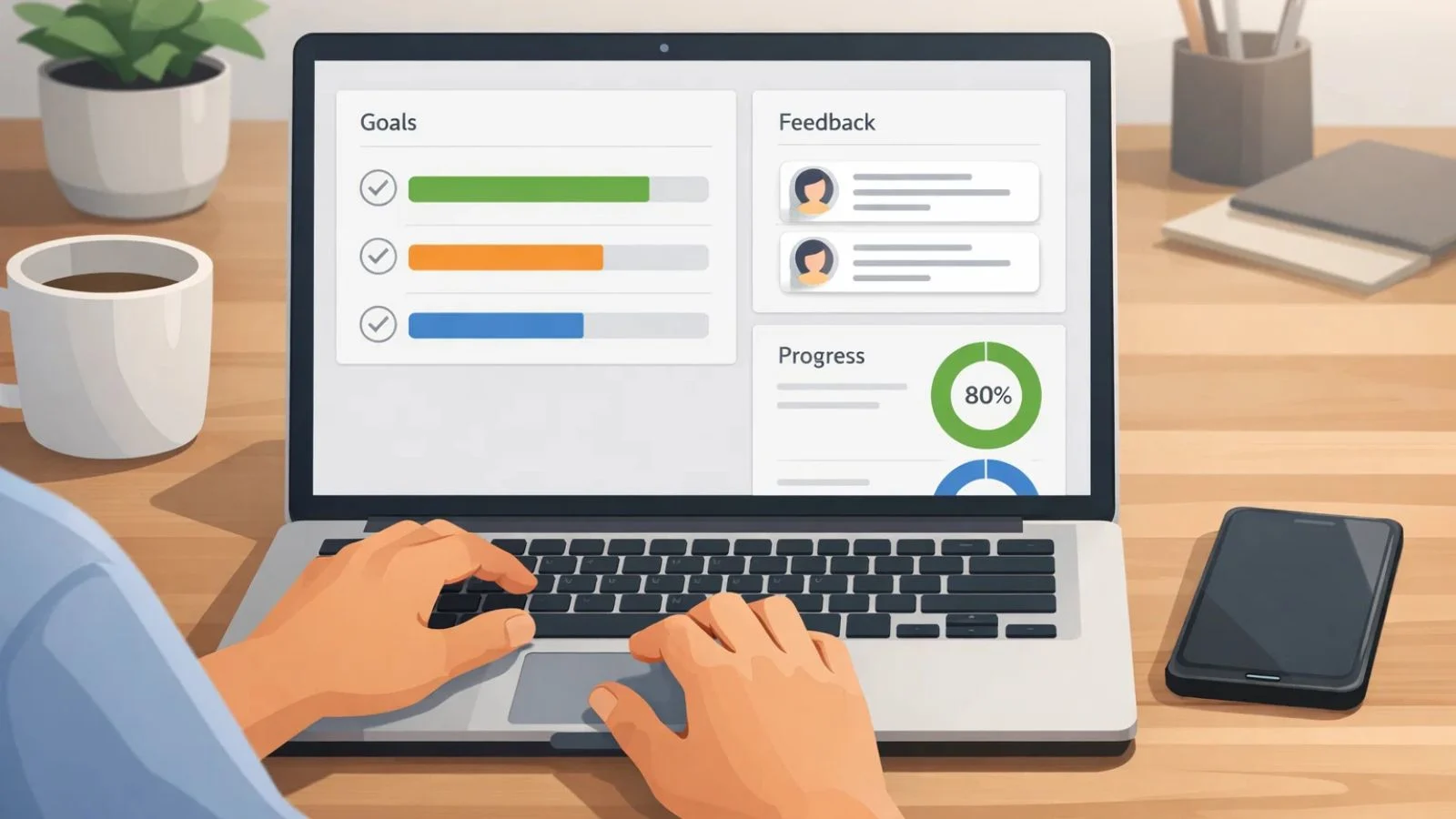
Modern performance management tools can make the whole process smoother if you pick the right ones. Good technology makes it easy to set goals, give feedback, track development, and spot trends. Bad technology adds bureaucracy and wastes time.
When looking at performance management software, think about your team’s needs. Do you need something comprehensive or simple? Do people need mobile access? How does it integrate with your other systems? Does the corporate performance management software actually make life easier or just create more steps?
Test options with real users before committing. What looks good in a demo might be clunky in daily use. Your people will tell you what works and what doesn’t; just ask them.
Also Read:
Work Life Balance Tips: A Practical Guide To Reclaiming Your Time
How EmpCloud Makes Performance Management Actually Enjoyable?
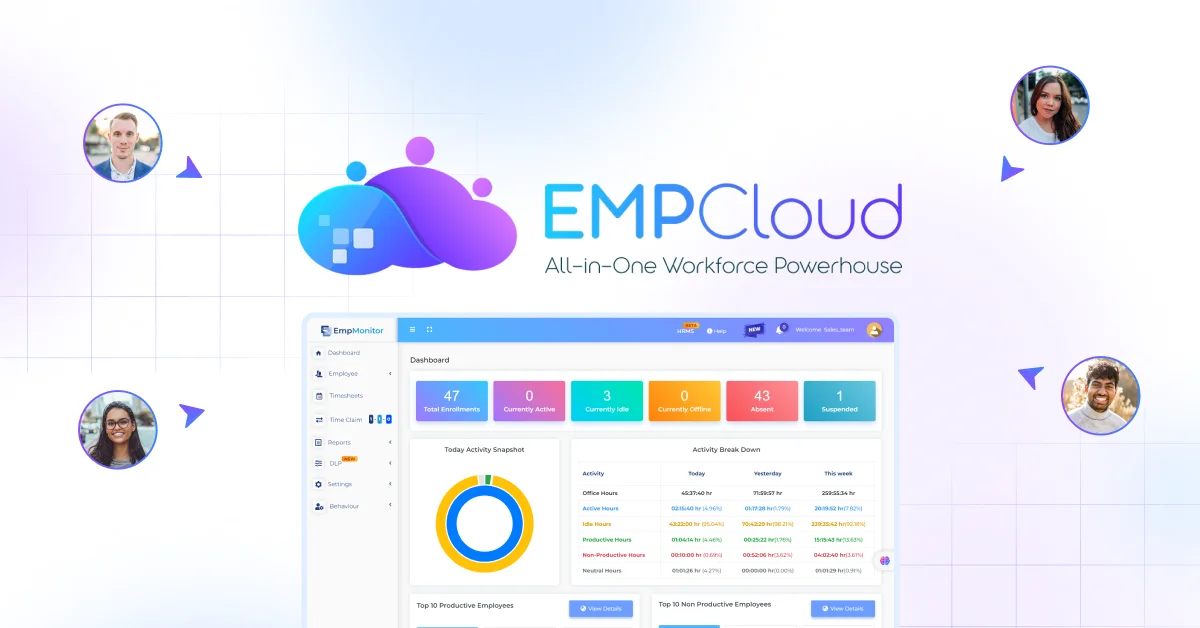
Building a performance management system people don’t hate comes down to one thing: removing friction while improving clarity. EmpCloud does that by combining performance visibility, attendance accuracy, task execution, and HR operations in one unified platform, so performance discussions are based on real work, not opinions or memory.
Instead of forcing managers into awkward, once-a-year evaluations, EmpCloud supports continuous performance visibility through day-to-day data: work hours, productivity signals, project progress, task completion, and field activity. That means check-ins become easier, feedback becomes more specific, and goal conversations stay grounded in reality.
What makes it feel “enjoyable” for employees is simple:
- Less surprise (because tracking and reporting are consistent)
- Less bias (because decisions rely on trends and proof)
- Less admin (because HR workflows and documentation are organized)
- More support (because managers can spot issues early and coach faster)
EmpCloud Features That Support Better Performance Management:
- Time Tracking: Track work hours and activities accurately, so performance reviews don’t rely on guesswork.
- Productivity Tracking: Get real-time, actionable insights into employee performance to support timely coaching and feedback.
- Project Management: Plan and oversee projects with better control, helping teams deliver on time and stay accountable.
- Report Generation: Use in-depth reporting to make performance conversations clearer and decisions more informed.
- Geo-Location Tracking (for field teams): Track field team locations to ensure efficient operations and better execution accountability.
- Manage Tasks & Opportunity: Assign tasks to field teams and monitor real-time progress, so outcomes stay measurable.
- Client Management: Manage client details and track interactions to improve service quality and performance outcomes in client-facing roles.
How to Know If It’s Working?

You can’t improve what you don’t measure. Your performance management system needs clear success metrics. Track employee engagement scores; are people more or less engaged after implementing the new approach? Survey how employees feel about performance conversations. Are they finding them helpful or still dreading them?
Look at business results too. Are you retaining top performers better? Do people get productive faster in new roles? Is innovation increasing? These outcomes tell you whether your system actually drives performance or just creates activity.
Pay attention to participation rates. If people are skipping check-ins or submitting feedback late, that’s a signal that something’s not working. A system people love is one they actively use.
Use this data to keep improving. Your performance management system should evolve based on what you learn, not stay frozen in time.
Getting Past Common Roadblocks:
Even great systems hit obstacles. Managers often resist because they’re worried about difficult conversations or don’t want to spend the time. Fix this through training and making the process efficient. Show them that regular, quick conversations take less time than marathon annual reviews.
Employees might be skeptical, especially if previous performance systems burned them. You can’t talk your way past this; you have to prove it through action. Keep your promises, actually use feedback to make improvements, and be patient. Trust builds slowly. Remember that your performance management system represents a fresh start, but employees need to see consistent follow-through before they’ll fully believe in it.
Technology problems can derail everything. If your performance management software is buggy, slow, or confusing, people will hate it. Invest proper time in setup and testing. Provide good support when issues pop up. And be willing to switch if something isn’t working, don’t stick with bad technology because you already paid for it.
Building the Right Culture:
All the processes and tools in the world don’t matter if your culture doesn’t support them. Your performance management system needs a foundation of trust, openness, and genuine care about people’s development.
Leaders set the tone. If executives skip their own check-ins or only focus on numbers, everyone notices. Leaders need to model vulnerability, ask for feedback on their own performance, and visibly invest in their development. When people see leaders walking the talk, they follow.
Create safety around honest conversations. If someone admits they’re struggling and gets punished for it, everyone learns to hide problems. If they get support and help, they learn that honesty is valued. The culture you build determines whether people engage authentically or just go through the motions.
Celebrate growth, not just success. When someone takes on a stretch assignment and struggles but learns from it, recognize that learning. This shows that development matters, not just perfect execution. People take smarter risks when they know learning is valued.
Conclusion:
Creating a performance management system that employees actually love isn’t rocket science, but it does require rethinking some old assumptions. Move from annual reviews to continuous conversations.
Focus on development as much as evaluation. Make expectations crystal clear. Listen as much as you talk. Use technology that helps instead of hinders. Most importantly, treat the system as something that evolves based on what your people need, not a set-it-and-forget-it policy. When you get this right, performance management transforms from that dreaded meeting into something that genuinely helps people do their best work and grow their careers.
FAQs:
Q1: How often should we actually have performance conversations?
Ans: Most companies find weekly or bi-weekly quick check-ins work well, with more substantial quarterly conversations. The key is consistency; pick a rhythm you can maintain.
Q2: Should we completely eliminate annual reviews?
Ans: Not necessarily. Many companies keep an annual summary conversation, especially for compensation decisions, but supplement it with regular feedback throughout the year. The annual chat becomes a recap, not the only time you discuss performance.
Q3: How do we address poor performance in a “positive” system?
Ans: Being positive doesn’t mean avoiding tough conversations. Address issues directly but respectfully, focusing on specific behaviors and outcomes. Provide clear expectations, resources to improve, and realistic timelines. Honesty and support aren’t opposites.
Quick Search Our Blogs
Type in keywords and get instant access to related blog posts.