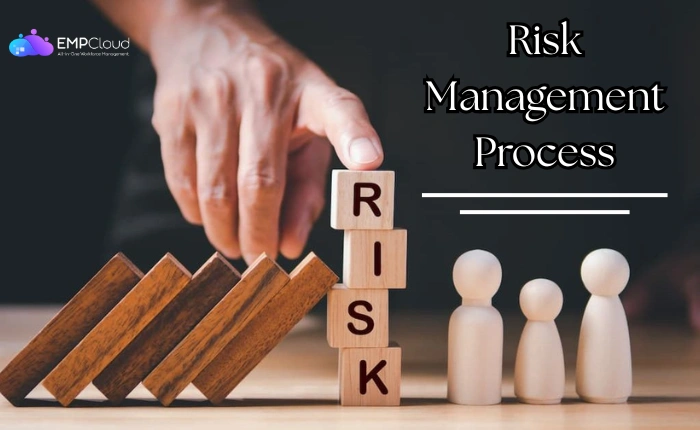
In a dynamic business environment, organizations encounter numerous uncertainties that can affect their operations, profitability, and reputation. The risk management process provides a structured approach to identifying, assessing, and mitigating these risks, helping ensure long-term stability and growth.
This comprehensive guide will walk you through every aspect of managing risks, including its stages, benefits, and best practices.
In a hurry? Listen to the blog instead!
What Is Risk Management Process?
The risk management process is a structured approach that organizations use to identify potential risks, assess their impact, and implement strategies to minimize or eliminate them. By systematically evaluating threats, whether financial, operational, technological, or reputational, businesses can make informed decisions, protect valuable assets, and ensure smooth operations.
This process not only helps in avoiding losses but also enables organizations to plan proactively, achieve their objectives efficiently, and maintain long-term stability.
Why Risk Management Process Is Critical For Businesses?
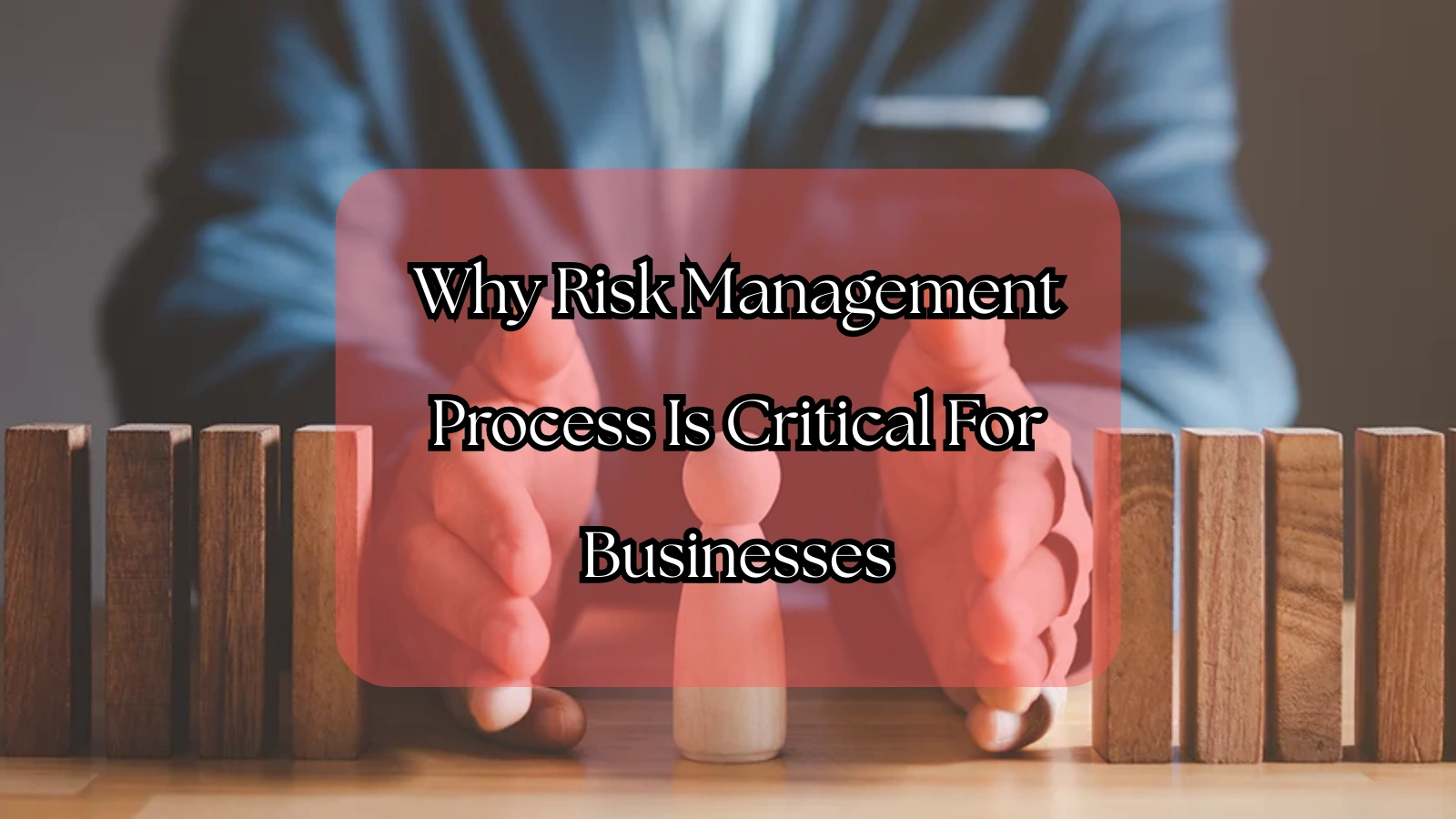
Every business, irrespective of its size or industry, faces risks. These can range from financial uncertainties, cyber threats, operational failures, to natural disasters. Ignoring these risks can lead to catastrophic consequences. By implementing a robust risk management process, organizations can:
- Reduce the likelihood of unexpected losses
- Improve decision-making and resource management, ensuring optimal use of assets and personnel
- Protect brand reputation
- Comply with legal and regulatory requirements
- Foster a culture of proactive risk awareness among employees
In essence, effective risk management acts as a shield, preparing businesses for uncertainties and allowing them to focus on growth without fear of unforeseen disruptions.
Also Read:
How To Use Resource Management Software For Growth?
What Are The Key Stages Of The Risk Management Process?
Managing risks typically involves several key stages, each designed to identify and address potential threats effectively. Understanding these steps is essential for businesses aiming to implement a reliable risk framework.
1. Risk Identification:
The first step in the risk management process is recognizing potential risks that could impact the organization. Risks can arise from various sources, including market volatility, technology failures, employee errors, or external factors like regulatory changes.
During this stage, organizations conduct comprehensive assessments to list all possible risks. Tools such as checklists, interviews, brainstorming sessions, and historical data analysis are often employed to identify vulnerabilities.
2. Risk Assessment:
Once potential risks are identified, the next step is to evaluate their likelihood and potential impact. This assessment typically involves two key components:
- Qualitative Analysis: Focuses on describing the nature and consequences of the risk without numerical values.
- Quantitative Analysis: Assigns numerical values to risks, allowing organizations to prioritize them based on severity.
Accurate risk assessment ensures that resources are directed toward managing the most critical risks first.
3. Risk Mitigation
After assessing potential risks, the next step is implementing mitigation strategies. These actions are designed to reduce the likelihood or impact of risks. Common approaches include:
- Implementing new policies and procedures
- Using technology solutions like insider threat detection software
- Training employees on best practices
- Diversifying suppliers or investments
Effective mitigation reduces the likelihood of disruptions and protects organizational assets.
4. Risk Monitoring:
The business environment is constantly changing, and new risks can emerge over time. Monitoring is a vital component of the risk management process as it ensures that mitigation strategies remain effective.
Organizations should establish regular review cycles, conduct audits, and use tools like employee monitoring software to track potential risks in real time. Continuous monitoring helps in adapting strategies to evolving threats.
5. Risk Reporting:
Transparent communication is essential when managing risks. Reporting involves documenting findings, mitigation measures, and any remaining threats. These reports are shared with key stakeholders, including management and board members, to ensure well-informed decision-making.
A well-structured risk report can highlight trends, uncover hidden threats, and promote accountability across departments.
What Are The Different Types Of Risks In Organizations?
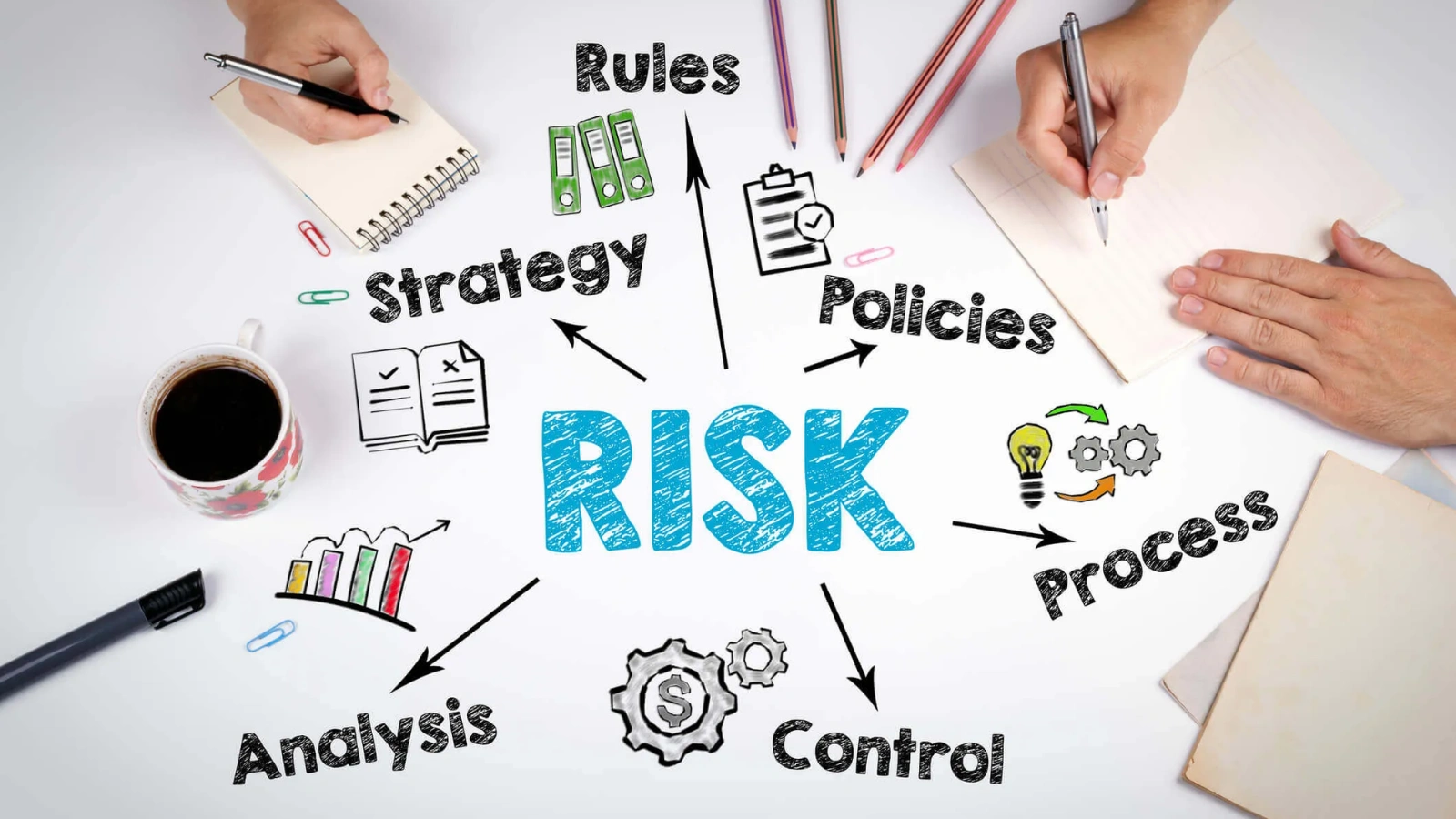
Understanding the types of risks that organizations face is crucial for a successful risk management process. Here are some common categories:
1. Strategic Risks:
These arise from poor decision-making, incorrect planning, or failure to adapt to market changes. Strategic risks can threaten long-term business goals and require proactive management.
2. Operational Risks:
Operational risks occur due to internal process failures, system breakdowns, or human errors. Integrating employee management software can help streamline operations and reduce such risks.
3. Financial Risks:
Financial uncertainties, including market fluctuations, credit defaults, or liquidity issues, fall under this category. Managing these risks is vital to ensure business stability.
4. Compliance Risks:
Failing to comply with industry regulations and legal standards can lead to penalties and reputational damage. A strong risk management process ensures that compliance is continuously monitored.
5. Cybersecurity Risks:
With increasing digitalization, cyber threats like data breaches, hacking, and phishing attacks have become prevalent. Employing insider threat detection software is an effective way to safeguard sensitive information.
6. Reputational Risks:
Any action that harms a company’s public image can result in lost trust and revenue. Proactively managing risks helps identify potential threats to reputation before they escalate.
Benefits Of Implementing A Risk Management Process
Investing in a well-structured risk strategy offers numerous benefits for organizations. Here’s why businesses should make it a priority:
- Enhances Decision-Making: By identifying potential risks beforehand, management can make informed decisions rather than reacting to crises. This leads to better process improvement, resource allocation, and overall business outcomes.
- Protects Business Assets: A robust risk management process safeguards physical, financial, and intellectual assets, ensuring the organization can operate without major disruptions.
- Promotes Regulatory Compliance: Following legal and regulatory standards is a critical aspect of risk management. Organizations can avoid penalties and legal issues by integrating compliance checks within their risk framework.
- Improves Employee Productivity: Tools such as employee monitoring software and employee management software help in tracking performance, ensuring employees adhere to risk mitigation policies, and maintaining operational efficiency.
- Strengthens Reputation: Organizations that proactively manage risks build trust with clients, investors, and stakeholders, enhancing credibility and long-term success.
Also Read:
How To Implement Effective Process Improvement Strategies?
Tools To Support The Risk Management Process
Technology plays a critical role in streamlining the risk management process. Several tools can enhance efficiency, accuracy, and real-time monitoring:
1. Employee Management Software:
This software helps organizations efficiently manage workforce performance, attendance, and compliance. By centralizing employee data, tracking tasks, and monitoring productivity, it reduces operational risks and ensures that employees adhere to company policies.
It also simplifies HR processes such as onboarding, performance evaluations, and leave management, which contributes to smoother operations.
2. Insider Threat Detection Software:
Insider threats, whether intentional or accidental, pose significant risks to organizations. This software identifies unusual or suspicious activities within the network, helping prevent data breaches, fraud, or misuse of sensitive information.
By proactively detecting potential threats, businesses can safeguard confidential data, reduce compliance risks, and maintain trust with stakeholders.
3. Employee Monitoring Software:
Employee monitoring tools provide real-time insights into workflow, productivity, and adherence to risk mitigation protocols. These systems track work patterns, project progress, and resource utilization, allowing managers to identify inefficiencies or potential issues early.
When used responsibly, employee monitoring software strengthens operational oversight and supports a safer, more productive work environment.
One solution that stands out in supporting the risk management process is EmpCloud. EmpCloud is a unified workforce management platform that integrates HR, productivity, and security features in a single platform.
It helps organizations monitor employee performance, safeguard critical data, and streamline operations, making it an ideal tool for mitigating both operational and compliance risks.
How Can EmpCloud Help With Workforce Risk Management?
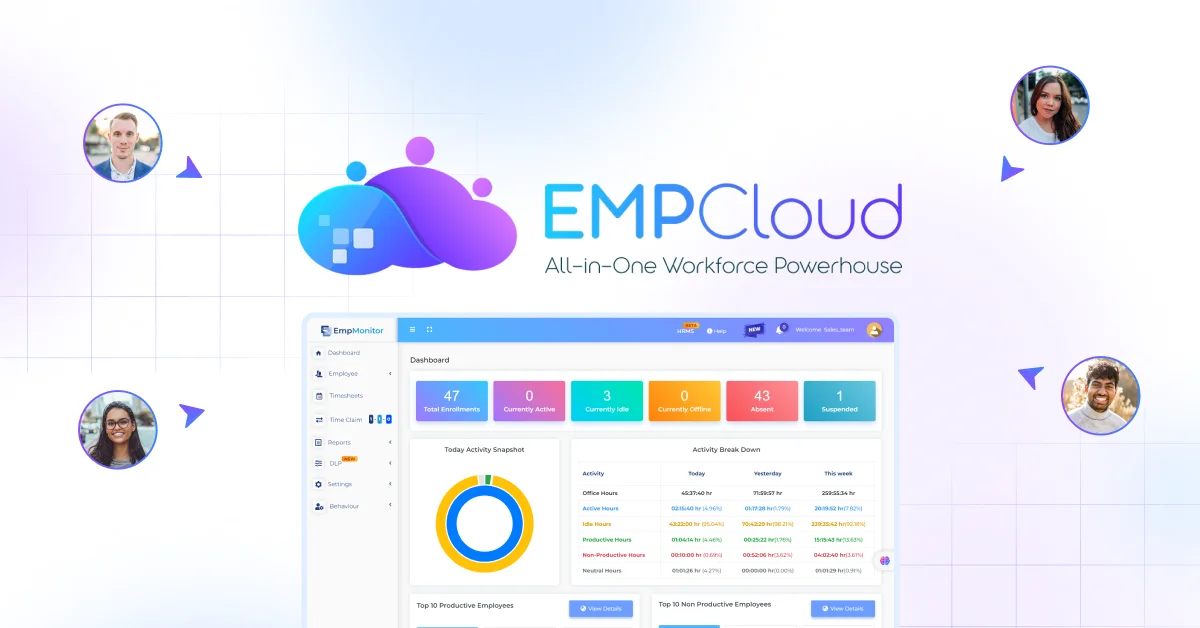
EmpCloud is more than just employee management software; it’s a unified platform designed to optimize workforce performance while safeguarding your business from potential risks. It has an employee monitoring function that allows you to keep track of employees’ work. So you can keep track of any anomalies that may happen. Moreover, it has a behavior alert mechanism that triggers an alert message whenever it detects any suspicious activities. Besides that, it also has many other features that can help you in assessing the risk factor, and accordingly, you may take the best actions.
Here are some of the features of EmpCloud that could complement risk management.
1. Time Tracking & Productivity Monitoring:
- Monitor work hours and task-level activities to minimize risks related to time leakage, non-compliance, and inefficient resource utilization.
- Real-time productivity insights help detect bottlenecks, performance gaps, or delays early—reducing the chances of missed deadlines, cost overruns, and operational disruptions.
2. Geo-Location & Task Management:
- Track field teams and ensure tasks are completed on time, reducing the risk of project delays.
- Assign and monitor tasks in real time, supporting accountability and transparency across teams.
3. Data Security & Risk Mitigation:
- EmpCloud includes data loss prevention tools to safeguard sensitive organizational information.
- Insider threats and unauthorized access are minimized through employee access history tracking and secure policy management.
4. HR-Centric Features for Compliance & Governance:
- Manage onboarding, payroll, leave, and attendance from a single platform to reduce administrative errors, data inconsistencies, and operational risks.
- Streamlined exit management and document policies reduce compliance risks and ensure proper documentation.
5. Centralized Dashboard & Reporting:
- Gain actionable insights into employee performance, attendance, and project progress.
- Detailed reporting supports informed decision-making and strengthens the overall risk management process.
By integrating EmpCloud into your risk management strategy, organizations not only streamline workforce operations but also proactively mitigate risks related to productivity, compliance, and data security.
What Are The Best Practices For An Effective Risk Management Process?
To maximize the effectiveness of the risk management process, organizations should adopt practices that encourage a proactive approach to identifying and mitigating risks.
1. Foster a Risk-Aware Culture:
Employees play a crucial role in spotting and managing risks. Regular training sessions, workshops, and awareness programs help instill a proactive mindset at all levels of the organization.
A risk-aware culture ensures that employees are vigilant, follow protocols, and actively contribute to reducing operational and strategic threats.
2. Utilize Technology:
Modern risks often require technological solutions to detect, monitor, and mitigate potential issues. Integrating platforms like EmpCloud along with insider threat detection software and employee monitoring tools streamlines workflows, provides real-time insights, and reduces human errors.
Technology also supports faster decision-making and enhances overall operational efficiency.
3. Conduct Regular Risk Assessments:
Risks are dynamic and can evolve rapidly. Periodic assessments, both qualitative and quantitative, ensure that emerging threats are identified, prioritized, and addressed before they escalate. This proactive evaluation helps organizations stay prepared and maintain continuity in operations.
4. Establish Clear Policies:
Documented policies and standard operating procedures create consistency in risk management practices. Clear guidelines help employees understand their roles and responsibilities, reduce ambiguity, and ensure that mitigation measures are applied uniformly across the organization.
5. Engage Stakeholders:
Involving key stakeholders, including management, department heads, and team leads, in the risk management process ensures accountability and better-informed decisions. Stakeholder engagement aligns risk mitigation strategies with business objectives and promotes transparency in addressing potential threats.
6. Learn from Incidents:
Every risk event, whether minor or significant, provides valuable lessons. Post-incident analysis and reviews help refine strategies, improve preventive measures, and enhance the organization’s resilience. Continuous learning from past events strengthens the overall risk management framework.
Integrating Risk Management With Business Strategy
Risk management should not be treated as a separate function. Successful organizations integrate the risk management process into their overall business strategy. By aligning risk management with strategic goals, businesses can:
- Anticipate potential disruptions in their strategic plans
- Allocate resources effectively to high-priority areas
- Enhance overall business resilience and agility
Integration ensures that risk management becomes an ongoing, strategic component rather than a reactive measure.
Conclusion
The risk management process is an indispensable component of modern business strategy. By identifying, assessing, mitigating, and monitoring risks, organizations can protect their assets, enhance decision-making, and ensure long-term sustainability.
With the integration of advanced tools like EmpCloud, employee management software, insider threat detection software, and employee monitoring software, businesses can proactively manage risks related to productivity, compliance, and data security.
Implementing a structured risk management process not only safeguards an organization from potential threats but also builds a resilient and agile enterprise ready to face the uncertainties of the future.
FAQs
1. What are the common mistakes businesses make when managing risks?
Common mistakes include not identifying all potential threats, failing to update plans regularly, relying on reactive measures, and ignoring employee input. Avoiding these errors helps organizations stay prepared and resilient.
2. How does risk management differ between small and large companies?
Small businesses often use simpler processes and fewer resources, while larger organizations implement structured frameworks, dedicated teams, and advanced tools to handle complex risks effectively.
3. Can a risk management strategy improve company culture?
Yes. A proactive approach fosters responsibility, accountability, and transparency, encouraging employees to participate in maintaining a safe and efficient workplace.
4. How often should risk assessments be reviewed?
Ideally, risk assessments should be reviewed at least annually, with interim reviews whenever there are major operational changes or new projects.
5. How can technology support risk management efforts?
Modern tools provide real-time monitoring, predictive analytics, automated reporting, and data security. Platforms like EmpCloud, along with monitoring and insider threat detection software, make risk mitigation more efficient.
Quick Search Our Blogs
Type in keywords and get instant access to related blog posts.