
Calls come back-to-back, the customers expect a quick answer, fast service, and supervisors want everything to stay on track and do this on time. The support team deals with nonstop pressure every single day. Call center monitoring helps to see the clear conversation going on, and it helps to monitor and support the team, and to see how every conversation is actually going. Support leaders understand what works, what fails, and what needs improvement without guessing.
It checks how agents talk to customers, how well they solve problems, and whether everyone is giving the same level of service. The best part is how it helps everyone feel more confident. Agents get to know what they’re already good at, managers see where the team needs help, and the whole place starts working together instead of struggling.
In a hurry? Listen to the blog instead!
Why Call Center Quality Monitoring Matters So Much?
Support teams move fast, and one weak call can create a bad impression instantly. Call center quality monitoring helps supervisors catch issues early. It also helps them fix patterns before they turn into bigger problems.
Call center quality monitoring builds better skills because agents see what they do right and what they mess up. They learn faster, adapt faster, and talk with customers with more confidence. The whole team grows because everyone understands what the standards look like.
It becomes the backbone of improvement. It boosts customer trust, reduces errors, and helps new agents adjust quickly.
How Call Center Quality Monitoring Helps Different Team Roles?
It supports every role inside a support team. Managers, agents, and executives rely on accurate insights to work confidently and stay aligned. Everyone understands real performance levels, real customer reactions, and real improvement areas because call center quality monitoring shows exactly what happens during live conversations. This creates smoother teamwork, faster decisions, and stronger customer experiences across the entire call center.
Call Center Management
Managers handle the toughest job because they guide the entire support team. It gives them clear visibility into how agents talk, how they solve problems, and how they handle customer pressure.
Managers catch weak spots early because they see tone shifts, long pauses, repeated mistakes, or confusing explanations. They coach agents faster because they rely on real call examples instead of random guesses. Managers set practical goals because call center quality monitoring software gives them consistent data from hundreds of calls.
Managers compare performance across days, weeks, and months. They spot patterns, understand why certain issues repeat, and adjust training plans before problems grow. Better visibility helps them build stronger teams, reduce burnout, and raise overall call quality without wasting time.
Call Center Agents
Agents feel the most pressure because they face customers directly. It helps them understand their work clearly. They see exactly where they shine and where they struggle. This makes it feel easier and less stressful.
Agents feel more confident because the feedback comes from real calls, not vague notes. They understand how their tone affects customers, how their speed influences satisfaction, and how their problem-solving style changes call outcomes.
Agents also improve teamwork because they learn from each other’s successful calls. Friendly competitions or small rewards based on performance make the environment more exciting. Call quality monitoring software helps them replay calls, identify mistakes, and fix habits that slow them down. They grow faster because the learning experience feels real, simple, and actionable.
Call Center Executives
Executives focus on results, long-term goals, and customer expectations. Call center quality monitoring gives them solid data that shapes smarter decisions. They identify areas where the support team needs new tools, more training, or a better process.
Executives understand customer frustration points because the monitoring data highlights common complaints. They budget more accurately because they know which improvements matter most. They also define company-wide goals based on real performance metrics instead of assumptions.
Executives align different departments because call center quality monitoring reveals how support quality affects sales, retention, and brand reputation. This helps them build strategies that match customer needs and business growth at the same time.
What To Monitor At a Call Center?

It works best when teams track the right things. These metrics show how strong the support experience feels in real life, not just on reports. When supervisors understand these numbers, they fix problems faster, guide agents better, and build a support system that actually makes customers feel heard. Here are the most important things every call center must check:
First Call Resolution (FCR)
Customers expect quick solutions. High FCR shows that agents solve problems correctly during the first attempt. It means customers don’t call again for the same issue. Supervisors study FCR inside call center quality monitoring to understand which agents fix issues smoothly and which ones struggle with tough calls. Better FCR leads to happier customers and a more confident support team.
Average Handle Time (AHT)
AHT reveals how long an agent takes to solve a problem. Some calls need time, while others need faster responses. Managers use call center quality monitoring to compare AHT with other factors like accuracy, clarity, and tone. They don’t chase speed alone; they look for the balance that feels good for customers. AHT helps managers shape better training sessions and smoother workflows that make agents handle calls smarter, not just faster.
Customer Satisfaction
Customer reactions tell the truth about the entire support experience. Ratings, surveys, feedback messages, and even emotional tone give clues about how customers feel. Call center quality monitoring software captures these reactions instantly so teams understand happiness levels without guessing. Managers see which agents create the best experiences and which conversations cause frustration. This helps them fix small issues before they turn into big complaints.
Compliance
Every industry follows rules, especially healthcare, finance, insurance, and telecom. Compliance protects both the company and the customer. It helps supervisors check whether agents follow scripts, legal guidelines, and company policies correctly.
Supervisors catch mistakes quickly because they see every part of the conversation, tone, wording, disclaimers, and process steps. Strong compliance keeps the call center safe, trustworthy, and aligned with all regulations.
Read More!
Why Upskilling and Reskilling Matter?
How To Improve Work Culture Using Smart Teamwork Tips?
Smart Tools That Help You Review And Improve Call Quality
The right tools help support teams review calls faster, catch real issues, and guide agents toward better performance. Instead of wasting time on random call checks, these features surface important interactions, highlight risky calls, and provide data that strengthens coaching and customer experience.
1. Real-Time Coaching Tools
Real-time coaching tools listen to live calls and offer instant prompts when agents need help. The system detects confusion, customer frustration, or missing steps, then displays quick suggestions on the agent’s screen. This support enhances accuracy, reduces stress, and improves call outcomes without requiring after-call reviews.
2. Automated Call Summaries and Transcripts
These tools create instant summaries that outline the customer issue, steps taken, and final result. Full transcripts store every word of the conversation, which makes quality checks faster, more accurate, and easier to track. Supervisors find keywords, errors, and skill gaps in seconds.
3. Intelligent Skill-Based Call Routing
Smart routing connects customers to the most suitable agent based on their skills and past customer history. This reduces call transfers, shortens waiting time, and improves satisfaction. Agents handle conversations they’re confident in, which leads to smoother resolutions.
4. Performance Dashboards and Analytics
Dashboards turn daily performance into easy visuals. Managers track AHT, CSAT, FCR, talk time, and compliance in real time. Analytics reveal patterns like repeat complaints, long handling times, or training needs. This data helps supervisors make quick, informed decisions.
5. Structured Quality Scorecards
Scorecards give a consistent process for reviewing calls. They include criteria like greetings, problem identification, clarity, empathy, and resolution accuracy. With defined scoring points, managers avoid bias, and agents clearly understand the expectations.
With the right tools in place, quality monitoring becomes smoother, faster, and far more reliable. But technology alone is not enough. To truly strengthen performance, teams need a system that connects daily tasks, goals, collaboration, and progress tracking in one place. This is where EmpCloud adds real value. It supports teams with better project organization, workflow visibility, and performance insights, making quality improvement a continuous, well-managed process.
Where EmpCloud Fits Into All This?
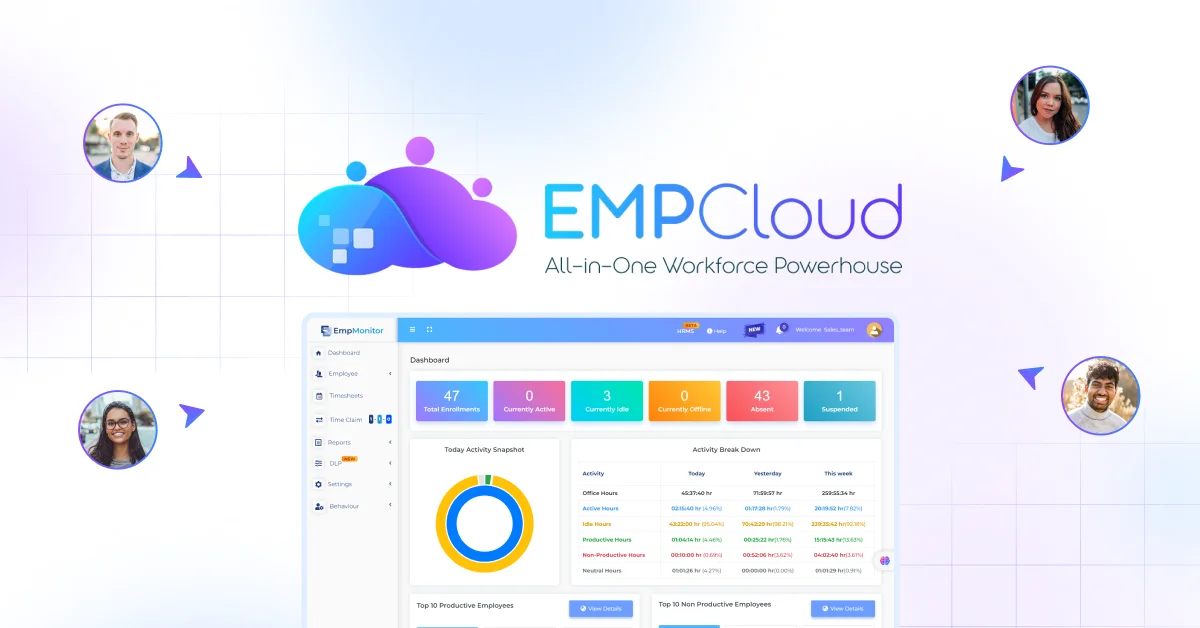
Teams rely on smooth workflows to stay organized, and EmpCloud supports this behind the scenes. Faster organizing leads to better execution in support teams, too, especially when calls move fast and tasks stack up quickly.
EmpCloud provides a set of tools that can help you structure responsibilities clearly through access control, role management, and team management— like features. Everyone knows who handles what. No confusion. Tasks stay organized, and communication flows better.
It also provides project management solution that helps managers track tasks, check updates, create reports, and keep everything transparent. Timeline tracking keeps every project in order, and visual planning tools such as Kanban boards and Gantt charts make everything easier to understand.
When everything in a call center is organized the right way, the whole team feels the difference. With EmpCloud, agents get better support, teams work together more smoothly, and managers finally get a clear view of what’s happening. Stronger workflows naturally improve the quality of service—making daily call center quality monitoring easier, more consistent, and far more effective.
Why Teams Need The Best Call Monitoring Tools?
Support teams grow faster when they use strong tools. Although you might be investing in the best call monitoring tools to ensure quality, it is also essential to monitor your workforce activities.
That’s why call center screen monitoring and call center screen recording software are quite essential. Such tools can help supervisors understand exactly how agents navigate systems during calls. Managers catch gaps in workflow or tool usage instantly and coach agents in the right direction.
Good call quality monitoring software brings everything together. It checks voice quality, accuracy, tone, compliance, and efficiency in one system. Call center quality monitoring becomes smoother, smarter, and easier to manage.
The best call monitoring software also helps new agents settle quickly. They learn faster when they can replay calls, study screen recordings, and understand how experienced agents handle tough situations.
Final Thoughts
Call center quality monitoring helps the team to boost its need to stay ahead. Agents can understand their performance better, managers can coach smarter, and execute plans and set clear goals. It helps to build stronger communication, smoother workflow, and also to grow skills.
The call center quality monitoring helps to keep service consistent and helps teams to improve faster, and helps to create a great experience a customers that feels simple and enjoyable. The strong tool and well-structured workflows, and a smarter system help in this, like EmpCloud helps call center quality monitoring reach its full potential. ‘
Support teams grow stronger when call center quality monitoring becomes part of their everyday routine.
FAQs
- Is call center quality monitoring the same as employee surveillance?
No. Quality monitoring focuses on improving customer service, training agents, and maintaining standards. It does not track personal behavior; it only checks what happens during customer interactions to ensure accuracy and consistency. - How often should a call center review agent calls?
Most support teams review calls weekly, but high-volume call centers prefer daily micro-reviews. The best practice is to mix scheduled evaluations with random checks to get a balanced performance picture. - Does quality monitoring work for remote call center teams?
Yes. In fact, it becomes even more important. Remote teams rely on monitoring tools to maintain consistency, transparency, and fair coaching since supervisors cannot walk the floor. - Can call center quality monitoring reduce customer escalations?
Absolutely. When agents receive timely feedback, they handle difficult calls better. This reduces mistakes, misunderstandings, and angry customer escalations. - Do agents feel uncomfortable with call monitoring?
Agents may worry at first, but discomfort goes away when they see monitoring as a support system, not a punishment system. Clear communication and fair scorecards help build trust.
Quick Search Our Blogs
Type in keywords and get instant access to related blog posts.