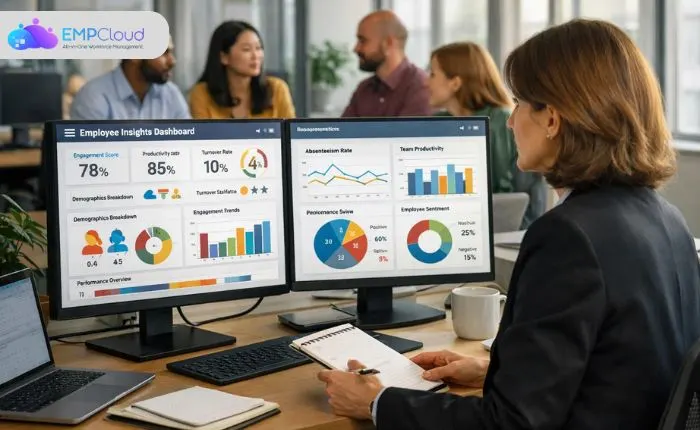
Understanding your workforce is no longer just a managerial preference; it’s essential for business success. Organisations collect vast amounts of employee data every day, from attendance records and productivity metrics to engagement surveys and skill inventories. However, raw data alone doesn’t provide the insights needed to make meaningful decisions. Without analysis, companies risk overlooking opportunities to improve performance, enhance engagement, and drive strategic outcomes.
This is where workforce insights make a difference. By analysing employee data through advanced analytics, businesses can uncover patterns, identify trends, and make informed decisions that directly improve operational efficiency and organisational growth. Workforce insights turn numbers into actionable strategies that benefit both employees and the company as a whole.
Organizations can move beyond intuition-based management and embrace data-driven workforce strategies, optimizing schedules, predicting talent gaps, and aligning resources for maximum impact. With workforce insights, companies can make smarter decisions and achieve measurable results.
You can listen to this Podcast here.
What Are Workforce Insights?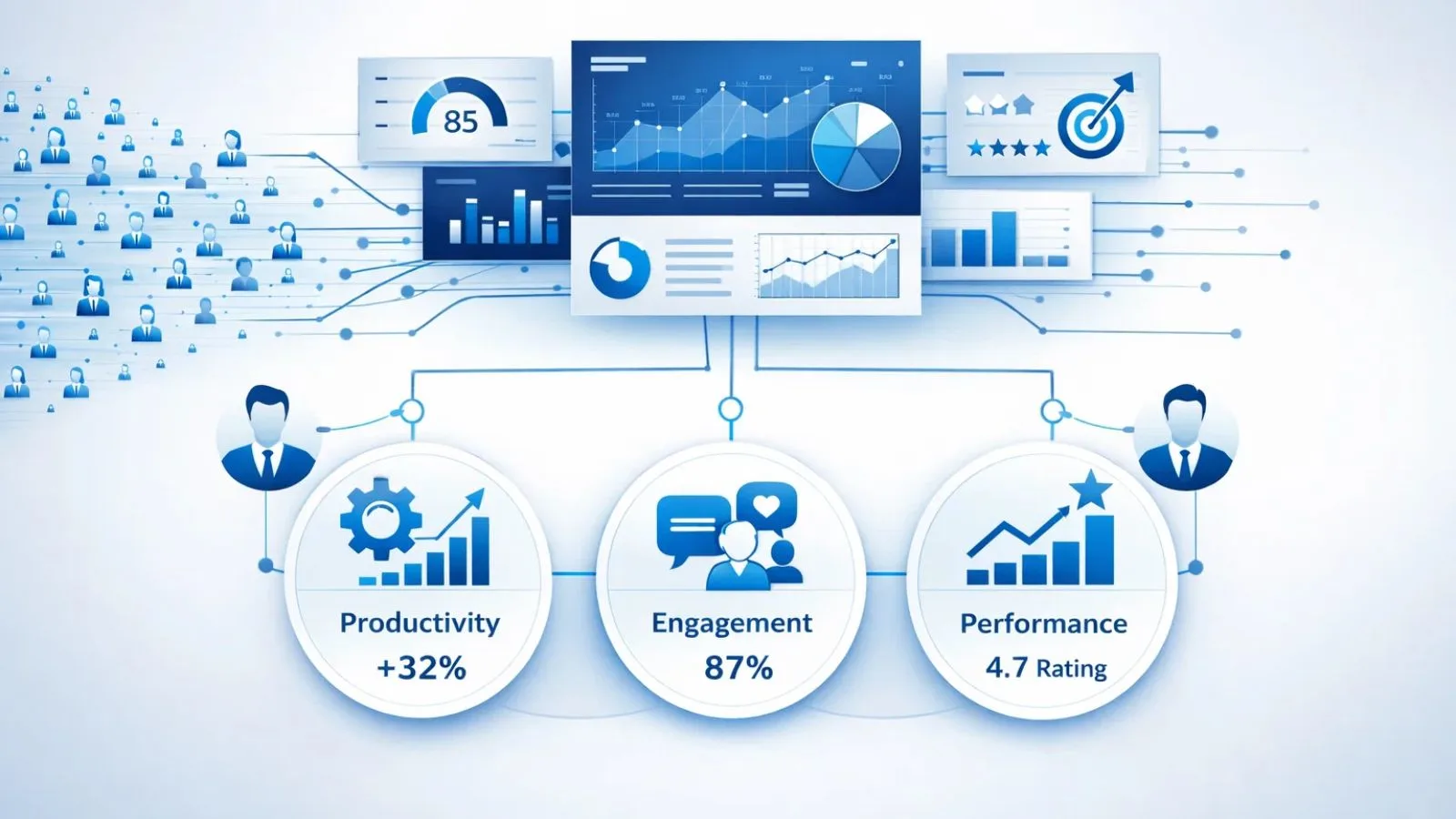
Workforce insights refer to the actionable understanding organizations gain by analyzing employee data. Unlike raw metrics, which simply record information, workforce insights provide meaningful patterns and trends that guide decision-making in areas like productivity, engagement, and resource planning.
Workforce insights use workforce analytics to turn employee data into clear, actionable intelligence. For example, instead of just tracking attendance or hours worked, organizations can identify which teams are consistently overburdened, which employees may need additional training, or which processes slow down productivity. These insights allow managers to proactively address issues rather than reacting after problems arise.
Workforce insights also help differentiate between what is happening and why it is happening. They integrate data from multiple sources, including HR systems, performance reviews, and employee feedback, to provide a holistic view of workforce dynamics. This makes it easier to spot trends like skill gaps, engagement issues, or turnover risks before they impact the business.
By turning employee data into intelligent, actionable information, organizations can align their workforce strategies with broader business objectives, improve employee satisfaction, and drive measurable results. Tools like EmpCloud make this process seamless, providing real-time analytics and dashboards that translate complex data into practical insights.
Key Components of Effective Workforce Analytics
To derive meaningful workforce insights, organizations must focus on several key components that capture both employee performance and organizational dynamics. These elements ensure that data is not just collected but transformed into actionable intelligence.
- Employee Performance Data and Productivity Metrics
Measuring output, task completion rates, and goal attainment provides a clear view of individual and team productivity. By analyzing these metrics, managers can identify high performers, uncover bottlenecks, and design targeted improvement strategies. - Attendance and Shift Patterns
Monitoring attendance, absenteeism, and shift schedules helps organizations optimize staffing, reduce overtime costs, and ensure adequate coverage. These insights support better planning and highlight trends that may impact workforce efficiency. - Engagement and Satisfaction Indicators
Employee engagement surveys, feedback forms, and sentiment analysis reveal how employees feel about their roles and the workplace environment. High engagement correlates with increased productivity and retention, making these insights essential for workforce planning. - Skills and Talent Mapping
Understanding the skills and capabilities of employees allows organizations to match talent to the right tasks and identify skill gaps. This facilitates targeted training programs, succession planning, and career development initiatives. - Integration with Workforce Management Tools
Data is most powerful when consolidated across systems. Integrating HR platforms, time-tracking software, and workforce management tools ensures that insights are comprehensive and actionable, rather than fragmented.
By combining these components, organizations can create a complete picture of their workforce, enabling smarter decisions that improve performance, engagement, and operational efficiency. Platforms like EmpCloud make this process intuitive, offering dashboards and analytics that synthesize data from multiple sources into actionable workforce insights.
Benefits of Workforce Insights for Organizations
Leveraging workforce insights offers organizations tangible advantages that go far beyond simple reporting. By transforming employee data into actionable insights, companies can make more informed decisions, optimize resources, and boost overall performance.
- Improved Operational Efficiency
Workforce insights reveal areas where processes may be slowing down or teams are underutilized. This enables managers to reallocate resources, adjust workflows, and streamline operations for maximum efficiency. - Better Resource Allocation and Staffing Decisions
Analyzing employee schedules, workloads, and performance data helps organizations predict staffing needs, avoid overstaffing or understaffing, and balance workloads across teams. This ensures that projects and tasks are completed on time without straining employees. - Enhanced Employee Engagement and Retention
Insights into engagement levels, satisfaction, and career aspirations help managers implement targeted initiatives. Understanding what motivates employees can reduce turnover, improve morale, and foster a culture of trust and growth. - Data-Driven Leadership Decisions
Workforce insights empower leaders with concrete data to inform strategic decisions, from workforce planning and training investments to promotions and succession planning. Decisions grounded in evidence are more likely to succeed and align with business goals. - Identifying Trends and Predictive Planning
By analyzing patterns over time, organizations can anticipate potential challenges such as skill gaps, high turnover risk, or productivity dips. Predictive workforce insights allow businesses to take proactive measures before issues escalate.
In short, workforce insights help organizations operate smarter, support employees more effectively, and align workforce strategies with long-term business objectives.
How EmpCloud Elevates Workforce Management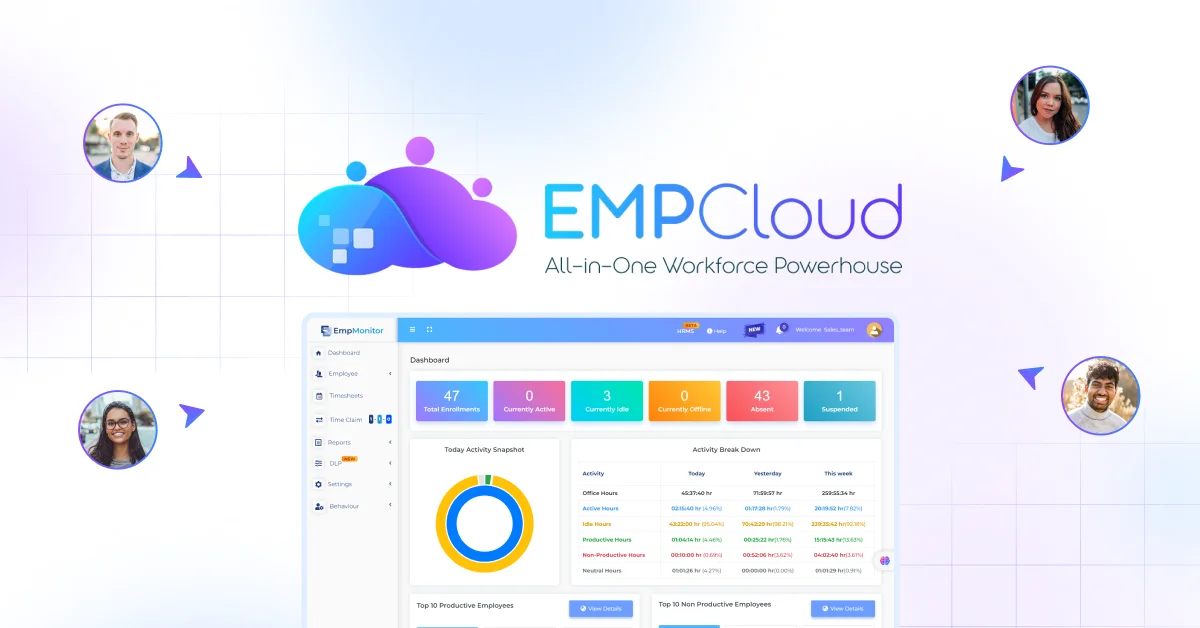
While workforce insights provide the data organizations need, having the right platform to analyze and act on this data makes all the difference. EmpCloud is designed to help businesses turn employee data into actionable strategies, making workforce management smarter and more efficient.
- Real-Time Analytics and Dashboards
EmpCloud consolidates workforce data into intuitive dashboards, allowing managers to track performance, attendance, and engagement in real time. This enables quick decision-making and timely interventions. - Predictive Workforce Planning
Using AI-driven analytics, EmpCloud can forecast staffing needs, identify potential skill gaps, and suggest optimal workforce allocation. Predictive insights help organizations prepare for challenges before they impact operations. - Employee Insights and Performance Tracking
Managers can monitor individual and team performance, identify high performers, and detect areas needing support. These insights help tailor coaching, training, and development programs effectively. - Integration with Existing Systems
EmpCloud works seamlessly with HR and workforce management tools, ensuring all employee data—from attendance to performance—is centralized and actionable. - Actionable Reports and Alerts
The platform provides detailed reports and automated alerts, allowing leaders to respond proactively to trends, issues, or opportunities in workforce management.
By turning complex employee data into clear insights, EmpCloud helps organizations not only understand their workforce but also drive meaningful results—from improving productivity to enhancing engagement and retention.
Real-World Applications of Workforce Insights
Workforce insights are not just theoretical—they have practical applications across industries, helping organizations optimize operations, improve employee satisfaction, and make strategic decisions.
- Retail
Retailers use workforce insights to optimize shift schedules, manage peak hours, and reduce overtime costs. Understanding employee performance and customer-facing metrics allows managers to improve both staff efficiency and customer experience. - IT and Technology
Tech companies rely on workforce insights to track project timelines, monitor team productivity, and identify skill gaps. Insights help allocate resources effectively and ensure that critical projects are completed on time. - Healthcare
In healthcare, workforce analytics supports staffing decisions, ensures compliance with labor regulations, and predicts periods of high patient demand. Insights into shift patterns and staff performance improve patient care and reduce burnout among employees. - Manufacturing and Logistics
Workforce insights help optimize labor allocation on production lines, track performance, and prevent bottlenecks. By identifying skill gaps and high-risk areas, organizations can reduce downtime and improve operational efficiency. - Employee Experience and Engagement
Across all industries, understanding employee sentiment, engagement levels, and career aspirations enables targeted interventions. Organizations can develop training programs, reward systems, and policies that align with employee needs, improving retention and morale.
By applying workforce insights strategically, organizations can enhance productivity, reduce costs, and create a more engaged, satisfied workforce—turning data into measurable results.
Workforce Insights for Strategic Decision Making
Workforce insights empower leaders to make decisions that are proactive, evidence-based, and aligned with business goals. By analyzing trends and patterns in employee data, organizations can plan strategically rather than reacting to problems as they arise.
- Aligning Workforce with Business Objectives
Insights allow leaders to match workforce capacity and skills with organizational priorities. For example, understanding which teams are overburdened or underutilized helps managers redistribute workloads to achieve optimal performance. - Scenario Planning and Proactive Problem Solving
By examining historical and real-time data, organizations can predict potential challenges, such as high turnover, staffing shortages, or skill gaps. This enables proactive interventions that minimize disruption and maintain operational efficiency. - Informed Hiring and Training Decisions
Workforce insights reveal which roles require additional resources or specialized training. Leaders can make smarter hiring decisions and create development programs that address current and future workforce needs. - Performance Management and Succession Planning
Insights into employee performance and potential allow organizations to identify high performers, plan promotions, and create succession strategies. This ensures business continuity and cultivates internal talent pipelines. - Supporting Employee Engagement Initiatives
Data-driven insights help identify factors affecting employee satisfaction, engagement, and retention. Organizations can implement targeted programs to improve morale, reduce turnover, and strengthen company culture.
In short, workforce insights transform employee data into a strategic tool, enabling organizations to make smarter, more informed decisions that drive growth and productivity.
Overcoming Common Challenges
While workforce insights offer tremendous value, implementing them effectively can present several challenges. Understanding and addressing these obstacles ensures organizations get the most from their data.
- Data Quality and Integration Issues
Inaccurate, incomplete, or siloed data can undermine insights. Organizations must ensure that HR, time-tracking, performance, and other employee data sources are accurate, up-to-date, and integrated for a holistic view. - Resistance to Data-Driven Approaches
Some managers and employees may resist relying on analytics for decision-making. Promoting a culture of trust, transparency, and education around the benefits of workforce insights can help overcome this barrier. - Privacy and Compliance Concerns
Collecting and analyzing employee data requires careful attention to privacy regulations. Organizations must implement clear policies for data access, storage, and usage to protect employee information and comply with legal requirements. - Choosing the Right Tools
Selecting workforce management tools that are flexible, scalable, and user-friendly is crucial. Poorly chosen systems can create complexity rather than clarity, reducing the effectiveness of workforce insights. - Continuous Monitoring and Adaptation
Workforce dynamics change over time. Organizations need processes for regularly reviewing insights, updating metrics, and refining strategies to ensure insights remain relevant and actionable.
By addressing these challenges proactively, companies can ensure that workforce insights deliver meaningful value and drive smarter, more informed decisions across the organization.
The Future of Workforce Insights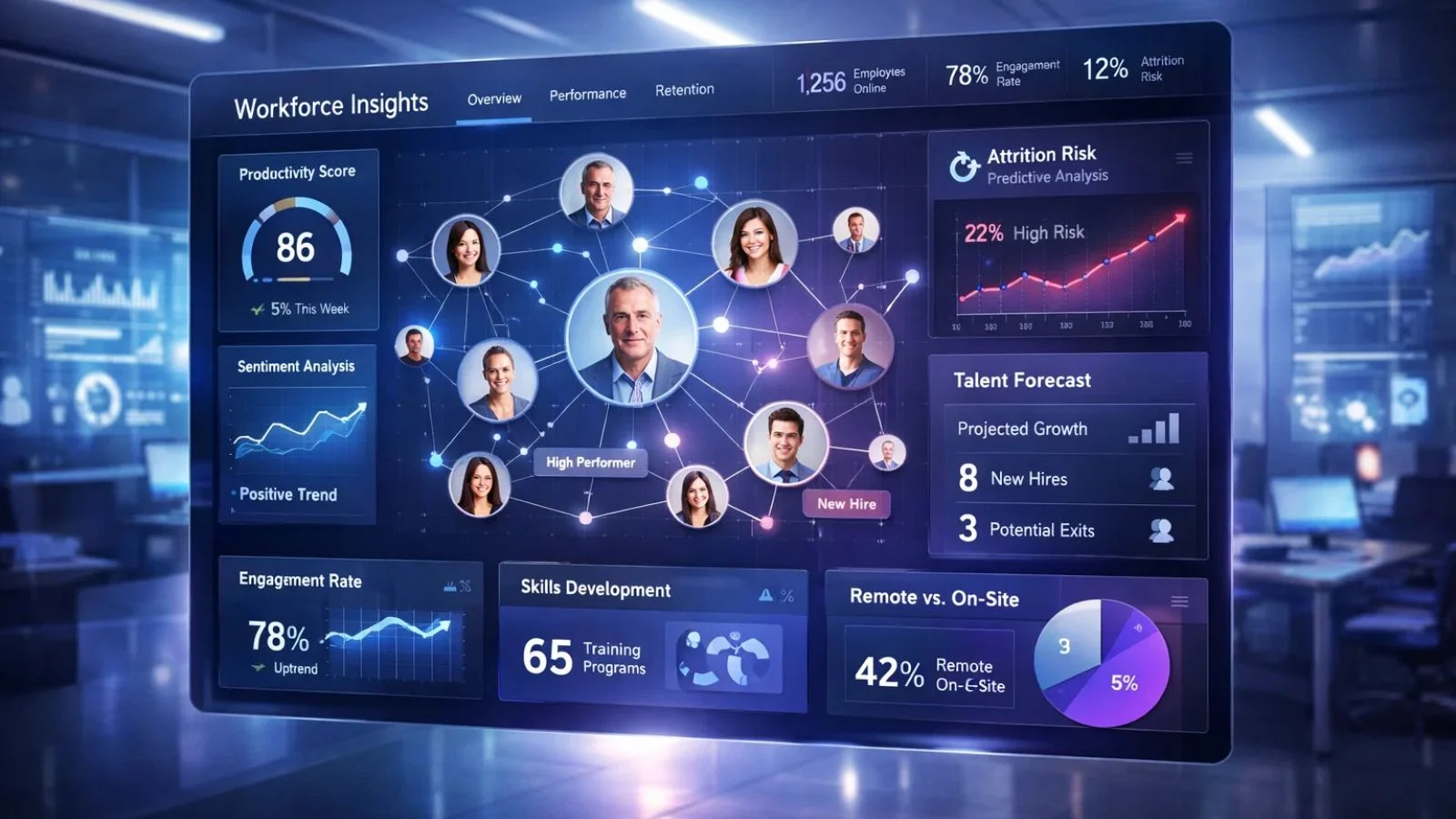
The future of workforce management is increasingly driven by advanced analytics, artificial intelligence, and real-time insights. As organizations strive to remain competitive, workforce insights will become central to strategic decision-making and employee engagement.
- AI and Predictive Analytics
Predictive models can forecast staffing needs, identify potential turnover risks, and anticipate skill gaps before they impact operations. AI transforms workforce insights from descriptive reporting into predictive guidance, helping leaders act proactively. - Personalized Employee Experiences
Future workforce insights will allow organizations to tailor experiences for individual employees, including customized learning programs, career paths, and engagement initiatives. Personalization improves satisfaction, retention, and performance. - Integration with Digital Ecosystems
Workforce insights will increasingly connect with broader digital systems—HR platforms, performance management software, payroll, and collaboration tools—to create a unified view of the employee lifecycle. - Continuous Improvement Through Real-Time Data
Real-time analytics enables organizations to monitor employee performance, engagement, and operational efficiency continuously. This supports dynamic decision-making, rapid interventions, and agile workforce management. - Strategic Organizational Transformation
Workforce insights will help organizations align human capital with long-term business strategies, supporting innovation, efficiency, and sustainable growth. Data-driven workforce strategies will no longer be optional—they’ll be a competitive requirement.
The evolution of insights promises smarter organizations, more empowered employees, and measurable business results, transforming how companies plan, manage, and optimize.
Also Read,
Master Workforce Management In 2026 Like Never Before!
How To Improve Workforce Efficiency With Employee GPS Tracking?
Conclusion
Workforce insights are no longer a luxury they are a critical tool for organizations seeking to maximize productivity, engagement, and strategic growth. By analyzing employee data, companies can move beyond intuition-based decisions and implement strategies grounded in evidence.
From optimizing schedules and workloads to predicting talent gaps and improving employee satisfaction, actionable workforce insights empower leaders to make smarter, faster, and more informed decisions. They also help create a more engaged, motivated workforce, aligning individual performance with organizational goals.
Investing in the right platform to harness these insights is key. With tools that consolidate data, provide predictive analytics, and deliver real-time visibility, organizations can turn raw employee data into measurable results.
Take the next step in workforce management: Implement solutions that provide actionable insights, drive performance, and unlock the full potential of your people. By doing so, your organization can transform data into a competitive advantage, ensuring a more productive, engaged, and future-ready workforce.
FAQ’s
1. How do workforce insights differ from workforce analytics?
Workforce analytics refers to the process of collecting and analyzing employee data, while workforce insights are the meaningful, actionable conclusions drawn from that analysis to drive business decisions.
2. What are the benefits of insights?
Key benefits include improved operational efficiency, better resource allocation, enhanced employee engagement and retention, data-driven leadership decisions, and predictive workforce planning.
3. Which metrics are commonly tracked to generate insights?
Organizations often track employee performance, productivity, attendance, shift patterns, engagement scores, skill sets, and turnover rates to generate actionable insights
Quick Search Our Blogs
Type in keywords and get instant access to related blog posts.