NAVEX’s 2025 benchmark tracked 4,077 organizations, 2.15 million reports, and 69 million employees — and yet most HR leaders I speak to still treat their whistleblower program as an afterthought bolted onto the compliance checklist. That gap is where real organizational risk lives.
The problem isn’t that employees don’t want to speak up. It’s that the systems HR builds actively discourage them. Here are five specific mistakes — ones I’ve watched play out repeatedly — that gut the credibility of a reporting program before anyone files a complaint.
One context note before we get into it: this is a regulated space. SOX Section 806 protects whistleblowers at publicly traded companies in the U.S. The EU Whistleblower Protection Directive (2019/1937) mandates formal internal reporting channels for organizations with 50 or more employees. In India, SEBI and RBI guidelines place similar obligations on listed entities and NBFCs. Compliance officers evaluating speak-up programs aren’t just looking for best practice — they’re looking for legal cover. A program that fails on the five points below is likely failing these frameworks too.
1. Treating the Whistleblower Hotline as the Entire Program
According to the NAVEX 2025 benchmark, hotlines capture only 29.5% of incoming reports by intake method. That means nearly three-quarters of employees who decide to report something will not pick up a phone. They want to type. They want asynchronous. They want to feel like no voice is being recorded.
Yet many HR teams fund a hotline, publish the number in the employee handbook, and call it done. When report volume is low, leadership reads it as “nothing to worry about” rather than “nobody trusts the channel.” These are very different situations with identical-looking numbers.

2. Failing to Guarantee Anonymity at the Intake Point
This is the mistake with the most immediate legal exposure. The Ethics and Compliance Initiative’s 2023 survey found that nearly 50% of employees who reported misconduct experienced some form of retaliation — and employees know it. They won’t file if they can’t trust that the act of filing won’t identify them.
Most HR teams assume their system is anonymous because IT said so. That’s not the same as being able to demonstrate anonymity to a skeptical employee. The distinction matters: you need a channel where anonymity is architecturally enforced, not just promised in a policy document.
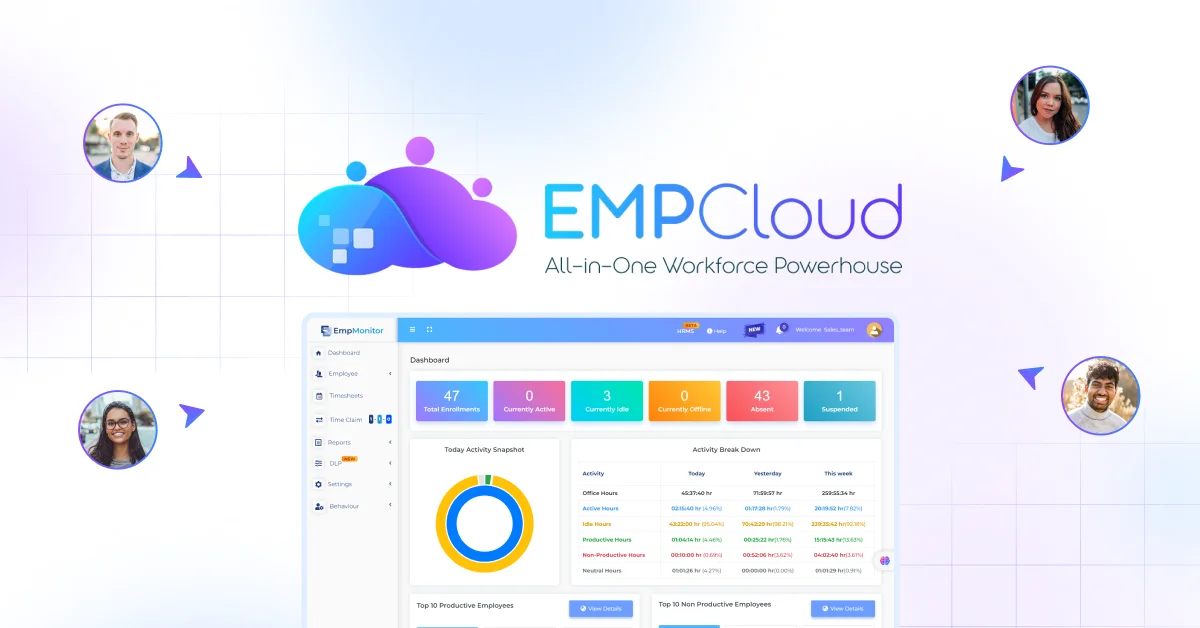
EMPCloud‘s AI agent includes a Feedback Stream tool built specifically for this — employees submit concerns confidentially, and the report routes through the system without exposing the source’s identity to case managers who might know them personally. That architectural separation is what makes an anonymous channel believable, not a disclaimer at the bottom of a form. You can review EMPCloud’s plans to see how the Feedback Stream feature fits across team sizes.
3. Letting Employees Self-Investigate Before Filing
This one is counterintuitive. HR teams don’t cause this mistake directly — but they fail to warn against it, and the consequences land in their lap.
Many whistleblowers discuss their complaints on social media or among colleagues before filing, seeking validation. Those conversations — even private messages — can be monitored, saved, or forwarded, exposing the complainant to retaliation and contaminating any subsequent investigation. By the time HR hears about it, the situation is already messy.
The fix is proactive communication: tell employees explicitly, before anything happens, that the right sequence is report-first, discuss-never. Build this into onboarding, manager training, and your speak-up communications. Don’t assume people know it.
4. Mishandling the Case After Receipt
Getting the report is the easy part. What HR does next is where most programs fall apart.
Three failure modes come up most often. First: assigning the case to a manager who is tangentially connected to the subject. Second: failing to document investigation steps in an auditable trail. Third — and most damaging — letting cases go stale for weeks with no status update to the reporter. A reporter who hears nothing assumes their report was ignored, and that perception spreads.
A confidential channel only works if the follow-through is equally tight. EMPCloud’s Feedback Stream lets HR teams track reports through the AI agent’s interface while maintaining the reporter’s confidentiality throughout — the system handles the case record separately from the identity layer. That’s a meaningful structural improvement over a shared email inbox where a misaddressed reply can unravel months of trust-building.
For HR teams also wrestling with how common employee communication mistakes erode trust across the organization, the parallel is worth noting: the channel and the follow-through are both communication problems, not just compliance ones.

5. Treating Low Report Volume as Evidence of a Healthy Culture
This is the mistake I see most often at the leadership level, and it’s the hardest to argue against because it feels logical. If no one is complaining, everything must be fine.
It isn’t. Low volume usually means the channel isn’t trusted, not that there’s nothing to report. Consider what NAVEX found across 4,077 organizations: 2.15 million reports filed by 69 million employees works out to roughly one report per 32 employees annually. If your organization is tracking significantly below that ratio, the gap almost certainly reflects channel distrust rather than an unusually ethical workforce.
Research on anonymous reporting channels confirms that 23% of employees cite fear of not being taken seriously as the primary reason they don’t file. That’s a program design failure, not an employee motivation failure. Volume trends are a leading indicator — a sudden drop in reports after a leadership change, a merger, or a policy update is worth investigating, not celebrating.
HR teams should set baselines, track submission rates over time, and treat unexplained drops the same way a finance team treats an unexplained variance. The number matters less than the direction and the context. Reviewing how leading whistleblower platforms approach volume benchmarking is a useful calibration exercise before you set your own targets.
What a Better Program Actually Looks Like
None of these fixes require a complete rebuild. The framework is straightforward:
- Multiple intake channels — not just a hotline. Text, web form, AI chat.
- Architectural anonymity — not policy-level anonymity. The system should make identity exposure structurally difficult, not just against the rules.
- Pre-emptive communication — employees know how to report AND what not to do before they ever need to file.
- Case management discipline — auditable, time-bounded, with status updates to reporters even when the update is “we’re still investigating.”
- Volume monitoring as a health signal — trend lines reviewed quarterly alongside engagement and attrition data.
These aren’t advanced. They’re table stakes. The fact that most programs still miss two or three of them explains why employee trust in formal reporting channels remains so fragile.
If you’re auditing adjacent HR processes, the five performance analytics mistakes we covered recently follow a similar pattern — systems that look functional on the surface but fail employees at the moment that matters most.
The Compounding Risk
A broken whistleblower program doesn’t just mean missed reports. It means employees route concerns to social media, to regulators, or to employment lawyers instead of to HR. At that point the organization loses any ability to investigate on its own terms, correct the issue, or demonstrate good faith. The gap between a report filed internally and a complaint filed externally is exactly the space a well-run speak-up program is supposed to occupy.
EMPCloud serves 200+ companies across 15+ countries, managing 50,000+ employees. The compliance pressures in those markets — particularly for NBFCs operating under RBI guidelines and telecom operators handling sensitive workforce data — make confidential reporting infrastructure not optional but necessary. The Feedback Stream tool exists because that need is real and the alternatives are inadequate.
Get the intake right, follow through on every report, and track the trends. That’s the whole program.
Start your free 15-day EMPCloud trial and see how the AI agent’s Feedback Stream tool handles confidential reporting from intake to resolution — no configuration required to evaluate it.
FAQs: –
1. Why do employees avoid using whistleblower reporting channels?
Employees may fear retaliation, lack trust in anonymity, or find the reporting process difficult. This blog covers five common HR mistakes that discourage employees from speaking up.
2. What are the most common whistleblower reporting mistakes HR teams make?
Common mistakes include relying only on hotlines, failing to protect anonymity, mishandling investigations, and assuming low report volume means employees have nothing to report.
3. How can HR teams build a more trusted whistleblower reporting system?
HR can improve trust by offering multiple reporting channels, protecting reporter identity, communicating the process clearly, and providing timely case updates.
4. Is an anonymous whistleblower channel really necessary?
Yes. Employees are more likely to report concerns when they believe their identity is protected. The blog explains why architectural anonymity matters beyond simply promising confidentiality.
5. Can AI improve confidential whistleblower reporting?
AI can provide an accessible reporting channel while helping route and manage concerns confidentially. See how AI-powered reporting can strengthen the overall whistleblower process.
Quick Search Our Blogs
Type in keywords and get instant access to related blog posts.