

Whenever you or your team completes a task, it feels like a milestone has been cleared. Isn’t it? But when every step feels scattered or unpredictable, even the most motivated teams hit their roadblocks. What holds everything together is a clear structure that shows how far you’ve come and what still needs attention. That structure starts with project milestones, the checkpoints that bring order to complex work and give your team a sense of steady movement.
As we move further, let’s break down what these moments really mean and why they deserve a central place in your planning approach.
In a hurry? Listen to the blog instead!
What Is A Milestone In A Project?
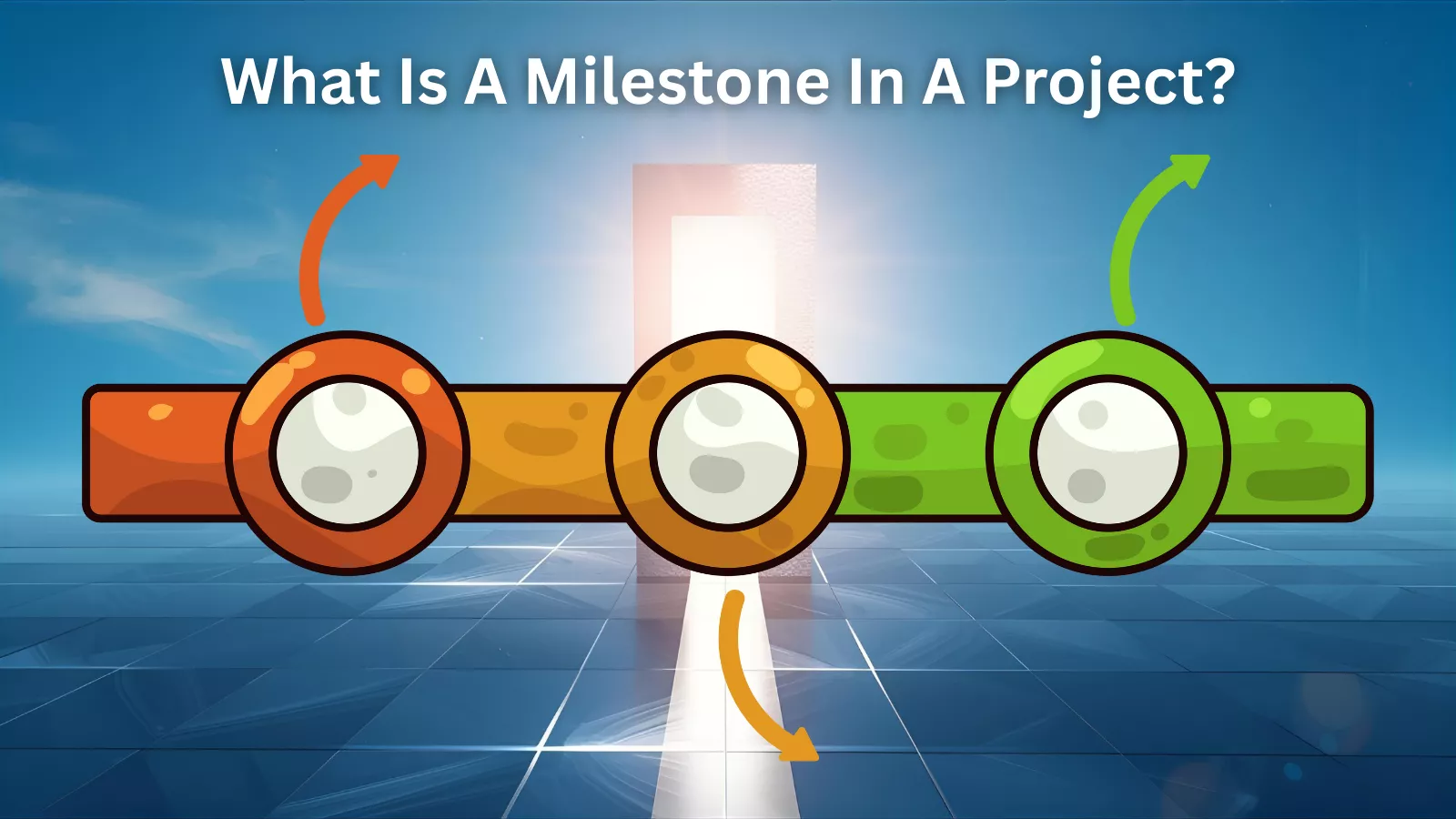 Before diving into tools, templates, or scheduling choices, it helps to answer a simple question: What is a milestone in a project? A project milestone is a clearly defined point that marks the completion of an important stage or decision in a project. It shows that something critical has been achieved—such as finishing a phase, receiving approval, or reaching a key outcome—and confirms that the project is ready to move forward.
Unlike tasks, milestones don’t involve work or duration; they simply signal progress and help teams track whether the project is on the right path. This brings us to a broader view of how these checkpoints fit into the larger project environment.
Role Of Milestones In Project Management
To make progress predictable, every project needs clarity. That’s where the concept behind What is a milestone in project management comes alive. While tasks show what needs to be done, milestones show whether the tasks you completed actually brought you to a meaningful point.
They help teams stay aligned, help managers adjust timelines with confidence, and give stakeholders a way to see progress without sifting through every detail. As you build your understanding of these markers, the next natural step is to explore why they are so important for real-world outcomes.
Why Milestones Matter In Team Projects?
Teams don’t just need activity; they need evidence of movement. This is why project milestones play such a central role. They split large workloads into achievable segments, create natural check-in points, and reinforce accountability. When everyone knows the next checkpoint, it becomes easier to prioritize, tackle risks early, and avoid rushing at the last minute.
They also shape the story you share with leadership. Stakeholders aren’t looking for endless task lists—they want to know whether the project is in control. Milestones give them that view. Now that you know why they matter, it helps to understand what they are not, which leads us to the distinctions that often confuse teams.
Differences Between Milestones & Other Project Elements
 Many teams struggle not because they lack milestones, but because they label everything as a milestone. Let’s break down the differences clearly so your structure stays clean and practical.
Milestones vs Goals
Goals describe future outcomes. Milestones mark the points you’ve reached so far. You can think of goals as the destination and milestones as the steps that confirm you’re on track.
Milestones vs Tasks
Tasks require effort and time. Milestones do not. A milestone simply states that a group of tasks has led you to a meaningful point worth acknowledging.
Milestones vs Deliverables
A deliverable is a tangible output. A milestone reflects the completion of one or more deliverables. You can introduce a project milestones and deliverables example here: if the deliverable is a finished design draft, the milestone marks the moment the draft is officially approved.
Milestones vs Project Phases
Phases are broader and take longer. A milestone often marks the end or beginning of one. Understanding these distinctions helps you map your timeline more accurately. With this clarity in place, we can now talk about integrating these checkpoints into your actual project plan.
Connecting Milestones To Project Plans
Even the most structured plans lose value when progress feels unpredictable. This is where project milestones help you organize outcomes instead of drowning in tasks. When placed thoughtfully, they highlight the transitions that shape your schedule—like handing off work, closing research, finalizing designs, or starting production.
A good practice is to place milestones alongside related tasks, so your team sees the full picture. This reduces confusion, keeps timelines realistic, and ensures everyone understands what the project is moving toward. Once the plan structure is clear, the next step is creating a practical timeline for your checkpoints.
Building A Milestone Schedule
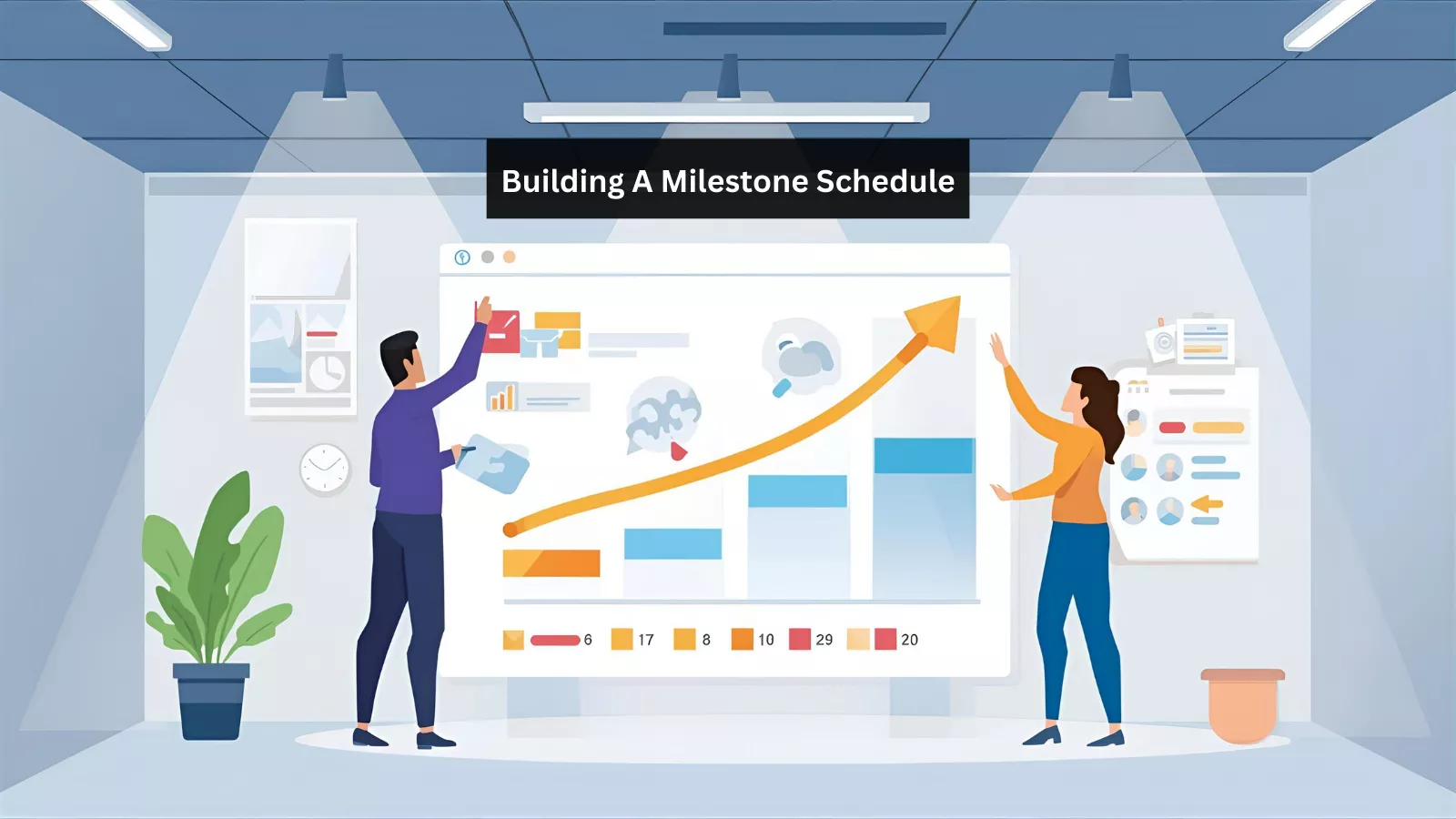 Setting dates for milestones is more than picking calendar days. A solid schedule begins with understanding the natural flow of your project. Look at your timeline from start to finish and identify the moments that define progress. Each of those points becomes a milestone.
To keep your schedule organized, many teams rely on a project milestones template. This helps you map dates, descriptions, dependencies, and expected outcomes without scattering information across different tools.
You might wonder how many milestones you need. There’s no fixed rule. Some projects only need a handful, while others need more. The key is relevance. Every milestone should represent something the team cares about reaching. Now that you know how to create a schedule, it’s helpful to look at examples that make this approach clearer.
Real Examples Of Project Milestones
Examples bring possibilities into focus. Teams across various industries use project milestones to stay organized and accountable. Here are practical project milestones examples to clarify how they work:
1. Marketing Campaign Launch
- Creative concept approved
- Content strategy finalized
- Ads scheduled for release
These points do not track the work itself; they track completion.
2. Product Development Roadmap
- Prototype completed
- User feedback reviewed
- Version two approved
Here, milestones map the shift from ideas to tangible progress.
3. HR Hiring Workflow
- Role requirements confirmed
- Candidate shortlist finalized
- Offer approval completed
4. Operations and Logistics
- Supplier contracts signed
- Warehouse layout approved
- Distribution kickoff date reached
Within these examples, you can also see a clear project milestones and deliverables example pattern: the deliverable may be a contract, draft, or prototype, while the milestone marks its approval. As these examples build a clearer understanding, you’re now ready to explore how real platforms transform this structure into daily workflows.
How Empcloud Helps In Project Milestones?
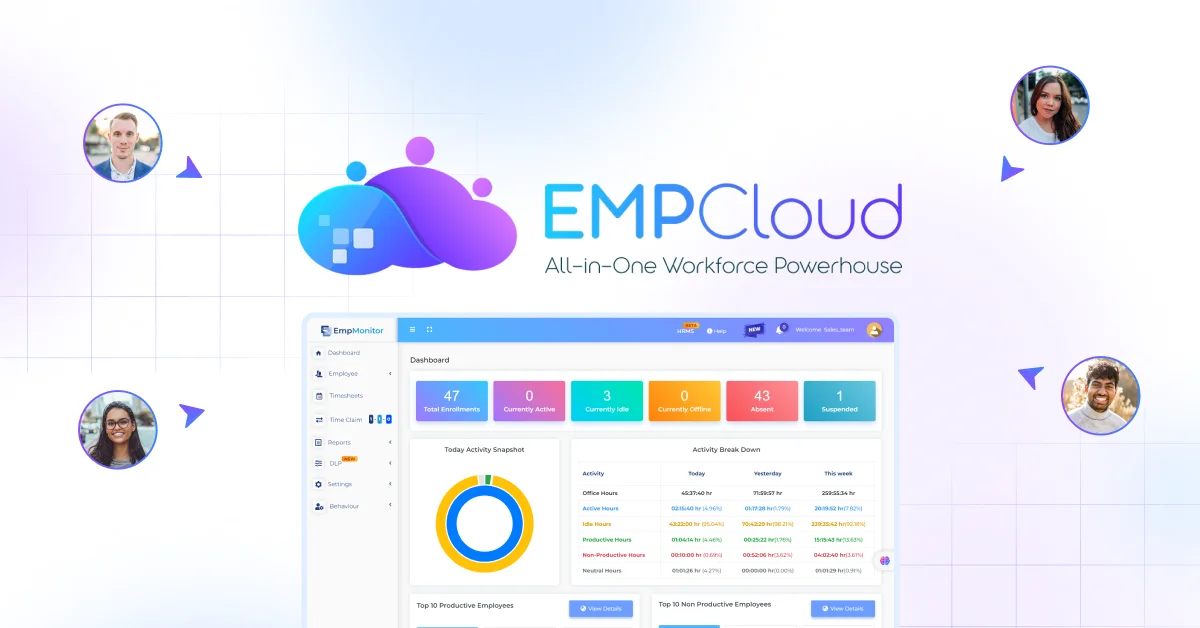 Many teams build strong plans but struggle to keep everything connected once execution begins. This is where project milestones fit naturally into modern work platforms. Empcloud provides a unified environment where teams track outcomes, manage workload, and stay aligned without scattered tools.
This subtle approach makes Empcloud an ideal companion for projects that need clarity without unnecessary complexity. Now that the platform is introduced, let’s take a closer look at the features that support your milestone workflow.
Empcloud Features For Smoother Milestone Control
Empcloud stands out because it keeps everything your team needs in one workspace. Whether you’re coordinating cross-team collaboration or trying to make sense of multiple timelines, the platform is designed to reduce friction and support progress at every stage.
Here are the features that make milestone tracking reliable:
1. Unified Workspace
All project details live in a shared space, preventing confusion and eliminating misplaced updates.
2. Automated Process Flow
Workflows adapt to your structure, helping teams maintain momentum without repetitive manual steps.
3. Approval Pathways
Many milestones depend on formal sign-offs. Empcloud provides clean approval flows aligned with your timeline.
4. Real-Time Dashboards
Dashboards help managers and stakeholders track project milestones through visual views like calendars, lists, and progression bars.
5. Collaboration Options
Comments, file sharing, and discussions stay where the work happens, making communication clearer.
6. Timeline Management
Empcloud supports timeline planning so teams can forecast outcomes, adjust schedules, and maintain visibility with ease.
With the right tool foundation set, your next step is learning how to communicate milestone progress clearly.
Reporting On Milestones
The best milestones are useless if no one knows what they represent. Reporting helps your team and stakeholders evaluate progress and plan ahead. A modern project management tool simplifies this by gathering updates automatically instead of relying on manual tracking.
Clear milestone reports show which deadlines were achieved, which dates may shift, and what decisions need attention. Missing a milestone isn’t unusual, but it requires a conversation. Review whether the schedule was unrealistic or if certain tasks lagged. Once you understand the cause, you can adjust your approach with more confidence.
Now that reporting is covered, it’s worth calling out the mistakes teams often make so you can avoid them.
Read More
Master Workforce Management In 2025 Like Never Before!
How To Create A Powerful Project Charter That Works?
Project Objectives: A Clear Guide To Setting, Managing, And Achieving Them Effectively
Mistakes To Avoid During Milestone Setup
Common pitfalls can slow progress even when everything else is done well. Here are a few to keep in mind:
- Adding too many milestones
- Using tasks as milestones
- Forgetting to align milestones with the main timeline
- Keeping vague or unclear milestone descriptions
- Guessing dates without considering workload
Avoiding these issues helps your plan stay predictable. With clarity around mistakes, the next natural step is understanding how milestones improve the entire schedule.
Value Of Milestones In Stronger Schedules
When used correctly, project milestones turn a complicated project into a structured journey. They give teams a shared direction, reduce uncertainty, and help managers adjust without disrupting progress. Whether you’re handling a small initiative or a large, multi-department effort, milestones work as anchors that keep everything grounded.
As more teams lean toward structured planning, you’ll find that milestone-driven schedules lead to more confidence, fewer surprises, and smoother execution.
Conclusion
A project moves forward only when the team knows what progress looks like. Milestones define that progress. They bring clarity, strengthen planning, support accountability, and make communication easier for everyone involved. By mapping the checkpoints that matter most, your schedule becomes more dependable and your decisions more informed.
With the right structure in place—and the right platform backing your workflow—you can guide any project with clarity and purpose. Your next task is simple: decide which moments matter most, define them clearly, and let those points guide the work that follows.
FAQs
- How early should key checkpoints be defined in a new project?
It’s best to outline them right after the scope is agreed on. Early planning helps teams understand expectations and organize resources smoothly. - Can major checkpoints change once work has already started?
Yes, they can. As new information appears or priorities shift, adjusting important points in the timeline is completely reasonable as long as changes are communicated clearly. - How many stakeholders should participate in approving major progress points?
Keep the approval group focused. Only people directly responsible for outcomes should be involved to avoid delays or conflicting decisions. - What’s the best way to measure progress between two project milestones?
Short weekly reviews, updated task lists, and quick team check-ins help track movement and highlight delays early. - Do these checkpoints help small teams or solo projects?
Yes. Even small projects benefit from structured progress points because they reduce uncertainty and make planning easier.
Quick Search Our Blogs
Type in keywords and get instant access to related blog posts.