
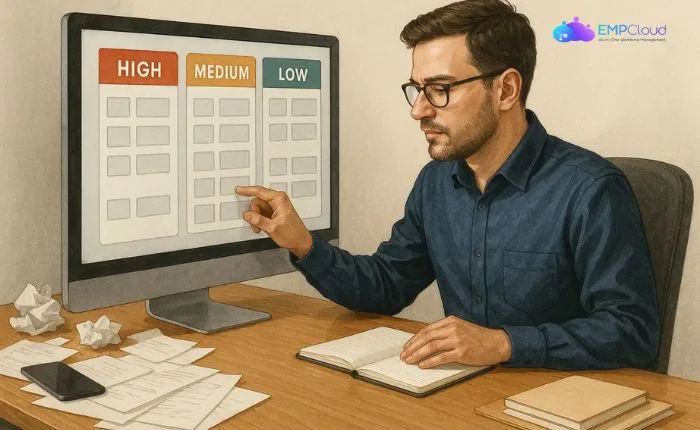
Managing multiple tasks at work can feel overwhelming. Deadlines, meetings, and urgent requests constantly compete for your attention, leaving many professionals wondering how to stay productive without burning out. Learning how to prioritize tasks effectively is a skill that can transform the way you work, helping you focus on what truly matters and reduce unnecessary stress.
Prioritization isn’t just about creating to-do lists; it’s about understanding which tasks deliver the most value and require immediate attention. When done correctly, it enables you to manage your workload efficiently, make informed decisions, and achieve your goals more consistently.
One of the most effective methods for organising tasks is the Eisenhower Matrix, a simple yet powerful framework that helps distinguish between urgency and importance. Combined with modern task management tools, mastering task prioritization can make your workdays smoother and more productive.
You can listen to this Blog here.
What Is Task Prioritization?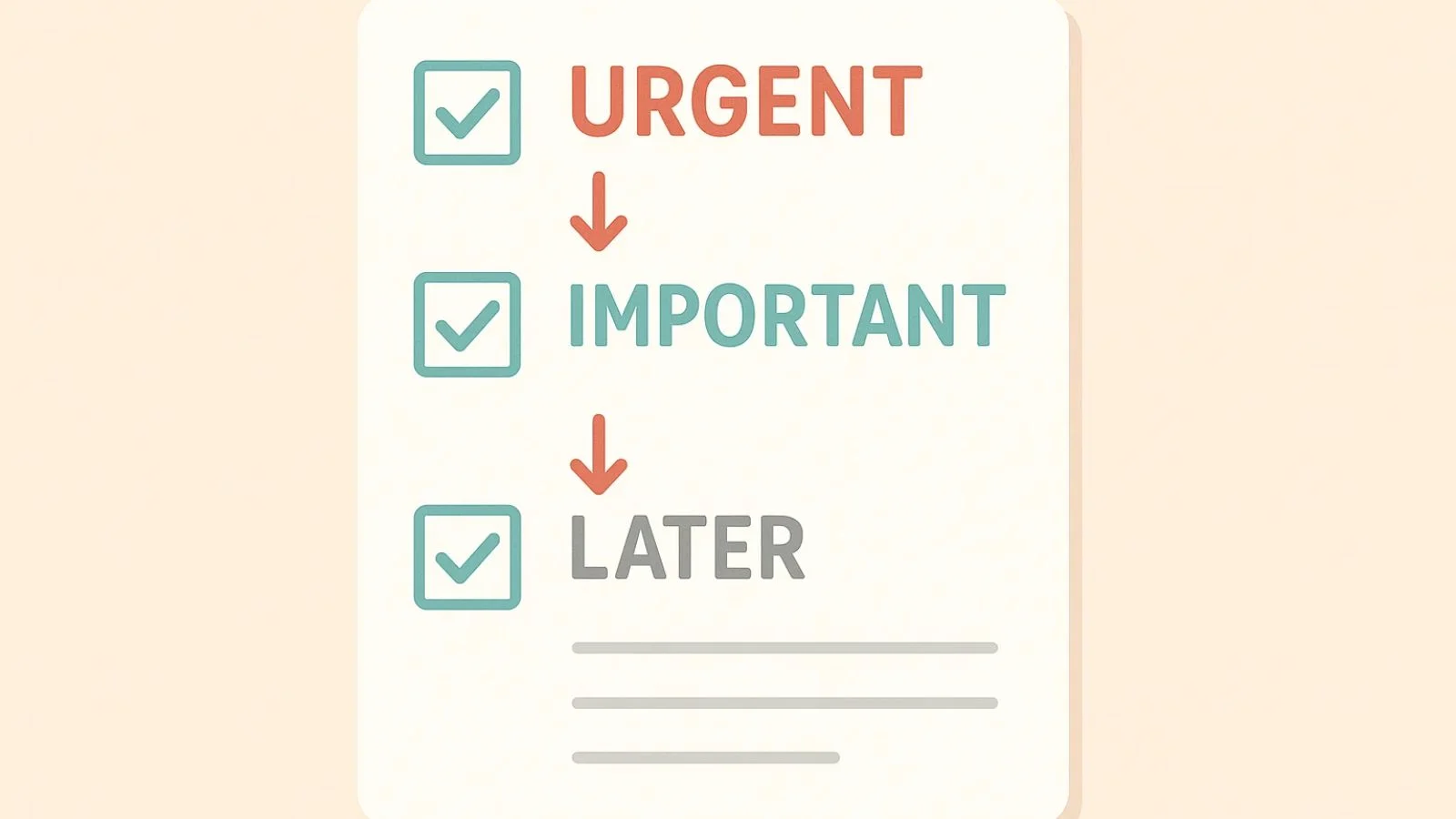
Task prioritization is the process of deciding the order in which your tasks should be completed based on their urgency and importance. It’s more than just checking off items on a to-do list; it’s about focusing on what will make the biggest impact on your work and goals.
Proper prioritization helps reduce stress by preventing last-minute rushes and ensures that critical tasks aren’t overlooked. It also improves productivity, as you spend more time on high-value activities rather than being distracted by less important tasks.
In the workplace, prioritizing tasks can mean the difference between achieving deadlines on time and feeling constantly behind. Whether managing personal responsibilities or collaborating with a team, prioritizing tasks ensures that energy and resources are used efficiently, making your workday more structured and productive.
By understanding the principles of task prioritization, professionals can approach their workload strategically, rather than reacting to whatever feels urgent at the moment.
The Eisenhower Matrix: A Proven Tool for Prioritization
The Eisenhower Matrix is a simple yet powerful tool for organizing tasks based on urgency and importance. Named after Dwight D. Eisenhower, the 34th President of the United States, it helps professionals decide which tasks require immediate attention and which can be scheduled, delegated, or eliminated.
The matrix is divided into four quadrants:
- Urgent and Important – Tasks that require immediate action, such as critical deadlines or emergencies.
- Important but Not Urgent – Tasks that contribute to long-term goals but don’t need immediate attention, like planning or skill development.
- Urgent but Not Important – Tasks that are time-sensitive but can often be delegated, like routine emails or minor requests.
- Neither Urgent nor Important – Low-value tasks that can be postponed or eliminated, like trivial distractions.
By categorizing tasks into these quadrants, you can clearly see where to focus your energy. The Eisenhower Matrix is especially useful in teaching professionals how to prioritize tasks at work, ensuring that important responsibilities are completed without being overshadowed by urgent but less significant ones.
How to Use the Eisenhower Matrix Step by Step?
Using the Eisenhower Matrix is straightforward and can transform how you manage your workload. Here’s a step-by-step guide on how to prioritize tasks in the workplace:
Step 1: List All Your Tasks
Start by writing down every task you need to complete, no matter how big or small. This gives you a complete view of your responsibilities.
Step 2: Categorize Tasks into Quadrants
Assign each task to one of the four quadrants:
- Urgent & Important: Must be done immediately
- Important but Not Urgent: Schedule for later
- Urgent but Not Important: Delegate if possible
- Neither Urgent nor Important: Consider removing or postponing
Step 3: Decide Action for Each Quadrant
- Quadrant 1: Focus on completing these tasks first
- Quadrant 2: Schedule dedicated time for these tasks to prevent future emergencies
- Quadrant 3: Delegate to others or use automation tools if available
- Quadrant 4: Minimize or eliminate these tasks to free up time
Step 4: Review and Adjust Regularly
Priorities change throughout the week. Check your matrix daily or weekly to update tasks, adjust deadlines, and ensure focus remains on high-value activities.
Following these steps helps you master how to prioritize tasks effectively and ensures you are working smarter, not just harder.
Tips for Prioritizing Tasks Effectively
Even with tools like the Eisenhower Matrix, effective task management requires consistent strategies. Here are practical tips to improve how to prioritize tasks effectively:
1. Break Down Large Projects
Divide complex tasks into smaller, manageable steps. This makes them less overwhelming and easier to schedule.
2. Avoid Multitasking
Focusing on one task at a time improves quality and reduces errors. Prioritization works best when attention is undivided.
3. Focus on High-Impact Tasks First
Identify tasks that have the biggest effect on your goals or deadlines and tackle them before low-value items.
4. Time-Blocking and Scheduling
Allocate dedicated time slots for important tasks. Scheduling ensures essential work gets completed without being pushed aside by urgent but less significant activities.
5. Reassess Priorities Regularly
Daily or weekly reviews help you adjust priorities based on new tasks, deadlines, or unexpected events. Flexibility keeps you aligned with what truly matters.
By implementing these strategies alongside tools like the Eisenhower Matrix, you can consistently manage your workload and achieve better productivity.
Common Mistakes to Avoid When Prioritizing
Even with the best intentions, prioritization can go wrong if common pitfalls aren’t avoided. Recognizing these mistakes helps improve how you manage tasks:
1. Ignoring Important but Not Urgent Tasks
Focusing only on urgent tasks can lead to long-term problems. Schedule important tasks early to prevent last-minute crises.
2. Overloading a Single Day
Trying to complete too many tasks at once can reduce productivity and increase stress. Spread work realistically across days or weeks.
3. Failing to Re-evaluate Priorities
Priorities change as projects progress. Not reviewing and updating your task list can result in missed deadlines or overlooked responsibilities.
4. Relying Solely on Memory
Keeping tasks only in your head is risky. Use lists, planners, or tools to ensure nothing slips through the cracks.
By avoiding these mistakes, you can maintain a clear focus and improve your ability to prioritize tasks at work effectively.
Tools to Help Prioritize Tasks: Introducing EmpCloud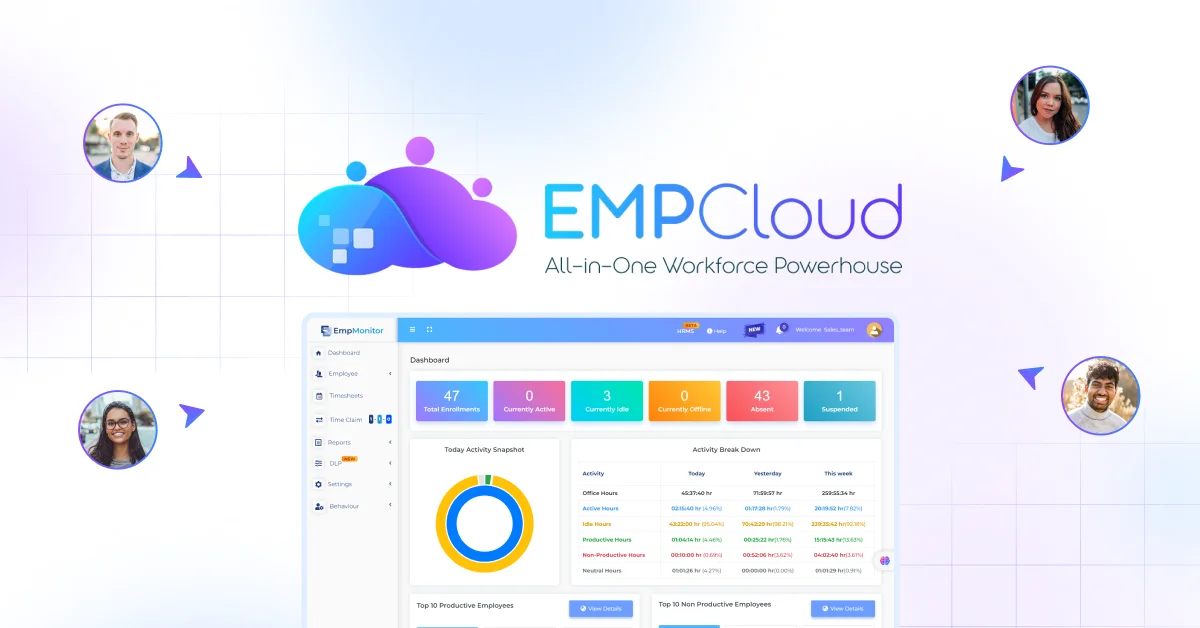
Managing tasks efficiently becomes easier with the right tools. EmpCloud is a modern platform designed to help professionals and teams stay organized, focused, and productive.
Key Features of EmpCloud
- Task Tracking: EmpCloud provides project and task tracking feature, allowing you to assign, monitor, and complete tasks seamlessly, ensuring nothing gets overlooked.
- Kanban Board: Using the Kanban board, you can prioritize tasks in your to-do list and focus on the project that needs the most attention.
- Gantt Chart: Plan and track your projects in a visual format, which allows you to keep track of time, manage resources, and monitor progress at the same time.
- Analytics and Reporting: Track progress and identify bottlenecks to optimize workflow.
By integrating EmpCloud into your daily routine, you can streamline your approach to task prioritization, keep your workload under control, and make informed decisions about which tasks to tackle first. It’s especially helpful for learning how to prioritize tasks in the workplace efficiently and consistently.
Benefits of Consistent Task Prioritization
Regularly prioritizing tasks offers multiple advantages for both individuals and teams:
- Improved Productivity: Focus on high-impact tasks first, completing more in less time.
- Reduced Stress: Clear priorities prevent feeling overwhelmed by competing deadlines.
- Better Decision-Making: Knowing what matters most guides daily choices and long-term planning.
- Goal Achievement: Ensures critical tasks are completed on time, helping reach business and personal objectives.
- Enhanced Team Efficiency: Shared prioritization strategies improve collaboration and accountability.
Consistent prioritization transforms how work gets done, making days more structured, purposeful, and productive.
Prioritizing Tasks in Remote Work Environments
Remote work has become increasingly common, but it brings unique challenges in managing tasks. Without a structured environment, distractions can multiply, making it essential to apply task prioritization techniques effectively.
- Use Digital Task Boards: Tools like EmpCloud help remote teams visualize priorities and track progress.
- Set Clear Deadlines: Communicate deadlines clearly to avoid confusion and missed tasks.
- Daily Check-Ins: Regular briefings help reassess priorities and ensure everyone is aligned.
- Separate Work and Personal Tasks: Maintaining boundaries improves focus and ensures important work gets attention.
By adapting prioritization strategies for remote settings, employees can stay productive and aligned with team objectives.
Combining the Eisenhower Matrix with Other Productivity Techniques
While the Eisenhower Matrix is powerful, combining it with additional productivity strategies can maximize results:
- Time-Blocking: Allocate dedicated time slots for important tasks from Quadrant 2.
- Pomodoro Technique: Focus intensely on a task for 25 minutes, then take a break to maintain energy.
- Kanban Boards: Visual task boards complement the matrix by tracking progress across multiple stages.
- Daily Planning: Start each day by reviewing tasks and assigning them to the appropriate matrix quadrant.
Blending these techniques with the Eisenhower Matrix ensures a comprehensive approach to how to prioritize tasks effectively.
How Prioritization Improves Work-Life Balance?
Effective task prioritization doesn’t just impact productivity at work—it also improves personal life.
- More Free Time: Completing critical tasks efficiently frees up time for personal activities.
- Reduced Stress: Clear priorities prevent last-minute rushes and workplace anxiety.
- Better Focus: You can dedicate energy to both professional and personal goals without distraction.
- Increased Satisfaction: Accomplishing high-priority tasks boosts confidence and motivation.
By mastering prioritizing tasks, professionals can achieve a healthier balance between work and life, making their days more satisfying and less stressful.
Prioritizing Tasks for Teams and Collaboration
Task prioritization is not just for individuals—teams also benefit from clear prioritization strategies. When team members understand which tasks are most important, collaboration becomes smoother, deadlines are met more consistently, and resources are used efficiently.
- Assign Clear Responsibilities: Each team member should know their priority tasks to avoid overlap or confusion.
- Shared Task Boards: Tools like EmpCloud allow teams to visualize who is working on what and the priority of each task.
- Regular Status Updates: Frequent check-ins ensure priorities are adjusted as new tasks or urgent issues arise.
- Collaborative Planning: Involving the team in setting priorities encourages accountability and alignment.
By aligning team priorities, businesses can ensure that efforts focus on high-impact objectives rather than reactive or low-value tasks.
The Role of Deadlines in Task Prioritization
Deadlines are a critical factor in determining how to prioritize tasks effectively. Without clear deadlines, even important tasks can be delayed or ignored.
- Urgent vs. Important: Combine deadlines with the Eisenhower Matrix to differentiate between urgent tasks and those that contribute to long-term goals.
- Realistic Scheduling: Avoid overloading days with tasks that can’t realistically be completed.
- Buffer Time: Leave room for unexpected tasks or changes in priority.
- Tracking Progress: Use tools to monitor deadlines and send reminders, ensuring important tasks aren’t missed.
Integrating deadlines into prioritization strategies ensures tasks are completed on time and reduces the risk of last-minute stress.
Adapting Prioritization During High-Pressure Periods
During peak workloads or high-pressure periods, task prioritization becomes even more critical. Here’s how to stay on track:
- Reassess Priorities Frequently: Circumstances can change rapidly, so review and update priorities daily.
- Focus on High-Impact Tasks: Ensure that the most critical work is completed first, even if less important tasks are postponed.
- Delegate When Possible: Offload tasks that are urgent but don’t require your personal attention.
- Use Technology: Task management tools like EmpCloud can automate reminders and help maintain focus during stressful periods.
Adapting prioritization methods to high-pressure scenarios ensures productivity is maintained without overwhelming stress.
Also Read,
Conclusion
Mastering how to prioritize tasks is essential for personal productivity, team efficiency, and overall workplace success. By using tools like the Eisenhower Matrix, professionals can clearly distinguish between urgent and important tasks, ensuring that time and energy are focused on high-value activities.
Incorporating strategies such as time-blocking, delegation, and regular task reviews further enhances efficiency, while modern platforms like EmpCloud make prioritization simpler and more organized. From managing daily workloads to navigating high-pressure periods, consistent task prioritization reduces stress, improves decision-making, and helps achieve both professional and personal goals.
By committing to these practices, individuals and teams can work smarter, stay organized, and maintain a healthy work-life balance, transforming how tasks are handled day-to-day.
FAQs
1. How often should I review my task priorities?
It’s recommended to review your priorities daily or weekly. This ensures that new tasks, changing deadlines, or shifting goals are reflected in your planning.
2. How can I prioritize tasks when everything feels urgent?
Use the Eisenhower Matrix to distinguish urgent from important tasks. Focus on high-impact activities first and delegate or postpone less critical items.
3. Can prioritization strategies work for teams as well as individuals?
Yes. Shared prioritization frameworks, clear responsibilities, and collaborative tools like EmpCloud help teams align on goals and manage workloads efficiently.
Quick Search Our Blogs
Type in keywords and get instant access to related blog posts.