Utilizing HR Analytics To Enhance Employee Performance. Great teams do not grow via intuition. Leaders make more informed decisions about improving employee performance by utilizing facts and trends. The majority of organizations rely on structured data regarding their workforce to gain a better understanding of employees and how they can contribute to organizational goals. This change has resulted in HR departments using data to make informed decisions rather than assumptions.
Human Resources analytics enables organizations to connect employee data with business performance. By utilizing Human Resources analytics, organizations can make quicker, less risky, and more effective employee decisions. This article outlines what Human Resources analytics is, why Human Resources analytics is important, and how organizations can utilize Human Resources analytics to make informed decisions.
Hit ‘Play’ Button & Tune Into The Blog!
Why Workforce Performance Needs Data-Driven Decisions?
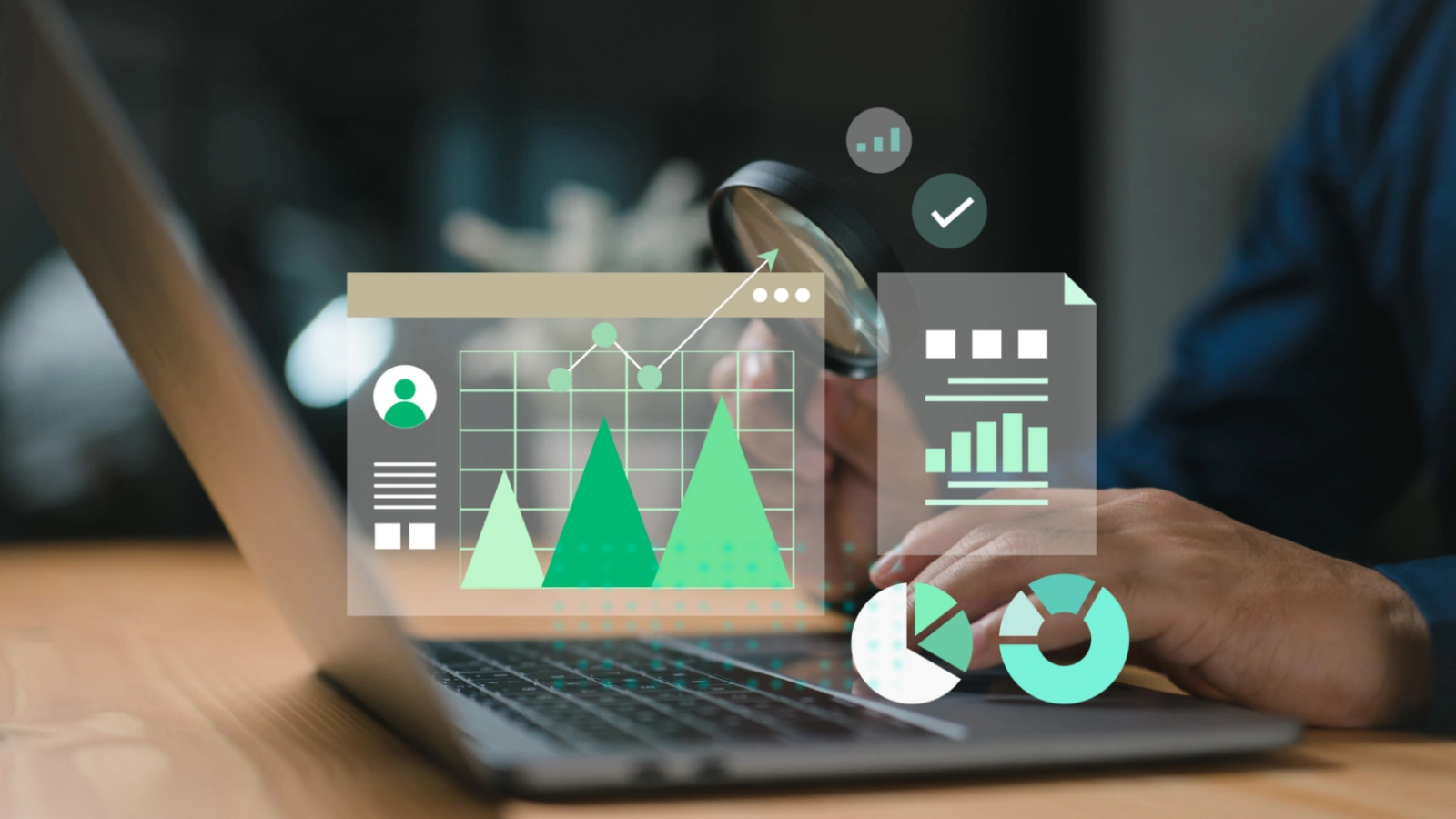
Workforce performance has a proven link to revenue, growth, retention, and customer satisfaction, which makes it extremely valuable. The lack of visibility into employee performance can cause delays, bias, and errors that can be quite costly. Unfortunately, many managers will base their decisions on gut instinct instead of using facts when data is ambiguous or non-existent.
Using Human Resources Analytics enables companies to move from gut instinct to factual evidence. HR teams will have access to attendance patterns, employee productivity, skill deficiencies, and human capital trends. Therefore, leaders will make more insight-based decisions and have greater clarity; this allows them to provide a consistent approach to growth and will enable them to evaluate employees more publicly across their teams.
What Is HR Analytics?
Human Resources analytics refers to the systematic use of employee data to evaluate, predict, and improve workforce outcomes. It focuses on metrics related to performance, attendance, engagement, retention, and workforce costs.
When teams ask what Human Resources analytics is, the answer remains simple. HR analytic converts raw HR data into insights that guide better people decisions. It helps HR leaders understand what drives success and what limits performance.
Human Resources analytics connects workforce behavior with organizational goals. It answers questions such as:
- Which teams perform at peak levels?
- What causes employee turnover?
- How does attendance affect output?
- Which roles require skill development?
This clarity helps leaders take corrective action early.
Difference Between Traditional HR Reporting and HR Analytics
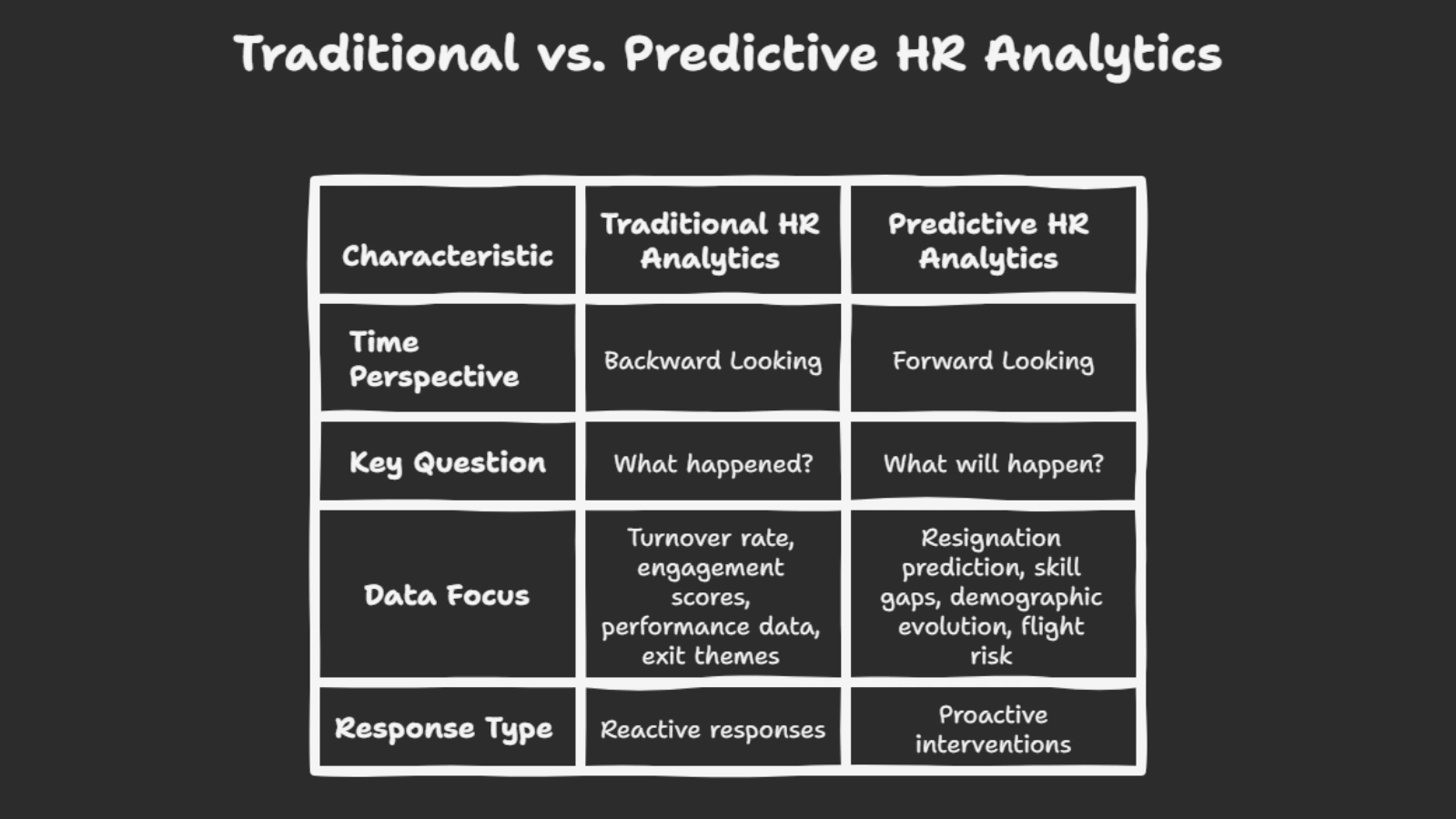
Traditional HR reports only show historical numbers. They list headcount, leave records, and payroll data without deeper analysis. These reports rarely support decision-making.
HR analytics goes further. It identifies patterns, trends, and risks. HR data analytics helps predict outcomes rather than describe past events. Leaders gain insight into future workforce needs and performance challenges.
This shift makes Human Resources analytics a strategic asset rather than a support function.
Role of HR Data Analytics in Workforce Performance
HR data analytics plays a critical role in workforce improvement by linking everyday employee activities with measurable business outcomes and long-term organizational goals.
Organizations use HR analytic to:
- Detect productivity gaps by analyzing employee output, time usage, and performance trends, which helps leaders identify inefficiencies and take corrective action early.
- Identify high-performing employees through consistent performance metrics, goal achievement data, and productivity patterns, allowing organizations to recognize and reward top contributors fairly.
- Reduce absenteeism by monitoring attendance trends and behavioral patterns, enabling HR teams to address root causes before absenteeism affects overall workforce performance.
- Improve engagement by evaluating employee participation, workload balance, and performance consistency, which helps managers take targeted steps to strengthen motivation and morale.
- Support workforce planning by using historical and predictive HR data analytics to forecast staffing needs, skill requirements, and future workforce demands accurately.
HR data analytics allows HR teams to focus on meaningful metrics rather than assumptions. This structured approach strengthens accountability, improves transparency, and supports consistent performance standards across all departments.
Key Workforce Metrics Tracked Through HR Analytics
HR focuses on measurable workforce performance indicators that help organizations evaluate productivity, efficiency, and overall workforce health with clarity and consistency.
Productivity Metrics
HR teams track task completion rates, total work hours, and output quality to understand efficiency patterns and identify performance gaps across teams and roles.
Attendance and Time Usage
HR data analytics identifies late arrivals, idle time, overtime trends, and schedule adherence, which enables leaders to address productivity issues before they affect results.
Performance Scores
Human Resources analytics tools compare predefined employee goals with actual performance outcomes, allowing managers to create fact-based improvement plans and fair evaluations.
Retention and Attrition Rates
Human Resources analytics reveals turnover trends and underlying causes, helping leaders take early action to retain skilled employees and reduce workforce instability.
Workforce Cost Metrics
HR data analytics links payroll expenses, overtime costs, and workforce utilization with performance outcomes to improve budgeting efficiency and resource allocation.
Why HR Analytics Software Matters?
Manual spreadsheets fail to support modern workforce needs. HR teams require speed, accuracy, and visibility.
Human Resources analytics software automates data collection and analysis. It reduces human error and saves time. Teams gain real-time dashboards and actionable insights.
HR analytic software helps organizations:
- Centralize workforce data.
- Track performance trends.
- Generate custom reports.
- Support predictive workforce planning.
Without hr analytic software, HR teams struggle to scale operations.
Also Read:
Workforce Insights: Turning People Data Into Results
How To Unlock Smarter Decisions With Performance Analytics?
Core Features Of Effective HR Analytics Software
Not every platform delivers meaningful value. The most effective Human Resources analytics software includes advanced features that support accurate analysis, faster decisions, and strategic workforce planning.
Centralized Data Management
Human Resources analytics software stores all employee-related data within one secure system, which ensures data consistency, reduces errors, and allows HR teams to access complete workforce information easily.
Real-Time Dashboards
Leaders use real-time dashboards to view workforce metrics instantly, which helps them monitor performance trends, attendance patterns, and productivity without reporting delays.
Custom Reporting
HR teams create customized reports that align directly with organizational goals, enabling focused analysis of workforce performance, costs, and operational efficiency.
Predictive Insights
HR data analytics identifies future risks and opportunities by analyzing historical trends, which helps organizations prepare for attrition, skill shortages, and workload changes.
These features enable HR teams to respond faster, plan more effectively, and make informed workforce decisions with confidence.
How HR Analytic Tools Turn Data Into Action?
HR analytic tools do more than collect numbers. They translate data into insights that support action.
HR analytic tools follow a clear process:
- Data collection from HR systems
- Data validation for accuracy
- Pattern analysis across metrics
- Insight generation for leaders
This process helps organizations align people strategy with business performance.
Best Tools For HR Analytics
Organizations must select tools that align with their size, workforce complexity, and long-term goals. The best tools for Human Resources analytics share essential capabilities that support effective workforce decision-making.
What To Look for in HR Analytic Tools
- Ease of use ensures HR teams and managers can access insights quickly without technical barriers, which improves adoption and encourages consistent data-driven decision-making.
- Scalability allows Human Resources analytics tools to grow with the organization, supporting expanding teams, additional data sources, and increasing workforce complexity over time.
- Real-time insights enable leaders to monitor workforce performance, attendance, and productivity instantly, which supports timely actions and prevents performance decline.
- Secure data handling protects sensitive employee information through role-based access and compliance standards, ensuring trust and regulatory adherence across the organization.
- Integration with HR systems allows seamless data flow between payroll, attendance, performance, and workforce platforms, creating a complete and accurate hr analytic ecosystem.
The best tools for Human Resources analytics empower both HR teams and leadership by delivering reliable insights that guide strategic workforce planning and performance improvement.
How EmpCloud Helps Improve Workforce Performance With HR Analytics?
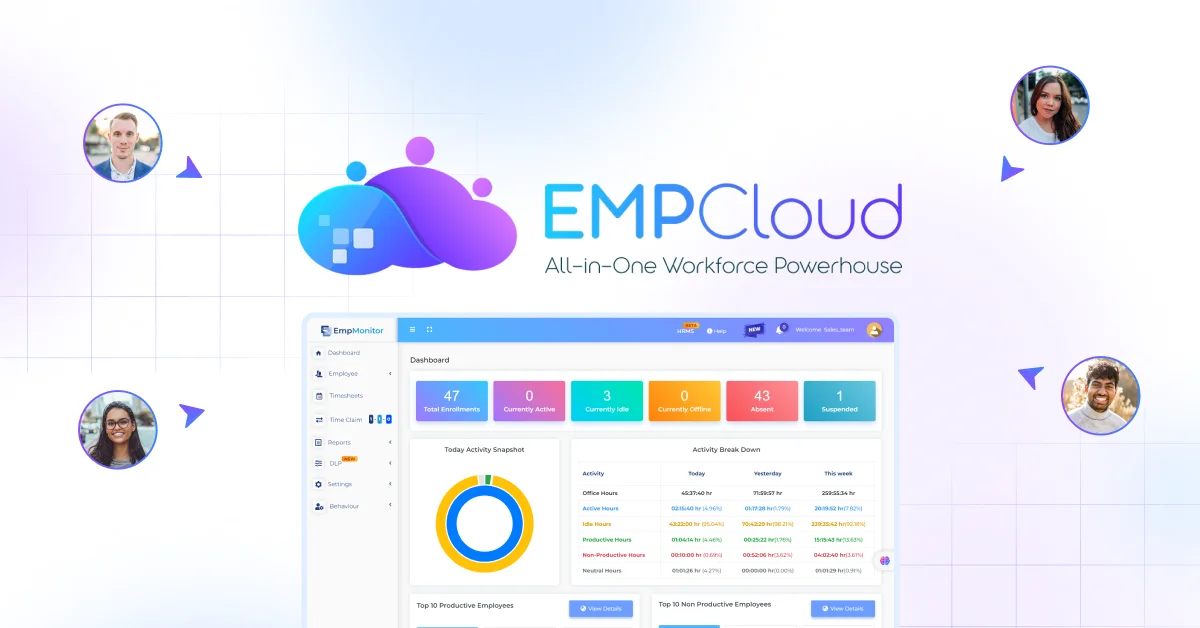
EmpCloud offers a complete workforce management solution that supports data-driven decisions. The platform combines HR analytics with performance tracking, attendance management, and workforce insights.
How EmpCloud Supports HR Analytics
- Centralized HR data analytics dashboard
A unified dashboard that consolidates all HR data, enabling quick analysis, reporting, and visibility across workforce metrics. - Real-time employee performance tracking
Monitor employee performance instantly with live data updates, helping managers address issues and recognize achievements promptly. - Attendance and productivity insights
Gain detailed insights into attendance patterns and productivity levels to optimize schedules, reduce absenteeism, and improve efficiency. - Workforce trend analysis
Analyze workforce trends to identify patterns in attrition, engagement, and growth, supporting proactive workforce planning strategies. - Data-backed decision support
Use accurate, real-time HR data to support strategic decisions, reduce guesswork, and align workforce actions with business goals.
EmpCloud helps organizations turn Human Resources analytics into measurable performance outcomes. HR teams gain full visibility into workforce behavior and productivity.
Using Human Resources Analytics Software To Build High-Performing Teams
High-performing teams require clarity, accountability, and support. Human Resources analytics software provides all three.
HR teams use hr analytics to:
- Set realistic performance goals.
- Identify skill gaps.
- Support targeted training.
- Reward top performers.
Human Resources analytics software aligns individual effort with organizational goals.
How HR Analytics Improves Hiring Decisions?
Hiring mistakes cost time and money. Human Resources analytics reduces this risk.
HR data analytics evaluates past hiring outcomes. HR teams identify traits that predict success. Leaders refine recruitment strategies based on evidence.
This approach improves workforce quality and reduces turnover.
Role Of HR Analytics in Employee Engagement
Engagement affects performance and retention. Human Resources analytics tracks engagement indicators such as attendance consistency, task completion, and feedback patterns.
Human Resources analytics tools help HR teams identify disengaged employees early. Leaders then address concerns before performance declines.
Challenges In HR Analytics Adoption
Despite its benefits, many organizations face difficulties when implementing Human Resources analytics. Understanding these challenges helps HR teams plan solutions effectively.
- Poor data quality creates inaccurate insights and undermines confidence in Human Resources analytics. Incomplete, inconsistent, or outdated employee data can lead to wrong decisions.
- Lack of analytics skills among HR teams limits the ability to interpret data, generate actionable insights, and use Human Resources analytics tools effectively for workforce improvement.
- Resistance to data-driven decisions occurs when leaders and employees prefer traditional judgment over evidence-based insights, slowing adoption and reducing the impact of Human Resources analytics initiatives.
- Tool selection confusion arises when organizations cannot identify Human Resources analytics software that fits their needs, budget, and integration requirements, resulting in wasted resources and delays.
Organizations overcome these challenges by investing in proper training, setting clear analytics objectives, ensuring reliable data sources, and selecting trusted Human Resources analytics tools to guide workforce decisions.
Best Practices For Successful HR Analytics Implementation
Human Resources analytics delivers meaningful results only when organizations follow a structured and strategic approach. Adopting best practices ensures accurate insights and measurable workforce improvements.
- Define Clear Objectives
HR teams must align Human Resources analytics goals with broader business priorities, ensuring that every metric tracked directly supports organizational growth and workforce efficiency. - Focus on Relevant Metrics
Organizations should track only metrics that provide actionable insights, avoiding vanity metrics that offer little value and may create confusion or misdirected efforts. - Train HR Teams
Providing HR teams with proper analytics training ensures accurate interpretation of data, effective use of Human Resources analytics tools, and better decision-making across departments. - Review Insights Regularly
Organizations should continuously monitor and analyze Human Resources analytics reports, using insights to adjust strategies, improve performance, and address emerging workforce challenges proactively.
By following these best practices, organizations unlock the full potential of Human Resources analytics, improve workforce performance, and make consistent, evidence-based HR decisions.
Future Trends In HR Analytics
Human Resources analytics continues to evolve. Organizations now expect predictive insights and real-time analysis.
Future trends include:
- AI-driven HR data analytics
- Predictive workforce planning
- Advanced performance forecasting
- Personalized employee insights
Companies that adopt modern Human Resources analytics tools gain a competitive edge.
Conclusion
Human Resources analytics empowers leaders with clarity. It replaces assumptions with facts and bias with fairness. Organizations that rely on Human Resources analytics build stronger teams, improve productivity, and reduce workforce risks.
HR analytics software, reliable Human Resources analytics tools, and structured hr data analytics together form the foundation of modern workforce success. Platforms like EmpCloud simplify this journey by providing actionable insights under one system.
Teams that invest in Human Resources analytics today prepare for sustainable performance tomorrow.
FAQs
1. What is Human Resources analytics?
Human Resources analytics is the systematic use of employee data to evaluate, measure, and improve workforce performance. It connects employee behavior with business outcomes and helps leaders make data-driven decisions that enhance productivity, engagement, and retention. Human Resources analytics turns raw HR data into actionable insights for strategic workforce planning.
2. Why is Human Resources analytics important for organizations?
Human Resources analytics provides visibility into workforce trends, performance gaps, and employee engagement patterns. By leveraging these insights, organizations can make informed decisions, reduce attrition, identify high performers, and optimize workforce planning, ultimately improving overall business performance and reducing operational risks.
3. How does Human Resources analytics improve employee performance?
Human Resources analytics helps track productivity, attendance, and performance scores, which allows managers to identify gaps and provide targeted support. It also recognizes high-performing employees, guides training programs, and ensures that individual goals align with organizational objectives, boosting overall workforce performance.
4. What are the best tools for Human Resources analytics?
The best tools for Human Resources analytics offer features like centralized data management, real-time dashboards, predictive insights, and secure integration with HR systems. These tools help HR teams and leadership monitor performance trends, analyze workforce data, and make data-backed decisions effectively.
5. How can Human Resources analytics reduce employee turnover?
Human Resources analytics identifies patterns in employee behavior, engagement, and satisfaction. By analyzing these metrics, organizations can detect early signs of disengagement, implement retention strategies, and address concerns proactively, ultimately reducing turnover and retaining top talent.
Quick Search Our Blogs
Type in keywords and get instant access to related blog posts.