

Challenges in project management often surface long after the initial excitement of a new project fades. What starts with a clear goal, a motivated team, and a promising idea can quickly turn into a maze of delays, changing priorities, and communication gaps. As tasks pile up and dependencies grow more complex, teams find themselves dealing with issues they never anticipated, making effective project management harder than it first appeared.
Assigning tasks and establishing deadlines are only two aspects of project management; another is making sure that every moving component remains in sync. Every day, managers manage a variety of tasks, including meeting deadlines, allocating resources, and communicating with the team. When unforeseen problems occur, even the most experienced leaders may struggle to maintain order.
The truth is, every successful project manager knows that problems are inevitable. What makes the difference is how quickly and effectively they’re addressed. By identifying and tackling the most common challenges in project management, organizations can boost productivity, improve collaboration, and ensure that projects are completed on time and within budget.
In the following sections, we’ll explore what these challenges are, why they happen, and how modern tools and strategies can help teams overcome them, turning potential roadblocks into opportunities for growth.
You can listen to this Blog here.
Understanding the Core Challenges in Project Management
Before we dive into solutions, it’s important to understand what makes managing projects so complicated in the first place. Every organization, no matter the size or industry, faces its own set of challenges in project management, but many of them share common roots.
One major issue is scope creep. Projects often start with clear objectives but evolve as stakeholders request new features or changes midway. Without proper control, this can derail timelines and inflate budgets. Then comes poor communication, which remains one of the top project management challenges. Misunderstandings between teams, unclear expectations, or inconsistent updates can lead to missed deadlines and frustration.
Resource management is another crucial component. Productivity drastically decreases when teams are overworked or resources are misused. Project managers frequently find themselves continuously putting out fires rather than concentrating on strategy when unrealistic deadlines or shifting priorities are added.
Additionally, new project management challenges like monitoring remote work, guaranteeing accountability, and upholding transparency are brought about by the increased reliance on digital tools. Many organizations still lack the visibility necessary to identify inefficiencies or how their teams spend their time.
In short, the biggest challenges in project management stem from the complexity of coordinating and balancing people, processes, and technology while keeping everyone aligned toward a common goal. The good news? Each of these challenges can be addressed with the right mindset, methodology, and modern tools.
The Real Impact of These Challenges on Teams and Outcomes
The effects of unresolved challenges in project management go far beyond missed deadlines or budget overruns. They can ripple through an organization, affecting team dynamics, productivity, and even client satisfaction, especially when project risk management is overlooked.
For example, when communication breaks down, team members become unclear about their responsibilities and goals. Minor miscommunications can result in redundant work, competing priorities, or neglected assignments. Team members become less motivated and trusting as a result of this confusion, eventually turning into frustration.
In a similar vein, ineffective resource management frequently leads to burnout. Inefficiency and discontent result when some workers are overworked while others are underutilized. The outcome? Decreased productivity and increased turnover rates.
Financial performance also takes a hit. Unchecked project management issues like scope creep or inaccurate forecasting can quickly inflate budgets and damage profitability. Clients might perceive these problems as a lack of professionalism or reliability, affecting long-term partnerships.
Moreover, without visibility into project progress, leaders struggle to make informed decisions. This reactive approach delays problem-solving and allows small bottlenecks to become major roadblocks—often issues that effective project risk management could have identified earlier.
Ultimately, the biggest cost of failing to address challenges in project management is lost potential. Teams spend more time fixing problems than creating value. Recognizing these patterns early helps organizations pivot toward better planning, smarter communication, stronger project governance, and improved project risk management.
Common Mistakes Project Managers Make
Even the most experienced project managers can fall into traps that make challenges in project management harder to handle. These mistakes often start small but grow into major obstacles if not identified early. Let’s look at a few common pitfalls and how to avoid them.
1. Ignoring Risk Management
Many managers focus heavily on planning and execution but overlook potential risks. When issues like resource shortages or technical glitches arise, teams are caught off guard. The solution lies in proactive planning, anticipating risks, preparing contingency plans, and reviewing them regularly.
2. Overlooking Communication Channels
Using too many communication tools without clear guidelines can cause chaos. Important updates get buried in chats or emails, leading to confusion. Setting a clear communication structure ensures everyone stays aligned and informed.
3. Micromanaging Every Task
While oversight is crucial, excessive control can reduce team creativity and confidence. Trusting team members to take ownership improves productivity and morale while freeing up time for strategic decision-making.
4. Neglecting Performance Tracking
Without visibility into team activity, it’s impossible to measure progress effectively. Using productivity monitoring or employee monitoring software can help project managers track output, identify inefficiencies, and make informed adjustments without constant check-ins.
5. Failing to Prioritize Tasks
Not all tasks carry equal weight. When managers treat every deliverable as urgent, teams lose focus. Using priority matrices or task management systems helps identify what truly drives project success.
By avoiding these mistakes, leaders can minimize challenges in project management and build a more resilient, motivated, and high-performing team.
Smart Strategies to Overcome Project Management Challenges
Every organization faces challenges in project management, but the most successful teams know how to turn them into opportunities for improvement. By adopting the right strategies, project managers can streamline processes, boost collaboration, and maintain control over even the most complex initiatives.
1. Set Clear Goals and Expectations
Start every project with well-defined objectives, timelines, and deliverables. This gives everyone clarity about what needs to be achieved and helps prevent misunderstandings later. A strong foundation minimizes confusion and aligns the team toward common outcomes.
2. Improve Communication Channels
Use centralized communication platforms to keep discussions, files, and updates organized. Consistent check-ins and transparent reporting prevent delays and ensure everyone stays informed—helping teams navigate project management challenges with greater efficiency.
3. Leverage Data and Technology
Incorporate digital tools that offer visibility into workloads, performance, and time allocation. Tools like employee monitoring software help leaders track productivity and identify areas that need attention. Insights derived from these platforms can guide smarter decisions and timely interventions.
4. Prioritize Flexibility and Adaptability
Unexpected issues will always arise. Agile project management approaches allow teams to adjust priorities, redistribute resources, and respond quickly to change. This adaptability ensures progress continues even when plans shift.
5. Encourage Team Ownership
When team members feel accountable for outcomes, they’re more engaged and proactive. Empowering employees to take initiative builds trust and enhances collaboration.
By applying these practices consistently, project leaders can address challenges in project management head-on, creating a culture that values transparency, efficiency, and continuous growth.
How Technology Simplifies Project Management?
Technology has made project management much easier. The right tools help teams track progress, communicate clearly, and work together more efficiently, leading to better outcomes.
Modern project management platforms go beyond task tracking; they provide real-time visibility into workflow, resource allocation, and performance metrics. This helps project managers identify bottlenecks early, balance workloads, and make data-driven decisions that keep projects on track.
Automation is another game-changer. Instead of spending hours on repetitive administrative tasks, teams can automate scheduling, reporting, and notifications. This saves valuable time and reduces the risk of human error, ensuring greater accuracy and consistency across all processes.
Integrating productivity monitoring tools allows managers to analyze how employees spend their time, optimize performance, and foster accountability. Similarly, employee monitoring software can provide insights into engagement levels, helping identify top performers and areas for improvement.
Technology doesn’t just make project management faster it makes it smarter. It empowers teams to collaborate more efficiently, adapt quickly to changes, and focus on what truly matters: delivering value.
Empcloud: A Smarter Way to Overcome Project Management Challenges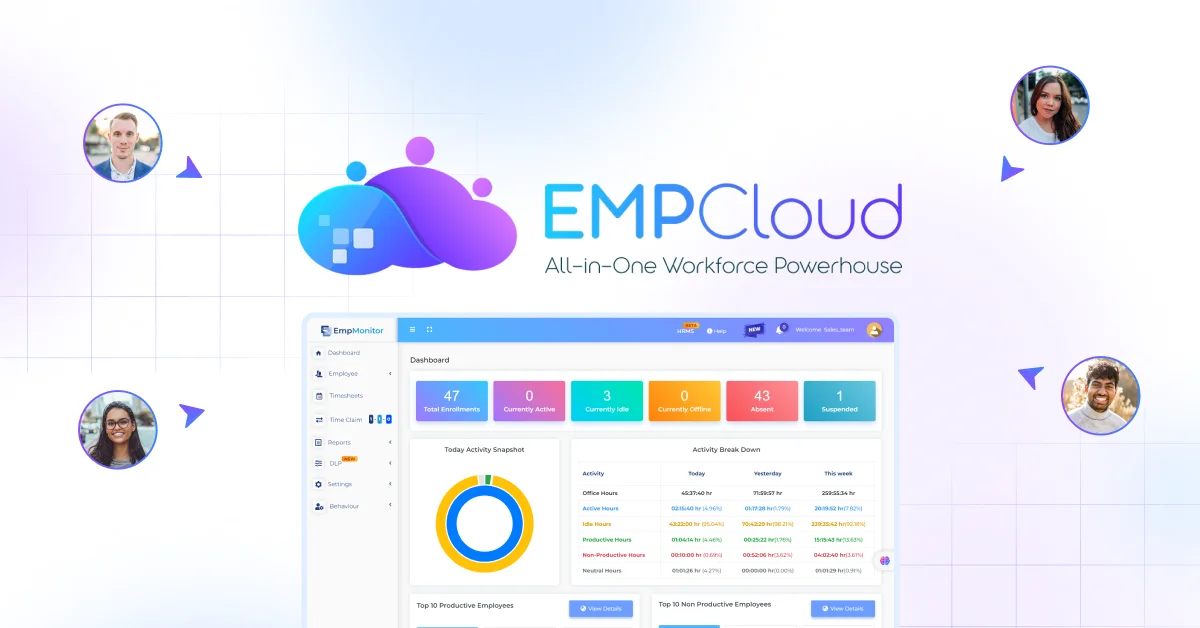
When it comes to managing multiple teams, tight deadlines, and evolving goals, technology can be a powerful ally. That’s where Empcloud steps in a unified platform designed to simplify the toughest challenges in project management through intelligent automation and insightful analytics.
Empcloud helps businesses streamline project workflows by offering tools for productivity monitoring, task tracking, and performance evaluation all in one place. Moreover, it provides tools for HR management, such as an Onboarding tool, Attendance and payroll management, etc.
With real-time data on team activity, project managers gain the visibility they need to make informed decisions, allocate resources efficiently, and prevent bottlenecks before they arise.
What truly sets Empcloud apart is its ability to foster collaboration and accountability across distributed teams. By integrating features for communication, reporting, and monitoring, it bridges the gap between managers and employees ensuring projects stay on schedule and aligned with company objectives.
In essence, Empcloud gives leaders the power to focus on strategy rather than struggle with manual oversight. It transforms project management challenges into structured, data-driven opportunities for growth and optimization.
The Future of Project Management: From Challenge to Opportunity
As businesses evolve, so do the challenges in project management. The future isn’t about eliminating obstacles; it’s about learning how to navigate them more intelligently. With rapid advancements in technology and workplace dynamics, project managers are shifting their focus from managing tasks to enabling innovation.
AI-driven analytics, automation, and real-time insights are reshaping how teams work. Instead of relying solely on manual tracking and guesswork, future-ready organizations will depend on predictive tools that identify risks before they escalate. This proactive approach will allow teams to stay agile and make data-backed decisions with confidence.
Additionally, remote and hybrid work environments are here to stay. That means communication, accountability, and transparency will be more important than ever. Platforms that combine productivity monitoring, collaboration, and performance analytics like Empcloud will become essential for maintaining efficiency and cohesion across global teams.
The next era of project management won’t just focus on meeting deadlines; it will be about creating adaptable systems that grow with the organization. By embracing technology and continuous learning, companies can turn their biggest project management challenges into lasting competitive advantages.
Also read,
How To Strengthen Project Risk Management For Success?
How Do Project Management Statistics Impact Your Bottom Line?
Conclusion
Every organization faces challenges in project management, but overcoming them is what separates successful teams from the rest. From communication breakdowns to poor resource allocation, these hurdles can slow progress—but they don’t have to define your project outcomes. With the right strategies, tools, and mindset, teams can transform complex problems into structured, achievable goals.
Adopting a data-driven approach supported by technology is the key. By leveraging tools like productivity monitoring and employee monitoring software, project managers gain valuable visibility into workflows, performance, and team efficiency. This transparency makes it easier to address issues before they escalate and maintain consistent progress toward objectives.
Platforms such as Empcloud bring all these capabilities together simplifying task management, improving collaboration, and empowering leaders to make informed decisions. In an environment where agility and precision matter more than ever, such solutions enable teams to stay aligned, productive, and resilient.
Ultimately, managing projects isn’t just about ticking boxes it’s about creating harmony between people, processes, and technology. When organizations tackle their project management challenges strategically, they pave the way for stronger teams, smoother operations, and sustainable growth.
FAQs
1. What are some early warning signs of project management failure?
Early warning signs include unclear objectives, poor communication, constant deadline extensions, and frequent changes in project scope. Spotting these indicators early helps project managers take corrective action before the project derails.
2. How can remote teams handle common project management issues effectively?
Remote teams should rely on clear communication channels, transparent reporting, and digital tools that enable real-time visibility. Platforms with built-in productivity monitoring features help managers stay updated on progress without micromanaging.
3. What role does technology play in minimizing project management challenges?
Technology streamlines processes, automates repetitive tasks, and improves data visibility. With tools like employee monitoring software, organizations can track efficiency, manage workloads, and ensure accountability making it easier to overcome operational bottlenecks.
4. How can Empcloud help in improving project management efficiency?
Empcloud helps businesses manage tasks, track productivity, and monitor team performance in one unified platform. It simplifies challenges in project management by providing real-time insights, performance analytics, and automation tools that boost efficiency and collaboration.
Quick Search Our Blogs
Type in keywords and get instant access to related blog posts.