
A data breach happens when sensitive business or personal information is accessed without permission. As companies rely more on digital systems, cloud platforms, and remote work tools, the risk of such incidents has grown significantly.
Many data breach cases today occur due to simple issues like weak passwords, phishing emails, or unpatched software. Even small mistakes can expose valuable data and lead to serious financial and reputational damage.
Understanding how data breaches happen is the first step toward preventing them.
You can listen to this Blog here.
What Happens When Data Gets Exposed?
When confidential data is compromised via unauthorized access, viewing, or sharing with other parties, a data breach has occurred. A data breach can happen when individuals have accessed confidential data such as customer names, email addresses, passwords (including social media), credit/debit card information, and even employee records or documents belonging to the owning organization.
Typically, a data breach does not occur haphazardly. A data breach often begins with one small hole in security, such as someone creating an insecure password or sharing a cloud storage folder publicly, or by someone clicking a link sent through a phishing email. Once an attacker finds a loophole in your organization’s software/application, the attacker will quietly attack that vulnerability until they have access to extensive amounts of sensitive data.
In addition to external hackers, accidental internal data breaches may occur, such as accidentally sending personally identifiable information (PII) to the wrong party, misconfiguring cloud storage, or failing to adequately restrict access to information. Both accidental internal exposures and deliberate external hacking infiltrations have the potential to cause equally severe damage.
The primary reason a data breach can be damaging is because of the way in which the breached data will be used once exposed. While exposed data could potentially be employed for a variety of illegal activities, including fraud, corporate espionage, and identity theft, a severe example of the damage to the affected organization may include legal liability judgments, loss of revenue, and loss of customer or client credibility.
Now that we have taken a look at the definition of what occurs in connection with data breaches, we will take a closer look at the most common reasons why data breaches happen as well as explore real-life examples.
Common Ways Data Breaches Happen
Most data breach incidents don’t start with highly sophisticated attacks. They usually happen because of everyday security gaps that are easy to overlook. Below are the most common ways organizations end up exposing sensitive data.
Weak Passwords and Credential Theft
Using simple or reused passwords is one of the biggest reasons behind a data breach. Cybercriminals often use stolen login credentials from previous leaks to access multiple systems. If multi-factor authentication is not enabled, breaking in becomes even easier.
Phishing and Social Engineering Attacks
Phishing emails trick employees into clicking malicious links or sharing login details. These attacks look legitimate and target human behavior rather than technology. A single successful phishing attempt can give attackers direct access to company systems and lead to a serious data breach.
Unsecured Cloud Storage and Databases
Many businesses store data in the cloud but fail to configure security settings properly. Publicly accessible databases, unprotected file-sharing links, or weak access controls often result in accidental data exposure.
Insider Threats (Intentional or Accidental)
Employees, contractors, or partners can unintentionally cause a data breach by mishandling sensitive information. In some cases, insiders may intentionally misuse access for personal gain or revenge.
Outdated Software and Missing Security Updates
Unpatched systems are easy targets for attackers. When software vulnerabilities are not fixed on time, hackers exploit them to gain unauthorized access and extract data.
Understanding these common entry points helps organizations focus on practical data breach prevention steps rather than reacting after damage is already done.
Data Breach Examples from Real Life
Looking at real-world data breach incidents helps us understand how small security gaps can turn into major problems. These examples show that even large, well-known organizations are not immune.
Example 1: Major Social Media Platform Breach
In one widely reported incident, millions of user profiles were exposed due to a vulnerability in the platform’s data access controls. Attackers exploited this flaw to collect personal information such as names, phone numbers, and email addresses. The breach highlighted how poor access validation can lead to massive data exposure.
Example 2: E-Commerce Company Payment Data Leak
An online retail company experienced a data breach when attackers injected malicious code into its payment system. Customer card details were stolen during checkout without users realizing it. This incident showed how third-party integrations and weak monitoring can create serious risks.
Example 3: Healthcare Database Exposure
A healthcare provider accidentally left a database unsecured on the internet, making patient records publicly accessible. No hacking was involved—just a configuration mistake. This case is a strong reminder that human error is a leading cause of data breaches.
Key Lessons from These Incidents
- Security misconfigurations can be as dangerous as cyberattacks
- Continuous monitoring is essential
- Sensitive data must always have restricted access
These data breach examples in real life clearly show that prevention is far easier and less costly than recovery.
Data Breach Examples in Real Life – Indian Business Context
In India, data breach incidents are becoming more common as businesses rapidly adopt digital tools, cloud platforms, and remote work models. Small and mid-sized organizations are often at higher risk because security is not always prioritized from the start.
Example 1: EdTech Platform User Data Exposure
An Indian EdTech company faced a data breach after user records were found accessible through an unsecured database. Student names, email addresses, and learning activity data were exposed. The issue wasn’t a cyberattack but a lack of proper cloud security settings.
Example 2: Fintech Application Credential Leak
A fintech startup experienced a data breach when employee credentials were compromised through phishing emails. Attackers gained access to internal dashboards and customer information, highlighting how employee awareness plays a critical role in security.
Example 3: MSME Cloud Storage Misconfiguration
Many MSMEs store invoices, employee documents, and customer data on shared cloud drives. In one real-life case, improper access permissions allowed anyone with a link to view sensitive business files, resulting in accidental data exposure.
Why Indian Businesses Are More Vulnerable
- Rapid digital adoption without strong security policies
- Limited cybersecurity budgets and expertise
- Low awareness of data protection best practices
These data breach examples show that strong security controls are no longer optional. Even basic protection measures can significantly reduce risk.
Impact of a Data Breach on Businesses
A data breach can affect a business far beyond immediate data loss. The consequences often unfold over weeks or even months, making recovery difficult and expensive.
Financial Losses and Legal Penalties
One of the most direct impacts of a data breach is financial damage. Businesses may face regulatory fines, legal fees, compensation claims, and costs related to system recovery. For smaller companies, these expenses alone can be overwhelming.
Damage to Brand Reputation and Trust
Customer trust is hard to earn and easy to lose. When a data breach becomes public, customers may hesitate to share their information again. This loss of confidence can directly affect sales, partnerships, and long-term brand value.
Operational Downtime and Productivity Loss
After a breach, businesses often need to shut down systems to investigate and fix security gaps. This leads to operational disruptions, delayed services, and reduced employee productivity.
Long-Term Business Impact
Even after systems are restored, the effects of a data breach can linger. Increased compliance scrutiny, higher insurance costs, and ongoing monitoring requirements can slow down business growth.
Understanding these impacts highlights why proactive data breach prevention is far more effective than dealing with the aftermath.
Early Warning Signs of a Possible Data Breach
A data breach doesn’t always happen overnight. In many cases, there are early signs that indicate something is wrong. Recognizing these warning signals can help businesses respond before serious damage occurs.
Unusual Login Activity
Multiple failed login attempts, logins from unknown locations, or access at odd hours can signal compromised credentials. These are often early indicators of unauthorized access.
Unexpected Data Access or Downloads
If sensitive files are accessed or downloaded without a clear business reason, it may point to a data breach in progress. Monitoring who accesses what data is crucial.
System Performance Issues
Sudden system slowdowns, crashes, or unexplained spikes in network activity can indicate malicious processes running in the background.
Unknown Software or Configuration Changes
The appearance of unfamiliar applications, tools, or changes in system settings may signal that an attacker has already gained access.
Alerts from Security Tools or Users
Sometimes, the first sign of a data breach comes from automated alerts or employees noticing suspicious emails or system behavior.
Catching these signs early can significantly reduce the impact of a data breach and give businesses valuable time to take corrective action.
Data Breach Prevention Measures Every Business Should Take
Preventing a data breach requires a mix of smart policies, employee awareness, and the right technology. While no system is completely risk-free, these measures can drastically reduce exposure.
Strengthen Access Controls
Limit access to sensitive data based on roles and responsibilities. Not every employee needs access to all information. Strong password policies and multi-factor authentication add an extra layer of protection.
Train Employees on Security Awareness
Human error is a leading cause of data breaches. Regular training helps employees recognize phishing emails, suspicious links, and unsafe file-sharing practices. Awareness is one of the most effective data breach prevention measures.
Secure Cloud Storage and Endpoints
Ensure cloud platforms, shared drives, and endpoints are configured correctly. Data should never be publicly accessible by default, and permissions should be reviewed regularly.
Monitor Systems Continuously
Real-time monitoring helps detect unusual behavior early. Logs, alerts, and audits play a key role in data breach prevention by identifying threats before they escalate.
Keep Software and Systems Updated
Applying security patches on time closes known vulnerabilities. Outdated systems are easy targets for attackers and often lead to avoidable data breach incidents.
These data breach prevention measures form the foundation of a strong security strategy and help businesses stay one step ahead of threats.
Role of Technology in Data Breach Prevention
Technology plays a critical role in reducing the risk of a data breach, especially as businesses handle increasing volumes of digital information. Manual controls alone are no longer enough to protect sensitive data.
Centralized Visibility and Monitoring
Modern security tools provide a centralized view of user activity, system access, and data movement. This visibility helps organizations quickly identify suspicious behavior that could lead to a data breach.
Access Tracking and Audit Trails
Technology enables detailed logs of who accessed which data and when. These audit trails are essential for detecting unauthorized access and supporting compliance requirements.
Automated Policy Enforcement
Security platforms can automatically enforce access rules, block risky behavior, and alert administrators when policies are violated. Automation reduces human error, a common cause of data breaches.
Secure Remote and Cloud Work Environments
With remote work becoming common, technology ensures secure access to systems from different locations. Encrypted connections and endpoint controls help prevent data leakage.
When combined with strong policies, the right technology becomes a powerful layer of data breach prevention rather than just a reactive defense.
How EmpCloud Helps Reduce Data Breach Risks?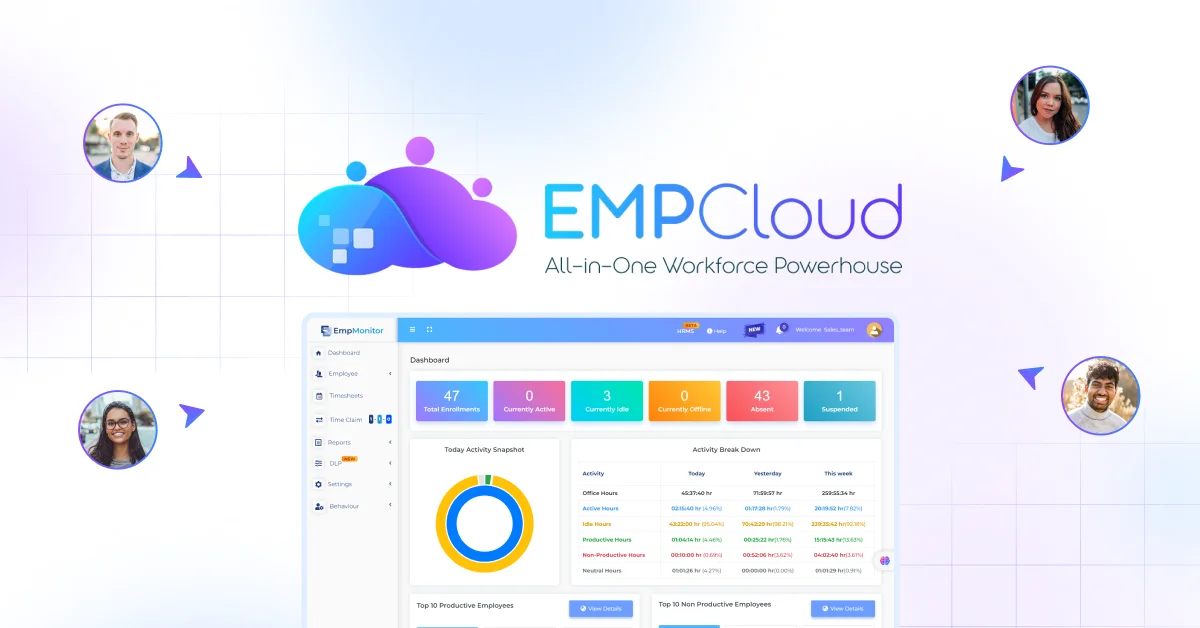
Managing security across employees, devices, and cloud systems can be complex. This is where you need monitoring tools to ensure security in your organization. If you are looking for one, EmpCloud is one of the best solutions you must check.
EmpCloud provides a suite of workforce management tools, which include employee monitoring software—EmpMonitor. This tool can help you monitor any internal or external data breaches.
It provides features such as-
Centralized Access Control
This helps businesses manage who can access sensitive data from a single platform. By applying role-based access, organizations ensure that employees only see the information they actually need—reducing the chances of unauthorized exposure.
Real-Time User Activity Visibility
One of the biggest challenges in preventing a data breach is not knowing what’s happening inside systems. This tool provides clear visibility into user actions, making it easier to detect unusual behavior early and respond quickly.
Secure Remote and Cloud Operations
With remote work and cloud usage on the rise, it helps secure access across locations and devices. This reduces risks associated with unsecured endpoints, shared credentials, and unmanaged cloud access.
Compliance-Friendly Monitoring
This software supports audit trails and monitoring that help businesses meet compliance requirements. Having proper logs and controls in place not only helps during audits but also strengthens overall data breach prevention.
By combining visibility, control, and simplicity, EmpCloud helps organizations move from reactive security to proactive data protection.
Best Practices to Stay Safe from Data Breaches
Staying protected from a data breach is an ongoing process, not a one-time setup. Along with tools and policies, consistent best practices help build a strong security culture.
Follow the Principle of Least Privilege
Only give employees access to the data they absolutely need. Regularly review and remove unnecessary permissions to reduce exposure.
Use Strong Authentication Methods
Enforce strong passwords and multi-factor authentication across all systems. This simple step can stop many data breach attempts before they start.
Regularly Review Access and Activity Logs
Monitoring logs helps spot unusual behavior early. Regular reviews make it easier to catch potential risks before they turn into serious incidents.
Secure Third-Party Access
Vendors and partners often require system access. Limiting and monitoring third-party permissions is a key part of effective data breach prevention.
Build a Security-First Culture
Encourage employees to report suspicious emails, links, or system behavior. A proactive team is one of the strongest defenses against data breaches.
Following these practices consistently helps organizations stay resilient against evolving threats.
Also read,
Staying Ahead of Data Breach Threats
A data breach can happen to any organization, regardless of size or industry. As businesses continue to rely on digital systems, the risk of data exposure will only grow. However, most breaches are preventable with the right awareness, controls, and technology.
By understanding how data breaches happen, learning from real-life examples, and applying practical data breach prevention measures, organizations can significantly reduce their risk. Investing in employee training, strong access controls, and continuous monitoring makes security a proactive effort rather than a reaction to damage.
Tools like EmpCloud further strengthen this approach by providing visibility, control, and compliance-ready monitoring. Staying ahead of data breach threats isn’t about fear—it’s about preparedness and smart decision-making.
FAQs
What is the most common cause of a data breach?
Human error, such as weak passwords and phishing attacks, is one of the most common causes of a data breach.
Can small businesses experience data breaches?
Yes. Small businesses are often targeted because they may lack strong security controls, making them more vulnerable to data breaches.
How often should security systems be reviewed?
Security systems and access controls should be reviewed regularly, ideally on a monthly or quarterly basis, and immediately after any major system change.
Quick Search Our Blogs
Type in keywords and get instant access to related blog posts.