
Work is no longer defined by fixed office hours or a single location. Over the past few years, businesses have started rethinking how teams operate, and employees now expect more control over when and where they work. This shift has made flexible work arrangements a major part of modern workplace strategy. Companies are moving away from rigid structures and exploring models that allow employees to balance productivity with personal needs.
From hybrid setups to adjusted working hours, organizations are realizing that flexibility is not just a perk it’s becoming a necessity for attracting and retaining talent in a competitive market.
At the same time, businesses are also focusing on how to maintain efficiency, communication, and accountability while adopting these new models. This balance is shaping how workplaces are evolving in 2026.
Listen To The Blog Post!
What Are Flexible Work Arrangements?

Flexible Work Schedule refers to work models that allow employees to have more control over when, where, and how they work, instead of following a strict 9-to-5 office schedule. These arrangements are designed to balance business needs with employee well-being and productivity.
In most modern workplaces, flexible work arrangements can include options like remote work, hybrid schedules, flexible working hours, or compressed workweeks. The idea is to shift the focus from physical presence to actual output and performance.
Unlike traditional setups, these models give employees the freedom to manage their time more effectively while still meeting job expectations. For employers, it helps create a more adaptable and resilient workforce that can respond better to changing business demands.
As organizations continue to evolve, flexible work arrangements are becoming less of an exception and more of a standard approach to work design.
Types of Flexible Work Arrangements
There isn’t a single model for flexibility organizations often use a mix of approaches depending on their structure, goals, and workforce needs.
One common type is remote work, where employees work entirely from outside the office, often from home or another location of their choice. This setup focuses on results rather than physical presence.
Another widely used model is hybrid work, which combines in-office and remote work. Employees split their time between working at the office and working remotely, offering a balance between collaboration and flexibility.
As hybrid work continues to grow, businesses need flexible workspace options that allow employees to collaborate effectively while maintaining the freedom of remote work. Companies seeking a professional environment with adaptable office solutions can explore Servcorp for access to coworking spaces, meeting facilities, and business amenities in Chicago.
Some companies also adopt flexible working hours, where employees are not restricted to a fixed schedule but are expected to complete their required hours or tasks within a broader time window.
There are also compressed workweeks, where employees work longer hours over fewer days, giving them additional days off while still completing full-time hours.
These different models show how flexible work arrangements can be tailored to suit both business operations and employee preferences, rather than following a one-size-fits-all approach.
Benefits of Flexible Work Arrangements
One of the biggest advantages of flexible work arrangements is improved employee satisfaction. When people have more control over their schedules, they can better balance personal responsibilities and work commitments, which often leads to higher morale.
Another key benefit is increased productivity. Many employees perform better when they can choose working hours that match their focus levels, rather than being restricted to fixed office timings.
These arrangements also help companies reduce turnover. Employees are more likely to stay with organizations that trust them with flexibility and support a healthier work-life balance.
For businesses, it can also lead to lower operational costs, especially when hybrid or remote models reduce the need for large office spaces and daily on-site resources.
Overall, flexible work arrangements create a more motivated workforce while helping organizations stay competitive in a changing work environment.
Challenges of Implementing Flexible Work Arrangements

While flexible work arrangements offer many benefits, implementing them is not without challenges. One of the most common issues is maintaining clear communication. When teams are distributed across locations or working different schedules, it can become harder to stay aligned on tasks and priorities.
Another challenge is ensuring accountability. Without a structured system in place, managers may find it difficult to track progress or measure performance consistently across teams.
Collaboration can also become more complex. Spontaneous discussions and quick decision-making are often easier in traditional office settings, and replicating that level of interaction in flexible setups requires planning and the right tools.
Security and data protection are additional concerns, especially when employees access company systems from multiple locations and devices.
Despite these challenges, many organizations are finding that with the right structure and processes, flexible work arrangements can be successfully managed and scaled.
Flexible Work Arrangements Best Practices
To make flexible work arrangements successful, companies need more than just policy changes—they need clear structure and consistent execution.
One of the most important practices is setting clear expectations from the start. Employees should understand deliverables, deadlines, and communication guidelines so there is no confusion about responsibilities.
Regular check-ins also play a key role. Instead of micromanaging, managers can focus on short, structured updates that keep teams aligned without disrupting flexibility.
It’s also important to create strong communication channels. Teams should know where to collaborate, how to share updates, and when to escalate issues to avoid delays or miscommunication.
Another best practice is focusing on outcomes rather than hours worked. This shift helps build trust and ensures employees are evaluated based on results, not just time spent online.
When applied correctly, these flexible work arrangements practices help organizations maintain productivity while giving employees the freedom they need to perform at their best.
How to Implement Flexible Work Arrangements
Implementing flexible work arrangements requires a structured approach rather than an overnight shift. The goal is to balance employee freedom with business efficiency.
The first step is to assess organizational readiness. Companies need to understand which roles can support flexibility and what level of autonomy different teams can handle without affecting output.
Next, clear policies should be defined. This includes guidelines on working hours, availability, communication expectations, and performance measurement. Without clarity, flexibility can quickly turn into inconsistency.
Training managers is also essential. Leaders need to adapt from time-based supervision to outcome-based evaluation, focusing on results instead of physical presence.
Technology plays a critical role as well. Businesses need systems that support collaboration, task tracking, and communication across distributed teams.
Finally, it’s important to start small, test different models, and refine based on feedback before scaling organization-wide.
When implemented thoughtfully, flexible work arrangements can improve both employee experience and overall business performance.
How Flexible Work Arrangements Impact Company Culture
Workplace culture is often shaped by daily interactions, communication styles, and shared routines. When flexible work arrangements are introduced, these dynamics naturally shift.
Instead of constant in-person interaction, teams rely more on structured communication and intentional collaboration. This encourages clearer documentation, better planning, and more focused discussions.
At the same time, companies need to be more deliberate about maintaining connection and trust. Without a shared physical space, culture is built through consistency, transparency, and how well teams stay aligned.
When managed properly, flexible work arrangements can actually strengthen culture by promoting autonomy and accountability rather than control and presence.
Role of Technology in Supporting Flexible Work Arrangements
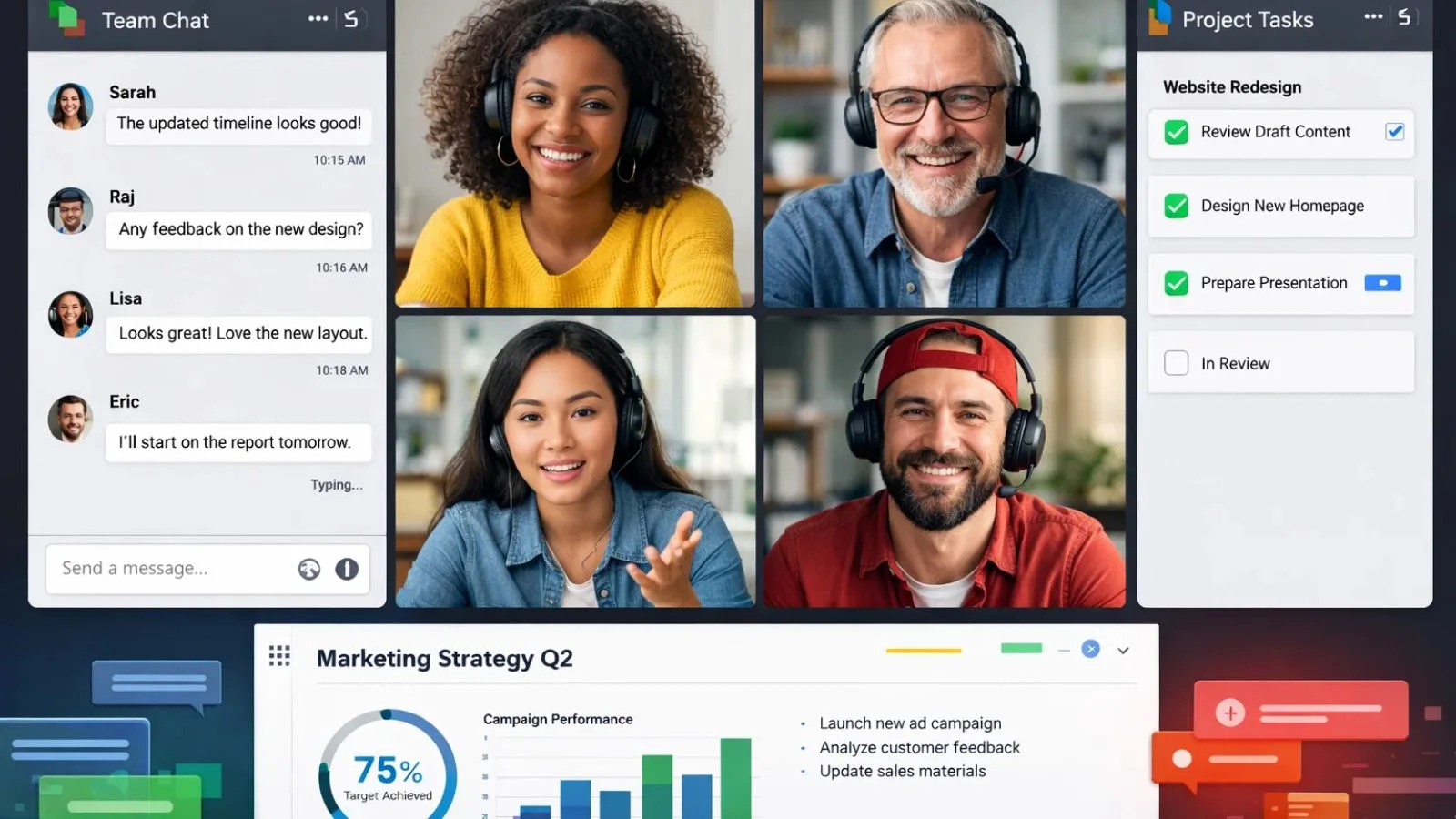
Technology is the backbone of modern flexible work arrangements. Without the right systems in place, managing distributed teams becomes difficult and inefficient.
Tools for communication, task tracking, and workflow management help ensure that employees stay connected and aligned regardless of location.
Cloud-based platforms make it easier to access documents, share updates, and collaborate in real time, reducing delays and miscommunication.
As companies scale flexibility, technology becomes essential not just for convenience but for maintaining structure, visibility, and performance consistency across teams.
Measuring Success in Flexible Work Models
One of the most important aspects of flexible work arrangements is knowing how to measure success beyond traditional office-based metrics.
Instead of tracking hours spent at a desk, organizations focus on outcomes such as task completion, project delivery, and quality of work.
Employee engagement and retention rates also become key indicators of whether the model is working effectively.
Regular feedback loops help identify gaps and improve processes over time, ensuring that flexibility continues to support both employees and business goals.
Future Trends in Flexible Work Arrangements
The future of flexible work arrangements is expected to become even more personalized and data-driven.
Companies are moving toward hybrid models that are tailored to specific roles rather than applying a single structure across the entire organization.
There is also a growing focus on employee experience, where flexibility is combined with wellness, productivity insights, and smarter collaboration tools.
As work continues to evolve, flexibility will no longer be seen as an option it will be a standard expectation in most industries.
Also Read:
How EmpCloud Supports Flexible Work Arrangements
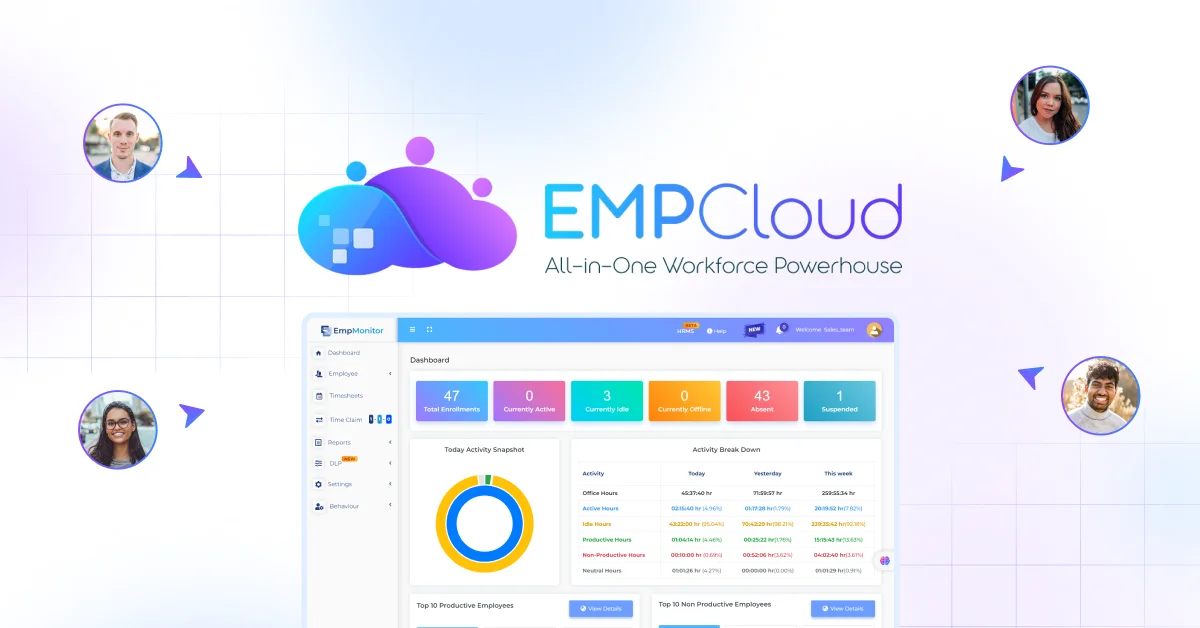
Managing flexible work arrangements effectively requires more than just policies it requires the right operational system to keep teams aligned and productive.
EmpCloud helps organizations simplify this shift by bringing workforce management, communication, and task coordination into one unified platform.
It enables managers to assign work, track progress, and maintain visibility across distributed teams without micromanaging. Employees, on the other hand, get clarity on tasks, deadlines, and expectations regardless of where they work.
By centralizing workflows, EmpCloud reduces confusion, improves accountability, and ensures that flexibility does not come at the cost of productivity.
For businesses adopting modern work models, it acts as a practical foundation to support scalable and structured flexible work arrangements.
Statistics and Trends in Flexible Work Adoption
The adoption of flexible work arrangements has increased significantly in recent years as companies adapt to changing employee expectations and global work shifts.
Industry reports from major workforce surveys consistently show that hybrid and remote models are now widely accepted across many sectors, especially in knowledge-based industries such as IT, marketing, and finance.
Research also indicates that a large share of employees prefer roles that offer flexibility over strictly office-based positions. This preference has become one of the key factors influencing job choice and retention.
At the organizational level, many companies report that introducing flexible work arrangements has helped improve employee retention and reduced turnover-related costs, especially in competitive talent markets.
Impact on Productivity and Business Outcomes
Multiple workplace studies have found that flexible work arrangements can maintain or even improve productivity when properly structured.
Employees often report better focus and time efficiency when given control over their work environment and schedule, especially in hybrid and remote setups.
However, the same studies also highlight an important factor: flexibility works best when paired with clear goals, communication systems, and accountability frameworks.
Businesses that implement structured flexibility tend to see stronger performance outcomes compared to those that adopt flexible models without proper planning or systems in place.
Overall, the evidence suggests that flexible work arrangements can positively influence both employee performance and business efficiency when managed effectively.
Conclusion:
Workplaces in 2026 are clearly moving toward more adaptable and employee-focused models, and flexible work arrangements are at the center of this shift. What started as a response to changing work conditions has now become a long-term strategy for improving how businesses operate.
From increasing productivity and improving employee satisfaction to reducing costs and attracting top talent, the benefits are difficult to ignore. At the same time, successful implementation depends on structure, clear communication, and the right systems to support distributed teams.
As organizations continue to evolve, flexible work arrangements will no longer be viewed as an optional perk but as a standard way of working across industries. Companies that adapt early are more likely to stay competitive, resilient, and aligned with modern workforce expectations.
FAQs
1. What are flexible work arrangements?
Flexible work arrangements are work models that allow employees to have more control over when, where, and how they work instead of following a strict office schedule.
2. What are the main benefits of flexible work arrangements?
The key benefits include better work-life balance, improved productivity, higher employee satisfaction, and reduced operational costs for businesses.
3. What are the different types of flexible work arrangements?
Common types include remote work, hybrid work, flexible working hours, and compressed workweeks, depending on company policy and job roles.
4. How do companies implement flexible work arrangements?
Companies typically start by defining clear policies, setting performance expectations, using the right tools, and training managers to focus on outcomes rather than hours worked.
5. Are flexible work arrangements effective for all industries?
Not all roles can fully adopt flexibility, but many industries, especially the knowledge-based sector, can successfully implement partial or hybrid models.
Quick Search Our Blogs
Type in keywords and get instant access to related blog posts.