When an employee decides to leave a company, there is one final step that often gets overlooked: the exit interview. Understanding the exit interview meaning is more important than most people realise. At its core, it is a structured conversation between the departing employee and HR to gather honest feedback about their experience. This feedback helps the company understand what went wrong, what went right, and how to improve things moving forward. Exit interviews are not just a formality; they are a real opportunity for organisations to grow, retain better talent in the future, and build a healthier work culture. In this blog, we will break down everything you need to know about exit interview meaning, its purpose, types, questions, best practices, and much more.
Listen To The Podcast Now!
What Does Exit Interview Mean?
Exit Interviews: Meaning, Why Companies Conduct Them:
Exit interviews meaning, in an organisational context, are closely tied to workforce strategy. Companies conduct these interviews to identify the root causes of employee turnover and take corrective action.
Here is why businesses find them so valuable:
- Understanding Turnover Patterns: When multiple employees cite similar reasons for leaving, it signals a systemic issue. Exit interviews help HR teams spot these patterns early and address them before they affect more people.
- Improving Retention: The data collected helps organisations improve their policies, compensation structures, management practices, and work environment to better retain future employees.
- Protecting Employer Brand: When employees feel heard, even on their way out, they are more likely to speak positively about the company to others. This directly impacts your ability to attract top talent in the future.
- Knowledge Transfer: Departing employees carry institutional knowledge. Exit interviews can capture useful insights, project handover details, and process recommendations that benefit the remaining team.
- Legal and Compliance Protection: In some cases, the exit interview meaning extends to identifying potential legal risks, such as discrimination or harassment, that might not have been formally reported earlier.
What Is the Meaning of Exit Interview in Different Formats?
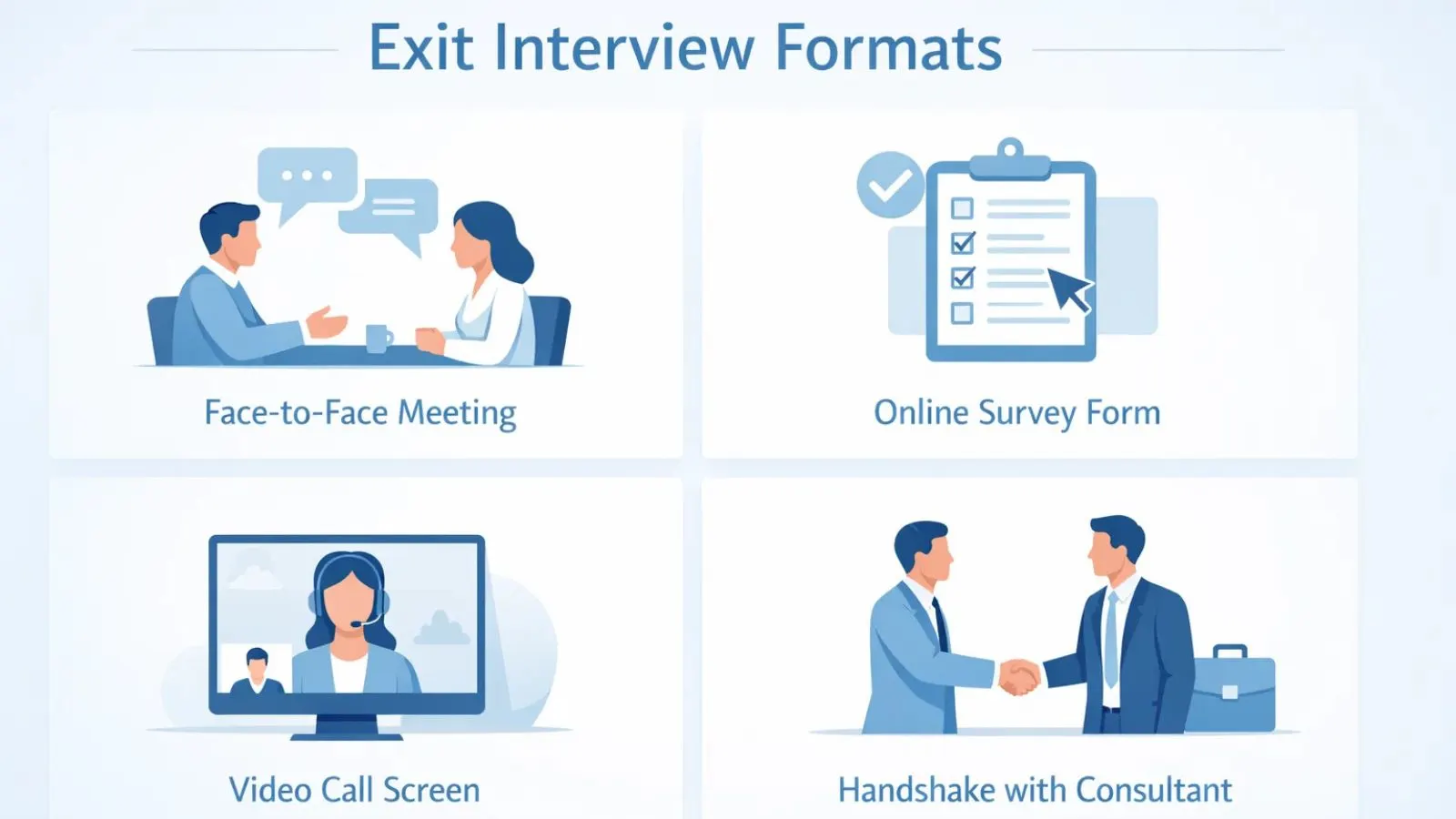
What is the meaning of an exit interview when it comes to format? There is no single approach; organisations can choose from several formats based on their culture and resources.
- In-Person Exit Interview: This is the most traditional format. A face-to-face meeting with an HR representative creates a comfortable environment for open conversation. It allows the interviewer to pick up on body language and follow up on important points.
- Written Questionnaire or Survey: Many companies prefer sending a structured survey to the departing employee. It is less time-consuming, easier to analyse at scale, and allows employees to respond honestly without any social pressure.
- Video or Phone Interview: Especially useful for remote workers, this format offers a middle ground between personal interaction and logistical simplicity.
- Third-Party Conducted Interviews: Some organisations hire external consultants to conduct exit interviews. Employees often feel more comfortable sharing honest feedback with someone outside the company hierarchy.
Each format has its pros and cons, but the core exit interview meaning remains the same: capturing genuine feedback before the employee walks out the door.
What Do You Mean by Exit Interview: Key Questions Asked:
What do you mean by exit interview in terms of what is actually discussed? Here are the key questions typically asked:
- Reason for Leaving: This is the foundational question. Understanding whether the employee is leaving for better pay, career growth, personal reasons, or workplace issues helps HR prioritise what needs to change.
- How Was Your Relationship with Your Manager? Management is one of the top reasons employees quit. This question reveals whether leadership quality is a contributing factor.
- Were You Satisfied with Your Career Growth Opportunities? Lack of professional development is a major driver of voluntary turnover, especially among high performers.
- How Would You Describe the Work Culture? This helps identify whether the cultural environment supports employee well-being and collaboration.
- What Could the Company Do Better? Open-ended questions like this invite the most candid and constructive feedback.
- Would You Recommend This Company to Others? This question acts as a quick gauge of the overall employee experience and employer brand perception.
Understanding the exit interview meaning through these questions paints a full picture of what drives employees away and what needs to be fixed.
The Connection Between Exit Interviews and Employee Retention:
One of the most practical applications of the exit interview meaning is using it to directly influence retention strategies. The insights gathered are only as valuable as the actions taken after. When HR teams analyse exit interview data consistently, they begin to see clear trends. If ten employees in six months all say they left because promotions were unclear or inconsistent, that is a direct signal to fix the appraisal system.
If a specific department has unusually high turnover, that data can trigger an internal review of leadership. The exit interview meaning truly comes alive when companies close the loop, meaning they not only collect feedback but also act on it, communicate changes internally, and measure whether those changes reduce turnover over time. Retention strategies built on exit interview data tend to be far more targeted and effective than generic HR initiatives because they are rooted in real employee experiences.
Common Mistakes Organisations Make During Exit Interviews:
Even when companies understand the exit interview meaning, they often make mistakes that reduce the value of the process.
- Conducting It Too Late: Scheduling the exit interview on the employee’s last day, when they are mentally already checked out, results in rushed and shallow responses. It is better to conduct it a week or two before departure.
- Making It Feel Like an Interrogation: If the tone is defensive or accusatory, the employee will shut down and give vague answers. The environment should feel safe, neutral, and non-judgmental.
- Ignoring Anonymous Responses: Some employees fear retaliation even after leaving, especially if they are in the same industry. Offering anonymity leads to far more candid and useful feedback.
- Not Training HR for Exit Interviews: Conducting a meaningful exit interview requires skill. HR professionals need to be trained in active listening, neutral questioning, and data documentation.
- Collecting Data but Never Acting On It: This is the biggest mistake. If feedback sits in a spreadsheet and nothing changes, the exit interview meaning is completely lost, and employees will sense this over time.
Also Read:
How EmpCloud Makes Exit Management Seamless:
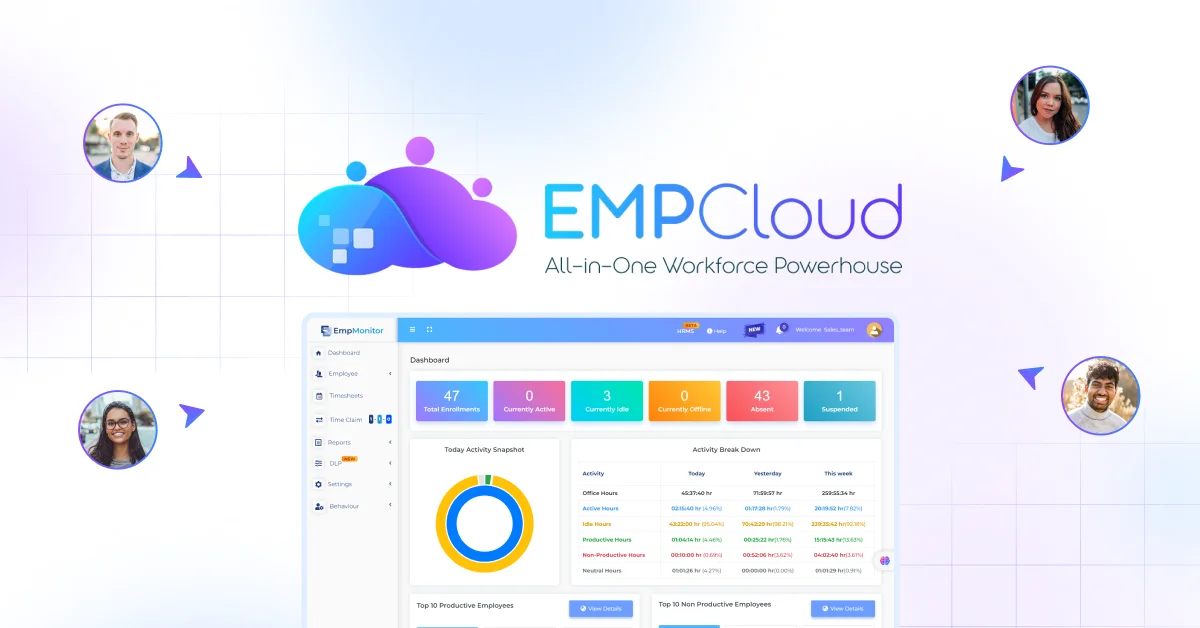
Managing exit interviews and offboarding manually can be time-consuming, inconsistent, and error-prone. This is where EmpCloud, a complete workforce management suite, becomes a game-changer for HR teams. EmpCloud’s Exit & Portfolio Management module is specifically built to simplify and streamline the entire exit process, making it easier to capture, organise, and act on critical employee feedback.
Here is how EmpCloud supports your exit interview process:
- Structured Exit Workflows: Automate exit formalities so that nothing gets missed, from documentation to clearance checklists.
- Employee Portfolio Management: Maintain records of the employee’s professional journey, including projects, performance metrics, and recognitions, even after they leave.
- Data-Driven Insights: Access exit interview data through reports and analytics that help HR spot trends and make smarter retention decisions.
- Seamless Offboarding Experience: Ensure departing employees have a smooth and professional exit, which protects your employer brand.
- Integration with Full HR Suite: EmpCloud connects exit management with HRMS, performance management, payroll, and recruitment, so offboarding feeds directly into onboarding improvements.
Trusted by global companies like Wipro, Tata Projects, Cognizant, and Airtel, EmpCloud is built for businesses of every size. You can explore it at empcloud.com and start a free trial today.
Best Practices for Conducting Effective Exit Interviews:
Now that you understand the meaning of an exit interview and its purpose, here are some best practices to make them truly effective.
- Schedule Early: Plan the interview at least one to two weeks before the employee’s last working day. This ensures they are still engaged and willing to share detailed feedback.
- Use a Neutral Interviewer: Ideally, the exit interview should be conducted by an HR representative or a neutral party, not the departing employee’s direct manager.
- Standardise the Process: Use a consistent set of questions across all exit interviews so the data can be compared and analysed meaningfully over time.
- Keep It Confidential: Clearly communicate to the employee that their responses will be kept confidential and used only for internal improvement purposes.
- Document and Analyse: Every exit interview should be properly documented. Regularly review and analyse the data; look for trends across departments, roles, tenure lengths, and demographics.
- Follow Up with Change: Perhaps the most critical best practice. Use the insights to make real changes and communicate those changes to your existing workforce. This signals that you value employee feedback, even on the way out.
When these practices are followed consistently, the exit interview meaning transforms from a routine HR checkbox into a powerful strategic tool.
Exit Interview vs Stay Interview: What Is the Difference?

Many organisations focus so much on exit interviews that they overlook another equally valuable tool, the stay interview. Understanding the difference helps clarify the full exit interview meaning in the broader context of employee engagement. An exit interview happens when an employee is leaving. A stay interview happens while an employee is still employed and engaged.
The goal of a stay interview is to understand what makes them stay and what might eventually push them to leave before that point is reached. Both serve the same master goal: improving employee experience. But the exit interview is reactive, while the stay interview is proactive. The smartest organisations use both in combination, using exit interview data to shape the questions they ask in stay interviews.
Conclusion:
Understanding the exit interview meaning is the first step toward building a workplace where people genuinely want to stay. Exit interviews are not about blame; they are about learning. When handled with care, they provide invaluable insights that help organisations reduce turnover, improve culture, and build stronger teams. The exit interview meaning is ultimately about respect, giving departing employees a voice, and using that voice to create a better experience for everyone who comes after them. If your organisation is not yet running structured exit interviews, now is the time to start.
FAQ’s:
Q1. What is the meaning of an exit interview in simple terms?
Ans: It is a structured conversation with a departing employee to understand why they are leaving and gather feedback about their experience at the company.
Q2. Are exit interviews mandatory?
Ans: No, they are typically voluntary. However, they are highly recommended, as they provide critical insights for improving retention and workplace culture.
Q3. Who should conduct an exit interview?
Ans: Ideally, a neutral HR representative, not the employee’s direct manager, should conduct the interview to ensure honest and unbiased responses.
Q4. How long does an exit interview typically take?
Ans: Most exit interviews last between 30 and 60 minutes, depending on the format and the depth of questions asked.
Q5. Can exit interview data really reduce employee turnover?
Ans: Yes, when organisations consistently act on exit interview feedback, they can significantly reduce avoidable turnover by addressing the root causes employees identify.
Quick Search Our Blogs
Type in keywords and get instant access to related blog posts.