Employee life cycle management often gets attention only after something goes wrong.
A valued employee resigns. Engagement scores drop. Turnover spikes unexpectedly. Leadership asks what happened.
But most resignations don’t stem from a single event. They emerge from small compounding experiences, unclear expectations, stalled growth, inconsistent feedback, or feeling overlooked. None of these seems dramatic in isolation. Together, they create momentum toward the exit door.
That’s where lifecycle thinking shifts the conversation.
Instead of asking why someone left, organizations begin asking how each stage of the employee journey contributed to the outcome. Was the role aligned with long-term potential? Was onboarding structured? Were development conversations ongoing? Did managers have the tools to support performance?
It reframes HR from reactive troubleshooting to proactive design. It encourages leaders to build intentional systems across recruitment, onboarding, development, engagement, and retention.
Let’s unpack this in practical terms and explore what it looks like when it’s done well.
Listen To The Podcast Now!
What Employee Life Cycle Management Really Means?
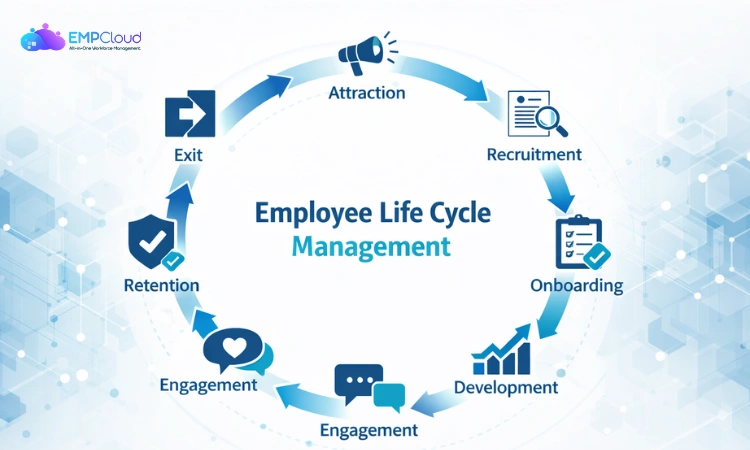
At face value, it refers to managing every stage of an employee’s time within an organization, from the moment they first hear about you to the day they leave.
But in practice, it’s about consistency.
It’s about making sure the promise made during recruitment matches the onboarding experience. It’s about ensuring development conversations actually lead somewhere. It’s about preventing the slow drift toward disengagement that many companies don’t notice until it’s too late.
The meaning becomes clearer when you think of it as experiencing architecture. Every stage shapes perception. And perception shapes performance.
Attraction
Attraction isn’t marketing. Its reputation. People decide whether they want to work for you long before they apply. They read reviews. They talk to peers. They scan leadership profiles.
If the external narrative doesn’t match internal reality, trust erodes quickly. Authenticity matters more than perfection here.
Recruitment
Recruitment is often treated as a checklist. Post job. Screen resumes. Conduct interviews. Make an offer. But effective management reframes recruitment as the start of a long-term relationship.
Are you hiring someone for the job they’ll do today, or the potential they’ll bring tomorrow?
Organizations that think long-term during recruitment avoid costly churn later.
Onboarding
This stage is underestimated more often than not.
A single orientation session does not equal onboarding.
True onboarding extends across weeks and even months. It includes structured goals, cultural integration, mentorship, and consistent manager check-ins.
In strong employee life cycle management in HR, onboarding isn’t paperwork. It’s acceleration. Employees who feel grounded early reach productivity faster and stay longer.
Development
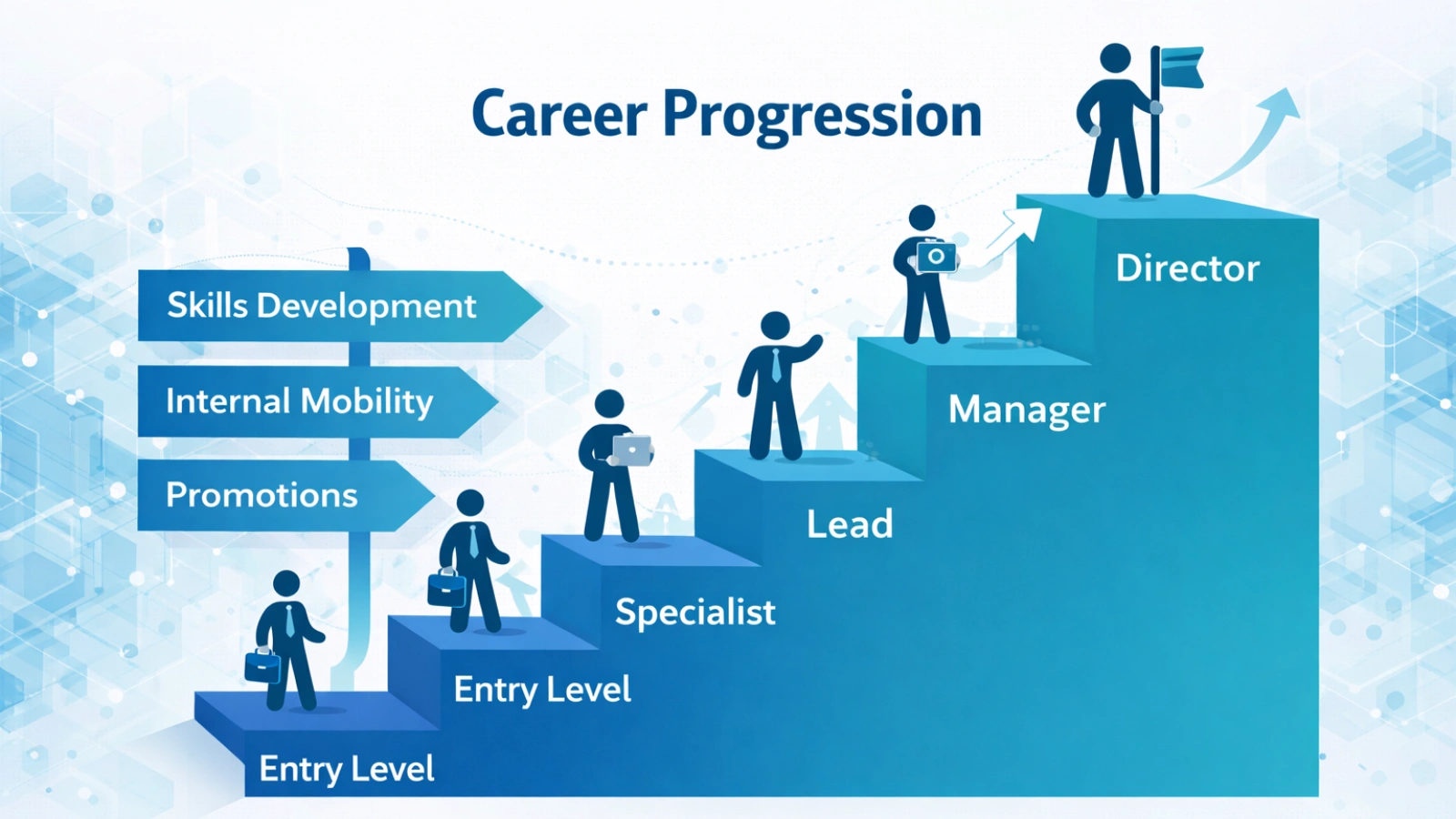
This is where most disengagement quietly begins or where loyalty strengthens. When employees cannot see where they’re heading, motivation fades.
That’s why employee life cycle career management is central to long-term success. Career conversations should be continuous. Not reactive. Not once a year. Clear competency frameworks, skill mapping, and internal mobility pathways turn development into a visible roadmap.
When people can see the next step, they’re far more likely to stay.
Engagement
Engagement is less about perks and more about trust.
It grows when managers listen when feedback feels fair, when recognition is timely, and when workloads are manageable but drops when communication slows or leadership becomes distant.
Mature management systems track engagement regularly. Not obsessively, but consistently enough to identify patterns before problems escalate.
Exit
Every employee will eventually leave. That doesn’t make the exit stage unimportant. Handled poorly, departures damage morale and brand perception. Handled well, they create ambassadors.
Structured exit interviews, thoughtful transitions, and alumni engagement programs complete the cycle professionally.
Employee Life Cycle Management in HR Today
The role of HR has evolved. Modern employee life cycle management in HR requires more than coordination. It requires insight.
HR teams today are expected to:
- Anticipate workforce needs
- Support managers with data
- Design development frameworks
- Connect technology systems
Fragmented tools make this difficult. Disconnected data creates blind spots. That’s why unified platforms are increasingly part of lifecycle strategy.
How EmpCloud Fits Into the Lifecycle
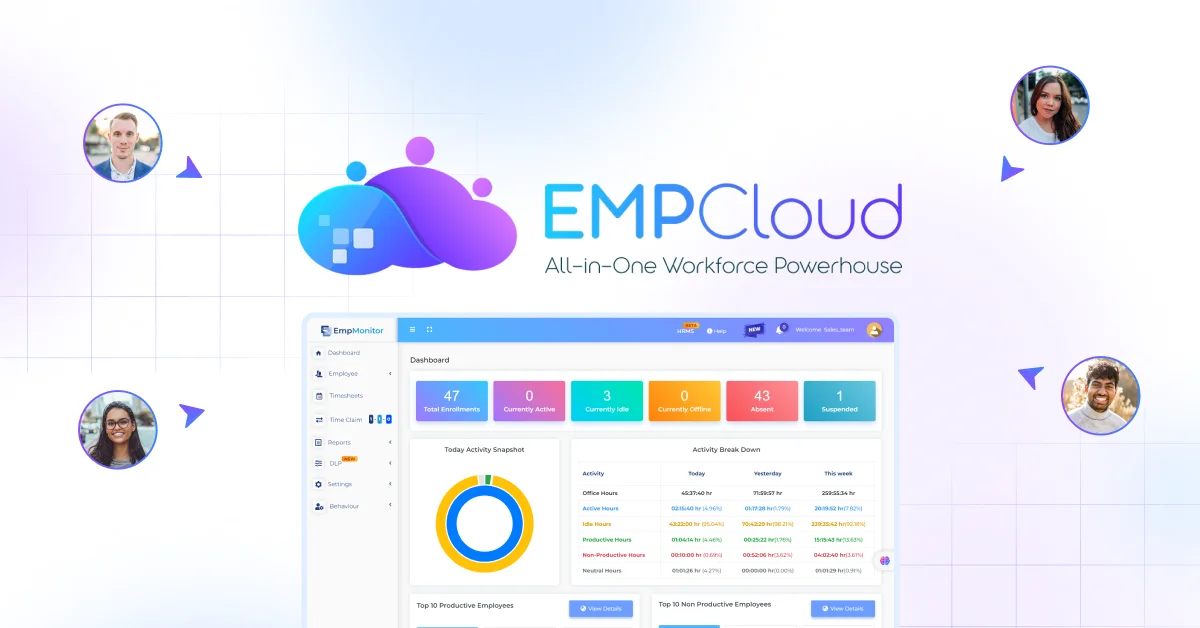
Managing the entire employee journey manually is complex. Data lives in multiple systems. Processes vary across teams. EmpCloud is built to simplify that complexity and support employee life cycle management through one integrated platform.
Instead of treating recruitment, onboarding, performance, and development as separate systems, EmpCloud connects them. Its capabilities include:
- Core HR Management for centralized employee records
- Recruitment & Applicant Tracking to manage hiring pipelines
- Digital Onboarding Tools for structured onboarding workflows
- Performance Management Systems for goal tracking and appraisals
- Learning & Development Modules to monitor skills progression
- Employee Self-Service Features for smoother communication
- Analytics Dashboards offering real-time workforce insights
The advantage is visibility. HR leaders can see patterns across stages instead of reacting to isolated issues. That visibility strengthens employee life cycle management in HR without adding unnecessary complexity.
Measuring the Health of the Lifecycle
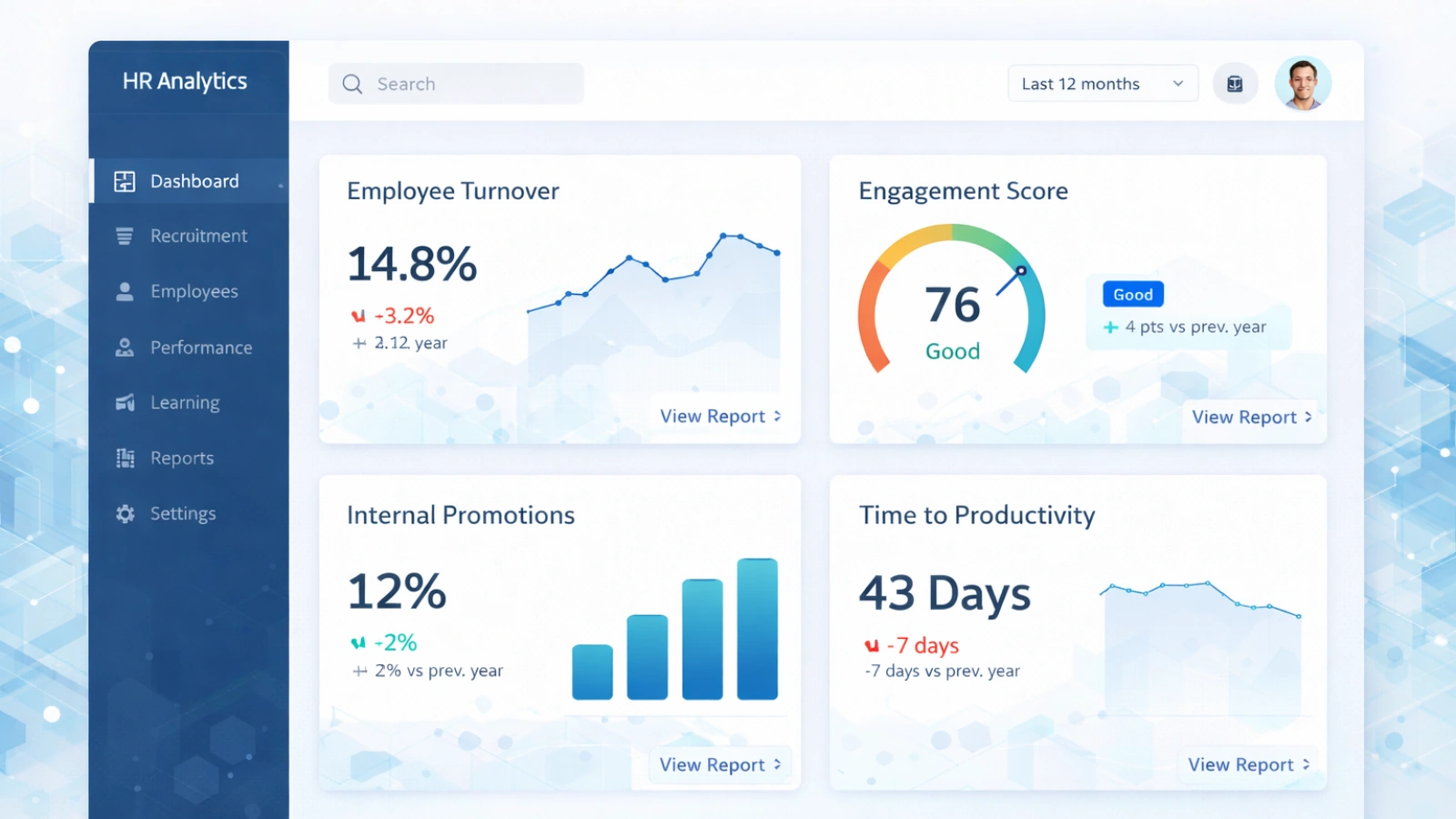
Without data, lifecycle strategy becomes guesswork. Strong organizations track:
- Application-to-offer conversion rates
- Time-to-productivity for new hires
- Internal promotion rates
- Engagement trend lines
- Voluntary turnover by tenure
Numbers tell a story. And stories reveal friction points.
Effective employee life cycle management uses those insights to adjust early, not after damage is done.
Where Organizations Commonly Struggle
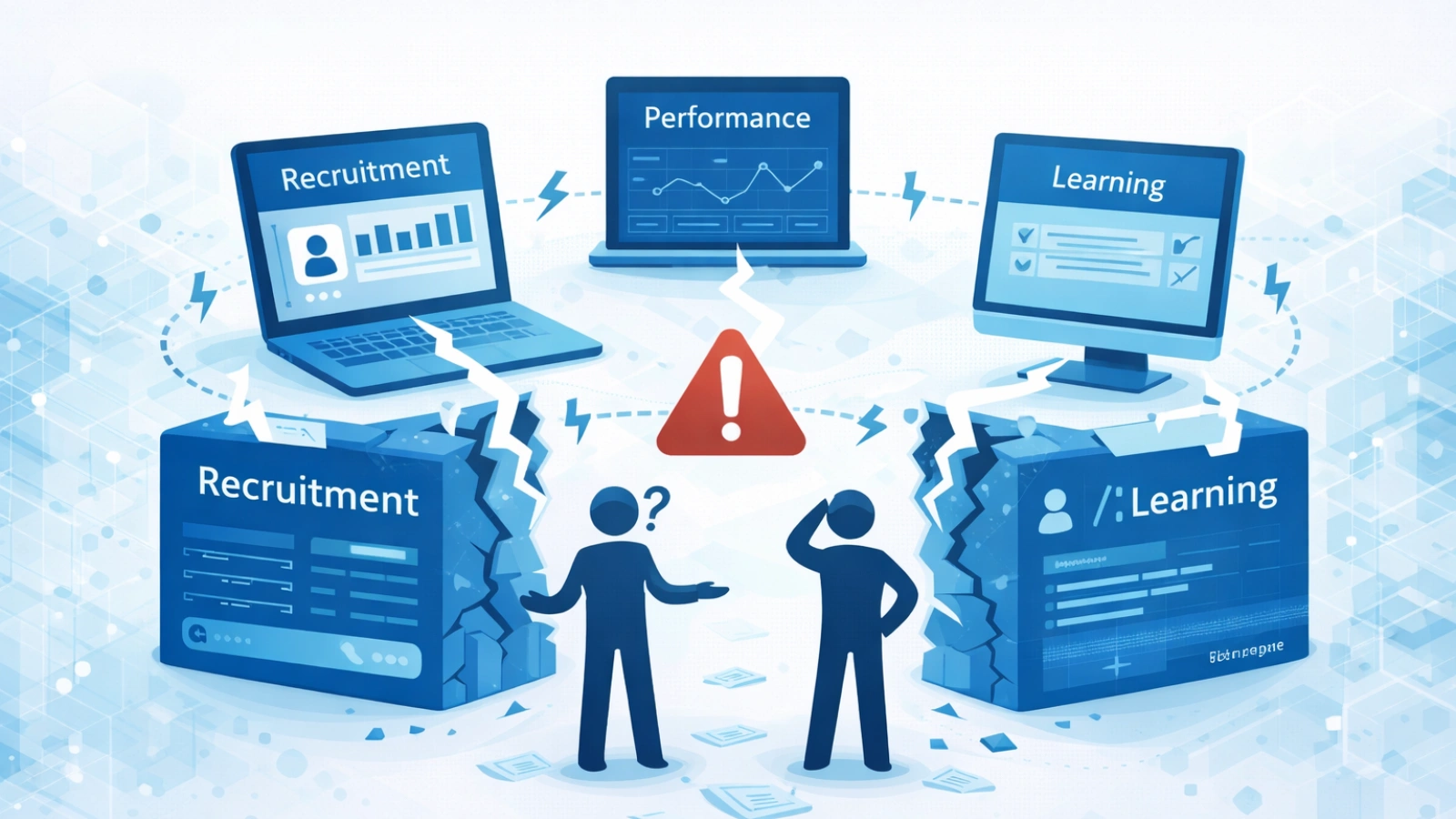
Even the most well-intentioned lifecycle strategies hit friction once they move from planning to execution. On paper, everything makes sense. In practice, gaps appear- and they often show up quietly before becoming visible problems.
Here are some of the most common areas where organizations struggle with employee life cycle management:
1. Manager Capability Gaps
Managers are the single biggest influence on employee experience. Yet many are promoted for technical expertise, not leadership ability.
Common issues include:
- Infrequent or inconsistent feedback
- Avoidance of difficult performance conversations
- Limited coaching or mentoring skills
- Unclear goal-setting practices
Without strong manager capability, even the best-designed lifecycle frameworks lose effectiveness.
2. Fragmented Systems and Data Silos
When HR tools don’t integrate, lifecycle visibility breaks down. Recruitment data lives in one system. Performance metrics live in another. Learning progress is tracked somewhere else entirely.
This fragmentation leads to:
- Incomplete workforce insights
- Duplicate administrative work
- Delayed decision-making
- Poor employee experience due to inconsistent processes
Disconnected systems make employee life cycle management harder to measure and optimize.
3. Career Pathways That Lack Clarity
Many organizations say they support growth. Fewer define what that growth actually looks like. Employees often struggle with:
- Unclear promotion criteria
- Undefined competency expectations
- Limited visibility into internal opportunities
- Inconsistent advancement timelines
When career progression feels ambiguous, motivation declines. Clear frameworks matter more than generic encouragement.
4. Overemphasis on Hiring, Underinvestment in Development
Recruitment is visible and urgent. Development is long-term and less immediate. As a result, companies often:
- Allocate more budget to talent acquisition than learning programs
- Focus heavily on onboarding but neglect mid-career growth
- Address retention only after turnover rises
This imbalance weakens lifecycle continuity and creates avoidable churn.
5. Reactive Rather Than Proactive Retention
Some organizations wait until engagement scores drop or resignations increase before taking action. By that point, trust may already be damaged.
Proactive lifecycle management requires:
- Ongoing feedback loops
- Early warning indicators
- Regular manager check-ins
- Clear internal mobility options
Retention should be preventative, not corrective.
Read More!
The Bigger Picture
The employee experience isn’t built in one moment. It’s shaped gradually. Employee life cycle management provides the structure to guide that experience intentionally. It connects ambition with opportunity. It aligns performance with progression.
And perhaps most importantly, it prevents small frustrations from turning into resignation letters. When organizations treat the lifecycle as a living system rather than a checklist, culture strengthens.
In competitive markets, that strength becomes a genuine advantage.
Frequently Asked Questions
1. What is the employee life cycle management meaning in simple terms?
It refers to the structured approach organizations use to manage every stage of an employee’s journey, from attraction to exit.
2. How does employee life cycle management in HR improve retention?
It aligns hiring, onboarding, development, and engagement strategies so employees experience clarity and growth throughout their tenure.
3. What is employee life cycle career management?
It focuses on structured career progression within the organization, including skills development, promotions, and succession planning.
4. How many stages are included in employee life cycle management?
Most frameworks include seven stages: attraction, recruitment, onboarding, development, engagement, retention, and exit.
5. Can small organizations apply lifecycle strategies effectively?
Yes. Even small teams benefit from structured onboarding, clear career pathways, and consistent feedback systems.
Quick Search Our Blogs
Type in keywords and get instant access to related blog posts.