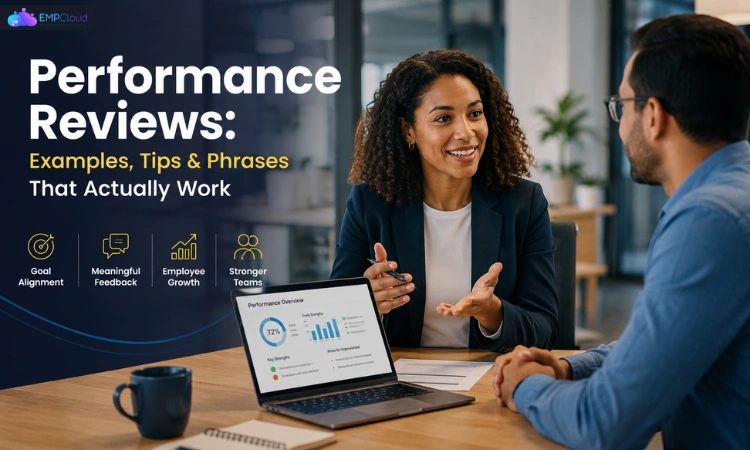
Most reviews feel like administrative checkboxes. Done right, they become one of the most effective tools managers have to motivate, align, and grow their teams.
Yet many employees dread performance reviews, and many managers struggle to conduct them effectively. Employees worry about criticism, compensation, and career growth. Managers worry about delivering honest feedback without damaging morale.
The problem is rarely the review itself.
What frustrates people is a review process that feels rushed, vague, or disconnected from everyday work. When expectations are unclear, even well-intentioned feedback can create confusion instead of progress.
Effective performance reviews do the opposite. They create clarity, encourage growth, recognize achievements, and help employees understand where they stand and where they can improve.
Whether you’re an HR professional, team leader, business owner, or employee preparing for your next review, understanding how performance reviews work can make the entire process more productive and far less stressful.
Read Aloud!
So, What Exactly Is a Performance Review?
A performance review is a structured discussion between a manager and an employee that evaluates work performance over a specific period.
The goal goes beyond assigning ratings or completing paperwork. Strong performance reviews help employees understand expectations, recognize accomplishments, identify development opportunities, and align future goals with business priorities.
Most Reviews Include:
- Feedback on performance and contributions
- Discussion of strengths and improvement areas
- Progress toward goals and objectives
- Career development conversations
- Planning for future growth
Some organizations conduct annual reviews, while others use quarterly or semiannual review cycles. The schedule matters less than the quality of the conversation.
Quick Answer
A performance review is a formal evaluation process that helps managers assess employee contributions, provide feedback, recognize achievements, and establish future goals.
Why Performance Reviews Matter More Than Most Companies Realize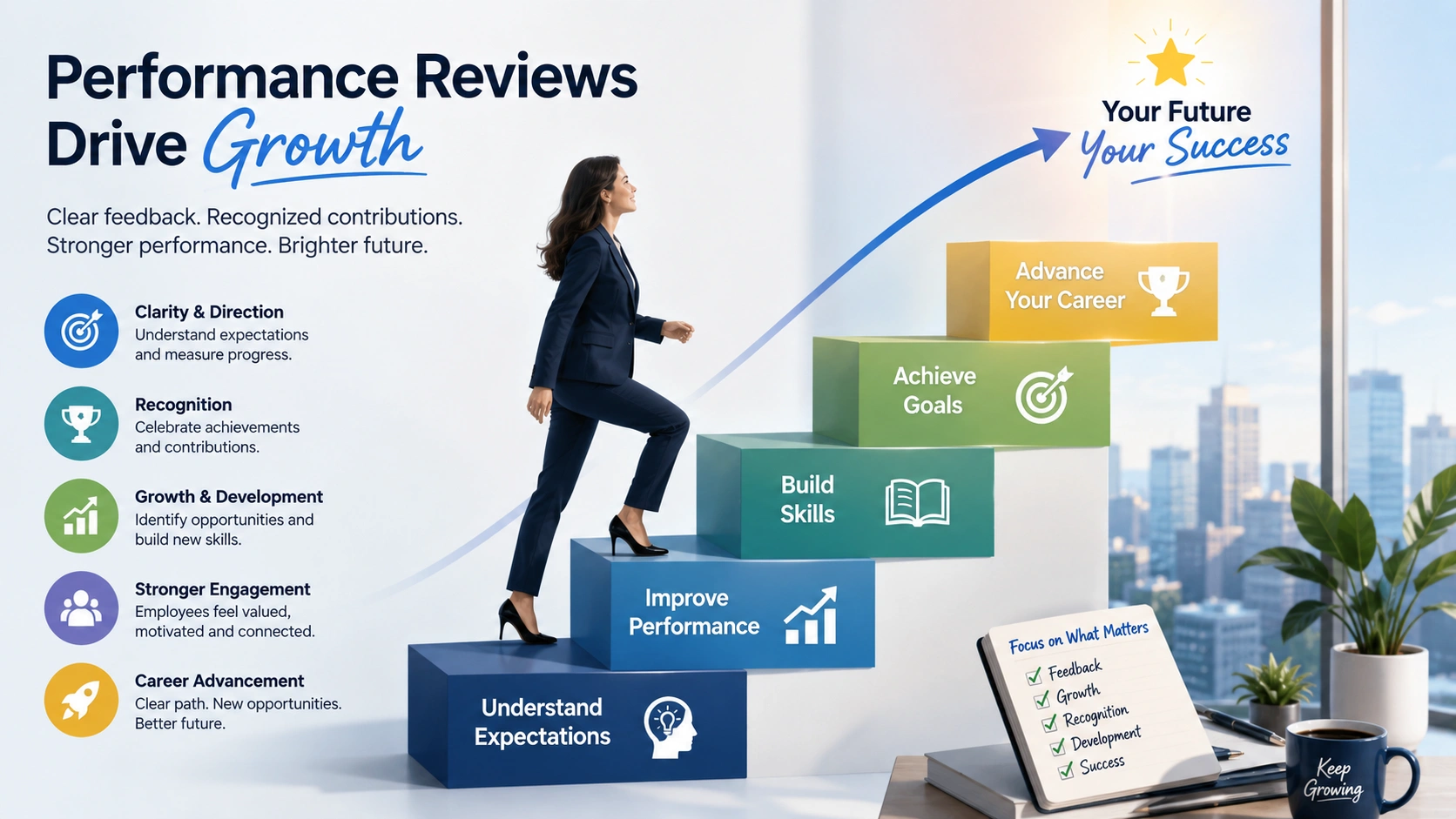
Many organizations treat performance reviews as a compliance requirement.
Employees often view employee reviews as an opportunity to understand where they stand, what they are doing well, and how they can continue growing within the organization.
Most people want answers to a few simple questions:
- Am I meeting expectations?
- What am I doing well?
- Where can I improve?
- What opportunities are available to me?
- Does my work actually matter?
A thoughtful review answers those questions directly.
When employees receive clear feedback, they gain confidence and direction. They understand how their efforts contribute to larger goals and what steps will help them advance.
Poorly handled performance reviews create the opposite experience.
Vague comments such as “good work” or “needs improvement” leave employees guessing. Without clear examples or practical guidance, people often leave the meeting with more questions than answers.
Key Takeaway
Employees don’t want a score. They want clarity, recognition, and a path forward.
Another common misunderstanding involves the difference between reviews and performance management.
Distinguish reviews from performance management.
Performance management is an ongoing process that includes coaching, feedback, goal setting, and employee development throughout the year.
Performance reviews are formal checkpoints within that process.
Organizations that combine regular coaching with structured reviews often create stronger engagement, better communication, and more consistent employee growth.
The Anatomy of an Effective Performance Review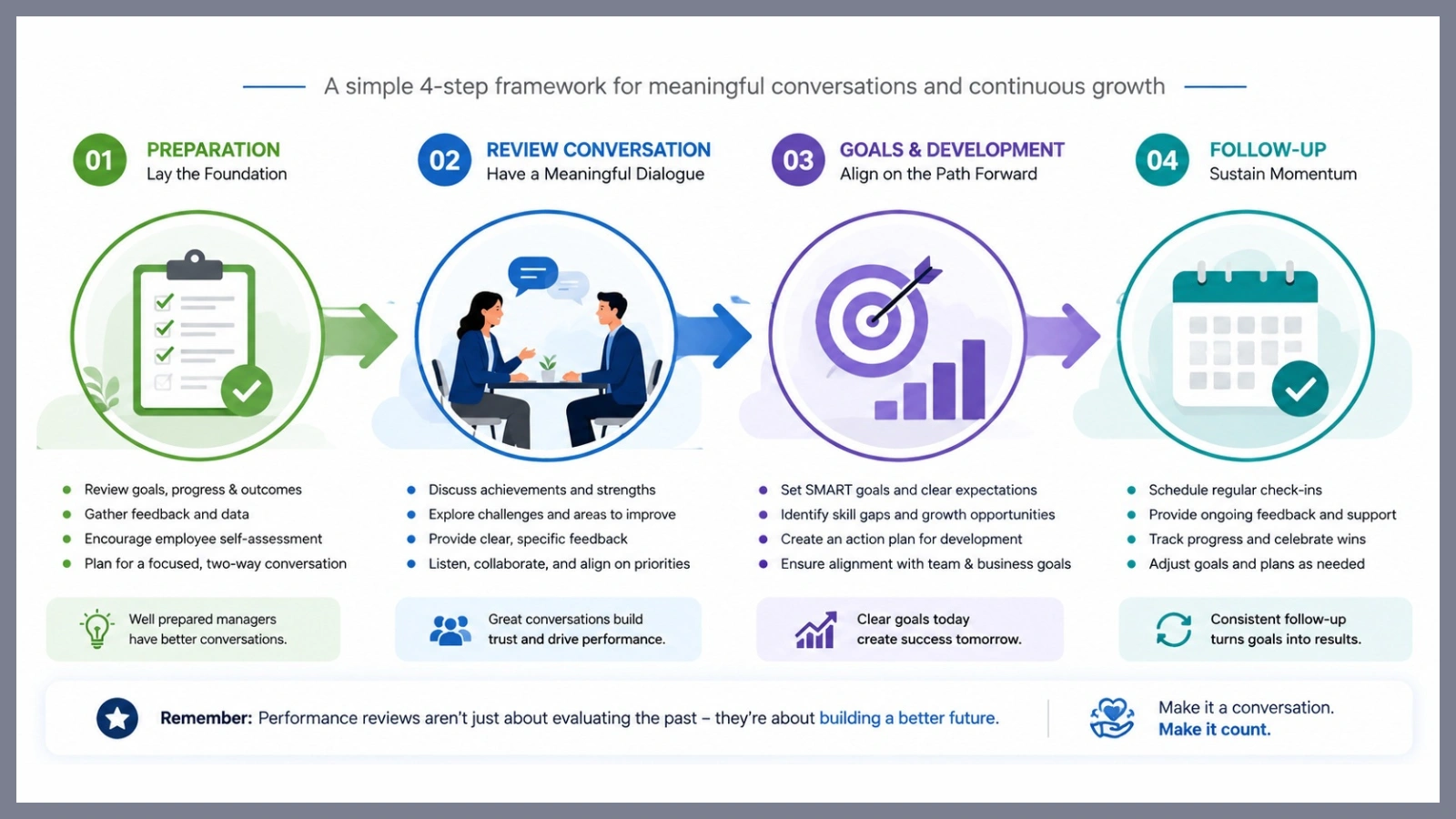
Successful performance reviews begin long before the meeting starts.
The strongest reviews follow a simple framework: preparation, conversation, and follow-through.
Before the Review: Setting It Up for Success
Preparation has a direct impact on the quality of feedback.
Managers should gather information from multiple sources rather than relying on memory alone. Reviewing goals, project outcomes, performance metrics, and notable accomplishments creates a more balanced assessment.
Employees should also participate in the preparation process.
A self-assessment often reveals valuable insights. Sometimes employees identify accomplishments managers overlooked. Other times, they recognize challenges they want help addressing.
Consider asking employees questions such as:
- Which accomplishments are you most proud of?
- What challenges affected your performance?
- What skills would you like to develop?
- What support would help you succeed?
The meeting environment matters as well.
A rushed conversation squeezed between other meetings rarely produces meaningful discussion. Setting aside uninterrupted time demonstrates that the review is important.
During the Review: The Conversation That Actually Matters
The best performance reviews feel collaborative.
The worst ones feel like verdicts.
Employees are far more receptive to feedback when they know their contributions are valued. That doesn’t mean avoiding difficult conversations. It means creating balance.
Start by discussing strengths and achievements before moving into development opportunities.
Specific examples always work better than general observations.
Instead of saying:
“You need better organization skills.”
Say:
“Three project deadlines were missed this quarter, which delayed handoffs to other teams. Let’s discuss what obstacles contributed to those delays.”
The second example focuses on observable outcomes rather than personal characteristics.
That distinction reduces defensiveness and encourages productive discussion.
Goal setting should also be a shared process.
When managers assign goals without employee input, commitment often suffers. Employees are more likely to pursue goals they helped create.
Quick Performance Review Scripts
Sometimes managers know what they want to say but struggle to phrase it effectively.
Recognizing a High Performer
“Your work consistently exceeds expectations. You’ve delivered strong results while supporting teammates, and your contributions have had a measurable impact on the team’s success.”
Addressing Missed Deadlines
“Several deadlines were missed this quarter. I’d like to understand the challenges behind those delays and work together on a plan that improves consistency.”
Setting a Stretch Goal
“You’ve mastered many of your current responsibilities. Let’s identify a project that expands your skills and helps prepare you for future opportunities.”
After the Review: Where Many Managers Drop the Ball
A strong conversation alone is not enough.
The real value of performance reviews comes from what happens afterward.
Without follow-up, goals often fade into the background and development plans lose momentum.
After every review:
- Document key discussion points
- Confirm agreed-upon goals
- Identify support or resources needed
- Schedule future check-ins
- Track progress throughout the year
Key Takeaway
A review meeting should never be the finish line. It should be the starting point for future growth.
Read More!
Work Life Balance Tips: A Practical Guide To Reclaiming Your Time
Real Performance Review Examples
Many managers understand the theory behind reviews but struggle when it’s time to put feedback into words.
The following examples provide language that feels specific, constructive, and human.
For a High Performer
Recognition becomes more meaningful when it highlights actual contributions.
Instead of:
“You did a great job this year.”
Try:
“You consistently delivered high-quality work, supported newer team members, and played a key role in the product launch. Your efforts helped the team exceed several important goals.”
Strong employees also need new challenges.
You might add:
“I’d like to explore opportunities that expand your responsibilities and help you continue developing professionally.”
For an Employee Who Is Underperforming
Difficult feedback should focus on behaviors and outcomes rather than assumptions about effort or attitude.
Example:
“Several deadlines were missed during the quarter, which affected project timelines. Let’s identify the factors contributing to those delays and develop a plan for improvement.”
This approach addresses the issue clearly while keeping the conversation constructive.
For a New Employee
Early reviews should emphasize growth and learning.
Example:
“You’ve adapted well to the team and built strong working relationships. The next step is gaining deeper familiarity with our internal processes so you can work more independently.”
For a Long-Tenured Employee Who Has Plateaued
Employees who consistently perform at the same level may need renewed challenges.
Example:
“Your reliability continues to be a valuable asset to the team. I’d like to discuss new opportunities that help you grow while creating additional value for the organization.”
Key Takeaway
The most effective performance reviews are specific. Employees should leave understanding exactly what they did well, what needs improvement, and what success looks like moving forward.
Performance Review Phrases That Don’t Sound Robotic
The language used during performance reviews can shape how feedback is received.
Generic comments often feel impersonal. Employees hear them every year and rarely know what actions to take afterward.
Specific language creates clarity.
The goal is not to sound formal. The goal is to sound helpful.
Communication
Strong Performance
Instead of:
“Communication skills are satisfactory.”
Try:
“You explain complex information clearly and keep stakeholders informed throughout projects.”
Or:
“Your updates help the team stay aligned, especially during high-priority initiatives.”
Area for Growth
Instead of:
“Needs to communicate better.”
Try:
“Providing updates earlier would help the team address challenges before they affect deadlines.”
Collaboration
Strong Performance
Instead of:
“Works well with others.”
Try:
“You consistently support teammates and contribute to a positive team environment.”
Or:
“Your willingness to share knowledge strengthens collaboration across the department.”
Area for Growth
Try:
“Increasing collaboration with cross-functional teams could improve project outcomes and reduce bottlenecks.”
Leadership
Strong Performance
Try:
“You take ownership of challenges and help the team find solutions when obstacles arise.”
Or:
“Others naturally seek your guidance because of your expertise and reliability.”
Area for Growth
Try:
“Delegating more effectively could create additional opportunities for team development.”
Initiative
Strong Performance
Try:
“You regularly identify opportunities for improvement and take action without waiting for direction.”
Area for Growth
Try:
“Being more proactive when challenges emerge would help prevent small issues from becoming larger problems.”
Areas for Growth
Constructive feedback works best when it focuses on future improvement.
Instead of:
“You need better time management.”
Try:
“Improving project prioritization could help you manage competing deadlines more effectively.”
Key Takeaway
The best performance reviews focus on observable behaviors, specific examples, and practical next steps.
The Mistakes That Make Performance Reviews Backfire
Even well-intentioned managers make mistakes during reviews.
A few common issues can undermine an otherwise productive conversation.
Recency Bias
People naturally remember recent events more clearly than older ones.
As a result, managers sometimes evaluate employees based on the last few weeks rather than the entire review period.
Keep notes throughout the year to avoid this trap.
Vague Feedback
Comments such as “great job” or “needs improvement” rarely help employees improve.
Specific examples provide context and direction.
Making Reviews a Surprise
Employees should never discover major concerns for the first time during a review meeting.
Regular conversations throughout the year create trust and eliminate unnecessary surprises.
Focusing on the Form Instead of the Person
Some managers become so focused on ratings and documentation that the conversation feels transactional.
Employees remember meaningful discussions far longer than they remember scores.
Ignoring Self-Assessments
Employees often provide valuable context about accomplishments, challenges, and career goals.
Skipping this step means missing part of the picture.
Key Takeaway
The most effective performance reviews feel like a continuation of ongoing conversations, not a once-a-year judgment session.
How Modern Teams Are Rethinking the Annual Review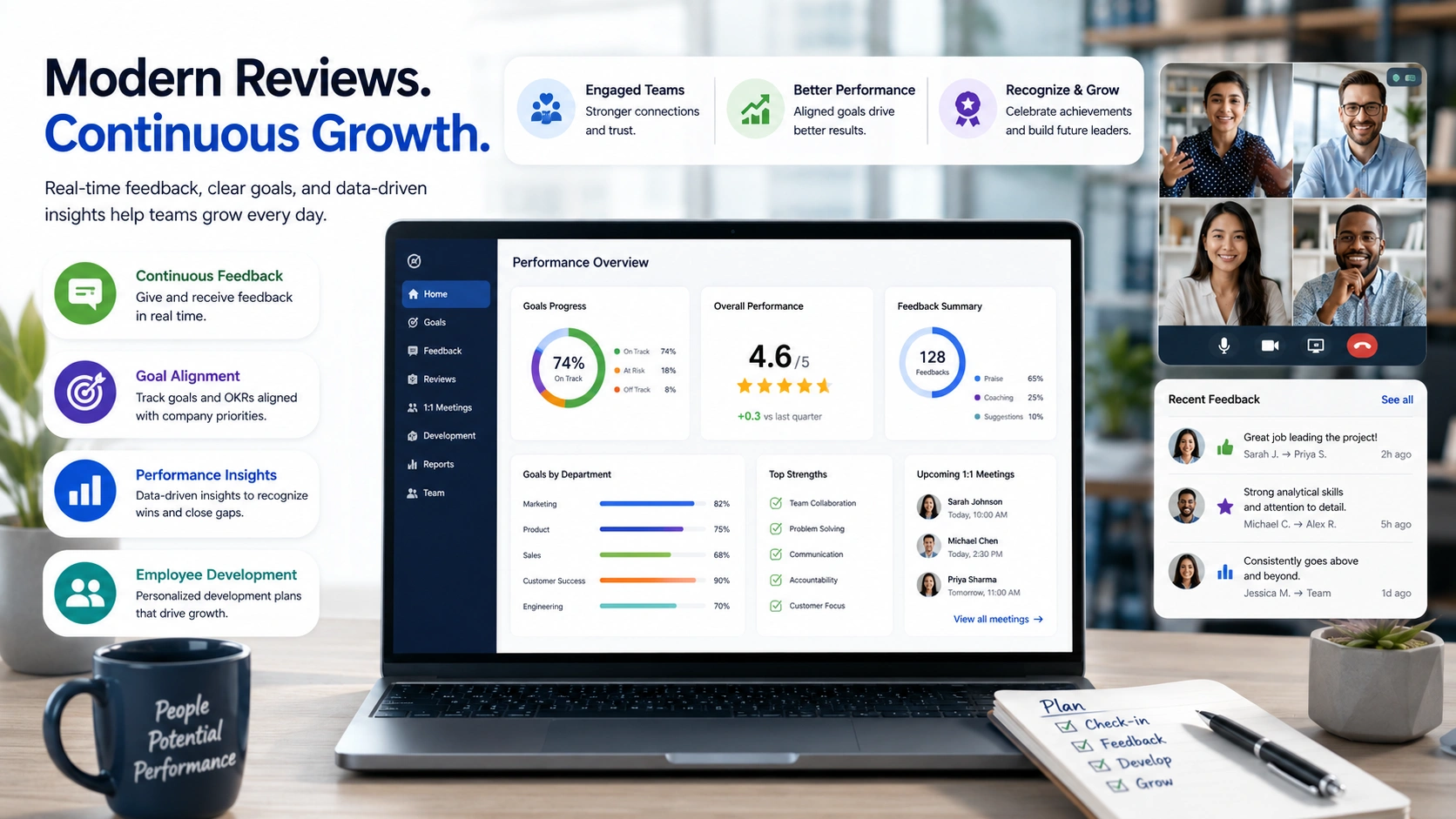
The traditional annual review is no longer the only approach organizations use.
Many companies are combining formal reviews with more frequent feedback conversations.
The reason is simple.
People improve faster when feedback is timely.
Waiting twelve months to discuss a challenge often delays improvement. Addressing the same issue within days or weeks creates a much better opportunity for growth.
This shift has become even more important in remote and hybrid workplaces.
Managers cannot rely on casual office interactions to stay connected with employees. Regular check-ins help maintain alignment and strengthen communication.
That does not mean annual reviews are obsolete.
Formal performance reviews still provide an opportunity to evaluate progress, discuss career development, and establish long-term goals.
The strongest organizations use both approaches.
They keep structured reviews while supporting them with ongoing feedback throughout the year.
How EmpCloud Makes Performance Reviews Less Painful and More Useful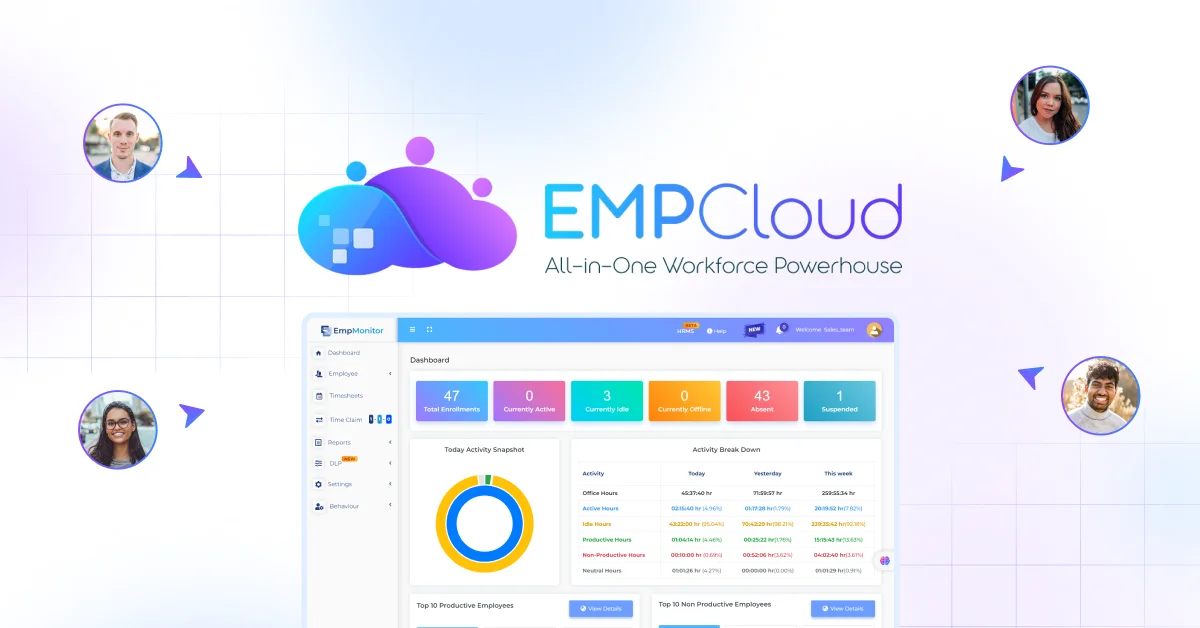
As review processes become more sophisticated, technology plays a larger role in keeping everything organized.
This is where EmpCloud helps.
Many managers struggle with inconsistent documentation, scattered feedback, and unclear goals. These challenges often reduce the effectiveness of performance reviews.
EmpCloud brings those pieces together in a single system.
Managers can use structured review templates that guide conversations and promote consistency across teams.
The platform also supports:
- Goal tracking tied directly to review cycles
- Employee self-assessments
- Multi-source feedback collection
- Centralized documentation
- Performance insights and reporting
These features help managers spend less time managing paperwork and more time having meaningful conversations.
Rather than replacing human interaction, EmpCloud helps support better discussions and better outcomes.
How to Prepare for Your Next Performance Review
Preparation often determines whether a review feels productive or frustrating.
Manager Checklist
Before the meeting:
- Review goals and objectives
- Gather examples of achievements
- Identify development opportunities
- Review relevant performance data
- Collect feedback from key stakeholders
- Prepare discussion points
- Reserve uninterrupted meeting time
- Plan next-step goals
Employee Checklist
Before your review:
- Document accomplishments
- Review previous goals
- Identify challenges you faced
- Prepare questions about growth opportunities
- Think about future career goals
A little preparation creates a much more productive conversation for everyone involved.
Final Thought: Reviews That People Don’t Dread
The purpose of performance reviews is not simply to evaluate past performance.
Their real value lies in creating alignment.
Employees want recognition, guidance, and opportunities to grow. Managers want stronger performance, greater engagement, and better results.
When those goals come together, reviews become far more valuable than an annual administrative task.
Whether you’re improving an existing process or learning how to conduct performance reviews for the first time, the most successful reviews share a common trait: they focus on people, not paperwork.
FAQs About Performance Reviews
How often should performance reviews be conducted?
Most organizations conduct annual reviews, although many supplement them with quarterly or semiannual conversations. The ideal schedule depends on company needs and team structure.
What’s the difference between a performance review and a performance improvement plan (PIP)?
A review evaluates overall performance and development. A PIP is a structured process designed to address specific performance concerns and establish measurable improvement goals.
How do you give negative feedback without demoralizing employees?
Focus on behaviors and outcomes rather than personality traits. Use examples, explain the impact, and discuss solutions collaboratively.
Should employees see their review before the meeting?
Many organizations share review materials beforehand. This allows employees to prepare thoughtful responses and creates a more productive discussion.
What metrics should be included in a performance evaluation?
The right metrics depend on the role. Common examples include productivity, quality of work, goal completion, collaboration, customer satisfaction, and leadership contributions.
Quick Search Our Blogs
Type in keywords and get instant access to related blog posts.