
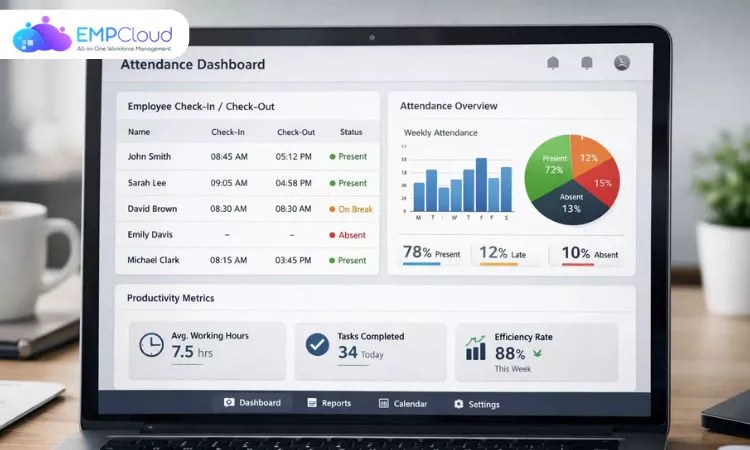
An attendance policy is more than just a set of rules; it’s a framework that ensures smooth operations, fairness, and accountability in the workplace. Whether you’re a small startup or a large organization, a well-defined employee attendance policy helps track work hours, manage leaves, and maintain productivity.
In today’s dynamic work environment, businesses face challenges like remote work, flexible schedules, and varying employee expectations. A clear work attendance policy not only sets expectations but also protects both the company and its employees.
This guide will cover everything you need to know about attendance policies, including why they matter, key components, and how to write an attendance policy effectively.
By the end of this article, you’ll have a practical understanding of how to create, implement, and maintain an effective attendance policy that keeps your team engaged and accountable.
Listen To The Podcast Now!
Why an Attendance Policy Is Crucial for Your Organization

A strong attendance policy is a cornerstone of any well-functioning workplace. Without clear guidelines, organizations often face issues like unplanned absences, confusion over leave rules, and decreased productivity. An effective employee attendance policy ensures that everyone understands expectations regarding work hours, tardiness, and absences.
Here’s why having a proper attendance framework matters:
- Promotes Fairness and Consistency: With a documented work attendance policy, every employee is held to the same standard. This prevents favoritism and ensures fair treatment when it comes to leave approvals or addressing lateness.
- Maintains Productivity: Knowing that attendance is monitored encourages punctuality. Teams can plan better, deadlines are met, and overall workflow remains uninterrupted.
- Reduces Conflicts: A clear attendance policy reduces misunderstandings between employees and managers. Everyone knows the rules, which minimizes disputes related to attendance or leave balances.
- Supports Legal Compliance: Certain labor laws require proper attendance tracking and attendance tracking software. A well-structured policy ensures your organization stays compliant with employment regulations.
- Enhances Employee Accountability: When employees understand the expectations, they are more likely to take responsibility for their attendance. This fosters a culture of discipline and professionalism.
In short, a clear employee attendance policy benefits both the organization and its workforce, providing structure, fairness, and clarity.
Key Components of an Effective Attendance Policy
Creating a robust attendance policy requires careful planning and clarity. A comprehensive employee attendance policy should outline expectations, procedures, and consequences so that employees know exactly what is expected. Here are the key components every workplace should include:
- Work Hours and Schedule: Clearly define the standard working hours, including start and end times, lunch breaks, and any flexible or shift-based schedules. Employees should know what is considered full-time, part-time, or overtime.
- Attendance Expectations: Specify what constitutes acceptable attendance, including punctuality, reporting absences, and requesting leaves in advance. This helps set clear boundaries and prevents confusion.
- Leave Policies: Outline different types of leaves—sick leave, casual leave, paid time off, maternity/paternity leave—and explain the process for applying and getting approval.
- Reporting Absences: Explain the procedure for notifying supervisors about absences. For example, employees may need to call, email, or submit a request through a designated HR platform.
- Tardiness and Early Departures: Define what counts as being late or leaving early, and specify how repeated occurrences are handled.
- Consequences of Violations: Clearly mention disciplinary actions for repeated absences, falsifying attendance records, or violating the policy. Transparency here ensures fairness.
- Remote Work or Hybrid Guidelines: For organizations with remote or hybrid models, include specific rules for logging attendance and reporting work hours.
- Acknowledgment: Employees should sign an acknowledgment form confirming that they have read and understood the attendance policy. This reduces disputes later.
A well-documented work attendance policy ensures everyone is on the same page and minimizes confusion, creating a professional and organized workplace environment.
How To Write an Attendance Policy: Step-by-Step Guide
Creating an effective attendance policy may seem challenging, but breaking it down step by step makes it manageable. Whether you are drafting it for the first time or updating an existing employee attendance policy, these steps will guide you:
- Assess Your Organization’s Needs: Start by analyzing your workforce size, work schedules, and leave requirements. Consider factors like shift timings, remote work, and peak business hours.
- Define Work Hours Clearly: Specify the standard start and end times, break durations, and expectations for overtime. This clarity helps employees understand what is required of them daily.
- Outline Attendance Rules: Explain punctuality requirements, reporting absences, and notifying supervisors. Make it clear how employees should communicate if they will be late or absent.
- Include Leave Policies: Detail different leave types such as sick leave, vacation, casual leave, or maternity/paternity leave. Mention how to request leave, approval processes, and any documentation needed.
- Set Consequences for Non-Compliance: Define the disciplinary measures for repeated tardiness, absenteeism, or policy violations. Transparency ensures fairness and accountability.
- Address Remote or Hybrid Work: If your organization allows flexible work, specify how attendance is recorded, check-ins are done, and hours are tracked.
- Communicate the Policy Clearly: Share the policy with all employees through email, internal portals, or HR meetings. Make sure it is easy to understand and accessible at all times.
- Require Acknowledgment: Ask employees to sign or digitally acknowledge that they have read and understood the attendance policy. This helps prevent misunderstandings later.
Following these steps ensures your work attendance policy is clear, fair, and effective, helping maintain discipline while fostering a positive workplace culture.
Common Challenges with Attendance Policies and How to Solve Them

Even the best employee attendance policies can face challenges during implementation. Recognizing these issues early and addressing them effectively ensures the policy remains fair, efficient, and respected by employees. Here are some common challenges and solutions:
- Unplanned Absences: Unexpected leaves or last-minute absences can disrupt workflow.
Solution: Encourage employees to notify supervisors promptly, and consider implementing a leave request system or backup plans to cover critical tasks. - Tardiness: Late arrivals can affect team productivity and deadlines.
Solution: Clearly define what constitutes being late, and track recurring instances. Use incentives for punctuality or disciplinary measures for repeated violations. - Remote Work Tracking: Employees working remotely may forget to log hours or attendance.
Solution: Use a standardized system to track attendance digitally and require regular check-ins to maintain accountability. - Policy Misunderstandings: Employees may not fully understand the rules, causing confusion or disputes.
Solution: Communicate the policy clearly during onboarding, share it through internal portals, and provide examples to illustrate rules. - Inconsistent Enforcement: Unequal application of attendance rules can lead to dissatisfaction and low morale.
Solution: Ensure managers apply the policy consistently, document violations, and maintain transparency in all decisions. - Resistance to Change: Employees may resist new attendance systems or stricter policies.
Solution: Explain the purpose and benefits of the policy, involve employees in the process, and provide training or support when introducing updates.
By proactively addressing these challenges, organizations can ensure their work attendance policy is respected, effective, and supports both productivity and employee satisfaction.
Benefits of a Well-Implemented Attendance Policy
A well-designed attendance policy provides numerous advantages for both the organization and its employees. When implemented effectively, it promotes structure, fairness, and accountability while supporting overall productivity. Here are the key benefits:
- Improved Productivity: Clear attendance expectations ensure that employees are present and engaged during work hours, minimizing workflow disruptions and meeting deadlines efficiently.
- Fairness and Transparency: An established employee attendance policy applies uniformly to all staff, preventing favoritism and creating a culture of fairness. Employees understand what is expected and how violations are handled.
- Better Workforce Planning: Knowing who is available and when helps managers schedule shifts, plan projects, and allocate resources effectively. This reduces last-minute confusion and ensures smooth operations.
- Reduced Absenteeism and Tardiness: By setting clear rules and consequences, a work attendance policy encourages punctuality and reduces unplanned absences, ultimately saving the company time and resources.
- Enhanced Employee Accountability: Employees are more likely to take responsibility for their attendance when expectations are clearly communicated and monitored. This fosters a professional and disciplined work culture.
- Legal Compliance: Properly documented attendance policies ensure adherence to labor laws, making it easier to handle disputes or regulatory audits.
- Boosts Employee Morale: When employees see that attendance rules are applied fairly, they feel valued and respected, which strengthens engagement and trust in the organization.
A strong attendance policy is not just about rules it’s a tool to build a productive, fair, and accountable workplace where both employees and employers benefit.
Also Read
How To Formulate A Fair And Transparent Attendance Policy
Why Is Time Attendance Software Crucial For Efficient Business?
How EmpCloud Can Simplify Attendance Management
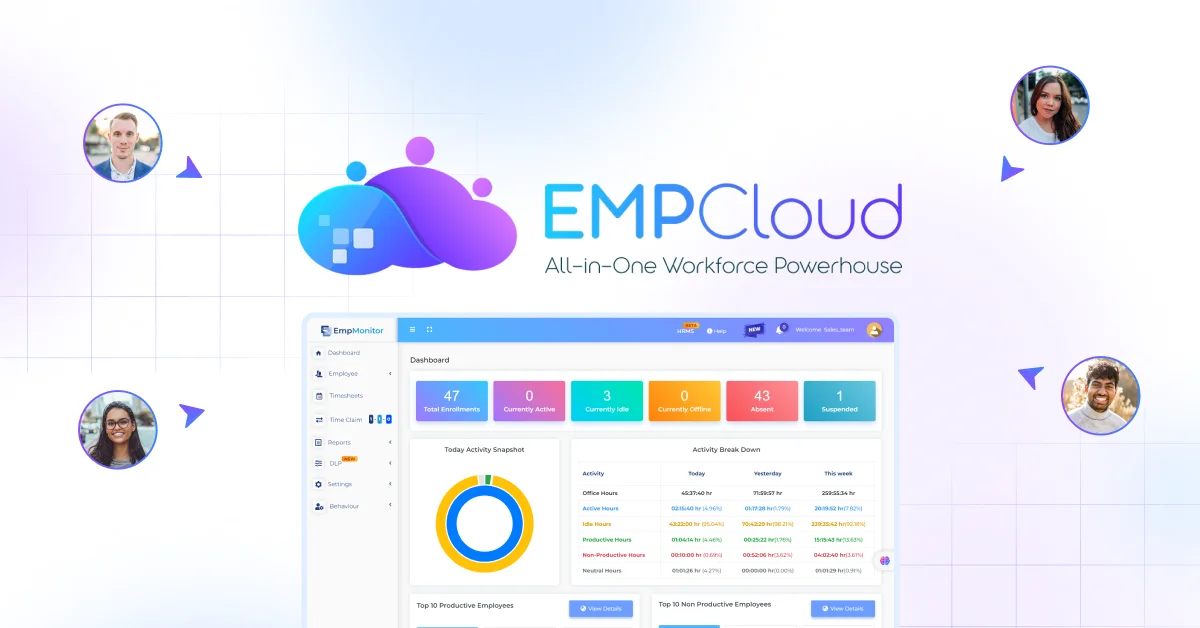 Managing attendance manually can be time-consuming and prone to errors. This is where EmpCloud comes in, offering a modern solution for tracking and managing employee attendance seamlessly.
With EmpCloud, organizations can:
- Automate Attendance Tracking: Employees’ clock-ins, clock-outs, and leaves are recorded automatically, reducing errors and manual work.
- Monitor Work Hours in Real-Time: Managers can view attendance reports instantly, track tardiness, absenteeism, and ensure teams are productive.
- Simplify Leave Management: Employees can apply for leaves through the platform, and managers can approve them with just a few clicks, ensuring transparency.
- Generate Detailed Reports: EmpCloud provides insights into attendance patterns, helping HR and management make informed decisions.
- Support Remote and Hybrid Work: The platform accommodates flexible work schedules, enabling accurate tracking even for employees working remotely.
By using EmpCloud, organizations can implement their attendance policy effectively without administrative hassle, ensuring accuracy, fairness, and efficiency across the workforce.
Best Practices for Maintaining an Attendance Policy
Implementing an attendance policy is just the first step. To ensure it works effectively, organizations should follow these best practices:
- Communicate Clearly: Share the employee attendance policy with all staff during onboarding and whenever updates are made. Use simple language and examples to avoid confusion.
- Be Consistent: Apply rules fairly across all employees. Consistency in enforcement builds trust and prevents disputes.
- Use Technology: Leverage tools like EmpCloud to automate tracking, generate reports, and simplify leave management. Digital systems reduce errors and save time.
- Monitor Regularly: Keep an eye on attendance patterns to identify issues like frequent absenteeism or tardiness early. Address problems proactively rather than reactively.
- Provide Flexibility Where Appropriate: Recognize that employees may have legitimate reasons for occasional absences. Offering flexibility can boost morale without compromising productivity.
- Review and Update: Periodically assess your work attendance policy to ensure it aligns with organizational changes, legal requirements, and evolving workforce needs.
- Encourage Feedback: Allow employees to ask questions or provide feedback about the policy. This helps improve understanding and acceptance.
By following these best practices, companies can maintain an attendance policy that is fair, effective, and adaptable, ensuring smooth operations while keeping employees motivated and accountable.
Key Takeaways on Attendance Policy
A well-crafted attendance policy is essential for creating a structured, fair, and productive workplace. From setting clear expectations to defining leave rules and consequences, an effective employee attendance policy ensures that everyone understands their responsibilities while maintaining accountability.
Some key takeaways:
- Clarity is critical: Clearly define work hours, attendance expectations, and reporting procedures.
- Consistency matters: Apply the rules fairly across all employees to maintain trust and transparency.
- Leverage technology: Tools like EmpCloud can simplify attendance tracking, leave management, and reporting.
- Monitor and adapt: Regularly review your work attendance policy to ensure it meets legal requirements and evolving workplace needs.
- Promote accountability and fairness: A transparent attendance system benefits both the organization and its employees, fostering a positive work culture.
By following these guidelines, companies can create an attendance policy that not only supports operational efficiency but also enhances employee satisfaction, engagement, and professionalism.
FAQs on Attendance Policy
- What is an attendance policy?
An attendance policy is a set of rules and guidelines that outlines expectations for employee presence, punctuality, leave, and reporting absences. It ensures fairness, accountability, and smooth workflow in the workplace. - Why is an employee attendance policy important?
It promotes consistency, productivity, and accountability. Employees know what is expected, and managers can enforce rules fairly, reducing conflicts and misunderstandings. - How do I write an attendance policy?
To write an effective attendance policy, define work hours, leave rules, reporting procedures, and consequences for violations. Clearly communicate it to all employees and obtain acknowledgment for transparency. - What are the common challenges with attendance policies?
Challenges include unplanned absences, tardiness, remote work tracking, policy misunderstandings, and inconsistent enforcement. Solutions involve clear communication, monitoring, technology, and consistent application. - How can technology help manage attendance policies?
Platforms like EmpCloud automate attendance tracking, manage leave requests, generate reports, and support remote or hybrid work, making policy implementation more efficient and accurate.
Quick Search Our Blogs
Type in keywords and get instant access to related blog posts.