

There are various types of leadership. Some leaders inspire with words, while others lead by example. At the heart of every successful leader lies leadership soft skills. These skills define how you interact with your team, solve problems, and influence outcomes. Developing them speeds up your career development in addition to making you a better manager.
In this guide, we will explore what leadership soft skills are, why they matter, examples in real situations, and practical ways to build them. We’ll also look at how your leadership journey can be aided by a workforce management system like EmpCloud.
In a hurry? Listen to the blog instead!
What Are Leadership And Soft Skills Anyway?
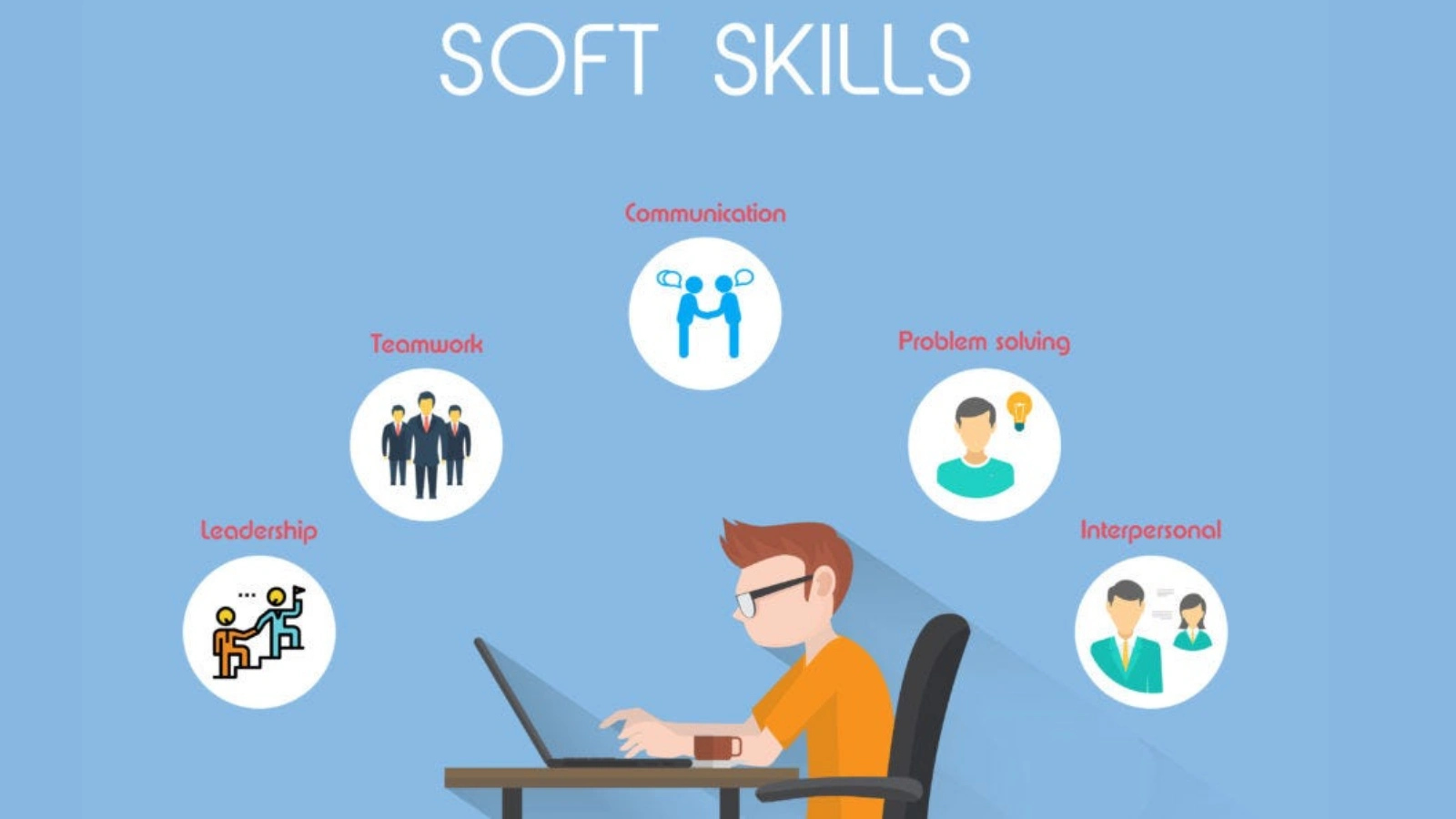
When discussing leadership, authority, strategy, and decision-making are frequently highlighted. But behaviour, communication, and interpersonal skills are also important components of leadership. Your ability to influence others, settle disputes, and promote teamwork is shaped by your soft skills.
For instance, emotional intelligence, empathy, and communication fall under Mentorship soft skills. Soft skills help you mentor others and foster a productive environment, while hard skills help you complete tasks. Leaders with strong soft skills earn trust faster, motivate employees effectively, and handle workplace challenges with ease.
To put it briefly, leadership is about strategy and direction, and soft skills are what make that strategy work with people.
How Leadership Soft Skills Can Boost Your Career?
Developing leadership soft skills can dramatically impact your career trajectory. Professionals who cultivate these skills find it easier to earn promotions, lead successful teams, and maintain strong professional relationships.
Soft skills influence team performance. A leader who communicates clearly, listens actively, and resolves conflicts swiftly ensures higher productivity and engagement. Leaders who excel in these areas are not just managers; they are mentors, motivators, and trusted advisors.
Moreover, strong mentorship soft skills improve decision-making. By understanding team dynamics and individual strengths, you can delegate tasks effectively, reduce errors, and meet project goals on time. This ability reflects positively on your performance reviews, increasing your chances for advancement.
Finally, leaders with polished soft skills build networks and relationships faster. These relationships create new opportunities, open doors for collaboration, and strengthen your professional reputation.
The Key Soft Skills Every Leader Should Have
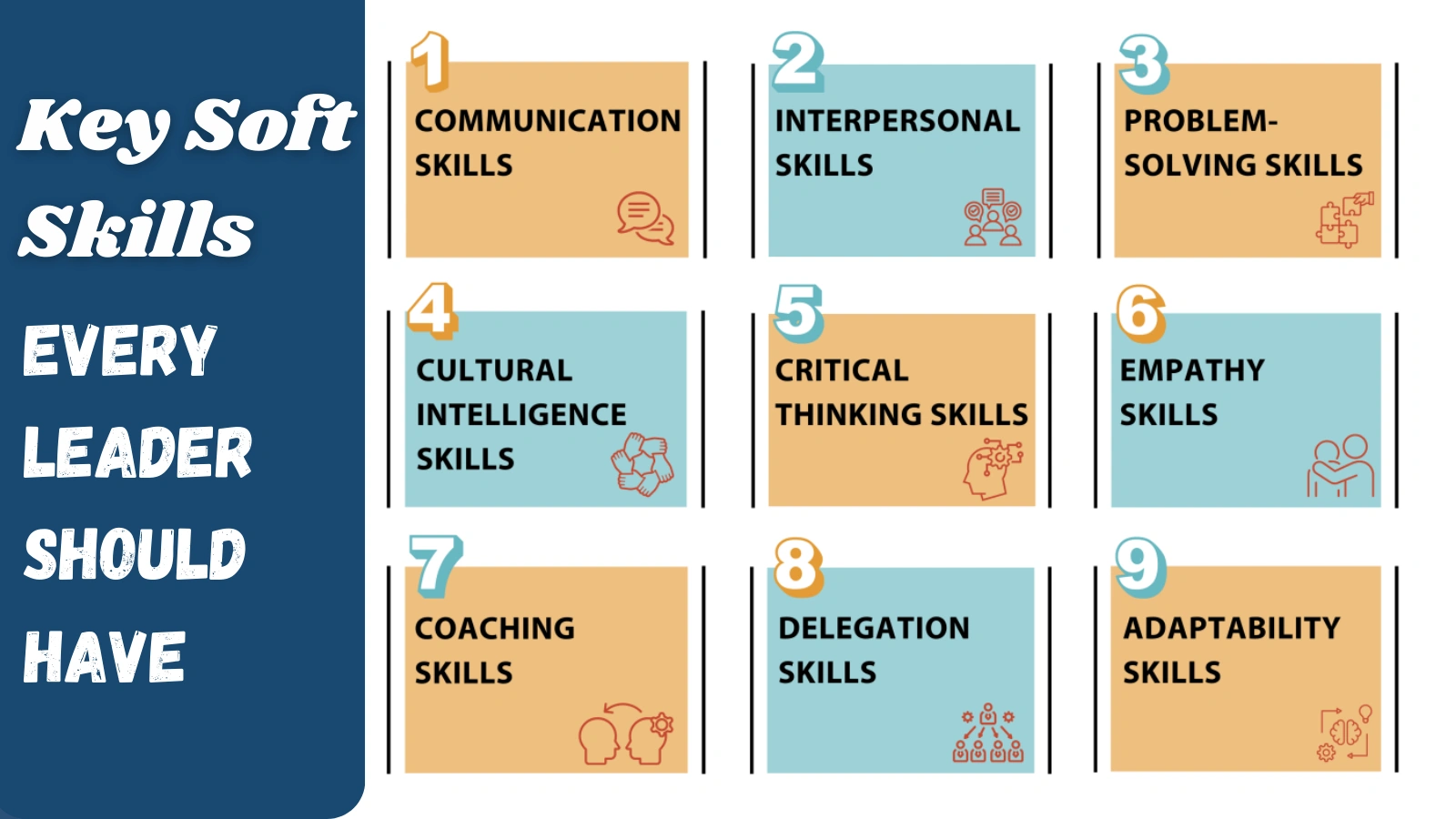
Not all soft skills have the same impact. Some play a bigger role in leadership. Here are the key soft skills for leadership that can make a noticeable difference:
Communication:
Effective communication allows leaders to clearly express ideas, provide instructions, and inspire their team. It reduces misunderstandings, promotes collaboration, and encourages open dialogue. Strong communication builds trust, motivates employees to achieve goals, and ensures everyone is aligned with organizational objectives, creating a productive and positive work environment.
Active Listening:
Active listening involves paying full attention to team members, understanding their viewpoints, and responding thoughtfully. It prevents miscommunication, strengthens collaboration, and demonstrates respect for employees’ opinions. Leaders who practice active listening create an environment where team members feel heard and valued, fostering engagement, trust, and a sense of shared responsibility for achieving organizational goals.
Emotional Intelligence:
Emotional intelligence helps leaders recognize and manage their own emotions while understanding others’. It enables leaders to handle stressful situations calmly, build strong relationships, and resolve conflicts effectively. By demonstrating empathy, self-awareness, and social skills, leaders foster a positive workplace culture that encourages collaboration, loyalty, and high team performance across projects and tasks.
Conflict Resolution:
Conflict resolution skills allow leaders to address disputes calmly, fairly, and efficiently. Leaders mediate disagreements, ensure that all viewpoints are heard, and implement fair solutions. By resolving conflicts constructively, leaders maintain team harmony, improve productivity, and encourage a culture of open communication, ensuring employees collaborate effectively while feeling respected and supported.
Adaptability:
Adaptable leaders remain flexible in the face of change and unexpected challenges. They adjust strategies without losing focus, guide teams through uncertainty, and respond effectively to shifting priorities. Adaptability allows leaders to stay resilient, maintain productivity, and support employees during transitions, fostering a culture of innovation and continuous improvement in dynamic work environments.
Time Management:
Time management enables leaders to prioritize tasks, allocate resources efficiently, and meet deadlines consistently. Effective leaders schedule work thoughtfully, avoid overloading themselves or their teams, and balance multiple projects simultaneously. Mastering time management enhances productivity, reduces stress, ensures on-time project delivery, and allows leaders to focus on strategic planning and team development.
Empathy:
Empathy allows leaders to understand employees’ perspectives, emotions, and challenges. By showing genuine concern and support, leaders build loyalty, engagement, and motivation. Empathetic leadership strengthens team relationships, promotes collaboration, and creates a supportive work environment where employees feel valued, understood, and inspired to contribute their best work consistently.
Mastering these skills doesn’t happen overnight. Leaders grow by practicing, reflecting, and seeking feedback consistently. So, try to nurture these skills in your own working style and see the results yourself.
Leadership Soft Skills In Action
Theory is useful, but real examples show how Mentorship soft skills transform teams and projects:
- Motivating Your Team:
Leaders who recognize achievements and offer genuine praise inspire enthusiasm. Motivation increases productivity, builds loyalty, and encourages team members to take ownership of tasks with confidence and energy. - Delegating Work Effectively:
Assigning tasks based on team members’ strengths shows trust and clarity. Proper delegation improves efficiency, develops employee skills, and allows leaders to focus on strategic priorities while keeping teams engaged. - Negotiating and Influencing:
Diplomacy in negotiations and influencing decisions fosters collaboration without conflict. Leaders who balance persuasion with respect build trust, achieve outcomes, and maintain strong professional relationships with stakeholders. - Building Strong Relationships:
Networking internally and externally strengthens communication, collaboration, and professional support. Leaders who cultivate connections create opportunities, improve team cohesion, and enhance organizational success while encouraging mutual growth. - Problem-Solving Under Pressure:
Leaders who apply logic, creativity, and teamwork under pressure solve challenges efficiently. This approach demonstrates reliability, inspires confidence, and ensures teams remain focused, productive, and motivated during tough situations.
These examples reflect how leaders apply soft skills daily, not just in big meetings or projects.
Simple Ways To Build Your Leadership Soft Skills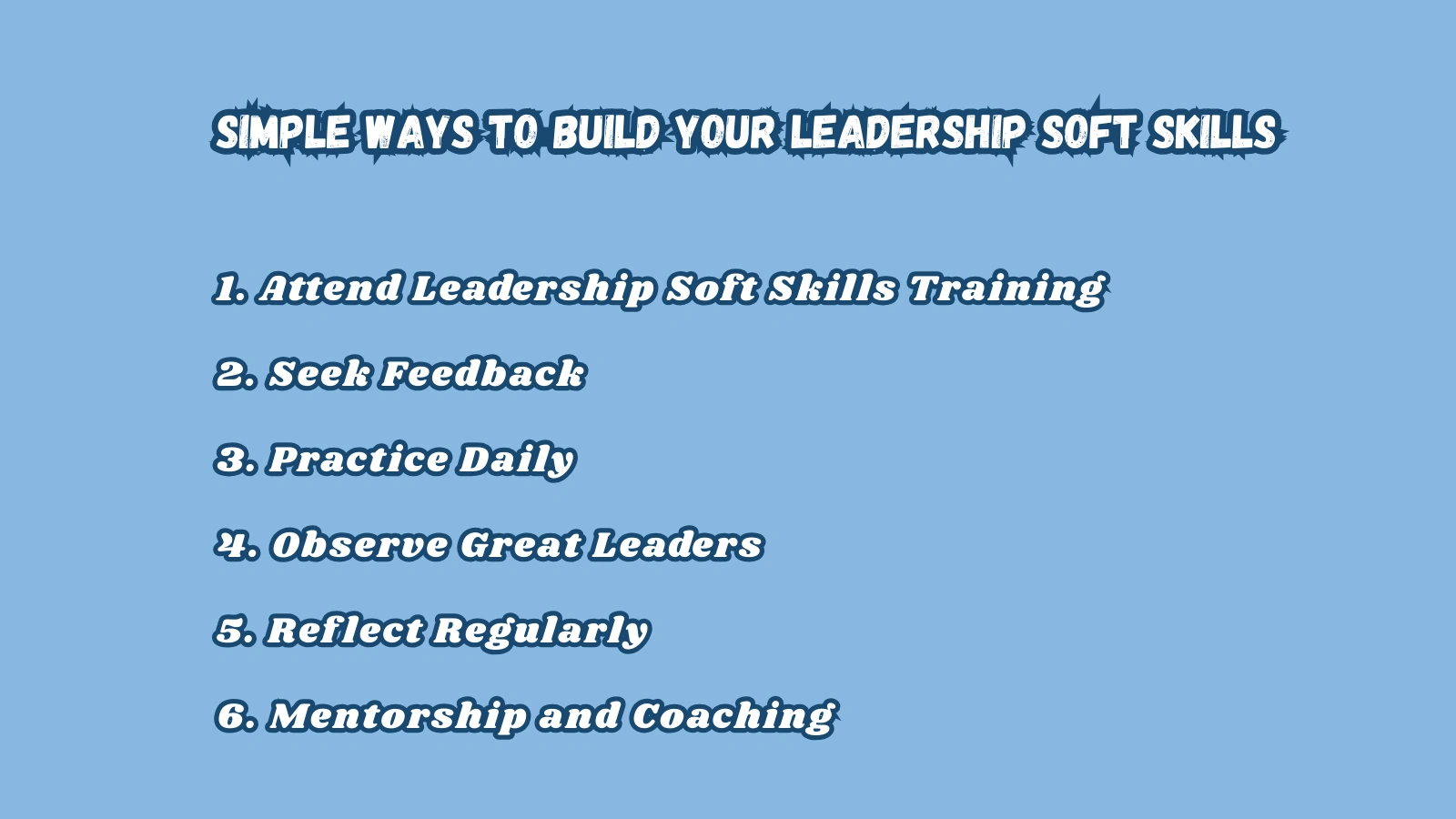
Improving mentorship soft skills requires deliberate action. Here are practical strategies to grow them:
- Attend Leadership Soft Skills Training:
Workshops and training programs teach structured techniques for communication, empathy, and problem-solving. They provide hands-on exercises and real scenarios to develop leadership soft skills effectively. - Seek Feedback:
Asking peers, mentors, or supervisors for honest feedback uncovers blind spots. Constructive input guides improvement, reinforces strengths, and accelerates your growth as a more capable leader. - Practice Daily:
Apply mentorship soft skills in every interaction, meeting, call, and casual conversation. Consistent practice reinforces habits, builds confidence, and makes effective communication and decision-making second nature. - Observe Great Leaders:
Watch experienced leaders in action. Notice how they handle challenges, motivate teams, and communicate. Emulate strategies that align with your style to strengthen your leadership approach. - Reflect Regularly:
Set aside time to review your decisions and interactions. Identify successes and areas needing improvement. Reflection encourages self-awareness, fine-tunes your approach, and enhances mentorship soft skills. - Mentorship and Coaching:
Learning from mentors or coaches who excel in leadership soft skills provides guidance, constructive feedback, and real-world insights. Their support helps you develop skills faster and more effectively.
By following these steps, you transform leadership soft skills from theoretical concepts into actionable behavior.
Read More!
How To Improve Work Culture Using Smart Teamwork Tips?
How To Motivate Staff Through Employee Engagement Ideas?
How Does Using EmpCloud Help You Improve Leadership?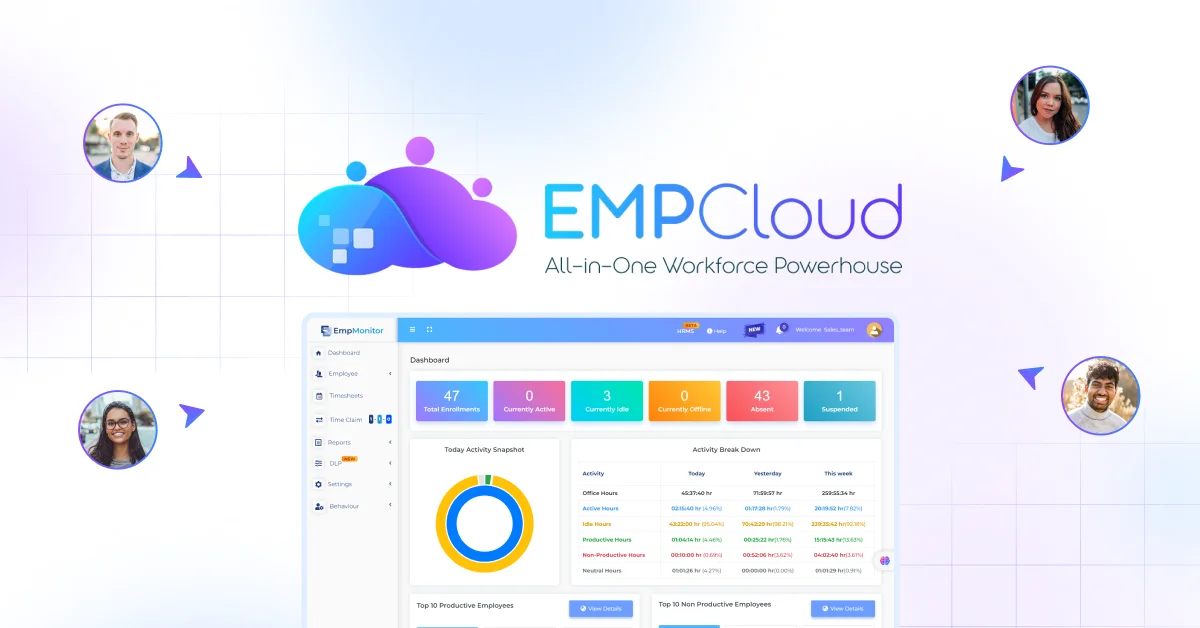
Building mentorship soft skills becomes simpler when you have the right tools. EmpCloud supports leaders in multiple ways, making day-to-day management and team growth more effective.
Keeping Track of Your Team’s Progress and Communication
EmpCloud allows leaders to monitor project updates and team activity in real time. You can see who is completing tasks on schedule and who may need extra support. This transparency helps leaders make informed decisions and provide guidance promptly.
Making Collaboration and Feedback Easy
Team collaboration becomes seamless with EmpCloud. Leaders can assign tasks, track progress, and provide feedback instantly. Employees receive clear instructions and timely updates, reducing confusion and enhancing efficiency.
Using Insights to Improve Decision-Making and Leadership
EmpCloud collects data on employee productivity, attendance, and performance. Leaders can use this information to spot trends, recognize high performers, and address gaps. The platform turns raw data into actionable insights for better leadership decisions.
Tools To Help Manage Your Team And Grow Your Skills
EmpCloud also includes features like:
- Time Tracking & Automated Timesheets:
Track employee hours accurately and automate timesheets, ensuring efficient scheduling, optimal resource allocation, and better productivity for teams. - Geo-Location Tracking:
Monitor field teams in real time, ensure efficient operations, reduce delays, and maintain accountability for team activities across locations. - Project Management Software:
Plan, assign, and oversee projects to ensure timely delivery, track progress, and enhance collaboration among team members effectively. - Face Recognition Attendance System & Leave Management:
Simplify attendance tracking and leave management using secure, contactless face recognition, reducing errors and administrative workload efficiently. - Employee Payroll & Document Management:
Automate payroll calculations and store employee documents securely, streamlining HR processes and saving time for strategic leadership tasks.
EmpCloud offers a complete workforce management suite that supports the entire employee lifecycle from recruitment and onboarding to performance, retention, and smooth offboarding. This makes it easier for management to lead and encourage their team while also focusing on the key aspects of business growth, productivity, and employee well-being. With EmpCloud, leaders can shift their focus from repetitive administrative work to what truly matters: strengthening team relationships, resolving challenges proactively, and sharpening their leadership skills.
Tips To Keep Getting Better At Leadership Skills
Even experienced leaders benefit from continuous improvement. Here are tips to maintain and enhance your leadership soft skills:
Set Measurable Goals:
Define specific Mentorship soft skills to develop and track your progress consistently. Measurable goals provide clarity, help maintain focus, and allow you to see tangible improvements in communication, decision-making, and team management over time.
Participate in Workshops and Seminars:
Attend workshops, seminars, and training sessions to learn fresh leadership techniques. These events offer real-world examples, practical exercises, and opportunities to interact with other leaders, helping you expand your skillset and apply it effectively.
Read Leadership Books and Articles:
Regularly reading books and articles from experienced leaders exposes you to new strategies and perspectives. Learning from their experiences helps you apply practical approaches, solve problems more efficiently, and strengthen your leadership soft skills.
Seek Mentorship:
Work with mentors who excel in mentorship soft skills. Their guidance, feedback, and real-world advice accelerate your development, help you navigate challenges, and provide insight into effective strategies for motivating and managing your team.
Practice Daily:
Use every interaction, from brief conversations to major projects, to practice leadership soft skills. Daily application reinforces habits, improves communication, problem-solving, and decision-making, and ensures skills remain sharp and natural over time.
Ask for Feedback:
Request honest feedback from colleagues, peers, and supervisors to uncover blind spots. Constructive input highlights areas for improvement, reinforces strengths, and guides actionable steps to enhance leadership soft skills consistently.
Consistency is the key. Soft skills grow stronger when leaders actively practice and reflect on them.
Wrapping It Up
Strong leadership soft skills shape careers, enhance team performance, and create lasting professional relationships. By understanding key skills, applying them in real-life situations, and using tools like EmpCloud, leaders can accelerate growth, inspire teams, and make better decisions every day.
Invest time in training, seek feedback, and integrate technology to simplify management tasks. Leadership isn’t just about authority; it’s about influence, empathy, and action. Start honing your skills today and watch your career soar.
FAQs
Q1: What are leadership soft skills?
These are the interpersonal abilities that help leaders guide, motivate, and influence their teams. These abilities, which include communication, empathy, problem-solving, and teamwork, enable leaders to develop trust, encourage participation, and establish a productive, happy workplace.
Q2: Can leadership soft skills be learned?
Yes. Structured instruction, regular practice, peer or mentor feedback, and practical experiences can all help develop leadership abilities. Anyone can improve their communication, decision-making, and team management skills over time with consistent effort and introspection.
Q3: What are some instances of soft skills in leadership?
Clear communication, active listening, conflict resolution, emotional intelligence, flexibility, time management, empathy, and problem-solving are a few examples of soft skills used in mentoring. These abilities support leaders in inspiring groups, making wise choices, and upholding strong
Q4: How does EmpCloud support the growth of soft skills in leadership?
By providing tools for task management, project tracking, collaboration, reporting, and HR procedures, EmpCloud helps leaders. Leaders can concentrate on mentoring, providing feedback, and successfully utilising leadership soft skills for team development by streamlining administrative tasks.
Q5: Why are soft leadership skills crucial for professional advancement?
It improves employee engagement, decision-making, and team performance. These abilities are crucial for long-term career development and success because they improve professional relationships, boost influence, and create opportunities for promotions.
Quick Search Our Blogs
Type in keywords and get instant access to related blog posts.