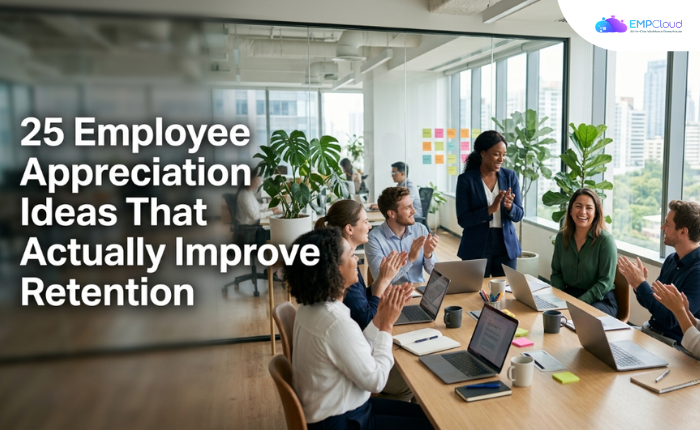
Replacing a mid-level employee costs somewhere between six and nine months of their salary, according to SHRM. For a $60,000-a-year hire, that’s $30,000–$45,000 in recruiting, onboarding, and lost productivity before the new person even knows where the bathrooms are. And one of the most reliable predictors of whether someone stays? Whether they feel genuinely appreciated at work.
That word “genuinely” is doing a lot of work in that sentence. A birthday cake in the break room doesn’t move the needle. A manager who remembers what you shipped last Tuesday and calls it out in the all-hands? That does something entirely different.
Below are 25 employee appreciation ideas with real teeth. Some cost nothing. Some cost $15 a month. A few require actual organizational will. None of them are filler.
Listen To The Podcast Now!
Why Appreciation Is a Retention Strategy, Not a Morale Initiative

Gallup’s research is pretty blunt: employees who don’t receive adequate recognition are twice as likely to say they’ll quit within the next year. Not somewhat more likely. Twice. And those who do feel regularly recognized are 3.7 times more likely to be engaged — the kind of engaged where they proactively solve problems instead of just clocking hours.
There’s a psychological reason for this that doesn’t require a neuroscience degree. Self-Determination Theory, developed by researchers Deci and Ryan at the University of Rochester, identifies “relatedness” and “competence” as core human needs at work. When a manager says “The way you restructured that client report saved the team four hours of back-and-forth,” they’re hitting both: you belong here, and you’re good at this. That’s not touchy-feely. It’s psychology replicated across decades of workplace research.
The mistake most companies make is treating appreciation as something that occurs naturally when culture is good. It doesn’t. It has to be built in deliberately. That’s the whole point of this list.
Employee Appreciation Ideas That Don’t Feel Hollow
Daily Recognition Habits (Ideas 1–7)
- Name-specific Slack shout-outs — and be precise. “Great job, team!” lands as noise. “Maya, the way you handled the Hendricks account when the brief changed at 4pm on a Friday — that kept a client from walking” lands completely differently. Specificity is the whole mechanism.
- Handwritten notes. Still underrated in 2026. Takes three minutes. People keep them in desk drawers for years. There is something about a physical note that no emoji reaction will ever replicate, and that’s not nostalgia — it’s signal strength.
- Outcome-linked praise. Tie the recognition to a real result: “Because you caught that API error before launch, we avoided what would have been a six-hour rollback.” The employee now understands their actual impact — which is far more motivating than being told they’re “a great asset to the team.”
- Birthday flexibility. Not a cake in the conference room. An actual half-day off on their birthday, or the Friday before it. Small calendar change. Outsized signal about how you value people over optics.
- Monday wins recap. Open the week by calling out one specific thing from the previous week that went well. Five minutes in a standup. Sets a fundamentally different tone than leading with the week’s problems and tasks.
- Celebrate the “boring” wins. Finished the compliance audit. Migrated the database without downtime. Cleared the support ticket backlog that had sat for six weeks. These are rarely glamorous, and they’re almost never celebrated — which is exactly why calling them out matters.
- Name the work in all-hands. “I want to call out what Priya and the ops team did this quarter” — and then actually naming people — is a completely different experience from “ops did great work this quarter.” Visibility in front of the whole company carries a weight that a 1:1 compliment simply doesn’t.
Peer-to-Peer Recognition (Ideas 8–12)
- Monthly peer nominations with a real prize. Not a plaque. A $25–$50 gift card the winner actually chooses, or a half-day Friday. Let peers nominate based on a specific criterion — who made someone else’s job easier this month — and keep the process light enough that people actually do it.
- A dedicated kudos channel. Simple, low-friction, already in your tools. Slack or Teams, a #kudos or #wins channel where anyone can post. The catch: managers need to actually participate. A channel where only junior employees post while leadership stays silent will quietly die within two months.
- Anonymous appreciation submissions. Some people genuinely freeze up giving public compliments — especially in introverted or cross-cultural team environments. A simple form or a tool like Bonusly lets them participate in recognition without the performance anxiety of doing it publicly.
- Cross-department shout-outs. When your marketing team publicly thanks someone in engineering for helping them debug a landing page at 6pm, it breaks silos in ways that org charts and all-hands meetings never do. Actively encourage recognition that crosses team lines — it normalizes collaboration in both directions.
- Team-voted quarterly recognition. “Most Helpful This Quarter” sounds corny until you’re the one who wins it. Keep the vote informal, make the prize tangible, and avoid turning it into a LinkedIn post the company repurposes for employer branding. The recognition should feel like it’s for the employee, not the company’s social media calendar.
Career and Growth-Based Recognition (Ideas 13–17)
- Learning stipends. Somewhere between $500 and $1,000 annually — for Coursera courses, industry books, a conference ticket, a certification exam. Companies like Buffer and GitLab have published their learning budgets publicly; the amounts aren’t astronomical, but the message they send is.
- Stretch assignments framed as rewards, not extra work. There’s a version of “we’re giving you more responsibility” that lands as exploitation. And there’s a version where a high performer is explicitly told: “You’ve earned the lead on this project because of how you handled the Q2 migration.” The difference is framing — and whether it comes with real support and credit.
- Public career milestone announcements. Five-year anniversary. First promotion. Professional certification passed. These are worth a company-wide callout, not a quiet email from HR that most people skim and delete.
- Mentorship access as a privilege. Position time with a senior leader or external mentor as something people earn through performance. It costs the company almost nothing and is genuinely valued — particularly by employees early in their careers who are trying to figure out what the next five years look like.
- Protected exploration time. Google’s 20% time produced Gmail and Google Maps. You don’t need to go that far — even four hours a month of structured free time for top performers sends a clear message: we trust you and we invest in your curiosity, not just your deliverables.
Perks That Feel Personal (Ideas 18–21)
- Surprise half-days. No reason given, no advance announcement. Just: “Take the afternoon.” The surprise is part of what makes it land. Scheduled perks become entitlements over time. Unexpected ones feel like gifts — because that’s exactly what they are.
- Lunch with someone at the top. For many employees, an hour with the CEO or a VP is genuinely meaningful — not because they want to network, but because it signals they matter enough to warrant that person’s calendar. At some companies this is standard for top performers. At most, it never happens.
- Personalized gifts based on what they actually care about. One employee runs marathons. Another is into ceramics. A $50 gift that reflects what someone does outside of work takes ten minutes of research and shows you were actually paying attention. Most people can tell the difference between that and a generic Amazon gift card pulled from an HR spreadsheet.
- Subscriptions they’ll actually use. Spotify, Audible, a local coffee roaster subscription, a meal kit for one month. Pick something that fits the person specifically. At $15 a month, it’s barely a line item in a benefits budget. To the employee, it’s a recurring reminder that someone at the company thought about them as a person.
Remote and Hybrid Team Ideas (Ideas 22–25)
- Virtual café budget. $15 a month so remote employees can work from a coffee shop instead of their kitchen table. Trivial cost. Surprisingly high impact — especially for people who’ve been working from home for years and just need a change of scenery they can’t always justify spending their own money on.
- Home office upgrades that actually matter. Not a branded water bottle or a company tote bag. A real desk lamp. A mechanical keyboard. A monitor riser. Something that makes the physical workspace objectively better. For remote employees, the company essentially lives in their apartment — investing in that space is a direct investment in their quality of life.
- Async appreciation videos. A 90-second Loom from a manager or peer: “I noticed what you did on that client proposal and wanted to say something before the week ended.” No scheduling. No Zoom fatigue. And it hits harder than a text message because the employee can see your face and hear your voice.
- “Work from anywhere” weeks. One week per year where top performers can work from wherever they choose — a different city, a family member’s house, a beach rental split with friends. It’s the kind of perk people mention when someone asks them why they stay at a company. And in a talent market where competitors are offering similar salaries, it’s the kind of thing that actually differentiates.
Appreciation Mistakes That Quietly Kill Morale

Generic praise is worse than most managers realize. “Great job” with no context doesn’t register as appreciation — it registers as noise. Employees who hear it twenty times a year and never receive a single specific observation will eventually stop believing their manager is paying attention, because the evidence suggests they’re not.
Policy-driven appreciation is another trap. When recognition clearly comes from a compliance checkbox rather than genuine intent — “we do a recognition lunch every quarter because the handbook says so” — it can actually make things worse. People are not oblivious to performative gestures. They notice.
And remote workers. If your in-office team is getting birthday cakes, impromptu Friday lunches, and hallway shout-outs, while your remote employees receive a Slack emoji once a quarter, you have an equity problem that will show up in your turnover data before it shows up in your culture survey.
Measuring Whether Any of This Is Actually Working
You don’t need to track all of these. Pick three, establish a baseline, and revisit quarterly.
| Metric | What it tells you | How to track it |
|---|---|---|
| eNPS (Employee Net Promoter Score) | Whether employees would recommend working here | Single-question quarterly pulse survey |
| 12-month voluntary turnover rate | Whether people are actually staying — by team, not just company-wide | HR records, tracked by quarter |
| Recognition frequency per manager | Whether appreciation is happening, not just discussed | EMPCloud recognition logs |
| Pulse survey sentiment score | How employees feel about their immediate manager | Bi-monthly pulse via HR platform |
| Recognition-to-headcount ratio | Whether recognition scales as you hire or quietly declines | Recognition events ÷ total headcount, monthly |
If recognition frequency drops every time a team grows, that’s a signal your appreciation culture is manager-dependent — which means it’s fragile. One great manager leaves, and the culture leaves with them. The goal is systems, not individuals.
How EMPCloud Makes Appreciation Systematic, Not Accidental
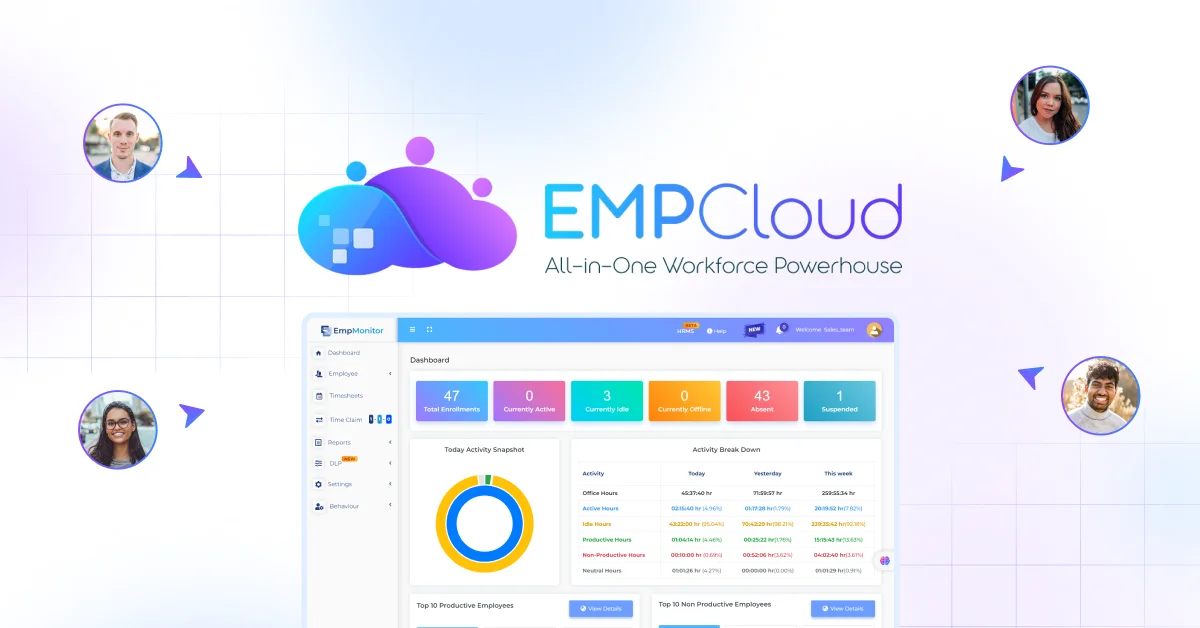
Most appreciation programs fail not because of bad intentions but because they depend on managers remembering. And managers are genuinely busy — running projects, handling escalations, sitting in back-to-back meetings — so “write a recognition note for Jordan’s quarterly review” quietly falls off the list every single time.
EMPCloud is built around exactly this problem. The platform tracks recognition-worthy moments — completed milestones, peer nominations, performance signals pulled from across your HR analytics data — and surfaces them to managers before they’re forgotten. Instead of waiting for a manager to remember, the system prompts: “Three things happened this week that are worth recognizing. Here’s a suggested note for each.”
The recognition log connects directly into performance review cycles, so appreciation isn’t siloed from evaluation. When a manager sits down for a quarterly review, they have a timestamped record of specific moments — not just a vague impression of how the year went. And for distributed teams, EMPCloud’s async recognition tools mean a manager in London can send a meaningful, specific note to someone in Nairobi without coordinating a single time zone.
See how EMPCloud surfaces recognition-worthy moments before they slip through the cracks — book a demo and we’ll show you exactly how it works.
Frequently Asked Questions
How often should employee appreciation actually happen?
More often than most managers think. Gallup’s research suggests that meaningful recognition needs to happen at least once a week to consistently affect engagement — not a formal ceremony, just a specific and genuine observation. Monthly all-hands shout-outs are a floor, not a ceiling. The frequency matters more than the formality.
What’s the difference between staff appreciation ideas and employee recognition programs?
Appreciation is broader. It includes the informal, spontaneous moments — a handwritten note, a specific Slack message, an unexpected half-day off — alongside structured programs. Recognition programs are usually formal: annual awards, peer-nomination cycles, performance bonuses. Both matter, but if you only have the formal structure and none of the informal culture, employees can tell. The informal stuff is usually what they remember.
Do these appreciation ideas actually work for remote teams?
Yes — but you have to design for it deliberately. The ideas that work in-person (impromptu coffee, a tap on the shoulder, a hallway conversation) simply don’t exist in remote environments. You need async tools, virtual perks, and managers who treat recognition as a scheduled habit rather than something that happens when they happen to walk past someone’s desk.
What is Employee Appreciation Day and is it worth doing something for it?
Employee Appreciation Day falls on the first Friday of March each year. It’s a reasonable hook for a company-wide moment — an early finish, a team lunch stipend, a personalized note from leadership. But treating it as your one big appreciation event per year is exactly the wrong lesson to take from it. The research is unambiguous: a single annual event doesn’t move retention numbers. Consistent, specific, frequent recognition does. Think of Appreciation Day as a reminder, not a substitute.
How does EMPCloud specifically help with employee appreciation?
EMPCloud tracks performance data, peer feedback, and milestone completions across your organization, then surfaces recognition prompts to managers at the right moment — before the moment is forgotten. It connects appreciation directly to your performance review cycle and gives HR visibility into recognition frequency across teams, so you can see exactly where the culture is strong and where specific managers need support. See the full feature set here.
Quick Search Our Blogs
Type in keywords and get instant access to related blog posts.