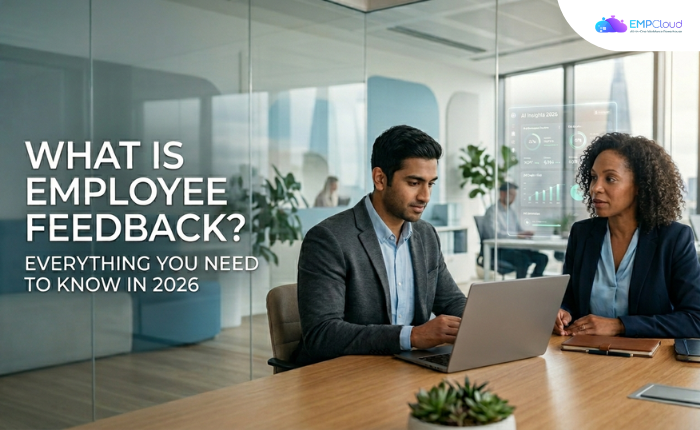
Employee feedback has always been part of the workplace. But in 2026, it’s no longer just an HR process tucked away in annual reviews. It’s one of the biggest factors influencing employee engagement, retention, productivity, and even business growth.
Think about it for a moment. Every employee wants to know where they stand. Are they doing well? What can they improve? Does their work make a difference? At the same time, organizations want to understand what’s working, what’s frustrating employees, and what changes can create a better workplace.
That’s exactly where employee feedback bridges the gap.
When feedback becomes an ongoing conversation instead of a once-a-year event, people feel heard rather than evaluated. Managers become coaches instead of critics. Teams become more collaborative, transparent, and aligned toward common goals.
The numbers back this up too. Companies that encourage regular feedback consistently report higher engagement, stronger trust between employees and leadership, and lower turnover compared to organizations that rely solely on annual performance reviews.
However, simply asking for opinions isn’t enough. The real value comes from knowing how to collect feedback, deliver it effectively, and most importantly, act on it.
In this guide, you’ll learn everything about employee feedback—from its meaning and benefits to practical examples, proven strategies, and the best ways to build a workplace where feedback drives continuous improvement.
In a hurry? Listen to the blog instead!
What Is Employee Feedback?
Employee feedback is the continuous exchange of information, observations, suggestions, and performance-related insights between employees, managers, peers, and organizational leaders.
Unlike traditional performance evaluations that often focus only on results, modern employee feedback focuses equally on growth, collaboration, communication, and development.
It works in multiple directions:
- Managers provide guidance to employees.
- Employees share ideas with managers.
- Colleagues offer peer-to-peer feedback.
- Teams provide input about leadership.
- Organizations gather workforce sentiment through surveys and check-ins.
The goal isn’t to criticize or praise randomly.
It’s to create meaningful conversations that help people improve while giving organizations valuable insights into employee experiences.
For example:
Instead of saying,
“You need better communication skills.”
A manager might say,
“During yesterday’s client meeting, your technical explanation was detailed, but simplifying it with examples would have helped the client follow the discussion more easily.”
One statement is vague.
The other gives context, direction, and a clear opportunity for improvement.
That’s what effective employee feedback looks like.
Why Employee Feedback Matters More Than Ever in 2026
Work has changed dramatically over the past few years.
Hybrid teams, remote employees, AI-assisted workflows, flexible schedules, and cross-functional collaboration have made communication more important than ever before.
Managers can no longer rely on observing employees every day to understand performance or engagement.
Likewise, employees expect far more than an annual appraisal. They want regular coaching, recognition, and opportunities to grow.
This shift explains why employee feedback has become a business strategy rather than simply an HR responsibility.
Organizations that encourage open feedback benefit in several ways:
- Employees feel valued because their opinions matter.
- Managers identify problems before they become major issues.
- Leadership gains real-time insights into workplace culture.
- Teams collaborate with greater trust.
- Employees receive clearer direction for professional growth.
Feedback also helps organizations adapt faster.
Imagine a company introducing a new project management system.
Without employee feedback, leadership may assume everything is working smoothly.
With continuous feedback, they might quickly discover that teams need additional training or that certain workflows are creating unnecessary delays.
Small conversations often prevent large organizational problems.
Why Employee Feedback Is Important for Every Organization

Many businesses still associate feedback with performance ratings.
In reality, its impact reaches almost every aspect of an organization.
1. It Improves Employee Performance
People perform better when they know what’s expected of them.
Regular guidance helps employees identify strengths they can build upon while addressing challenges before they affect productivity.
Instead of waiting months to discuss performance, managers can make small course corrections throughout the year.
Continuous improvement almost always beats annual surprises.
2. It Builds Employee Engagement
One of the biggest reasons employees disengage isn’t workload.
It’s feeling ignored.
When organizations genuinely ask for opinions—and act on them—employees feel respected and included in decision-making.
That emotional connection often translates into higher motivation and stronger commitment.
3. It Creates Better Managers
Feedback isn’t only for employees.
Managers also benefit from hearing how their leadership style affects the team.
Perhaps communication isn’t clear.
Maybe meetings could be shorter.
Or employees need more recognition.
These insights help managers become better leaders rather than assuming everything is working perfectly.
4. It Strengthens Workplace Trust
Trust grows when conversations are honest, respectful, and consistent.
Employees are far more likely to share ideas, report challenges, or suggest improvements when they know their voices won’t be ignored.
Over time, this creates psychological safety—one of the strongest indicators of high-performing teams.
5. It Supports Employee Retention
People rarely leave organizations simply because of compensation.
Many leave because they don’t see growth opportunities or feel disconnected from leadership.
Meaningful feedback addresses both concerns.
Employees understand how they’re progressing, where they can improve, and how their careers can evolve inside the company.
6. It Drives Better Business Decisions
Employees interact with customers, systems, and processes every day.
They often notice operational problems before executives do.
Collecting employee feedback regularly helps organizations identify bottlenecks, improve workflows, and make more informed business decisions based on real workplace experiences.
Types of Employee Feedback Every Workplace Should Use
A strong feedback culture doesn’t rely on one annual meeting.
It combines multiple feedback methods throughout the employee lifecycle.
1. Manager-to-Employee Feedback
This remains the most common form of employee review feedback.
Managers discuss performance, achievements, improvement opportunities, and career development with their direct reports.
When delivered consistently—not just during formal reviews—it becomes a coaching tool rather than an evaluation process.
2. Employee-to-Manager Feedback
Leadership also needs feedback.
Employees often have valuable insights into communication, management style, decision-making, and workplace challenges.
Anonymous surveys, pulse checks, and one-on-one conversations encourage employees to share honest perspectives while helping managers improve their leadership effectiveness.
3. Peer-to-Peer Feedback
Some of the most valuable observations come from colleagues who work together every day.
Peer feedback encourages collaboration, knowledge sharing, and accountability across teams.
It also highlights contributions that managers may not always see.
4. 360-Degree Feedback
Instead of relying on one manager’s perspective, 360-degree feedback gathers input from multiple sources, including supervisors, peers, direct reports, and sometimes even customers or clients.
This provides a more balanced view of an employee’s strengths and development areas while reducing individual bias.
5. Real-Time Feedback
Waiting until the end of the quarter to discuss an issue rarely benefits anyone.
Real-time feedback focuses on addressing achievements or challenges while they’re still fresh. It could be a quick message after a successful client presentation, a short discussion following a project milestone, or immediate coaching after a missed deadline.
Because it’s timely, employees can connect the feedback directly to their actions and make improvements much faster.
Employee Feedback Examples

Understanding feedback is one thing. Delivering it effectively is another.
The best employee feedback examples are clear, specific, and focused on behavior rather than personality.
Positive Employee Feedback Examples
Instead of saying:
“Great job.”
Try saying:
“Your preparation for today’s client meeting made a huge difference. You anticipated every question confidently, which helped the client make a quicker decision.”
Instead of:
“Thanks for helping.”
Say:
“I noticed you stayed back to support the product team before the launch. That level of collaboration kept the project on schedule, and everyone appreciated your willingness to step in.”
Instead of:
“You’re doing well.”
Say:
“Over the last two months, you’ve consistently met deadlines while maintaining excellent quality. Your planning and organization have become one of your biggest strengths.”
Specific praise reinforces behaviors you’d like employees to repeat.
Constructive Employee Feedback Examples
Constructive feedback should always guide improvement rather than create discouragement.
Instead of:
“You need better communication.”
Try:
“During yesterday’s presentation, you covered all the important information, but moving a little slower and inviting questions throughout would have made it easier for everyone to follow.”
Instead of:
“Your reports aren’t good enough.”
Say:
“The data in your reports is accurate, but adding a short executive summary would make them much easier for leadership to review quickly.”
Notice the difference.
Constructive feedback focuses on actions that can change—not personal traits that cannot.
Common Employee Feedback Mistakes Organizations Should Avoid
Many companies have feedback systems.
Far fewer have feedback cultures.
The difference often comes down to avoiding these common mistakes.
Treating Feedback as an Annual Event
Annual reviews have their place, but waiting twelve months to discuss performance creates unnecessary surprises.
Employees deserve ongoing guidance—not a year’s worth of comments compressed into one meeting.
Talking More Than Listening
Feedback should never become a one-sided lecture.
Managers often focus on delivering their observations while forgetting to ask questions like:
- How do you feel about this project?
- What challenges are you facing?
- What support would help you perform better?
Listening often uncovers problems that performance metrics never reveal.
Learn More:
How Do AI Tools Improve Employee Experience?
Why Your Company Needs A Feedback Culture (And How To Start One)
Being Too General
Comments like:
- “Do better.”
- “Improve communication.”
- “Be more proactive.”
leave employees wondering what actually needs to change.
Specific examples create clear action plans.
Focusing Only on Weaknesses
Employees don’t grow from criticism alone.
Recognizing strengths is equally important because it reinforces behaviors worth repeating and builds confidence.
The goal isn’t balancing positive and negative comments artificially.
It’s giving honest feedback that helps employees succeed.
Ignoring Employee Feedback
Perhaps the biggest mistake is asking employees for input without acting on it.
Nothing damages trust faster than surveys that disappear into silence.
Even if every suggestion can’t be implemented, organizations should communicate what they heard, what they’re changing, and why.
Employees appreciate transparency almost as much as change itself.
Best Practices for Building a Strong Employee Feedback Culture

Successful organizations don’t treat feedback as a process.
They make it part of everyday work.
Here are the practices that consistently make the biggest difference.
Make Feedback Continuous
Frequent conversations are far more valuable than yearly evaluations.
Short monthly or bi-weekly check-ins help managers understand progress while giving employees regular opportunities to ask questions and discuss challenges.
Create Psychological Safety
Employees should never fear punishment for sharing honest opinions.
People contribute their best ideas when they know they’ll be respected—even if leadership doesn’t always agree.
Creating that environment starts with managers who listen without becoming defensive.
Train Managers to Give Better Feedback
Being promoted into management doesn’t automatically make someone skilled at coaching others.
Organizations should teach managers how to:
- Deliver constructive feedback.
- Recognize achievements.
- Ask meaningful questions.
- Listen actively.
- Handle difficult conversations professionally.
The quality of employee feedback often reflects the quality of leadership training.
Follow Up on Every Feedback Conversation
Feedback without action quickly loses credibility.
Every meaningful discussion should end with a simple action plan:
- What needs improvement?
- What support is required?
- When will progress be reviewed?
This transforms conversations into measurable development.
Recognize Success Frequently
Recognition shouldn’t be reserved for exceptional achievements.
Acknowledging consistent effort, collaboration, innovation, or problem-solving helps employees stay motivated and reinforces positive workplace behaviors.
What to Look for in an Employee Feedback Platform
As organizations grow, managing feedback through spreadsheets, emails, or handwritten notes quickly becomes inefficient.
A dedicated employee feedback platform centralizes feedback, simplifies performance discussions, and makes development easier to track across the organization.
When evaluating a platform, look for features such as:
- Continuous feedback tools
- Performance review management
- Goal tracking
- One-on-one meeting records
- Employee surveys and pulse checks
- 360-degree feedback
- Analytics and reporting
- Recognition and appreciation features
The right platform shouldn’t just collect feedback—it should help managers turn conversations into meaningful action while giving leadership visibility into engagement trends across teams.
As continuous feedback becomes the new workplace standard, integrated platforms like EMPCloud help organizations manage employee feedback alongside performance, engagement, HRMS, and AI-powered workforce insights—all from a single platform. This makes it easier to turn feedback into real, measurable improvements.
How EMPCloud Helps Build a Strong Employee Feedback Culture
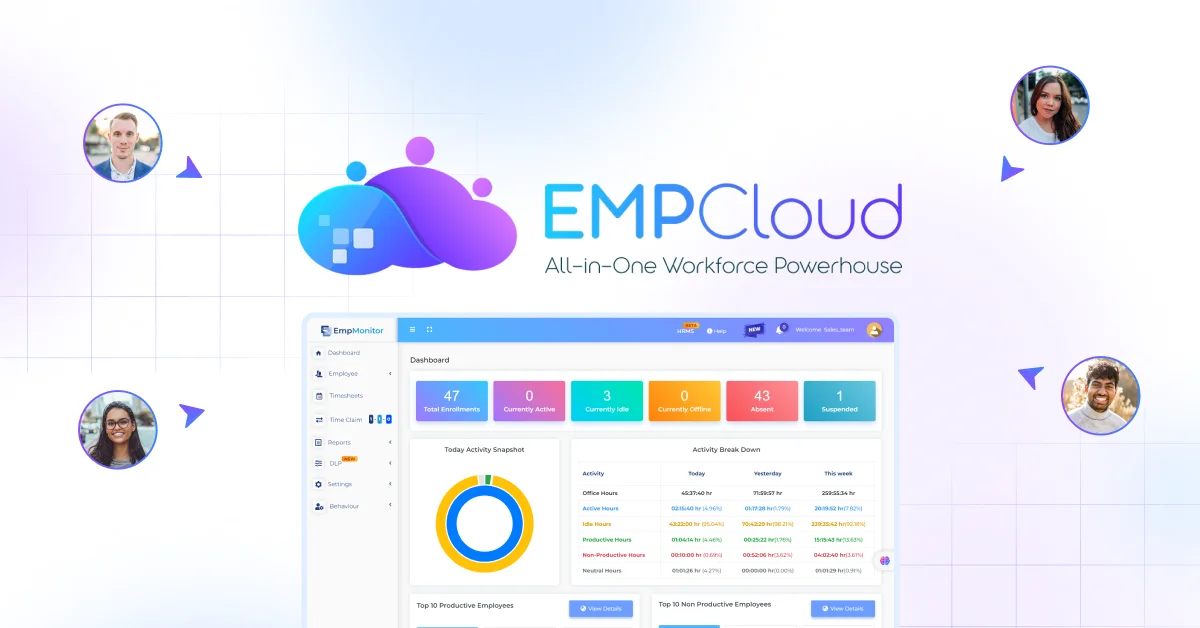
Creating a feedback-first culture requires more than annual performance reviews. It demands a platform that enables continuous conversations, recognizes achievements, tracks employee development, and transforms workforce insights into meaningful action.
EMPCloud is an AI-powered workforce management platform designed to manage the complete employee lifecycle—from recruitment and onboarding to performance management, employee engagement, payroll, and exit management. By bringing every HR function together in one intelligent ecosystem, it makes employee feedback more consistent, measurable, and impactful.
Key Features That Strengthen Employee Feedback
- HRMS – Centralize employee records, attendance, leave, documents, and policies to support informed and meaningful feedback conversations.
- EmpMonitor – Gain real-time visibility into employee productivity and work patterns, enabling managers to provide timely, data-driven feedback.
- Performance Management – Conduct structured performance reviews, track goals, and support continuous employee development with actionable insights.
- Payroll Management – Simplify payroll processing while ensuring accurate employee records that support transparent performance and HR operations.
- Field Force Management – Monitor and manage field employees efficiently with real-time location tracking and activity monitoring for better workforce visibility.
- Project Management – Improve collaboration by tracking tasks, monitoring project progress, and keeping teams aligned with organizational goals.
Turn Feedback Into Meaningful Action
Collecting employee feedback is only the beginning. The real value comes from acting on those insights, recognizing employee contributions, and supporting continuous growth.
EMPCloud combines AI-powered insights, workforce automation, and comprehensive HR management to help organizations transform employee feedback into stronger engagement, better performance, and smarter business decisions.
Ready to build a workplace where feedback leads to action? Book a demo with EMPCloud today and discover how one intelligent platform can help your people—and your business—grow together.
Final Thoughts
The most successful organizations don’t build great workplaces by accident.
They build them through conversations.
Employee feedback creates those conversations.
It helps managers coach instead of criticize, encourages employees to share ideas confidently, strengthens trust across teams, and provides leaders with the insights needed to make better decisions.
More importantly, it reminds employees that they’re more than performance metrics—they’re contributors whose ideas, experiences, and growth genuinely matter.
As workplaces continue evolving in 2026, organizations that embrace continuous, two-way feedback won’t just improve employee performance.
They’ll build stronger cultures, retain better talent, and create teams that are equipped to grow together.
Frequently Asked Questions
1. What is employee feedback?
Employee feedback is the ongoing exchange of constructive information, suggestions, recognition, and performance insights between employees, managers, peers, and leadership to support individual growth and organizational success.
2. Why is employee feedback important?
Understanding why employee feedback is important starts with recognizing its impact. Regular feedback improves employee engagement, strengthens trust, increases productivity, supports career development, and helps organizations make better business decisions.
3. What are some employee feedback examples?
Some common employee feedback examples include recognizing outstanding teamwork, suggesting improvements after presentations, discussing missed deadlines constructively, acknowledging leadership skills, and appreciating employees who consistently exceed expectations.
4. What is employee review feedback?
Employee review feedback refers to structured discussions that evaluate an employee’s performance, achievements, strengths, challenges, and future development during formal performance reviews.
5. What should an employee feedback platform include?
A modern employee feedback platform should support continuous feedback, performance reviews, goal tracking, 360-degree feedback, employee surveys, recognition, reporting dashboards, and analytics that help organizations turn feedback into measurable improvements.
Quick Search Our Blogs
Type in keywords and get instant access to related blog posts.