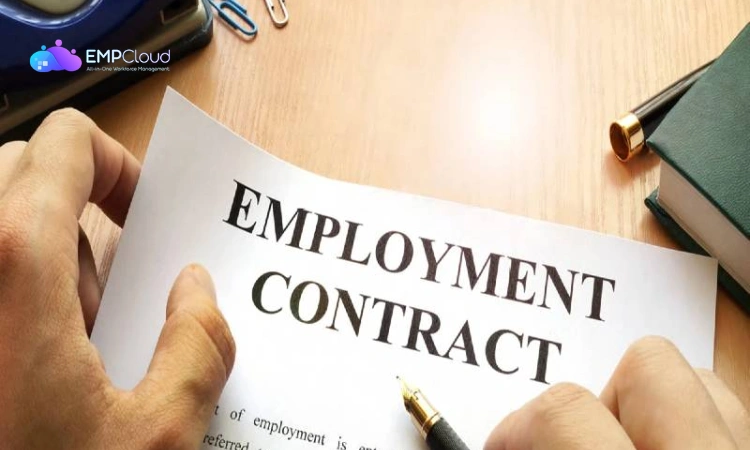
An employment contract forms the foundation of every professional relationship between an employer and an employee. It defines expectations, protects rights, and ensures clarity from day one. In today’s fast-evolving work environment, having a well-structured work contract is not just a legal formality, it is a strategic necessity.
Businesses now operate across remote, hybrid, and global teams. Without a clear employment contract, misunderstandings around roles, compensation, and responsibilities can quickly arise. This is why modern organizations invest time and effort into drafting agreements that are transparent, fair, and future-ready.
In this blog, we will break down everything you need to know about a work contract, its importance, components, benefits, and how tools like EmpCloud simplify managing contracts and workforce operations.
Listen To The Podcast Now!
What Is An Employment Contract?
it is a legally binding agreement between an employer and an employee that outlines the terms of employment.
An employment contract typically includes:
- Job role and responsibilities
- Salary and benefits
- Working hours
- Leave policies
- Confidentiality clauses
- Termination conditions
A clear work contract ensures both parties understand their obligations. It reduces ambiguity and creates a structured work environment where expectations remain aligned.
Why Is An Employment Contract Important For Businesses?

An employment contract plays a crucial role in protecting both employers and employees. Without a clear agreement, businesses risk disputes, compliance issues, and operational inefficiencies.
Using a well-designed contract template for employment can simplify the process, ensuring that all essential terms are included while maintaining consistency across the organization.
Here’s why every organization needs a strong work contract:
Legal Protection:
A properly drafted employment contract safeguards businesses against legal disputes. It clearly defines rights and responsibilities, making it easier to resolve conflicts.
Improved Transparency:
A detailed work contract eliminates confusion. Employees know what is expected, and employers have documented proof of agreed terms.
Enhanced Accountability:
When expectations are clearly defined, employees take ownership of their roles. This improves productivity and accountability across teams.
Stronger Employer Branding:
Professional contracts create a positive first impression. Candidates are more likely to trust organizations that provide a clear work contract.
What Are The Key Elements Of An Employment Contract?
A well-structured employment contract includes several essential components. Each section plays a specific role in clearly defining the working relationship and avoiding future misunderstandings, including clarity around classifications such as a statutory employee where applicable.
Job Title And Responsibilities:
This section clearly defines the employee’s role, key duties, and performance expectations. A detailed job description helps prevent confusion and ensures accountability from day one.
Compensation And Benefits:
It outlines the salary structure, bonuses, incentives, and additional benefits such as insurance or allowances. Clear compensation details build trust and reduce the risk of disputes.
Working Hours And Location:
This specifies daily working hours, shift timings, and whether the role is remote, hybrid, or on-site. It helps set boundaries and ensures alignment with business operations.
Leave Policies:
This includes details about paid leave, sick leave, holidays, and any other time-off policies. Clearly defined leave rules promote fairness and help in workforce planning.
Confidentiality Agreements:
This section protects sensitive company information, trade secrets, and client data. It ensures that employees understand their responsibility to maintain confidentiality during and after employment.
Termination Clauses:
It explains notice periods, valid reasons for termination, and exit procedures. This ensures a smooth separation process and minimizes legal complications for both parties.
How Does A Contract Of Employment Differ From Informal Agreements?

A contract of employment provides far greater reliability and protection than informal verbal agreements. While informal arrangements can lead to misunderstandings and inconsistent expectations, a written contract ensures clarity, accountability, and legal enforceability.
Key differences include:
- Written documentation vs verbal understanding: Contracts provide a permanent record of agreed terms, preventing disputes over what was promised.
- Legal enforceability vs informal expectations: Formal agreements are legally binding, protecting both the employer and employee in case of conflicts.
- Clear policies vs assumed responsibilities: Contracts outline roles, responsibilities, and procedures, removing ambiguity and guiding daily work.
By using structured contracts, organizations can reduce workplace disputes, ensure compliance with labor laws, and improve operational efficiency.
Clear agreements also build trust with employees, promote accountability, and provide a framework for performance management, making day-to-day operations smoother and more predictable.
How Can Businesses Create A Strong Employment Contract?
Creating a strong employment contract requires careful planning and attention to detail. It is not just about compliance, it is about clarity, fairness, and ensuring both parties understand their rights, responsibilities, and how the role contributes to broader contract employment opportunities within the organization.
Customize Contracts for Each Role:
Each employee’s contract should reflect their specific responsibilities, reporting lines, and performance expectations. Tailoring contracts to roles ensures relevance, avoids confusion, and sets clear accountability from the start. These details also make it easier to issue accurate supporting documents like an employment verification letter when required.
Use Clear and Simple Language:
Contracts should be written in straightforward, easy-to-understand language. Avoid complex legal jargon so employees fully comprehend their obligations, rights, and benefits, reducing the risk of misunderstandings or disputes.
Update Contracts Regularly:
work contracts should be reviewed and revised periodically to reflect changes in company policies, job roles, or labor laws. Regular updates keep contracts relevant, compliant, and aligned with evolving business needs.
Use Templates Thoughtfully:
Templates can save time and provide a structured starting point, but they must be customized for the organization’s specific policies, benefits, and legal requirements. This ensures completeness and prevents gaps that could create disputes.
Also Read:
Employment Verification Letter: Everything You Need To Know
Statutory Employee Explained: Meaning, Benefits, Taxes, and Examples
What Challenges Do Companies Face While Managing Employment Contracts?
Managing an work contract becomes increasingly complex as organizations grow. It is not just about drafting agreements, but maintaining clarity, compliance, and accessibility over time.
- Document Management Issues:Handling multiple contracts and versions can lead to confusion and misplaced records.
- Compliance Challenges:Keeping contracts aligned with changing labor laws and policies can be difficult without proper systems.
- Data Management Complexity:Storing and linking employee data securely with contracts often becomes hard to manage.
- Lack Of Visibility:Without centralized access, tracking contract terms and workforce insights becomes inefficient.
As these challenges grow, businesses often look for smarter solutions to simplify the process. This is where platforms like EmpCloud become valuable.
By centralizing contract management with HR operations and performance tracking, EmpCloud helps organizations manage every employment contract more efficiently while improving overall productivity and decision-making.
Why Should You Use EmpCloud For Workforce Management?
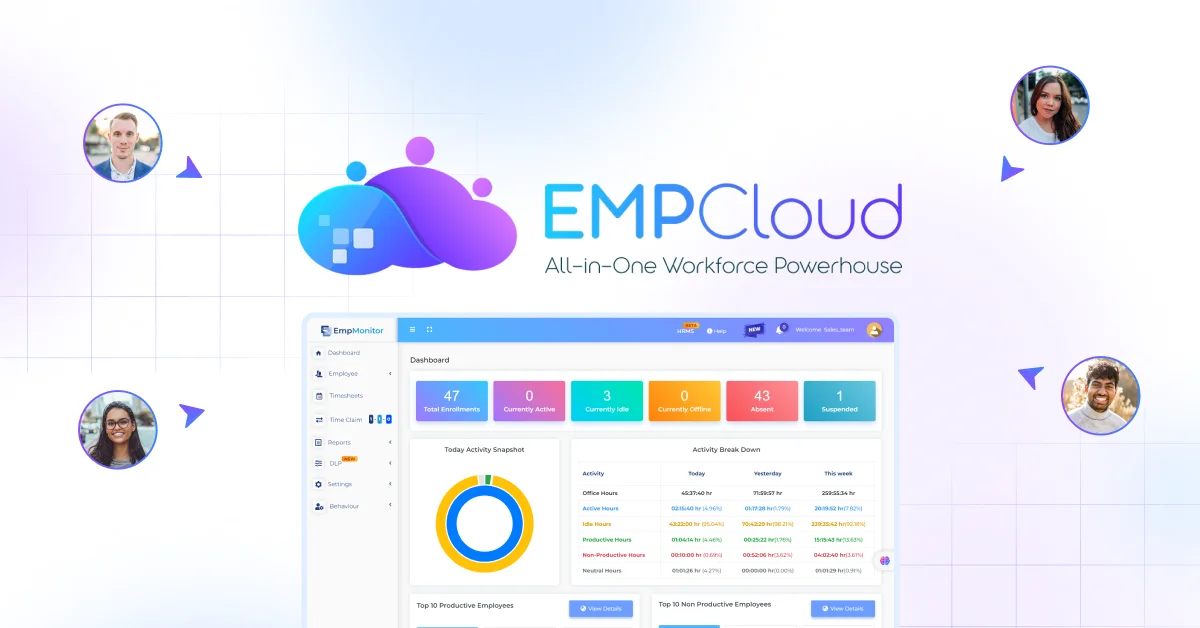
EmpCloud goes beyond basic HR tools. It offers a comprehensive platform that connects your employment contract processes with real-time workforce insights.
Here’s how EmpCloud adds value:
Simplified Document Management:
EmpCloud stores and manages every employment contract in a centralized system, eliminating confusion and ensuring easy access.
Improved Time Tracking:
Built-in time tracking helps align employee work hours with the terms defined in the work contract.
Enhanced Productivity Monitoring:
Real-time performance insights help managers ensure employees stay aligned with their responsibilities.
Support For Field Teams:
Geo-location tracking enables better monitoring of field employees and ensures adherence to company guidelines.
Streamlined HR Processes:
From onboarding to exit management, every stage is aligned and efficiently managed in one platform.
Centralized Workforce Insights:
A unified dashboard provides a complete view of performance, attendance, and productivity for better decision-making.
What Features Make EmpCloud Stand Out?
EmpCloud offers powerful features that transform how businesses manage their workforce and work contract processes.
Manager-Centric Features:
- Task allocation and real-time tracking
- Productivity monitoring
- Project management tools
- Client management systems
- Detailed report generation
HR-Centric Features:
- Policy and document management for every work contract
- Automated timesheets for accurate tracking
- Leave and attendance management
- Payroll automation
- Exit management for smooth offboarding
Security And Compliance:
- Data loss prevention
- Secure document storage
- Access history tracking
These features ensure every employment contract remains aligned with actual employee performance and business goals.
How Does An Employment Contract Impact Employee Experience?
A work contract does more than define rules, it shapes the overall employee experience and influences engagement, trust, and growth.
- Builds Trust:
A clear and transparent contract demonstrates that the organization values fairness and consistency, helping employees feel secure and confident in their role. - Enhances Engagement:
When employees fully understand their responsibilities, expectations, and benefits, they are more motivated, focused, and committed to their work. - Reduces Conflicts:
Clearly defined policies and procedures minimize misunderstandings, ensuring smoother day-to-day interactions and fewer disputes. - Supports Career Growth:
By outlining responsibilities, performance expectations, and development opportunities, contracts guide employees on how to advance within the organization.
How Does An Employment Contract Support Business Growth?
A strong work contract is more than a legal formality, it forms the foundation for business growth. By clearly defining roles, responsibilities, and expectations, it reduces confusion, improves efficiency, and ensures employees focus on the tasks that drive meaningful results. Clear contracts also help employees understand their priorities, deadlines, and reporting structure, which boosts accountability and performance.
Beyond operational clarity, employment contracts support compliance and risk management. Aligning contracts with labor laws, company policies, and industry standards reduces legal risks and ensures fair treatment across the organization.
This consistency fosters a transparent work environment, builds trust between employees and management, and provides a reliable framework for resolving disputes.
Well-drafted contracts also strengthen employer credibility and attract top talent by demonstrating professionalism and fairness. They align employee efforts with organizational goals, streamline workflows, and improve collaboration across teams.
Over time, this leads to higher productivity, smoother operations, and a motivated workforce, creating the foundation for long-term, sustainable business growth.
How Can Technology Improve Employment Contract Management?

Technology has transformed how businesses handle a work contract. Tools like EmpCloud make it easier to manage documents, track performance, and ensure compliance.
Benefits of using technology include:
- Centralized contract storage
- Automated workflows
- Real-time tracking
- Data-driven decision-making
Using technology also improves collaboration across teams, allowing managers and HR to access and update contracts seamlessly. It enhances security with encrypted storage and audit trails, ensuring sensitive employee information is fully protected while streamlining overall contract management.
What Is The Future Of Employment Contracts?
The future of employment contracts is evolving to meet modern workplace demands.
Key trends shaping the future include:
- Flexible agreements – Contracts will adapt to remote, hybrid, and gig-based roles.
- Automation in management – Platforms like EmpCloud will handle approvals, updates, and compliance efficiently.
- Data integration – Contracts will link with performance and productivity metrics for better alignment.
- Employee-centric policies – Agreements will focus on well-being, engagement, and career growth.
These trends will make work contracts more than just legal documents. Businesses will be able to manage them efficiently, ensure compliance, protect sensitive information, and align employee performance with organizational goals, creating a foundation for long-term growth and a more motivated workforce.
Conclusion
An employment contract is no longer just a document, it is a strategic tool that drives clarity, compliance, and productivity. From defining roles to protecting business interests, it plays a vital role in organizational success.
As businesses grow, managing every work contract manually becomes inefficient. This is where solutions like EmpCloud provide a competitive advantage by combining contract management with powerful workforce insights.
If you want to build a transparent, efficient, and scalable organization, start by strengthening your work contract processes and supporting them with the right technology.
A well-crafted work contract does not just protect your business, it empowers your people and fuels long-term growth.
FAQs
1. Can an employment contract be changed after signing?
Yes, it can be updated if both the employer and employee agree to the changes. Any modification should be documented and signed again to maintain legal validity.
2. What happens if there is no written employment contract?
Without a written agreement, disputes are harder to resolve. Verbal agreements may still hold value, but they lack clarity and strong legal backing.
3. Are digital contracts legally valid?
Yes, digital agreements are legally valid in most countries if they follow proper authentication and consent processes, such as e-signatures.
4. How long should a company keep employee agreements on record?
Businesses should retain records for several years after an employee leaves, depending on local labor laws and compliance requirements.
5. Who should review a contract before it is finalized?
It is advisable to have a legal expert or HR professional review the document to ensure compliance, fairness, and clarity before signing.
Quick Search Our Blogs
Type in keywords and get instant access to related blog posts.