
Managing projects efficiently has become more challenging than ever. With teams working remotely, multiple tasks running simultaneously, and tight deadlines to meet, staying organized is no longer optional: it’s essential. This is where project tracking software plays a crucial role.
From startups to large enterprises, businesses rely on digital tools to streamline workflows, monitor progress, and ensure that nothing falls through the cracks. Instead of juggling spreadsheets, emails, and manual updates, teams can use a centralized system to track every aspect of a project in real time.
The rise of online project management tools has made collaboration easier, allowing team members to stay connected regardless of location. Whether it’s assigning tasks, tracking deadlines, or analyzing performance, these tools bring clarity and structure to complex workflows.
Listen To The Podcast Now!
What Is Project Tracking Software?
Project tracking software is a digital solution designed to help teams plan, organize, and monitor projects from start to finish. It provides a centralized platform where all project-related information tasks, timelines, resources, and progress can be managed efficiently.
Unlike traditional methods of project management, which often rely on scattered tools and manual updates, modern project tracking tools offer automation and real-time insights. This allows teams to stay aligned, reduce errors, and make faster decisions.
At its core, this software helps break down complex projects into smaller, manageable tasks. Each task can be assigned to specific team members, given deadlines, and tracked for progress. Managers can easily identify bottlenecks, monitor team performance, and ensure that projects stay on schedule.
Many businesses also use free project management software to get started, especially small teams looking for cost-effective solutions. As their needs grow, they often upgrade to more advanced platforms with additional features.
By providing visibility, structure, and accountability, project tracking software becomes an essential tool for improving efficiency and productivity across teams.
How Project Tracking Software Improves Team Productivity
Project tracking software helps teams work smarter by bringing structure, clarity, and efficiency to everyday tasks.
1. Clear Task Management
It assigns tasks with deadlines and responsibilities, so everyone knows exactly what to do reducing confusion and delays.
2. Real-Time Progress Tracking
Teams and managers can instantly see project status, making it easier to fix issues before they grow.
3. Better Collaboration
With built-in communication features, online project management tools keep discussions, files, and updates in one place.
4. Improved Time Management
Tracking time spent on tasks helps teams plan better and meet deadlines consistently.
5. Automation of Repetitive Work
Many project tracking tools automate reminders, updates, and task assignments, saving time and effort.
6. Smarter Decision Making
Insights and reports from project tracking software help businesses improve workflows and boost overall efficiency.
Key Features to Look for in Project Tracking Software
Choosing the right project tracking software can make a huge difference in how efficiently your team operates. Here are the essential features you should look for:
1. Task and Workflow Management
The software should allow you to create, assign, and organize tasks easily. A clear workflow ensures projects move smoothly from start to finish.
2. Real-Time Tracking and Dashboards
Look for tools that offer live updates and visual dashboards so you can monitor progress without constant follow-ups.
3. Collaboration Tools
Built-in chat, comments, and file sharing are must-haves in modern online collaboration tools to keep communication centralized.
4. Time Tracking
A good system should track how much time is spent on tasks, helping improve planning and productivity.
5. Automation Features
Automation for reminders, task updates, and recurring processes saves time and reduces manual effort.
6. Reporting and Analytics
Detailed reports help you understand team performance and identify areas for improvement.
7. Integration Capabilities
The software should integrate with other tools like email, calendars, or CRM systems for a smoother workflow.
These features ensure that your project tracking software not only manages tasks but also enhances overall productivity.
Also Read
What Features Should You Look For In Collaboration Tools?
Effective Project Management Tools: Tips for Success
How To Choose the Right Project Tracking Software
Selecting the right project tracking software depends on your team’s size, workflow, and specific needs. Here are some simple factors to consider:
1. Understand Your Requirements
Start by identifying what your team actually needs task management, time tracking, collaboration, or all of these. This helps you avoid choosing overly complex tools.
2. Ease of Use
The software should be simple and user-friendly. If your team struggles to use it, productivity will drop instead of improving.
3. Scalability
Choose a solution that can grow with your business. Many teams begin with free project management software and upgrade as their needs expand.
4. Budget and Pricing
Compare pricing plans and features. Make sure you’re getting value without paying for unnecessary extras.
5. Integration with Existing Tools
Your project tracking software should easily connect with tools your team already uses, like email or communication platforms.
6. Customer Support and Reliability
Reliable customer support ensures that any issues are resolved quickly, keeping your workflow uninterrupted.
How EmpCloud Helps Improve Project Tracking and Team Productivity
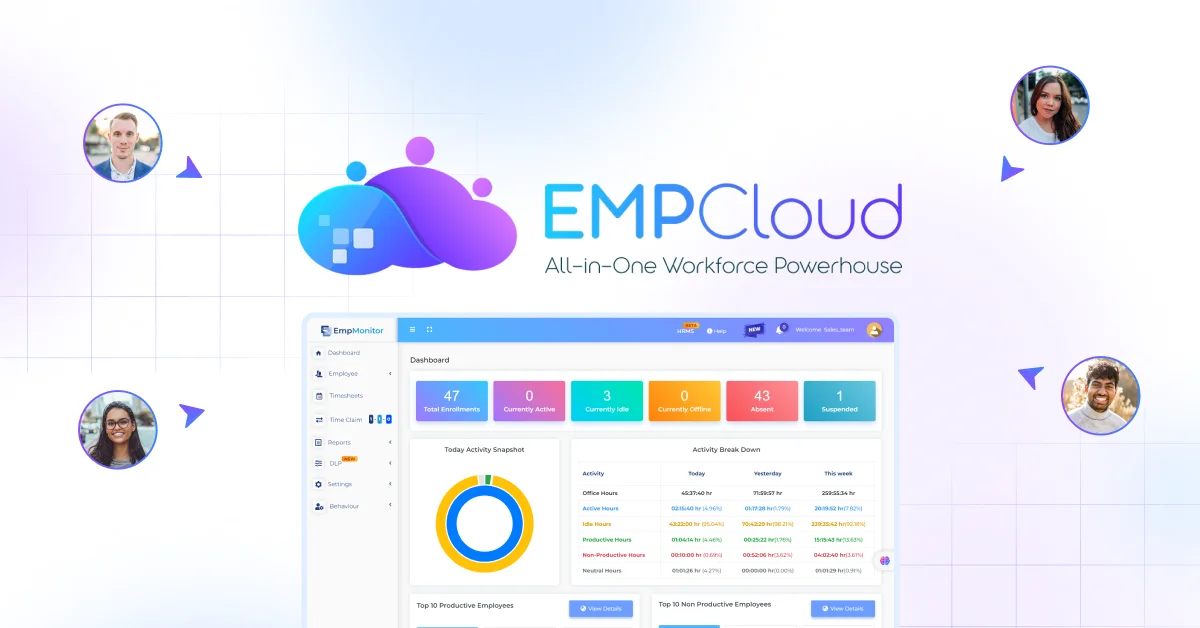 If you’re looking for a reliable solution, EmpCloud is a powerful platform that combines project management with workforce tracking to help teams stay productive and organized.
With project tracking software capabilities built into its system, EmpCloud allows businesses to manage tasks, monitor progress, and improve team accountability—all from a single dashboard.
Key Benefits of Using EmpCloud
- Centralized Task Management
Assign tasks, set deadlines, and track progress in one place without switching between multiple tools. - Real-Time Monitoring
Get instant visibility into project status and team performance, helping you make quicker decisions. - Time and Productivity Tracking
EmpCloud helps track work hours and productivity, ensuring better time management and efficiency. - Employee Performance Insights
Gain detailed reports on how your team is performing, allowing you to optimize workflows. - Easy Collaboration
Teams can communicate, share updates, and stay aligned without relying on scattered tools.
Whether you’re managing a small team or a growing business, EmpCloud acts as an all-in-one solution that simplifies workflows and enhances productivity.
Common Challenges Teams Face Without Project Tracking Software
Many teams still rely on manual processes or disconnected tools to manage their work, and this often creates more problems than solutions. Without project tracking software, one of the biggest challenges is the lack of visibility. Team members may not have a clear understanding of who is responsible for what, which leads to confusion and overlapping efforts. This lack of clarity can slow down progress and reduce overall efficiency.
Communication is another major issue. When updates are shared through emails, chats, or meetings without a centralized system, important information can easily get lost. This results in repeated discussions, missed instructions, and unnecessary delays. Over time, it affects both productivity and team morale.
Missed deadlines are also a common problem in the absence of structured tracking. Without a system to monitor progress in real time, it becomes difficult to identify delays early and take corrective action. Tasks may remain incomplete simply because they were not properly tracked or followed up on.
In addition, workload imbalance often goes unnoticed. Some team members may be overloaded while others have fewer responsibilities, leading to burnout and inefficiency. Using project tracking tools helps address these issues by bringing transparency, structure, and accountability into the workflow.
Project Tracking Software vs Traditional Methods
Traditional project management methods, such as spreadsheets, emails, and manual tracking, have been widely used for years. While they may work for small teams or simple projects, they often become inefficient as complexity increases. Without project tracking software, teams have to rely on constant manual updates, which are not only time-consuming but also prone to errors.
One of the key limitations of traditional methods is the lack of real-time visibility. Team members and managers have to depend on periodic updates or meetings to understand the status of a project. This delay in information flow can lead to poor decision-making and missed opportunities to address issues early.
On the other hand, project tracking software provides a centralized platform where all project-related information is available in real time. Tasks, deadlines, and progress updates are visible to everyone involved, which improves coordination and reduces confusion. Teams no longer have to switch between multiple tools or search through long email threads to find important details.
Another major advantage is automation. Unlike manual methods, modern online project management tools can automate repetitive tasks such as reminders, updates, and reporting. This not only saves time but also ensures consistency in workflows. As a result, teams can focus more on execution and less on administrative work.
Best Practices for Using Project Tracking Software Effectively
To get the most out of project tracking software, it is important to use it strategically rather than just as a task management tool. One of the most effective practices is setting clear goals and expectations from the beginning. When every team member understands the project objectives and their individual responsibilities, it becomes easier to stay aligned and maintain productivity.
Consistency is another key factor. Teams should make it a habit to regularly update task progress and communicate changes within the platform. This ensures that the information remains accurate and up to date, allowing managers to make informed decisions without relying on guesswork.
It is also important to keep workflows simple. Overcomplicating processes with too many stages or unnecessary features can reduce efficiency and make the software harder to use. A clean and structured workflow helps teams adopt the system more easily and use it effectively.
Additionally, teams should make use of reporting and analytics features available in most project tracking tools. These insights can highlight performance trends, identify bottlenecks, and reveal areas that need improvement. By continuously analyzing and optimizing workflows, businesses can maximize the benefits of project tracking software and achieve better results over time.
Future Trends in Project Tracking Software
The future of project tracking software is being shaped by advancements in technology and changing work environments. One of the most significant trends is the integration of artificial intelligence. AI-powered features are helping teams automate task prioritization, predict delays, and optimize resource allocation, making project management more efficient than ever before.
Another major trend is the growing focus on remote and hybrid work. As teams become more distributed, the demand for tools that support seamless collaboration continues to rise. Modern platforms are evolving to include better communication features, real-time updates, and cloud-based accessibility, ensuring that team members can stay connected regardless of their location.
Data analytics is also becoming more advanced. Businesses are increasingly relying on detailed insights to improve decision-making and performance. Future tools will offer deeper analytics, allowing managers to track productivity, measure outcomes, and refine their strategies with greater precision.
Integration is another area of growth. Today’s project tracking software is expected to work seamlessly with other business tools, such as CRM systems, communication platforms, and productivity apps. This creates a more connected ecosystem where information flows smoothly across different functions.
As these trends continue to evolve, project tracking software will play an even bigger role in helping teams stay agile, productive, and competitive in a fast-changing work environment.
Conclusion
Managing projects efficiently requires more than just planning it demands clarity, coordination, and consistent execution. This is exactly where project tracking software makes a real difference. By centralizing tasks, timelines, and communication, it helps teams stay aligned and focused on their goals without unnecessary confusion.
When teams have access to real-time updates and structured workflows, they can respond faster to challenges and keep projects moving forward smoothly. It also creates accountability, ensuring that every team member understands their responsibilities and contributes effectively. Over time, this leads to better collaboration, improved time management, and higher overall productivity.
Tools like EmpCloud enhance this experience by combining project tracking with employee performance insights, giving businesses a more complete view of how work gets done. This allows managers to not only track progress but also optimize team efficiency and performance.
Adopting the right project tracking software is not just about managing tasks it’s about building a system that supports growth, improves teamwork, and drives consistent results across every project.
FAQs
1. Why is project tracking software important for teams?
Project tracking software is important because it brings structure and visibility to projects. It ensures that tasks are organized, deadlines are met, and team members stay aligned, which directly improves overall productivity.
2. Can project tracking software be used for remote teams?
Yes, project tracking software is especially useful for remote teams. It allows team members to collaborate, share updates, and track progress in real time, regardless of their location.
3. Is project tracking software suitable for small teams?
Absolutely. Even small teams can benefit from project tracking tools by staying organized, managing workloads efficiently, and avoiding missed deadlines without needing complex systems.
4. How does project tracking software help in time management?
It helps by tracking how much time is spent on tasks, setting deadlines, and sending reminders. This allows teams to plan better and complete work on time.
Quick Search Our Blogs
Type in keywords and get instant access to related blog posts.