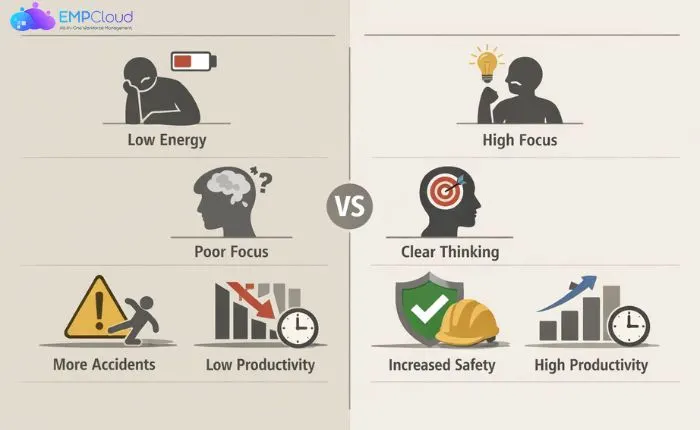
Workplace fatigue is more than just feeling tired it’s a serious issue that can affect productivity, safety, and employee well-being. Fatigue management is the practice of identifying, monitoring, and addressing fatigue among employees to ensure a safer and more efficient work environment.
Employees who are fatigued often experience slower reaction times, decreased concentration, and impaired decision-making. Over time, this can lead to accidents, errors, and reduced overall performance. Organizations that implement effective fatigue management strategies not only protect their workforce but also boost productivity and employee satisfaction.
This guide will explain what fatigue management is, explore the impact of employee fatigue, discuss practical strategies for the workplace, and highlight how systems like EmpCloud can help streamline fatigue management processes.
Listen to the Podcast.
What Is Fatigue Management?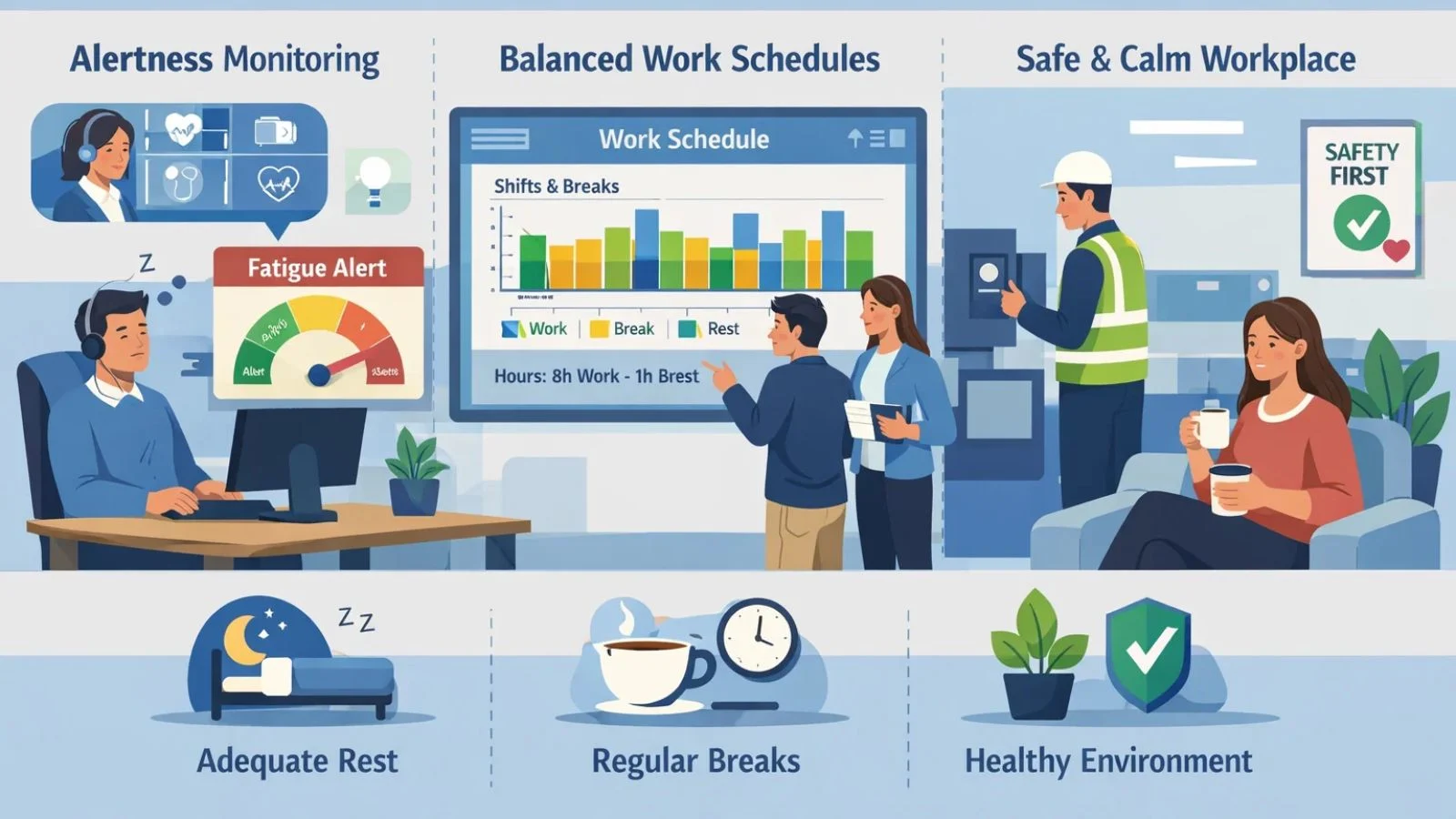
Fatigue management is a systematic approach to identifying, monitoring, and mitigating fatigue in the workplace. It goes beyond simple wellness initiatives or encouraging employees to rest; it involves creating policies, procedures, and systems that actively reduce the risks associated with tiredness and exhaustion.
At its core, fatigue management aims to protect employees’ health, enhance productivity, and maintain workplace safety. This includes recognizing the early signs of fatigue, adjusting work schedules to prevent overexertion, and implementing tools or systems to monitor and address fatigue-related risks.
While general wellness programs focus on overall employee health, fatigue management is more targeted. It addresses the direct impact of tiredness on performance, alertness, and decision-making. Organizations that prioritize fatigue management often see fewer workplace accidents, lower absenteeism, and higher employee engagement.
Effective fatigue management is essential for industries with high safety demands, such as transportation, manufacturing, healthcare, and logistics, but it is equally important in office environments where mental fatigue can reduce productivity and creativity.
The Impact of Employee Fatigue
Employee fatigue can have wide-ranging consequences that affect both individuals and organizations. Fatigue isn’t just about feeling sleepy; it impacts physical health, mental focus, emotional stability, and overall workplace performance.
- Physical Effects
Fatigue can lead to muscle strain, headaches, slower reaction times, and chronic health problems when prolonged. Employees who are physically tired are more prone to accidents and injuries, especially in roles that involve machinery, driving, or manual labor. - Cognitive and Mental Effects
Fatigue affects attention, memory, and decision-making. Employees may struggle to concentrate on tasks, make errors, or overlook critical details. This can reduce efficiency, cause mistakes, and even result in costly operational errors. - Emotional and Behavioral Impact
Tired employees are more likely to experience irritability, stress, and mood swings. Fatigue can reduce engagement, teamwork, and overall morale, leading to conflicts and a negative workplace atmosphere. - Organizational Consequences
The cumulative effect of employee fatigue translates into higher absenteeism, lower productivity, increased error rates, and higher workplace risk. According to industry studies, fatigue-related incidents are a significant contributor to workplace accidents, making it a critical area for management attention.
By understanding the full scope of fatigue’s impact, organizations can recognize why structured employee fatigue management is essential for both safety and productivity.
Fatigue Management in the Workplace
Implementing fatigue management in the workplace involves creating strategies and policies that minimize the effects of tiredness on employees while maintaining productivity and safety. A well-designed approach combines scheduling, environmental adjustments, and education to address fatigue systematically.
- Work Scheduling and Breaks
One of the most effective ways to manage fatigue is through thoughtful scheduling. Rotating shifts, limiting overtime, and ensuring adequate rest periods between shifts can significantly reduce fatigue levels. Scheduled breaks during long tasks allow employees to recharge, improving alertness and efficiency. - Ergonomics and Workplace Environment
Lighting, temperature, seating, and noise levels all influence fatigue. Ensuring an ergonomic workspace with proper lighting and comfortable seating can reduce physical strain, while quiet spaces or relaxation zones can help employees recover mentally. - Education and Training
Educating employees about recognizing the signs of fatigue, proper sleep hygiene, and healthy lifestyle habits empowers them to take personal responsibility for managing tiredness. Regular workshops and training sessions can reinforce these principles. - Monitoring and Feedback
Regularly assessing employee fatigue levels through surveys, self-reporting tools, or monitoring systems can help managers identify patterns and implement proactive solutions. Feedback loops allow continuous improvement of fatigue management policies. - Wellness and Lifestyle Programs
Encouraging exercise, balanced nutrition, stress management, and sufficient sleep supports overall fatigue reduction. Some workplaces provide wellness programs or resources to help employees maintain healthy routines.
By integrating these strategies, organizations can create a supportive environment that reduces fatigue, enhances safety, and improves employee performance.
Fatigue Risk Management Systems
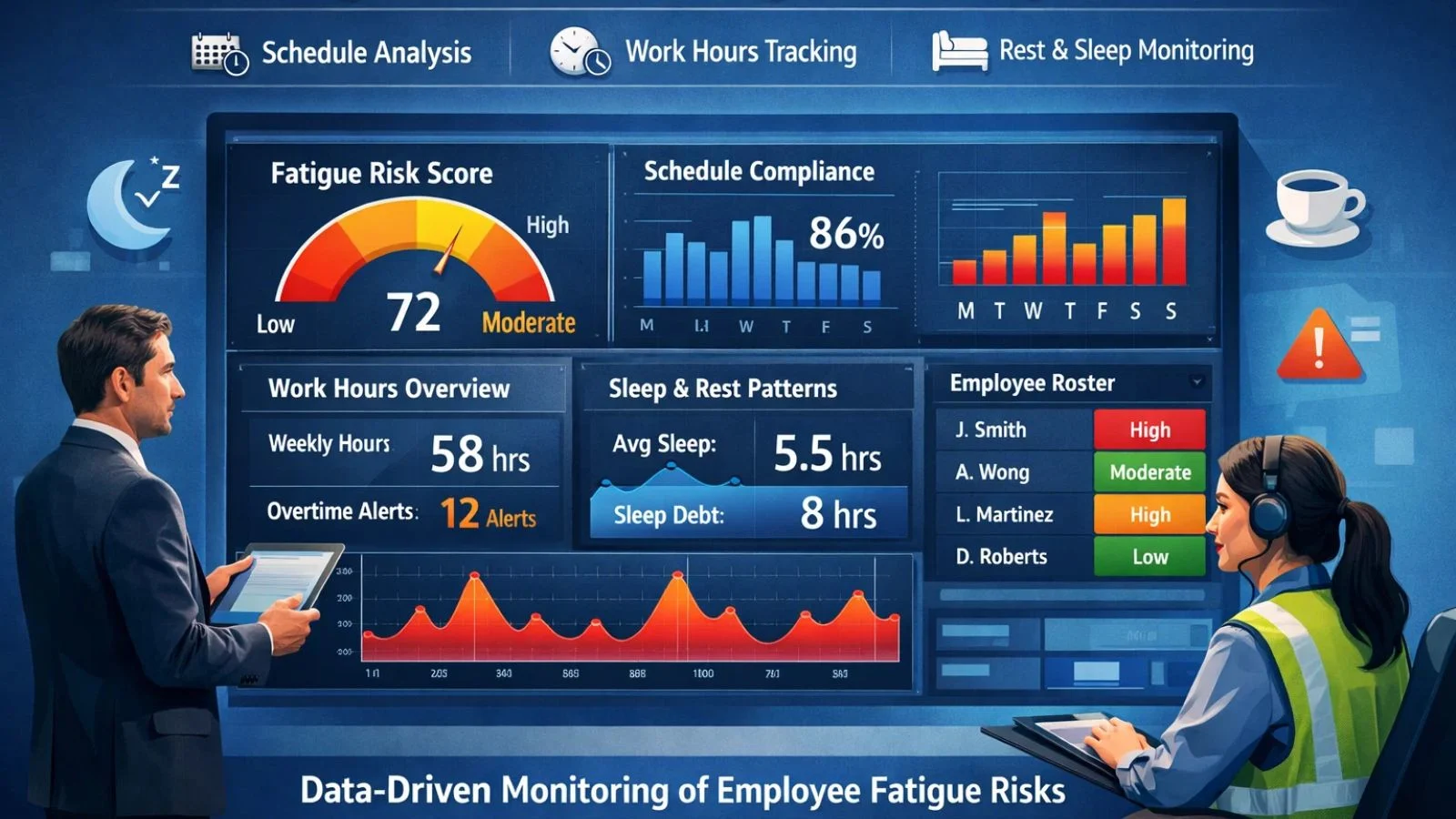
A fatigue risk management system (FRMS) is a structured framework designed to identify, assess, and mitigate fatigue-related risks in the workplace. Unlike basic policies, an FRMS is proactive, data-driven, and tailored to the organization’s specific needs.
- What an FRMS Does
An FRMS monitors employee schedules, work hours, and rest patterns to predict when fatigue is likely to occur. It uses this data to implement preventive measures, such as adjusting shifts, providing additional breaks, or rotating tasks to reduce risk. - Benefits of an FRMS
- Enhanced Safety: Reduces accidents and incidents caused by fatigue.
- Regulatory Compliance: Helps organizations meet labor laws and industry safety standards.
- Data-Driven Decisions: Provides analytics to optimize schedules and workforce management.
- Employee Well-Being: Supports a healthier, more alert, and engaged workforce.
- Implementation Strategies
A successful FRMS involves continuous monitoring, feedback mechanisms, and employee participation. Organizations can integrate fatigue tracking software, wearable technology, or mobile apps to provide real-time insights and alerts.
By adopting a fatigue risk management system, companies move beyond reactive measures, creating a culture of safety and proactive fatigue prevention that protects employees and strengthens operational efficiency.
Basic Fatigue Management System
A basic fatigue management system provides a foundation for organizations to address employee fatigue without requiring complex or expensive infrastructure. While it may not include advanced predictive analytics like a full fatigue risk management system, it is highly effective in smaller workplaces or as a starting point.
Key Features of a Basic Fatigue Management System:
- Shift Scheduling Guidelines – Ensures employees have sufficient rest between shifts and avoids excessive overtime.
- Mandatory Breaks – Establishes scheduled breaks during work hours to reduce mental and physical fatigue.
- Fatigue Awareness Training – Educates employees on the signs of fatigue, healthy sleep habits, and coping strategies.
- Self-Reporting Tools – Allows employees to report when they feel fatigued, enabling supervisors to adjust workloads or schedules.
- Monitoring Policies – Simple checklists or observation programs help managers identify high-risk fatigue periods and intervene proactively.
A basic system sets the stage for more sophisticated fatigue management in the future. By implementing fundamental policies and employee education, organizations can immediately reduce fatigue-related risks and improve workplace safety and productivity.
Best Practices for Workplace Fatigue Management
Implementing effective fatigue management requires more than policies it involves cultivating a workplace culture that prioritizes employee well-being and safety. Here are some best practices organizations can follow:
- Employee Engagement and Wellness Programs
Encourage participation in wellness initiatives that promote physical health, mental resilience, and proper sleep. Activities like fitness challenges, mindfulness sessions, or nutrition workshops can help employees manage fatigue proactively. - Data-Driven Monitoring and Analytics
Leverage technology to track work hours, rest periods, and fatigue trends. Analytics can help managers identify patterns, high-risk periods, and departments needing adjustments, enabling proactive fatigue management. - Flexible Work Scheduling
Offer flexible or staggered shifts where possible, giving employees control over their work hours. This reduces stress and ensures they receive adequate rest between shifts. - Continuous Training and Awareness
Regularly educate employees about fatigue risks, sleep hygiene, and workplace strategies for managing tiredness. Encourage open communication so employees feel comfortable reporting fatigue without stigma. - Leadership Commitment
Management should lead by example, respecting rest periods and promoting a culture where safety and well-being are valued over productivity alone. Leadership buy-in ensures fatigue management policies are consistently applied. - Continuous Improvement
Periodically review fatigue management policies and systems, incorporating feedback and lessons learned. Adapting strategies based on real-world outcomes keeps fatigue prevention efforts effective.
By following these best practices, organizations can create a safer, more productive environment while demonstrating a commitment to employee health and operational excellence.
How EmpCloud Supports Fatigue Management?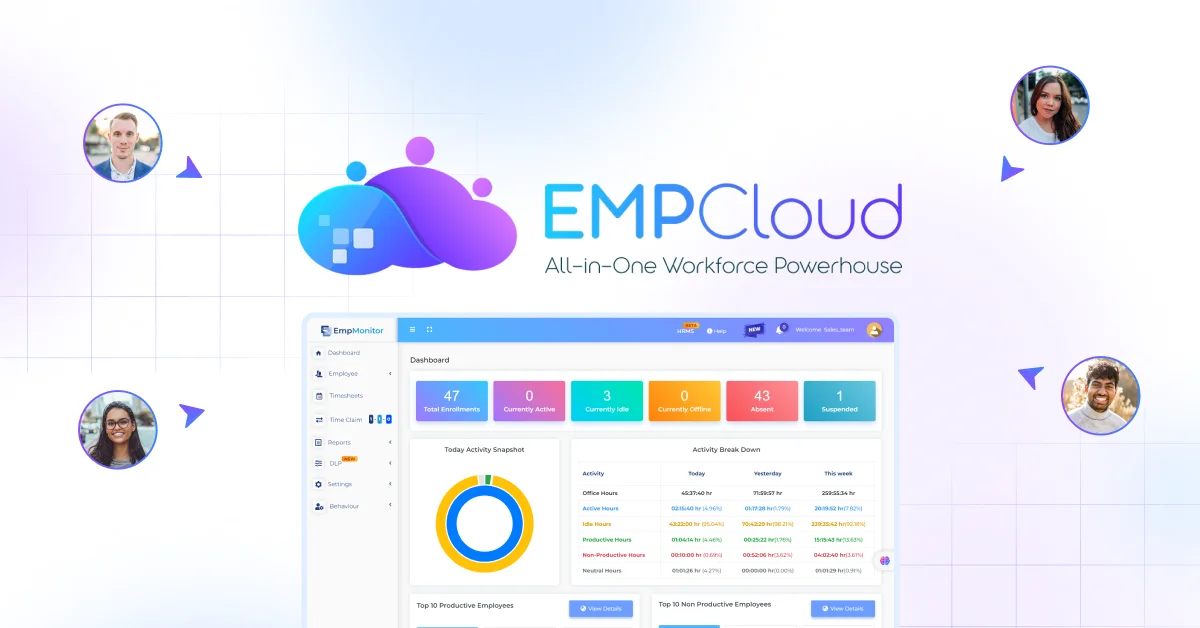
EmpCloud is a comprehensive platform that simplifies fatigue management by integrating monitoring, reporting, and employee engagement tools into one easy-to-use system. It helps organizations proactively identify and address fatigue risks while promoting a culture of safety and well-being.
Key Features of EmpCloud for Fatigue Management:
- Real-Time Monitoring – Tracks employee work hours, rest periods, and alertness levels to identify potential fatigue risks.
- Automated Reporting – Generates detailed analytics and reports, helping managers make data-driven decisions to reduce fatigue-related incidents.
- Shift Scheduling & Alerts – Assists in creating optimized work schedules and sends notifications when employees are at risk of overwork.
- Training & Awareness Modules – Provides resources and programs to educate employees on recognizing fatigue and adopting healthy work habits.
- Employee Self-Reporting Tools – Enables employees to report fatigue symptoms, allowing supervisors to take timely preventive actions.
By using EmpCloud, organizations can implement both basic and advanced fatigue management strategies with minimal effort. The platform ensures compliance with workplace safety standards while enhancing productivity and employee well-being.
Technology and Tools for Fatigue Management
Modern workplaces can leverage technology to enhance fatigue management efforts. From wearable devices to software platforms, these tools provide actionable insights to prevent fatigue-related risks.
- Wearable Devices – Smartwatches or wristbands can monitor sleep patterns, heart rate, and activity levels, alerting employees and managers to early signs of fatigue.
- Mobile Apps and Self-Assessment Tools – Employees can use apps to log sleep, track alertness, and receive personalized recommendations for managing fatigue.
- AI-Powered Analytics – Advanced platforms like EmpCloud use AI to analyze work patterns, predict fatigue risks, and suggest schedule adjustments to improve productivity and safety.
- Integration with HR and Scheduling Systems – Linking fatigue management tools with HR or workforce management software ensures that employee schedules and workloads are optimized to minimize fatigue.
By adopting the right technology and tools, organizations can move from reactive to proactive fatigue management, significantly reducing workplace risks.
The Future of Fatigue Management in Workplaces
The approach to fatigue management is evolving rapidly, with increasing emphasis on data-driven solutions and employee well-being. Future trends are likely to include:
- Predictive Analytics – Using AI and machine learning to forecast fatigue trends before they become a problem, allowing organizations to take preventive measures.
- Personalized Fatigue Solutions – Customized strategies for individual employees based on their work patterns, health data, and personal risk factors.
- Integration with Smart Workplaces – IoT-enabled offices and industrial environments will adjust lighting, temperature, and workloads dynamically to reduce fatigue.
- Increased Regulatory Focus – Governments and industry bodies may mandate structured fatigue management programs to improve safety in high-risk industries like transportation, manufacturing, and healthcare.
By embracing these innovations, workplaces can transform how fatigue is managed, creating safer, more productive, and healthier environments for employees.
Conclusion
Effective fatigue management is no longer optional it’s essential for safe, productive, and sustainable workplaces. By understanding the impact of fatigue, implementing structured policies, and leveraging tools like EmpCloud, organizations can proactively reduce risks, improve employee well-being, and boost operational efficiency.
From basic fatigue management systems to advanced fatigue risk management frameworks, the key is creating a culture that prioritizes rest, awareness, and proactive monitoring. Businesses that invest in employee fatigue management not only safeguard their workforce but also unlock higher productivity and morale, transforming the workplace for the better.
Also Read,
FAQs
- How can employee fatigue management be implemented?
Through structured schedules, mandatory breaks, wellness programs, training, monitoring tools, and self-reporting systems, organizations can manage fatigue effectively. - What is the difference between a basic fatigue management system and a fatigue risk management system?
A basic fatigue management system focuses on simple policies like rest breaks, shift schedules, and awareness training. A fatigue risk management system (FRMS) is data-driven, proactive, and monitors fatigue risks using analytics and predictive tools. - Can technology support fatigue management in workplaces?
Yes, platforms like EmpCloud, wearable devices, and AI-powered analytics provide monitoring, reporting, and predictive insights to proactively reduce fatigue-related risks. - How does fatigue management benefit employees and organizations?
It enhances employee safety, reduces errors, boosts productivity, lowers absenteeism, and creates a healthier, more engaged workforce.
Quick Search Our Blogs
Type in keywords and get instant access to related blog posts.